


Belts – Overview & Buying Guide
Why Belts?
A belt is more than a fashion detail: it keeps clothing secure, helps distribute weight and can carry tools or small items. In work environments, belts hold trousers in place, support tool holders and add a layer of comfort and safety. For everyday use, they combine durability with straightforward style.
Typical uses
- Everyday work: holding up work trousers, suspending tool pouches or holsters.
- Trades and crafts: fastening tool belts, attaching carabiners or pouches.
- Outdoor and leisure: hiking, gardening, DIY — anywhere a reliable fastening matters.
Who benefits
- Tradespeople, builders and logisticians who need durable support for tools and heavy wear.
- Service professionals and technicians who attach small kits to their waist.
- Anyone who prefers practical, long-lasting garments over disposable accessories.
Key advantages
- Protection: a sturdy belt prevents trousers from slipping during physical tasks.
- Comfort: well-shaped belts with elastic or contoured designs reduce pressure points.
- Durability: work belts are built to resist abrasion, moisture and frequent use.
- Functionality: modern models offer quick-release buckles, integrated openers or tool loops.
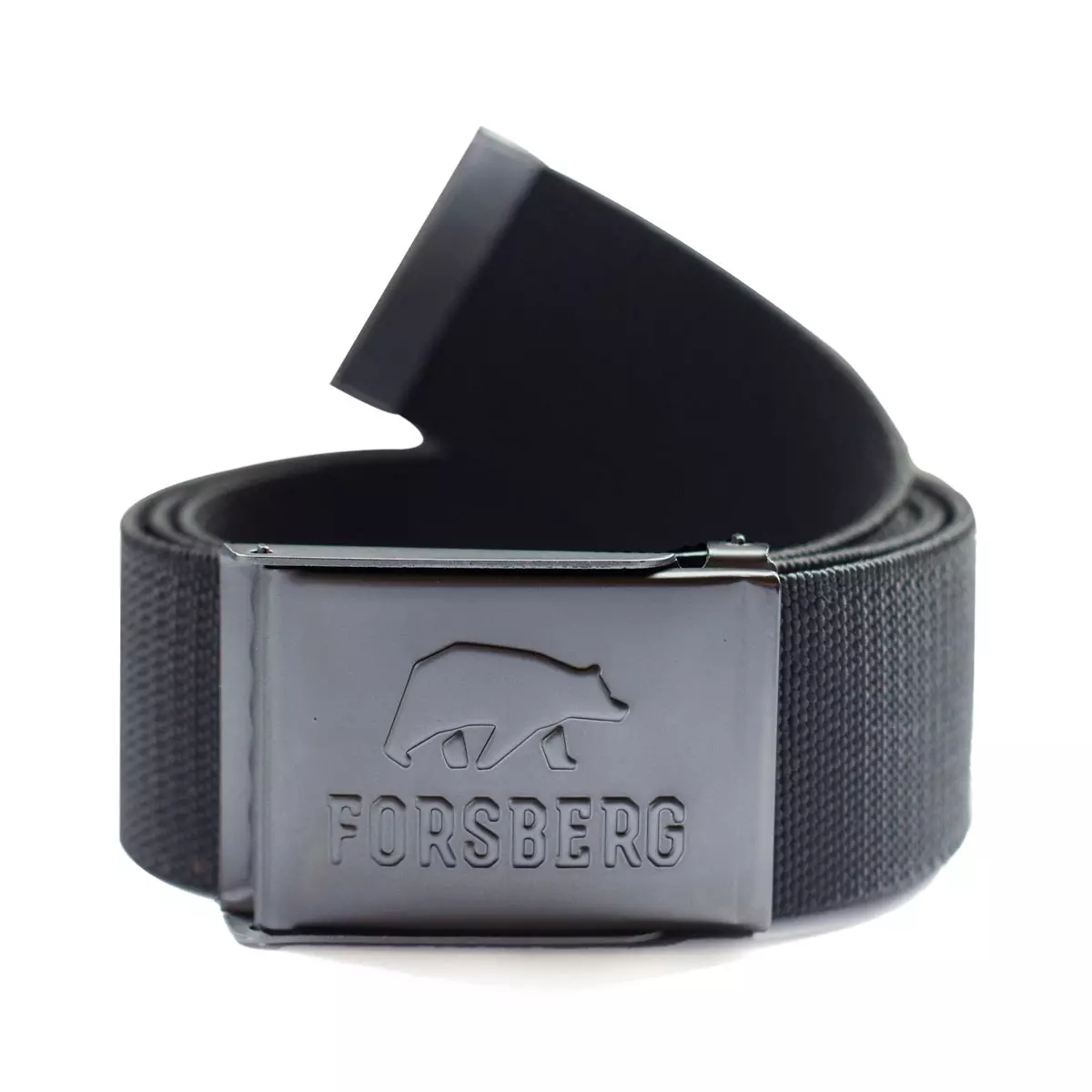
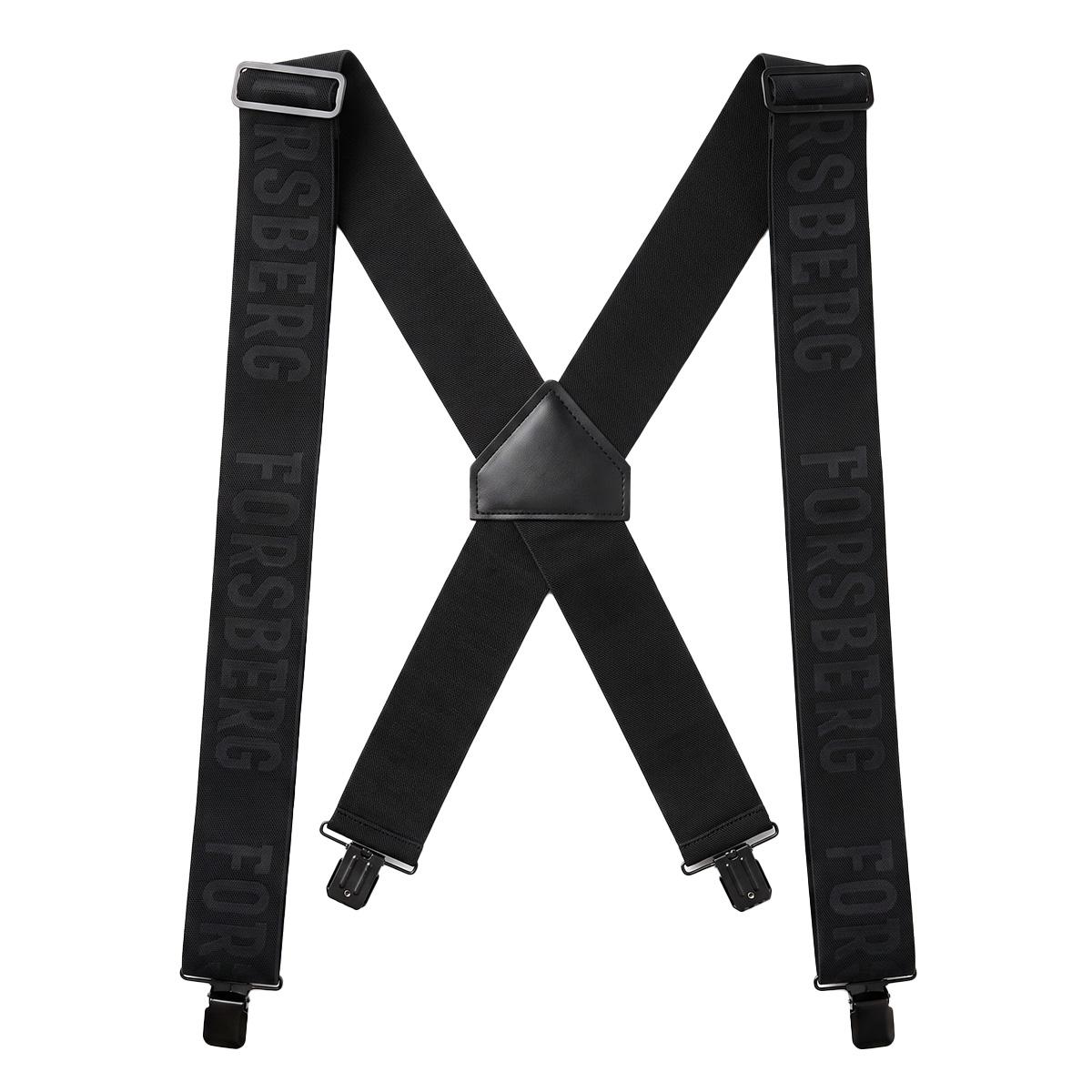
Forsberg’s collection, for example, shows how a simple accessory can be engineered for industrial use: options with rubberised buckles, robust webbing and even built-in bottle openers highlight the practical focus of contemporary work belts.
Which materials and technologies are relevant for belts?
Belts come in many materials and constructions. The right choice depends on the intended use: heavy-duty work, occasional leisure or smart-casual wear.
Common materials
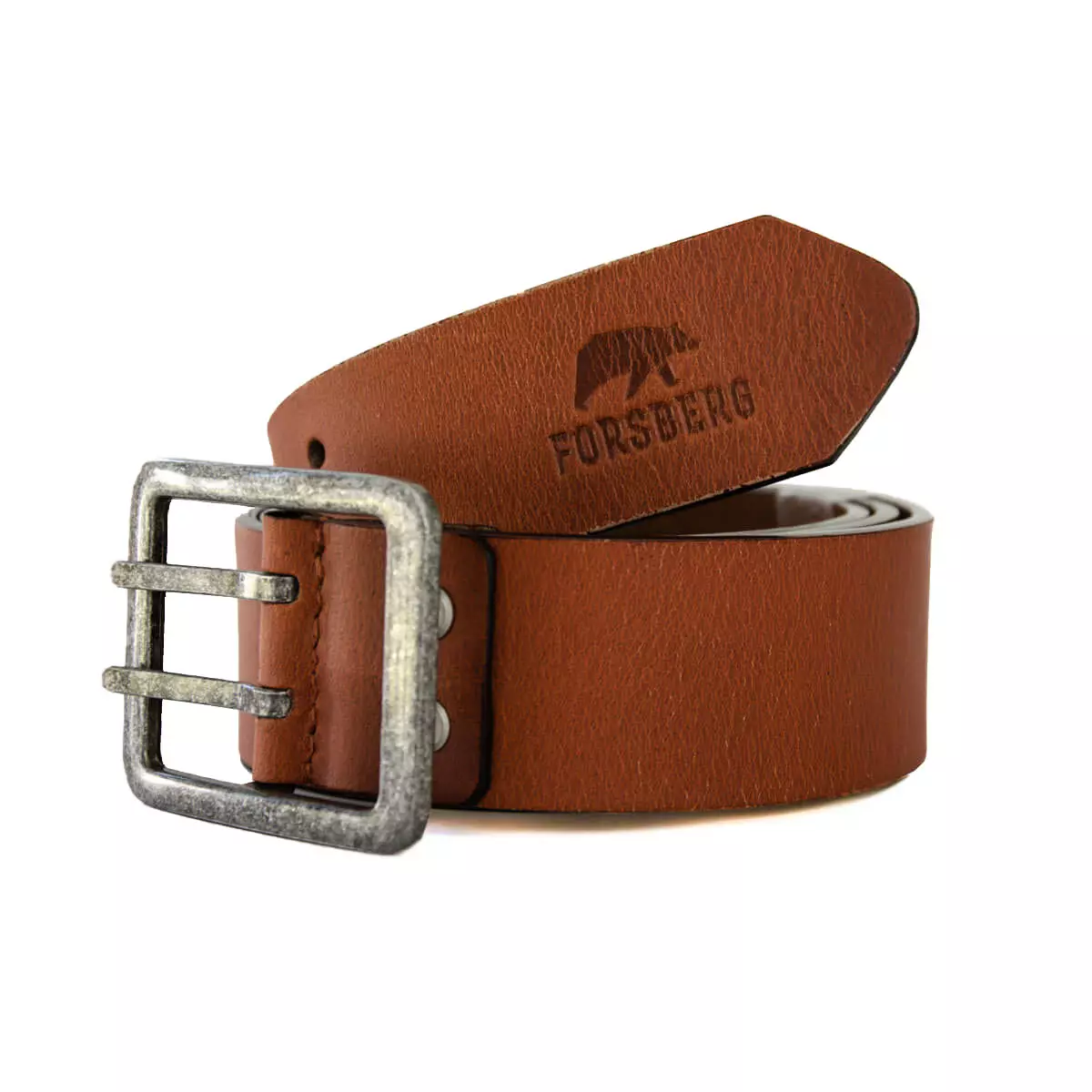
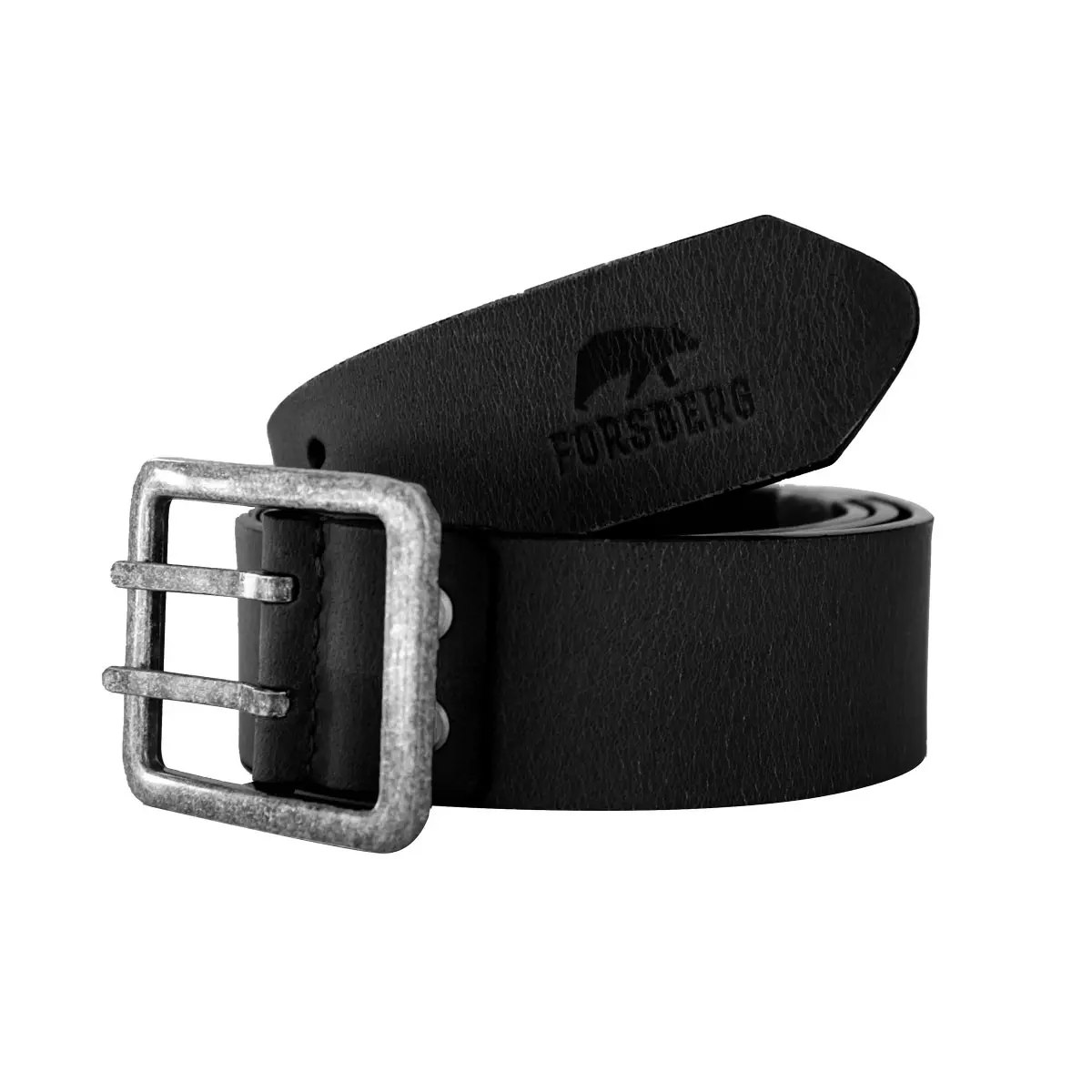
- Full-grain leather: thick, ages well, easy to repair and offers high load-bearing capacity. Best for long-term use and a classic look.
- Bonded or split leather: more affordable and lighter, but generally less durable than full-grain.
- Textile webbing (nylon, polyester): lightweight, quick-drying and highly abrasion-resistant. Often used for tool and tactical belts.
- Reinforced composites and synthetic leathers (PU): cost-effective, water-resistant alternatives.
Hardware and coatings
- Metal buckles (stainless steel, zinc alloy): robust and corrosion-resistant. Stainless finishes are preferred for wet or coastal conditions.
- Plastic quick-release buckles (e.g. Duraflex®-type): light, quick to operate and common on adjustable work belts.
- Rubberised or coated buckles: reduce wear on fabrics and add grip; useful when a quiet, non-reflective surface is desired.
Construction details
- Single-layer vs. multi-layer: a single full-grain strap is simple and strong; laminated (2- or 3-layer) constructions sandwich a stabilising core between outer faces for extra stiffness and shape retention.
- Stitching and rivets: reinforced stitching and metal rivets at stress points extend service life.
- Elastic inserts: small stretch panels improve comfort and reduce chafing during movement.
Brand examples and what to expect
- Forsberg® – work-focused belts featuring tough webbing, reinforced stitching and practical details such as rubberised buckles and integrated openers on selected models. These belts balance robustness with everyday convenience.
- Cordura® fabric options – when abrasion resistance is critical, Cordura®-based webbing offers excellent longevity and tear resistance.
- Duraflex®-style hardware – common on modern tool belts for reliable quick-release performance without heavy metal buckles.
Care and coating notes
- Many textile belts are treated with water-repellent finishes; leather belts benefit from wax or oil treatments. Avoid aggressive solvents.
- For leather: regular conditioning preserves suppleness and slows cracking. For textiles: rinse off salts and mud promptly to prevent abrasion.
How to care for and maintain belts properly
A short, practical routine keeps a belt functional for years.
- Preparation
- Remove dirt and loose debris with a soft brush.
- Close buckles and unfasten any attachments before cleaning.
- Cleaning
- Leather belts: wipe with a damp cloth. For deeper cleaning use a mild leather cleaner. Do not soak leather in water.
- Textile belts: brush off dried mud. Machine-washable webbings should go into a laundry bag on a gentle, cold cycle; check the label first.
- Metal parts: clean with a soft cloth. For stainless finishes, mild soap and water are sufficient.
- Conditioning & waterproofing
- Leather: apply a leather conditioner or neutral beeswax sparingly after cleaning. This nourishes fibres and restores water resistance.
- Textile: reapply a suitable water-repellent spray (DWR-type) to seams and exposed surfaces if the belt is used in wet environments.
- Drying & storage
- Air-dry belts flat or hung in a ventilated place, away from direct heat and sunlight.
- Store leather belts rolled loosely or hung on a peg to keep their shape.
- Repair options
- Stitched seams: small seam failures can be re-stitched by a cobbler or seamstress.
- Rivets and buckles: replaceable on many work belts; a shoemaker or gear repair shop can swap hardware.
- Tears in textile webbing: minor frays can be sealed with careful sewing and heat-shrink tape; large damage usually requires belt replacement.
Practical tip: keep a spare belt in the van or locker if you rely on it for daily tool-carrying work. Inspect buckle pins and rivets monthly when the belt is under heavy use.
Application examples
1) Construction site foreman Anna wears a reinforced textile belt with a quick-release buckle and attachment loops. She clips a small pouch for pencils and a folding tape measure to it. The belt keeps her trousers secure during long inspections and lets her reach tools quickly. Result: less bending to pick up dropped items and fewer wardrobe adjustments.
2) Mobile technician When Marcus climbs ladders and crawls in attics, a leather-lined belt with an elastic insert gives comfort and support. The leather exterior resists snagging while the elastic reduces pressure when he bends. The integrated buckle keeps holsters fixed in place.
3) Weekend hiker and practical everyday use A Cordura® webbing belt with a friction-lock buckle dries quickly after rain, supports a lightweight hip pouch and resists abrasion from backpack straps. It’s a low-maintenance companion for outdoor activities.
Each example shows how the right belt reduces distraction, improves ergonomics and protects clothing while adding useful carrying options.
Frequently asked questions (FAQ)
Q: How do I find the right belt size?
A: Measure a well-fitting pair of trousers at the waist or hip (where you wear your belt). Choose a belt size 2–4 cm larger than that measurement so the buckle sits on the middle hole.
Q: Leather or textile – which is better for work?
A: Leather is durable and comfortable for heavy daily wear; textile webbing is lighter, quicker to dry and often more abrasion-resistant. Choose based on your environment and load.
Q: Can I wash my belt in the machine?
A: Textile belts that carry a washable label can usually be washed gently in a laundry bag. Leather belts must not be machine-washed; clean them with a damp cloth and leather cleaner.
Q: How often should I replace a work belt?
A: With regular inspection and care, a high-quality belt can last several years. Replace it when stitching fails, webbing shows deep cuts or buckles no longer lock reliably.
Q: Are metal buckles prone to rust?
A: Choose stainless or zinc-plated hardware for wet or coastal conditions. Regular cleaning and drying greatly reduce corrosion risk.
Q: Can a belt support tool pouches safely?
A: Only if it is designed for load-bearing: look for reinforced stitching, a stiff core or a dedicated tool-belt construction. Standard fashion belts usually lack the required reinforcement.
Final note & internal links
For more on matching belts with work trousers and choosing the right accessories, see our guides on work trousers and gear care:
- /en/workwear/trousers/
- /en/advice/maintenance/
Browse our selection of belts and find the right belt for your requirements.