












Waistband Trousers for Work: The Complete Buying Guide
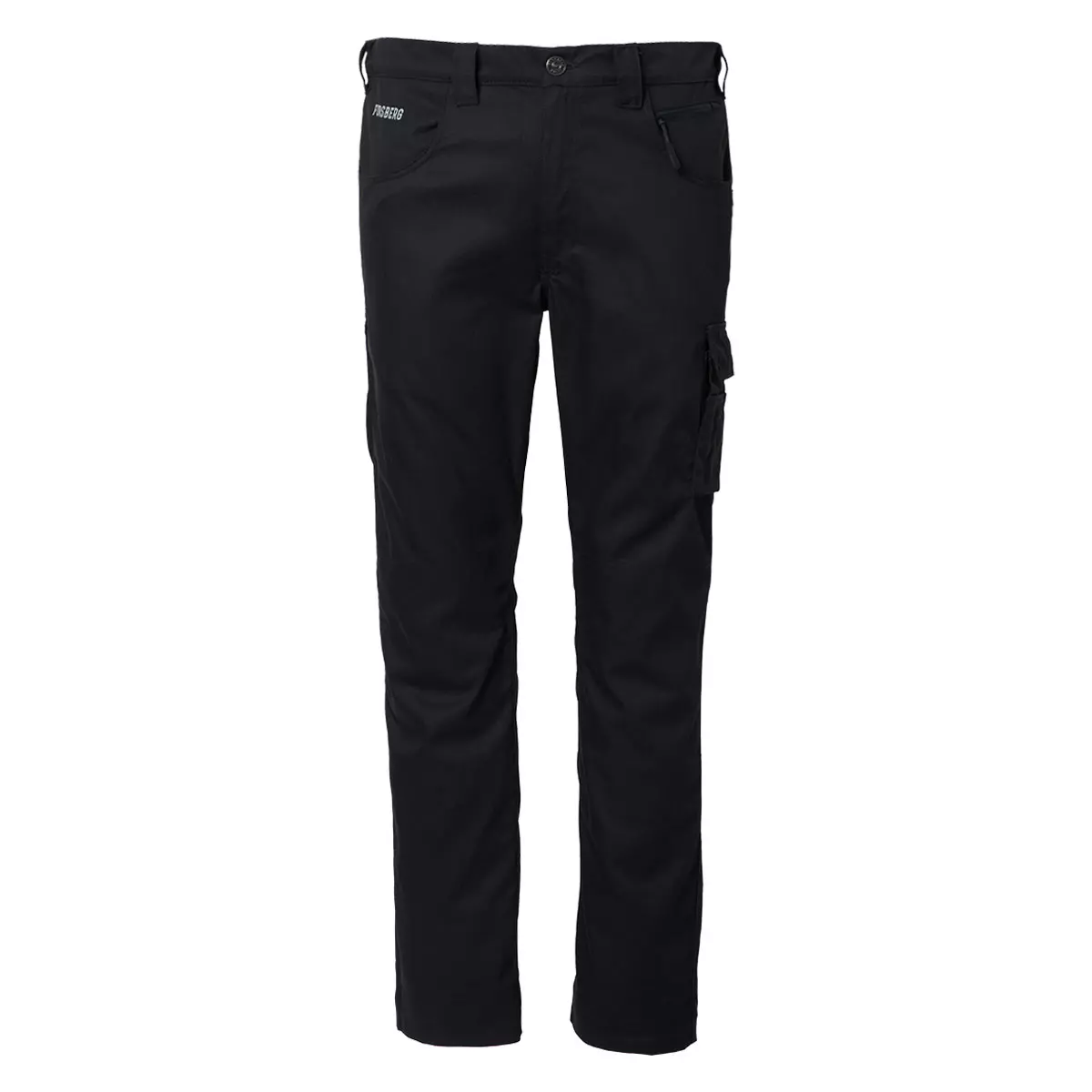
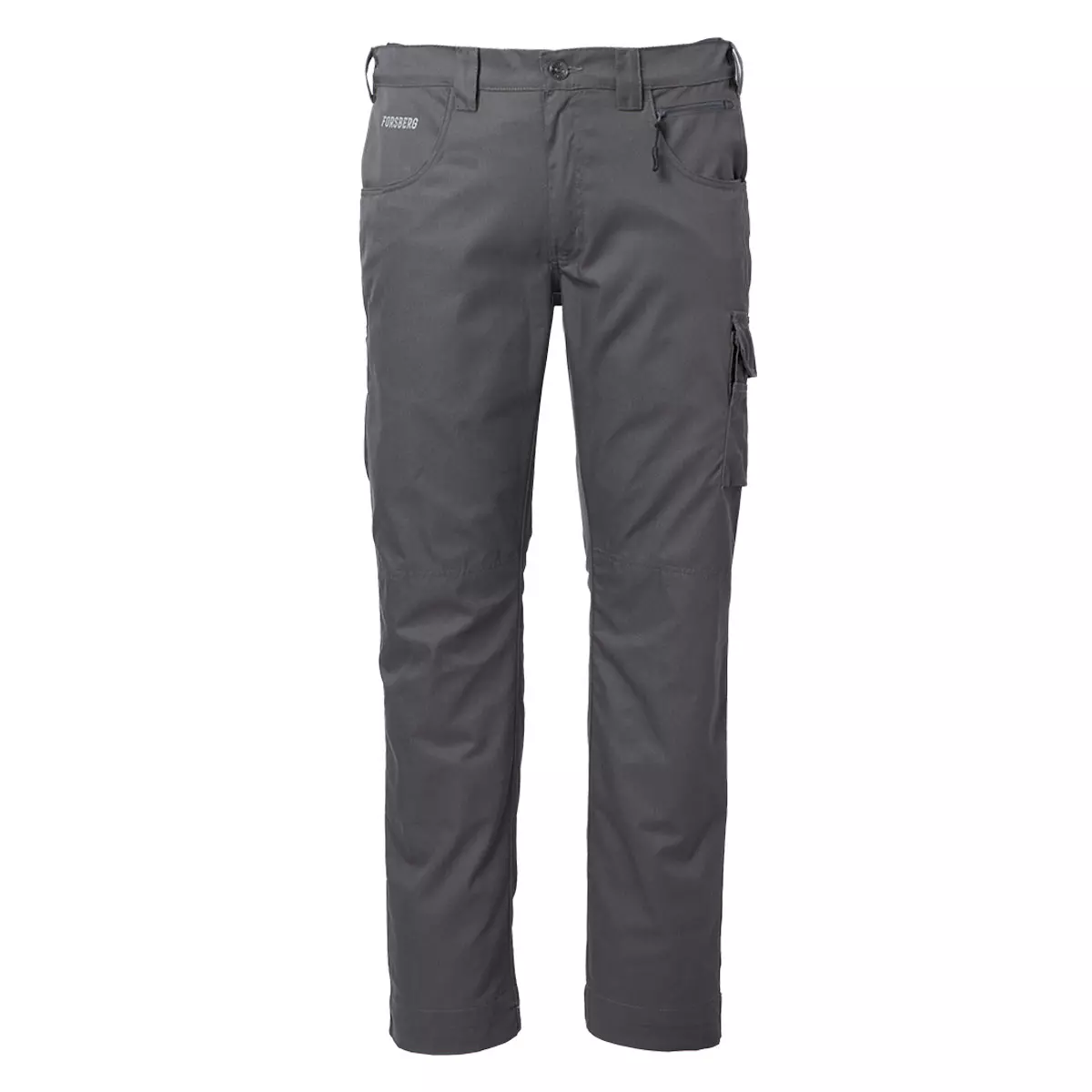
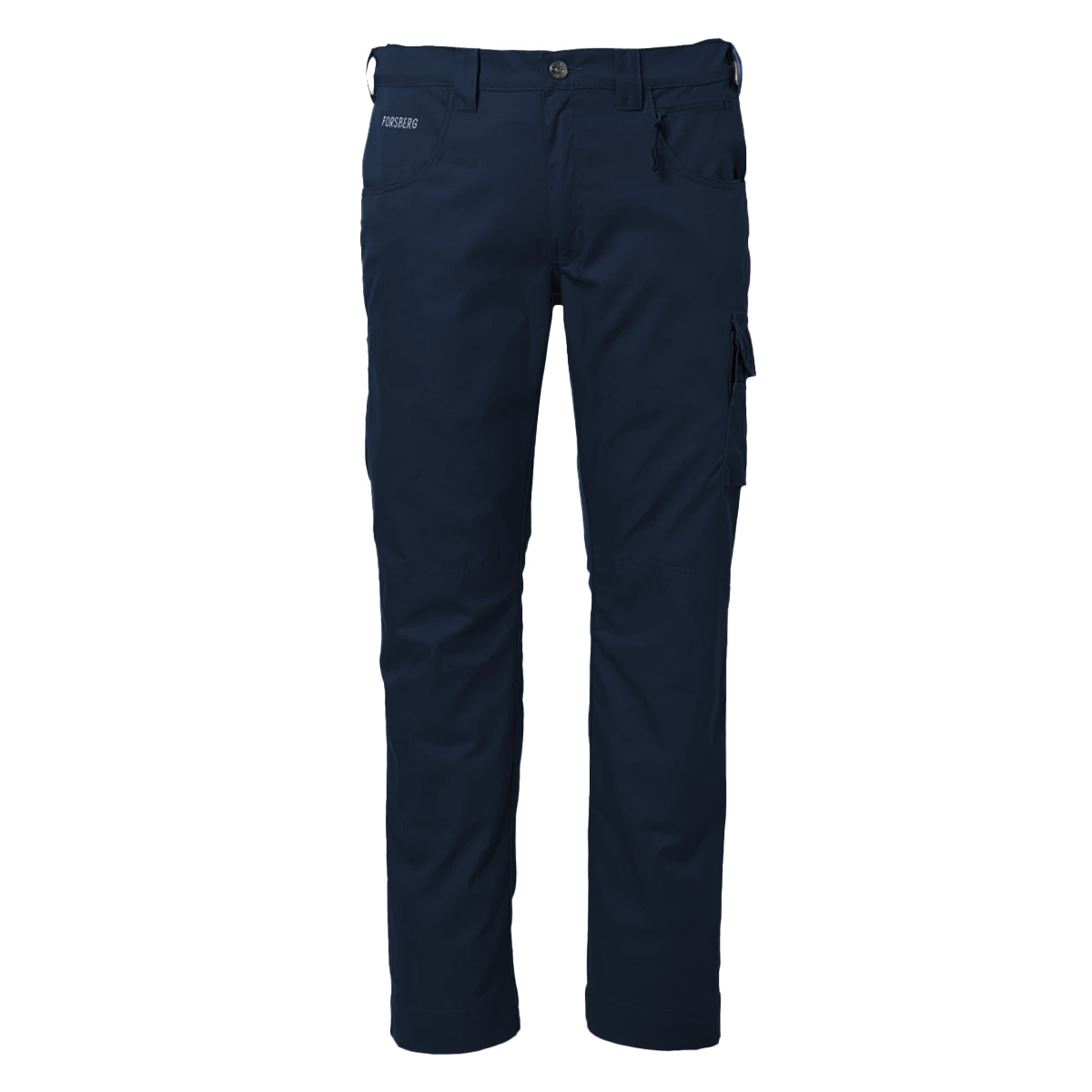
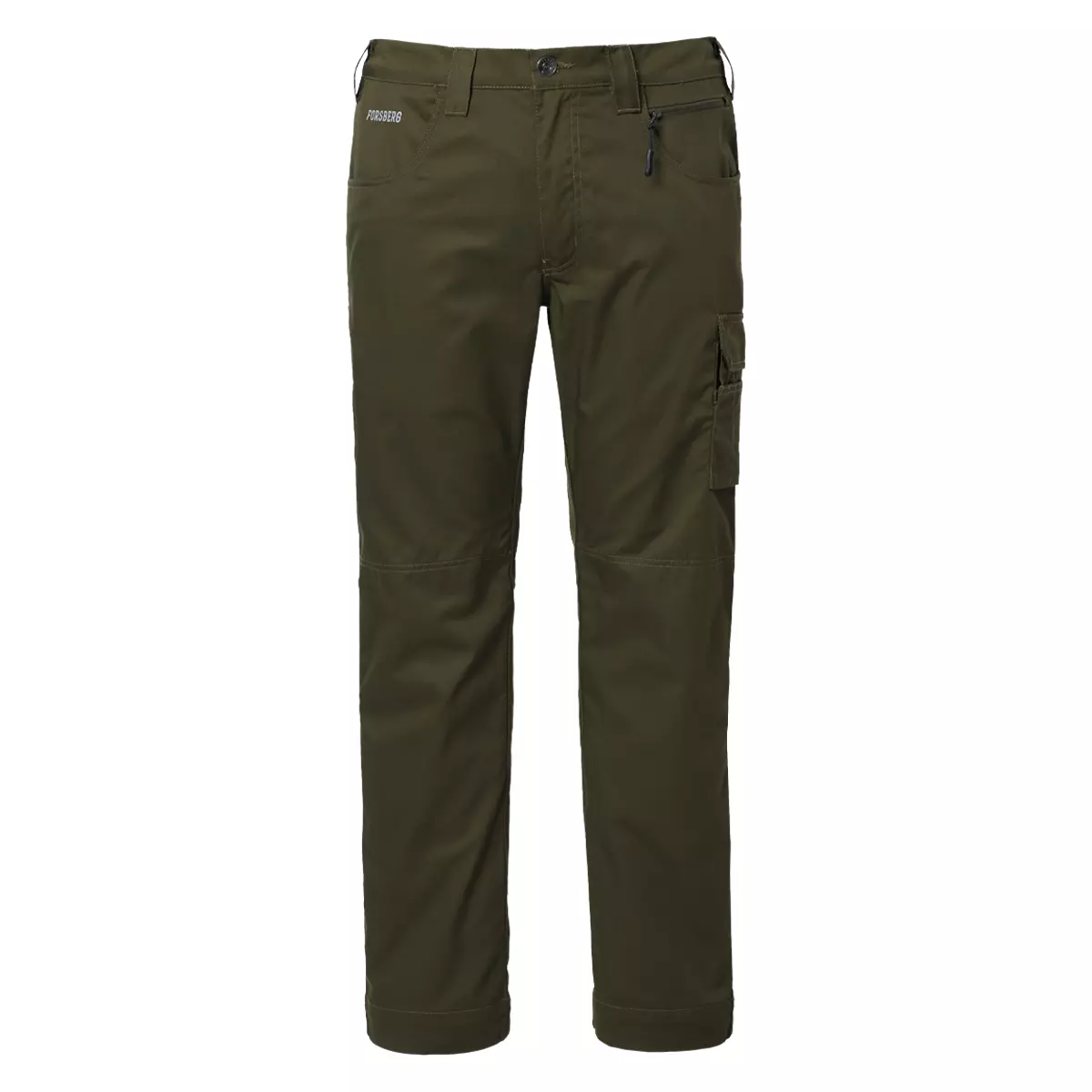
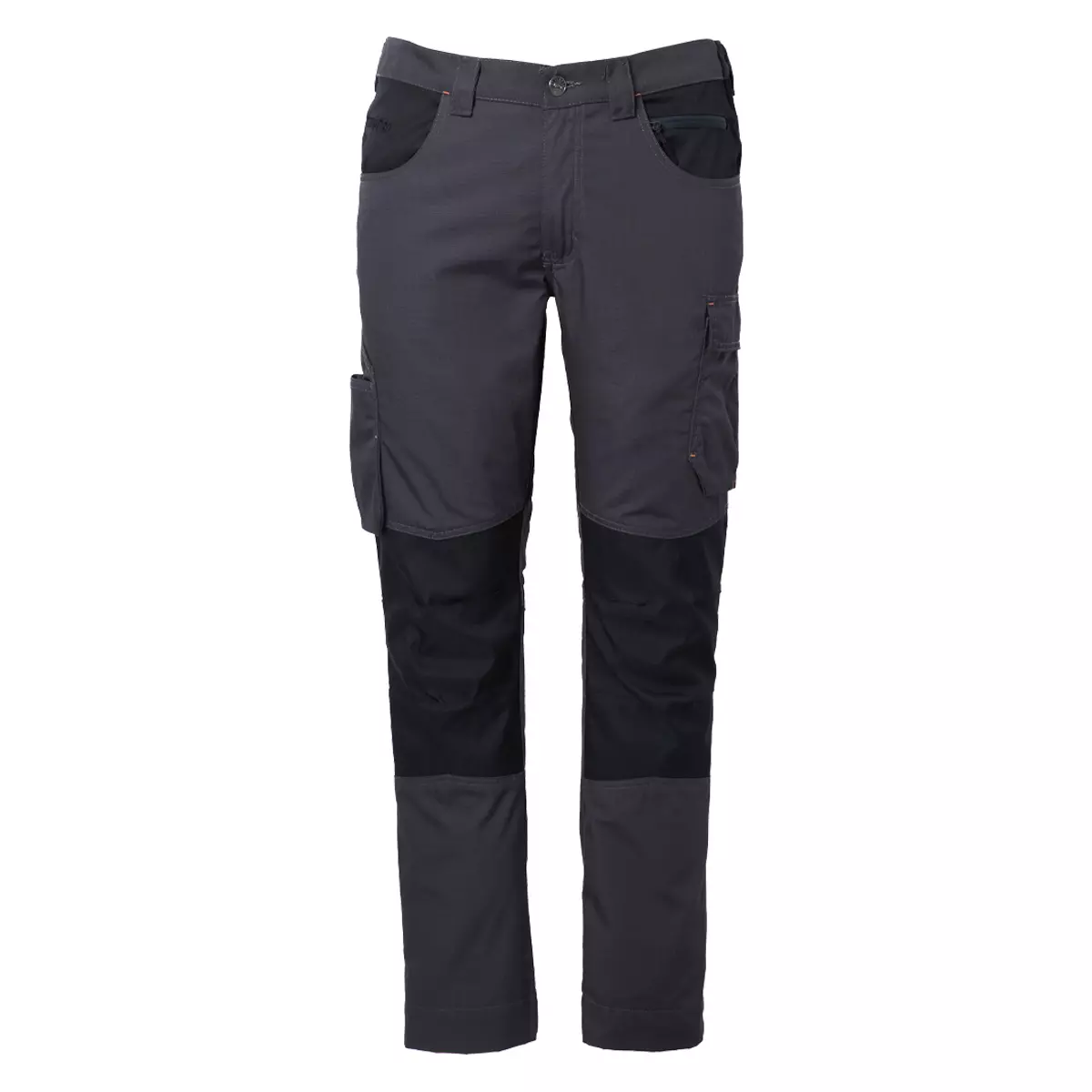
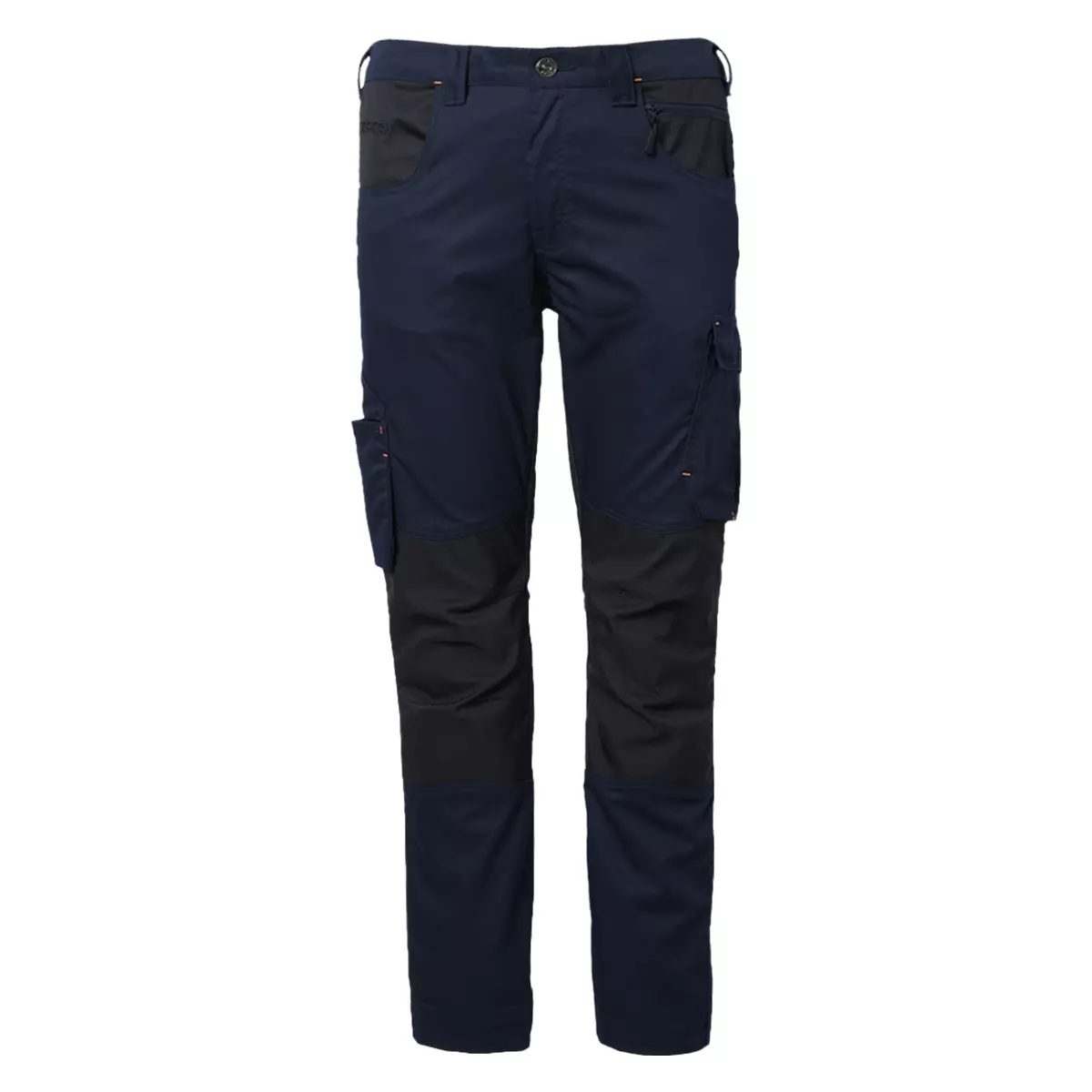
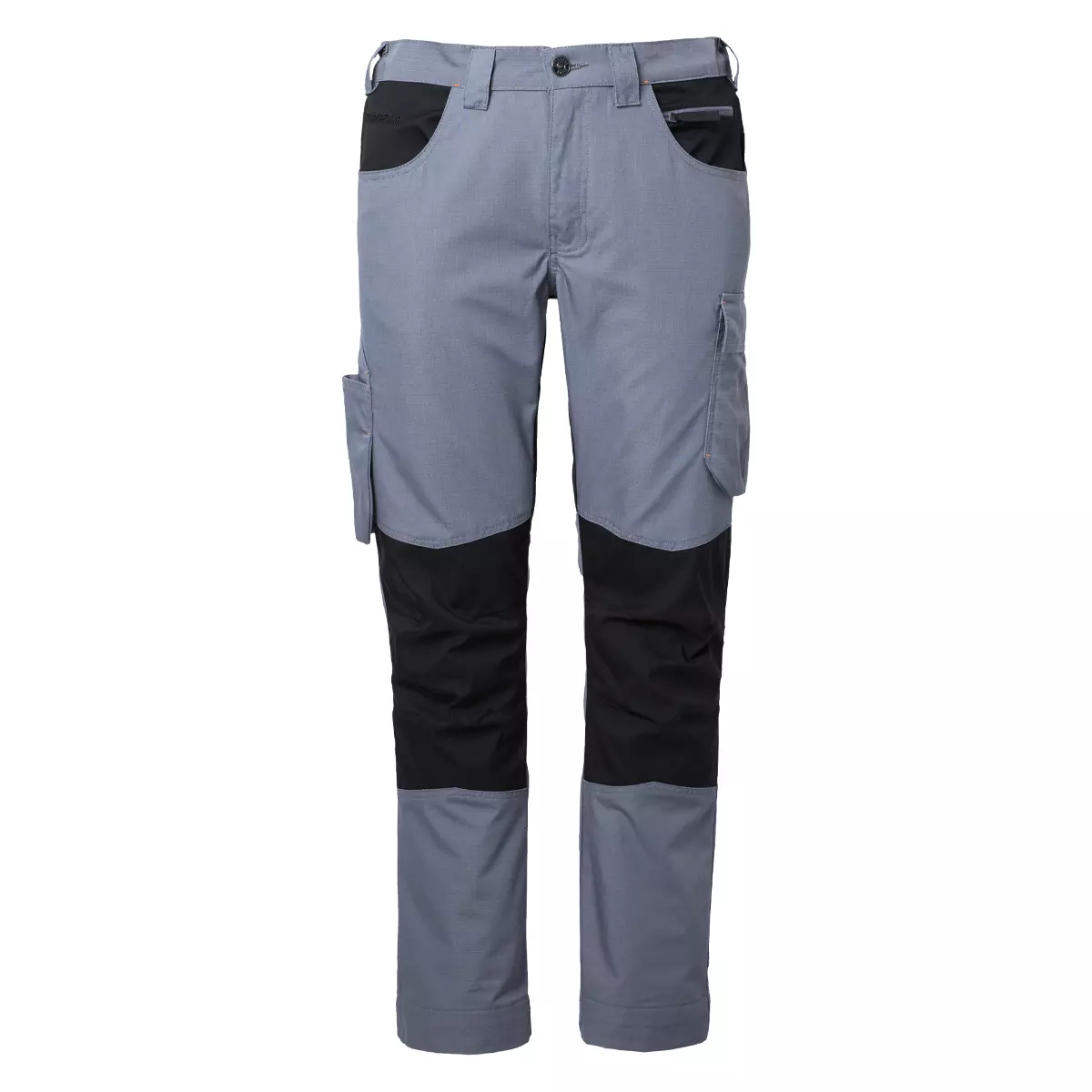
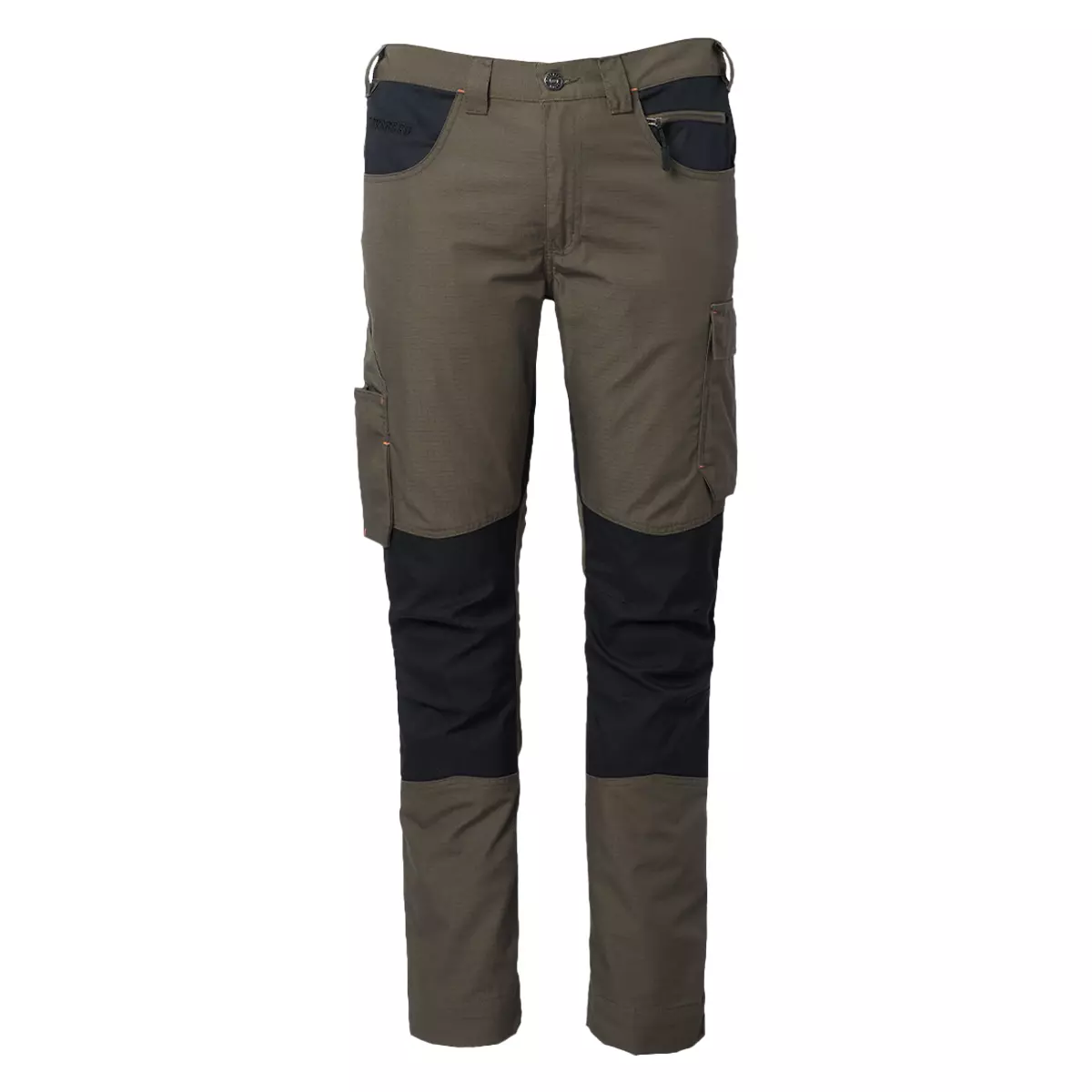
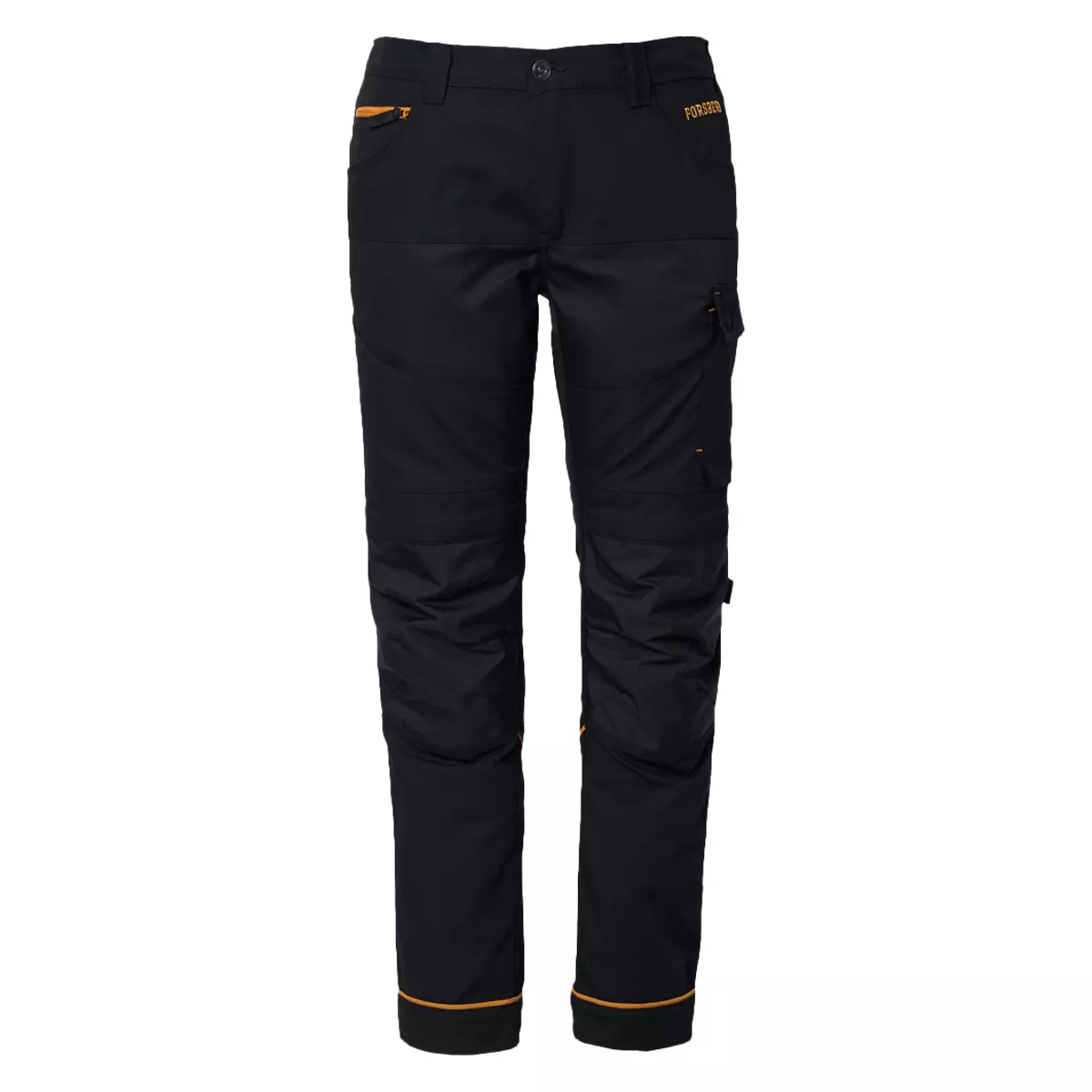
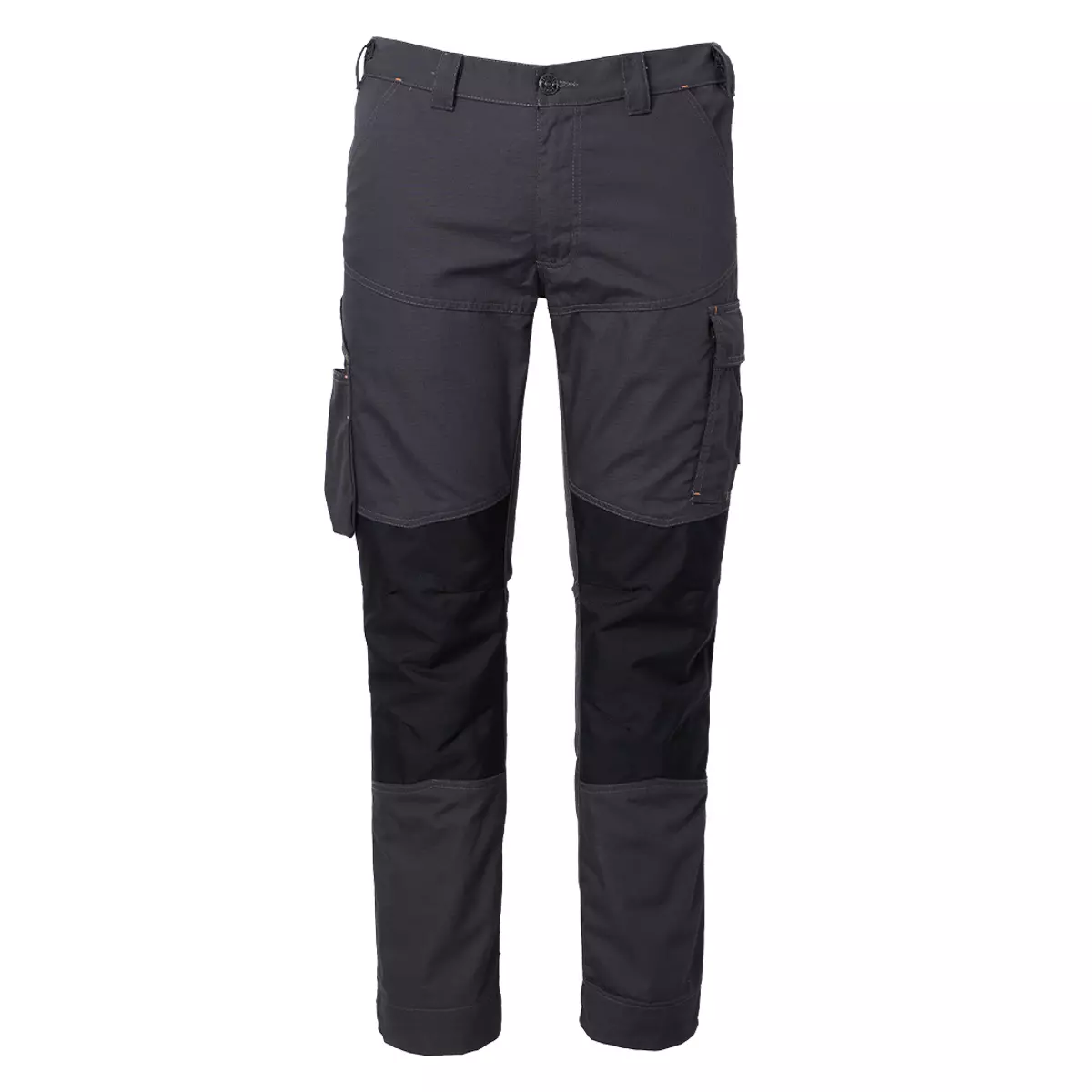
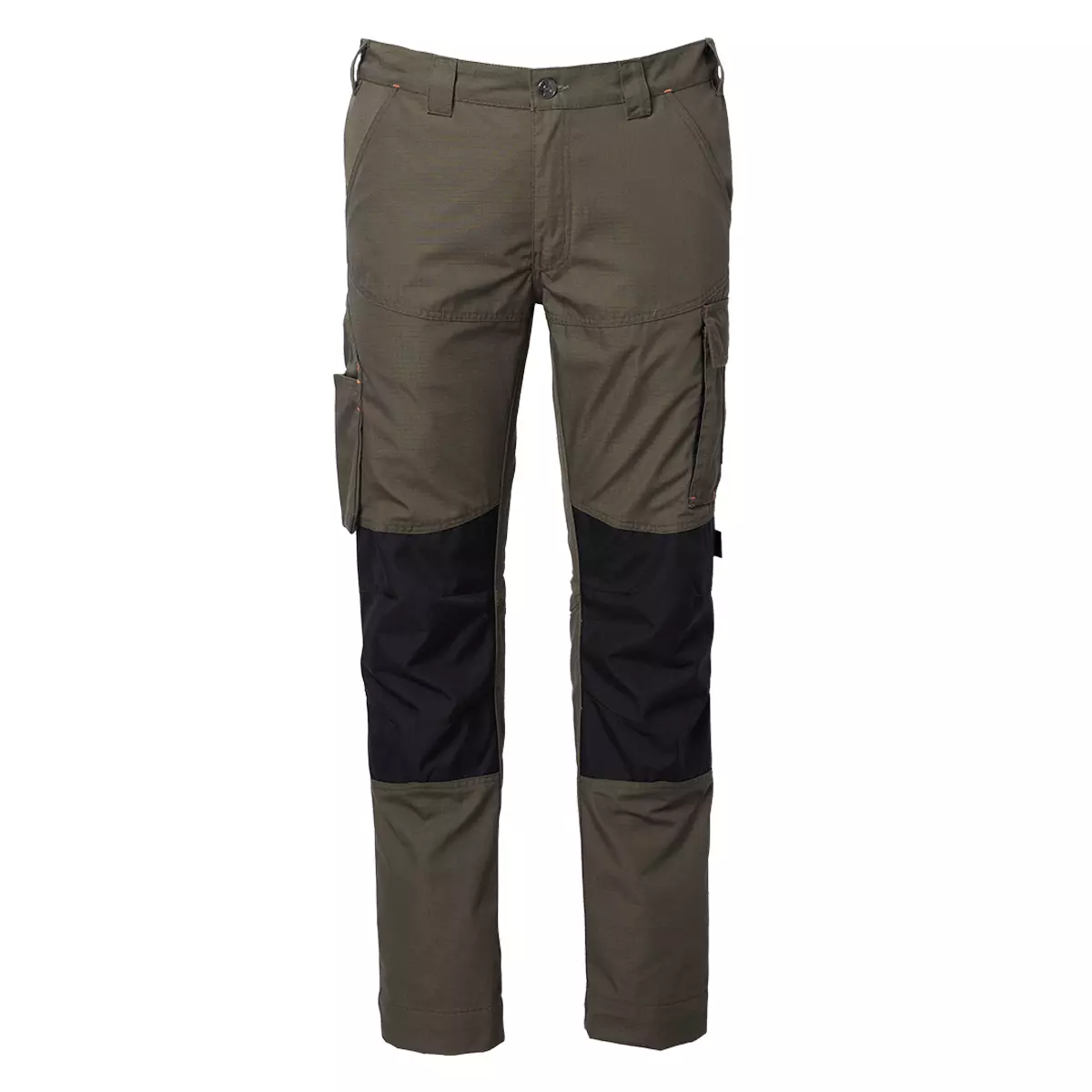
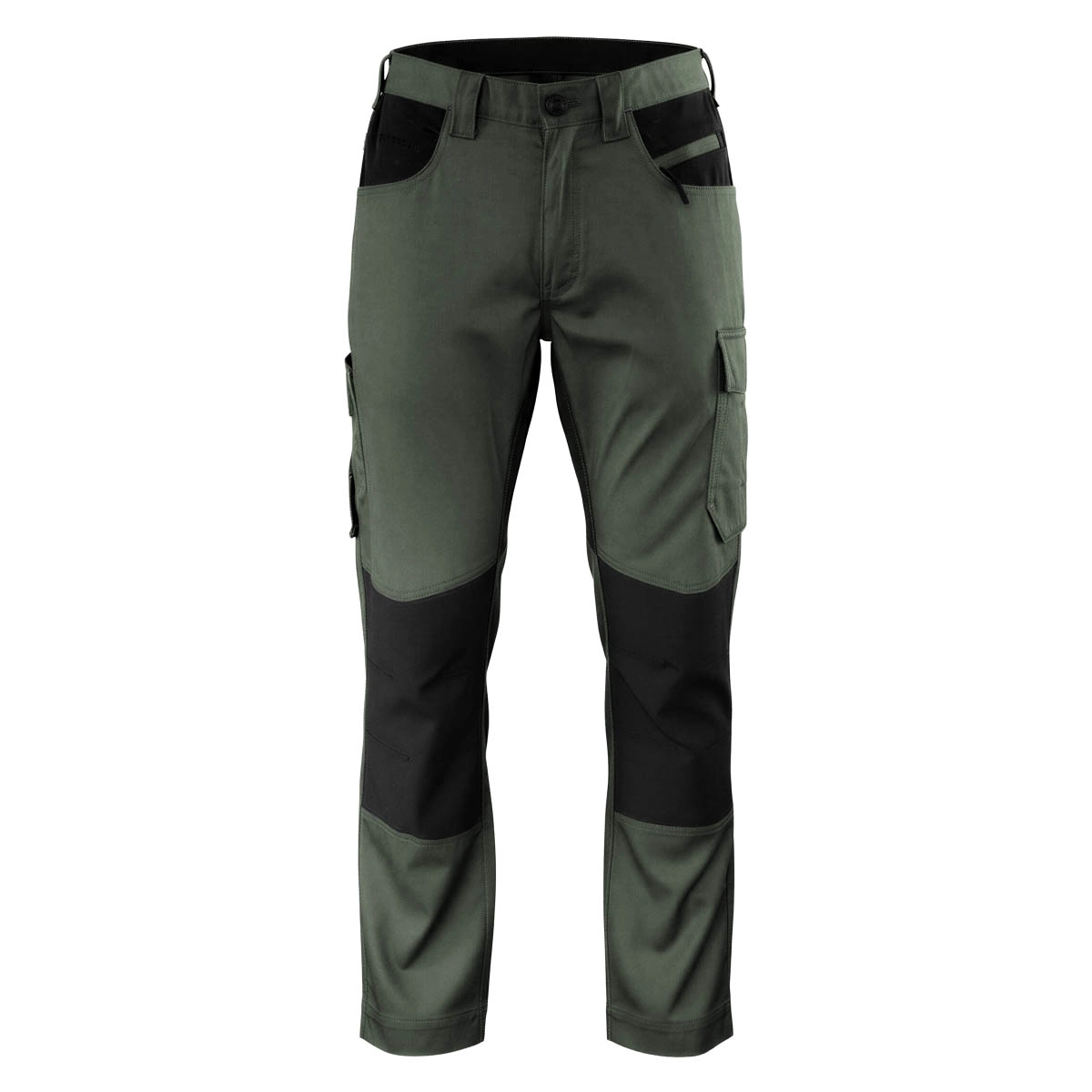
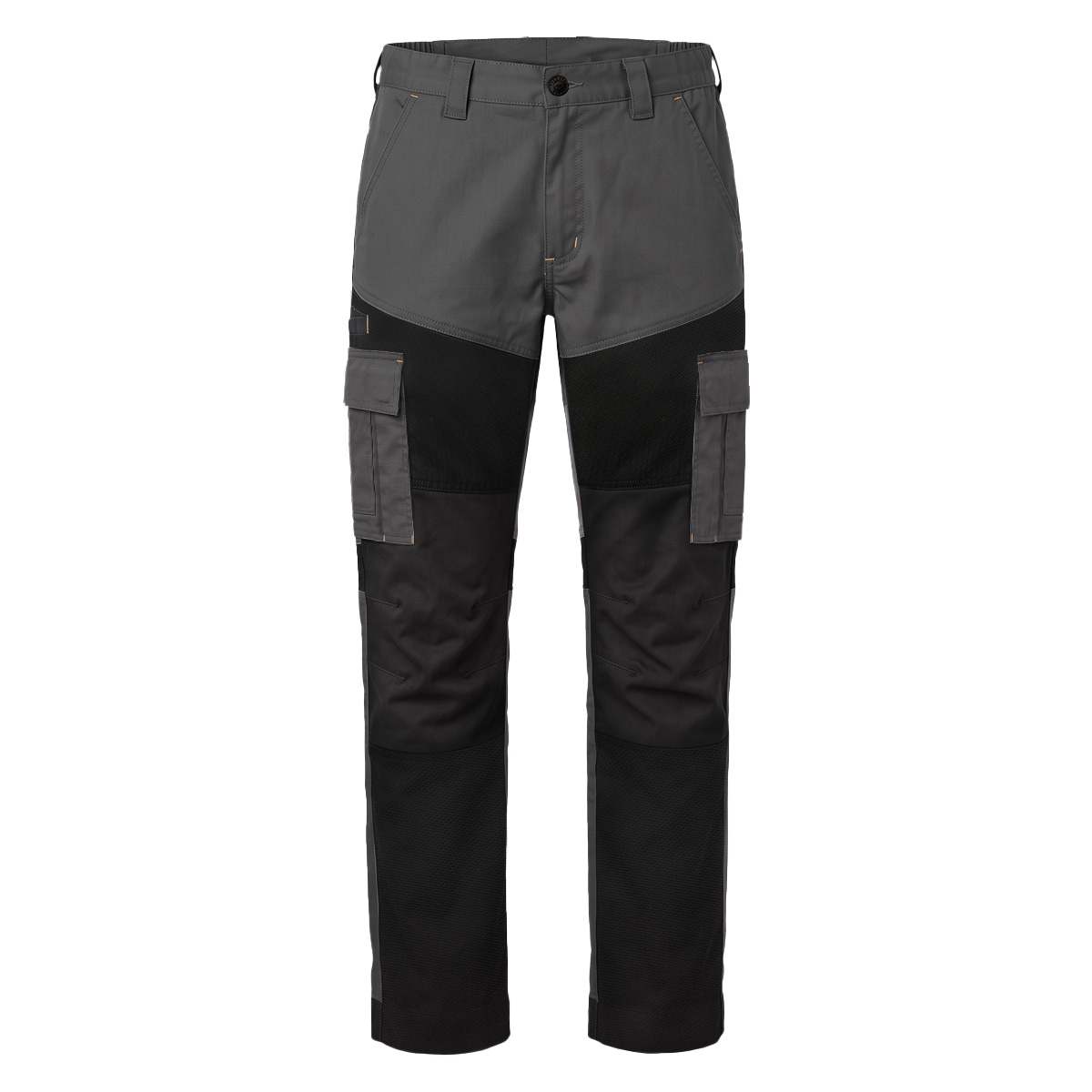
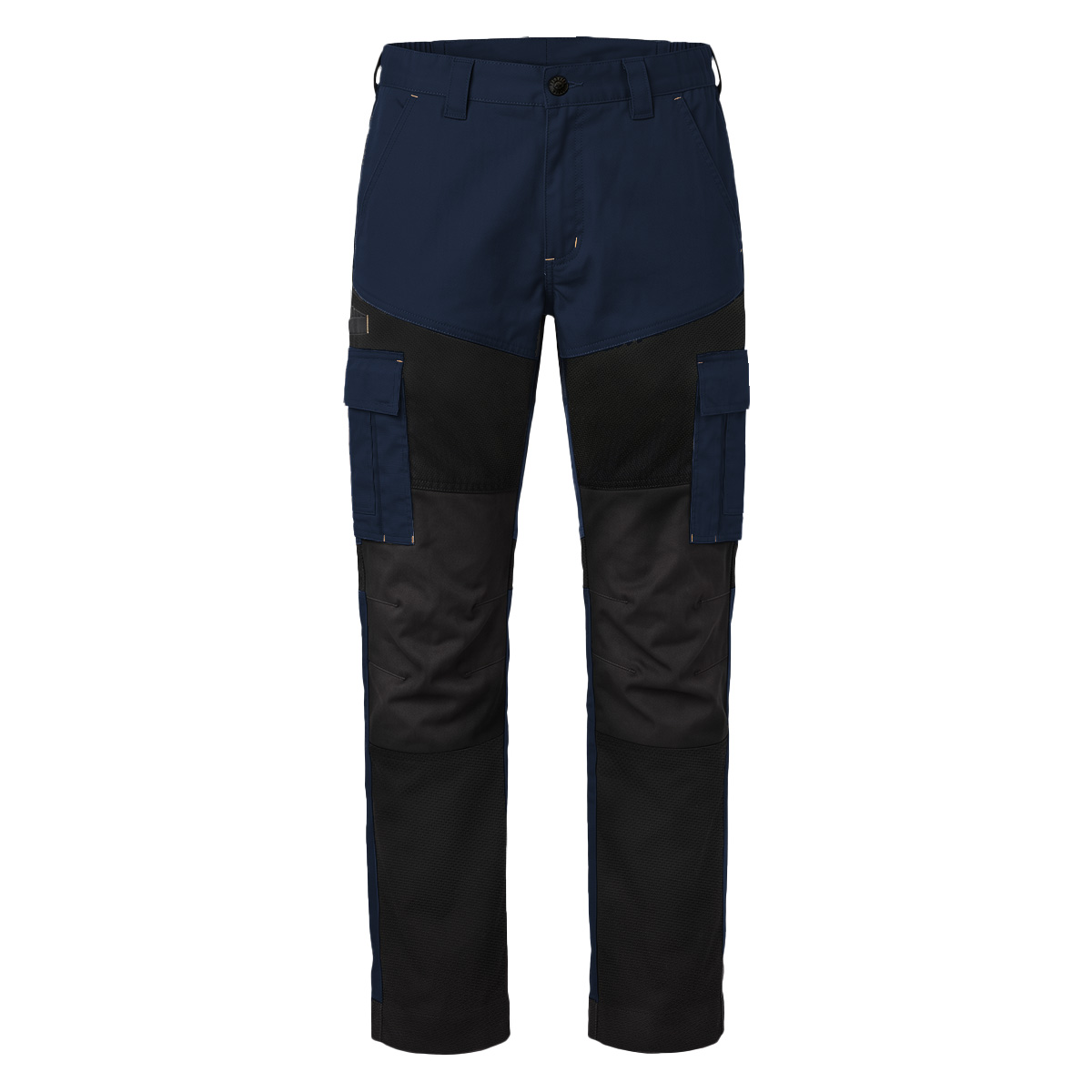
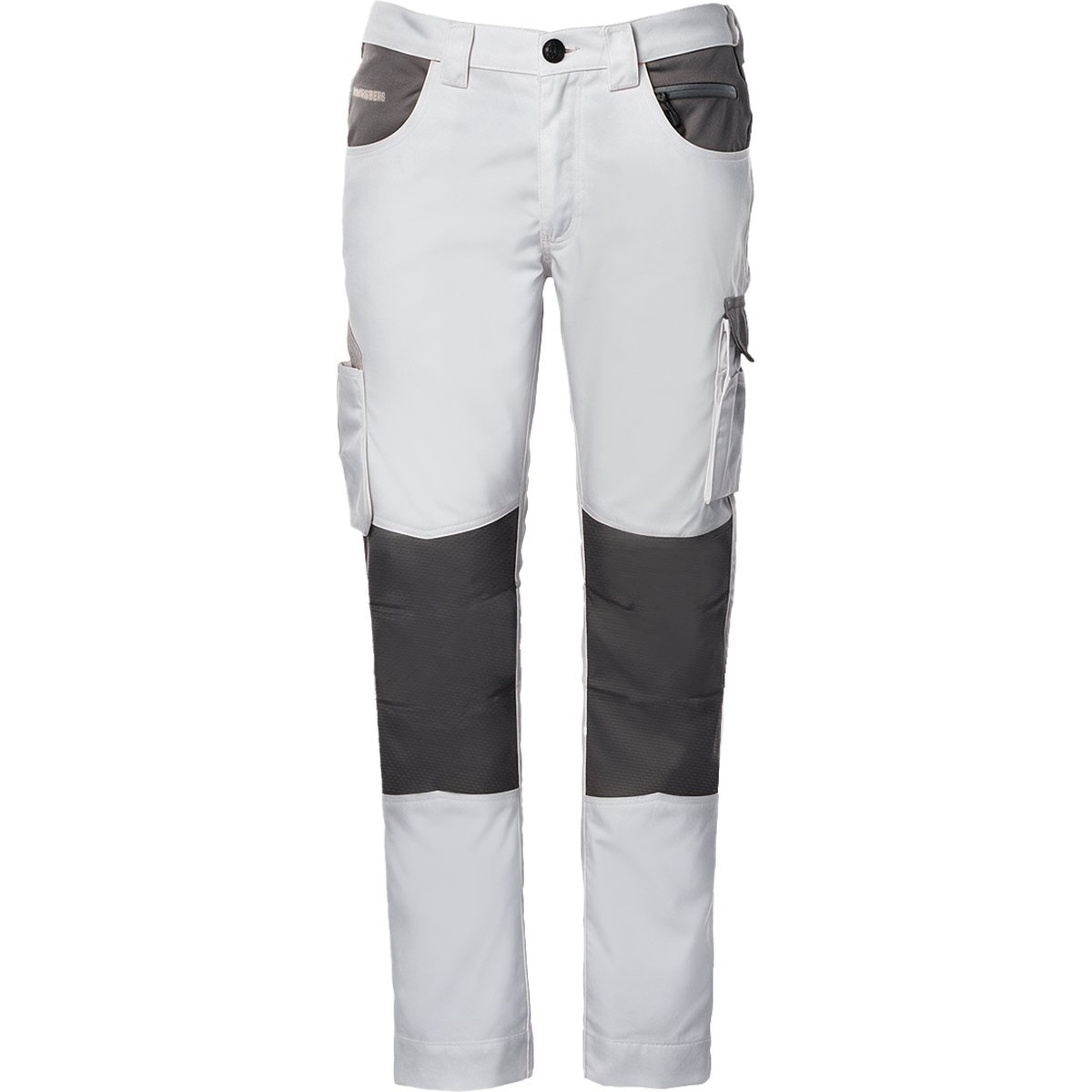
Waistband trousers — work trousers with an integrated elastic or stretch waistband — stay securely at the hip without a belt, which makes them a practical choice for any job that involves constant movement, bending or kneeling. The FORSBERG range combines Scandinavian design with robust construction: reinforced knee areas, DuraMotion® stretch zones and Cordura® panels sit alongside ergonomic cuts built for a full day on site.
What Makes Waistband Trousers Different from Other Work Trousers
A waistband trouser (also called a Bundhose) uses elastic or stretch material woven directly into the waistband. The result is a secure, adjustable fit that moves with you rather than pulling down or bunching up. No belt is needed, which removes a pressure point during long shifts and means the waistband adapts as you crouch, climb or reach overhead. That said, the elastic construction does not replace proper sizing — the fit still depends on choosing the right waist and leg measurement.
Which Materials Matter for Durability and Comfort
The base fabric, the reinforcements and the surface treatment each do a separate job. Knowing which combination suits your work environment saves you from buying twice.
Cordura® is a high-tenacity nylon used for reinforcement patches at the knee, seat and pocket edges. It resists abrasion significantly better than standard polyester–cotton blends, which is why it appears on trousers built for construction, landscaping and mechanical work.
DuraMotion® is FORSBERG's registered technology for reinforced stretch zones — typically panels inserted at the knee and hip that allow a wider range of motion while maintaining the shape and support of the surrounding fabric.
Nylon stretch panels work similarly to DuraMotion® inserts but use a simpler construction. They add flexibility without the same level of reinforcement, making them well suited to lighter outdoor or maintenance work.
DWR (Durable Water Repellent) is a surface treatment applied to the outer fabric. It causes water to bead and run off in light rain or drizzle. DWR is not a substitute for a waterproof membrane — in sustained rain, a DWR-treated trouser will eventually wet through. The coating wears with washing and should be refreshed periodically with a re-impregnation spray, following the care label.
| Material / Technology | Primary Benefit | Typical Use |
|---|---|---|
| Cordura® reinforcements | High abrasion resistance at stress points | Construction, carpentry, landscaping |
| DuraMotion® stretch zones | Reinforced flexibility at knee and hip | Active trades, multi-position work |
| Nylon stretch panels | Lightweight flexibility | Outdoor maintenance, utility jobs |
| DWR surface treatment | Sheds light moisture and dirt | Damp or changeable conditions |
| Elastic waistband construction | Secure, belt-free fit | All-day wear across all trades |
Which Waistband Trouser for Which Job
The right choice depends on how much physical stress the fabric takes each day and what the weather is likely to do.
For heavy trades — construction, concrete work, carpentry — Cordura® reinforcements at the knee and seat extend service life where the fabric takes the most punishment. Paired with DuraMotion® stretch zones, the trouser handles both rough surfaces and constant movement without the knee panels cracking or peeling.
For outdoor and landscaping work, a lighter stretch construction with DWR treatment covers the majority of days. Full-stretch trousers keep pace with varied terrain, while DWR sheds morning dew or light showers without adding bulk.
For workshop and mechanical work, the priority shifts to pocket layout and fit. Deep thigh pockets, a secure waistband that does not catch on machinery and abrasion resistance at the seat make the difference over a long shift.
For outdoor and utility roles where visibility matters, high-visibility waistband trousers with DuraMotion® stretch zones meet the requirements of EN ISO 20471 — worth checking against your employer's risk assessment when working near traffic or plant machinery.
The FORSBERG Waistband Trouser Range
The products below are drawn directly from the current FORSBERG assortment. Each model sits in a different part of the range, so the choice comes down to construction type, stretch level and reinforcement.
Halpa Work Pants
The Halpa is the straightforward entry into the range — a practical work pant without complex technology, built for everyday tasks where budget and basic durability are the priorities.
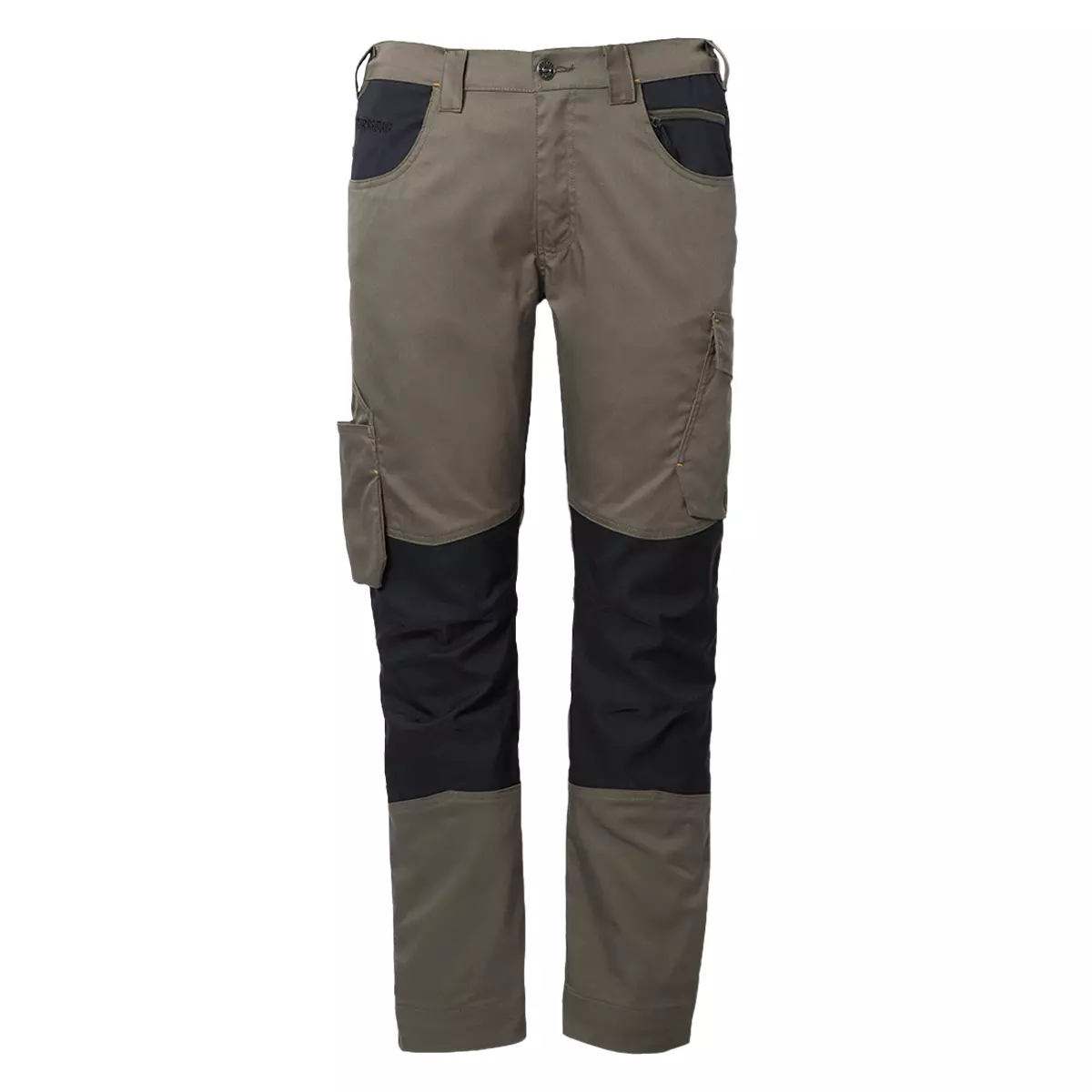
Buxa Work Trousers with Cordura®
The Buxa uses Cordura® reinforcements at the high-wear zones. It suits trades where the knee and seat areas take sustained abrasion — carpentry, site work, landscaping. The Buxa II is also available in the range.
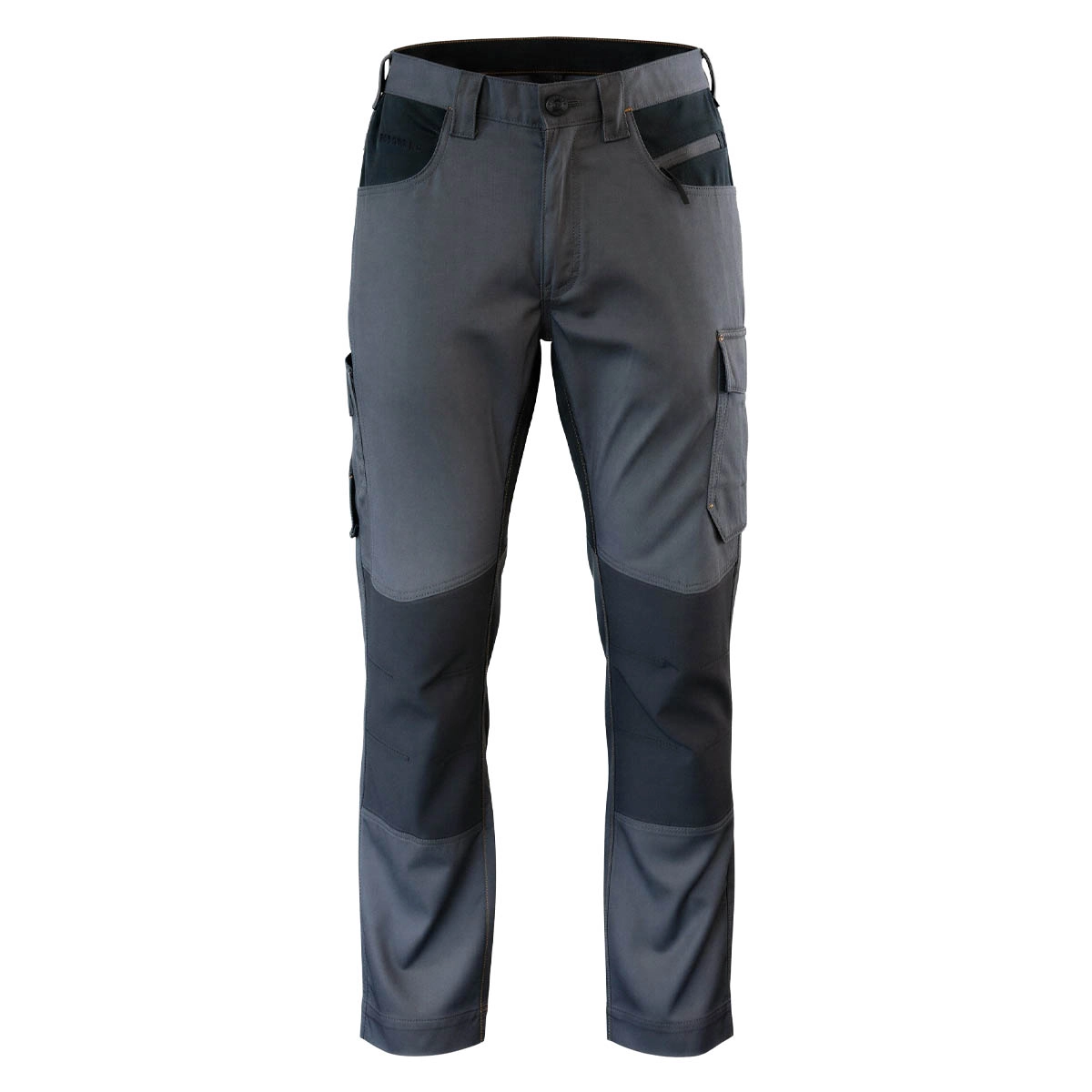
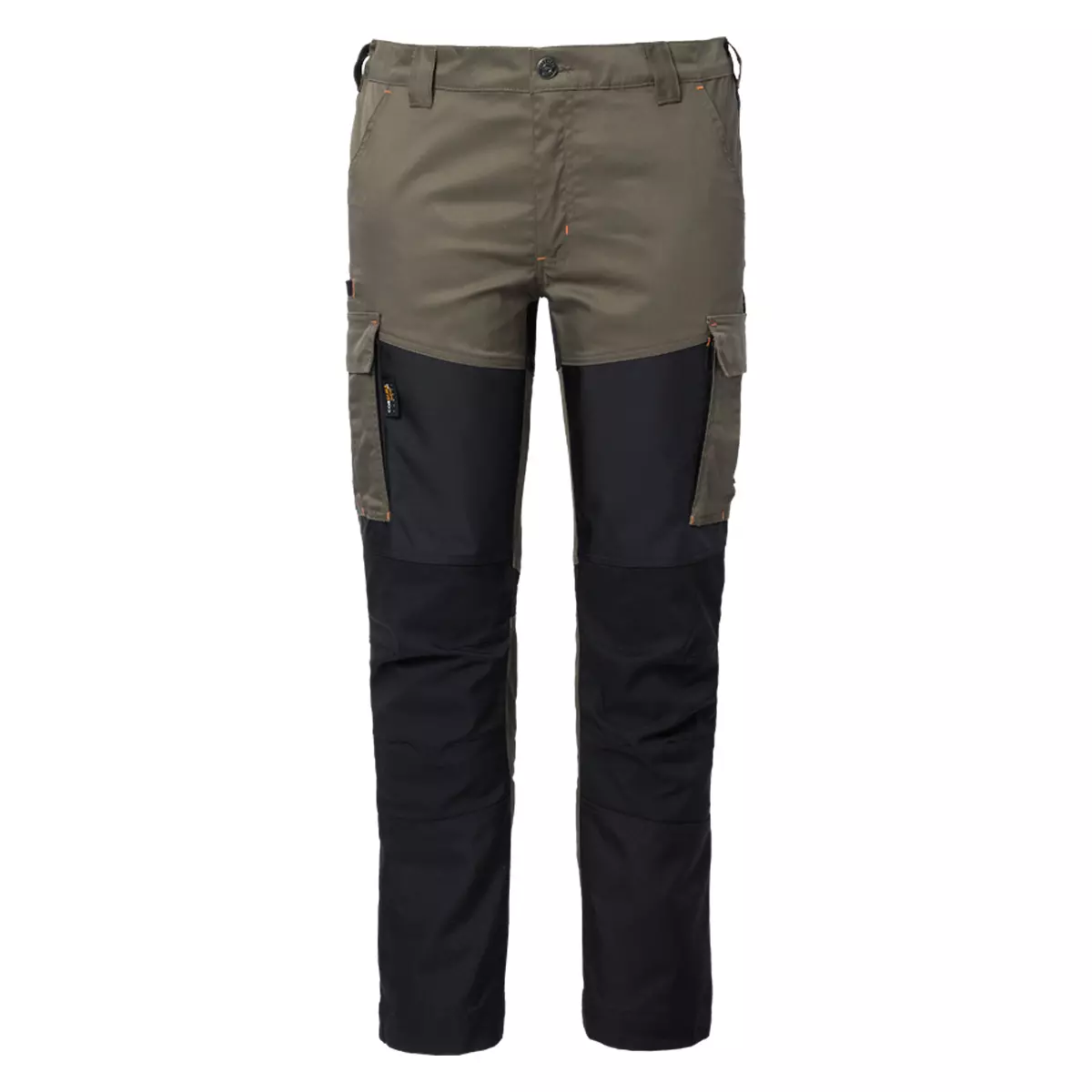
Braxa Work Trousers with DuraMotion® Stretch Zones and Reinforced Knee Area
The Braxa combines DuraMotion® stretch zones with reinforced knee panels, which makes it one of the more versatile constructions in the range — durable where it needs to be, flexible where movement matters. The Braxa II is also available.
Lutsman Work Trousers with Movement Zones and Nylon Stretch
The Lutsman uses nylon stretch movement zones for a lighter, more flexible feel. It works well for outdoor maintenance and utility jobs where agility takes priority over heavy-duty reinforcement.
Ativa Full-Stretch Work Trousers with DuraMotion®
The Ativa is built around full-stretch construction with DuraMotion® panels — the choice when unrestricted range of motion is the main requirement across a long, active shift.
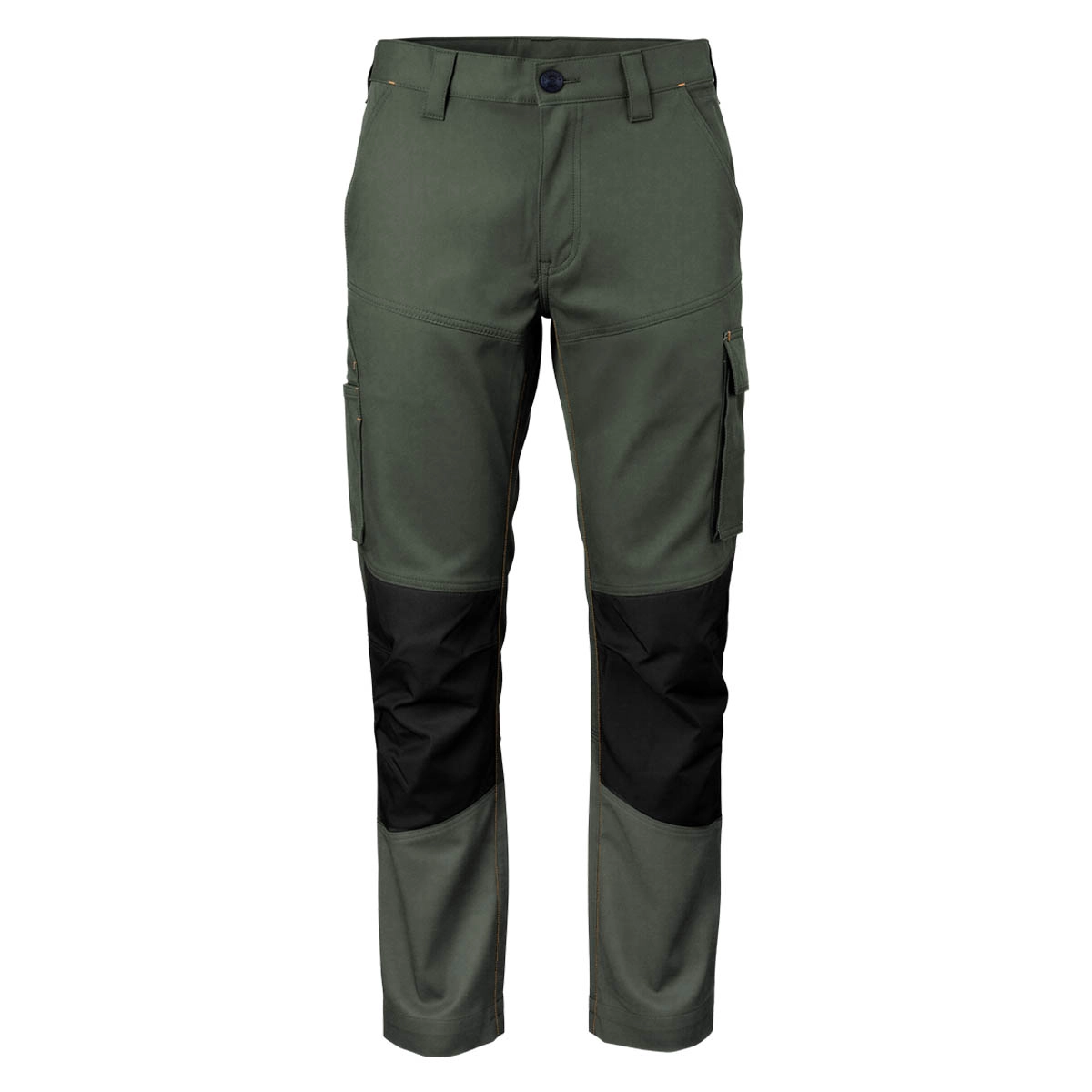
Vildmark Extremely Robust and Elastic Outdoor Pants
The Vildmark adds outdoor-specific features to a robust elastic construction, designed for changeable conditions and rough terrain.
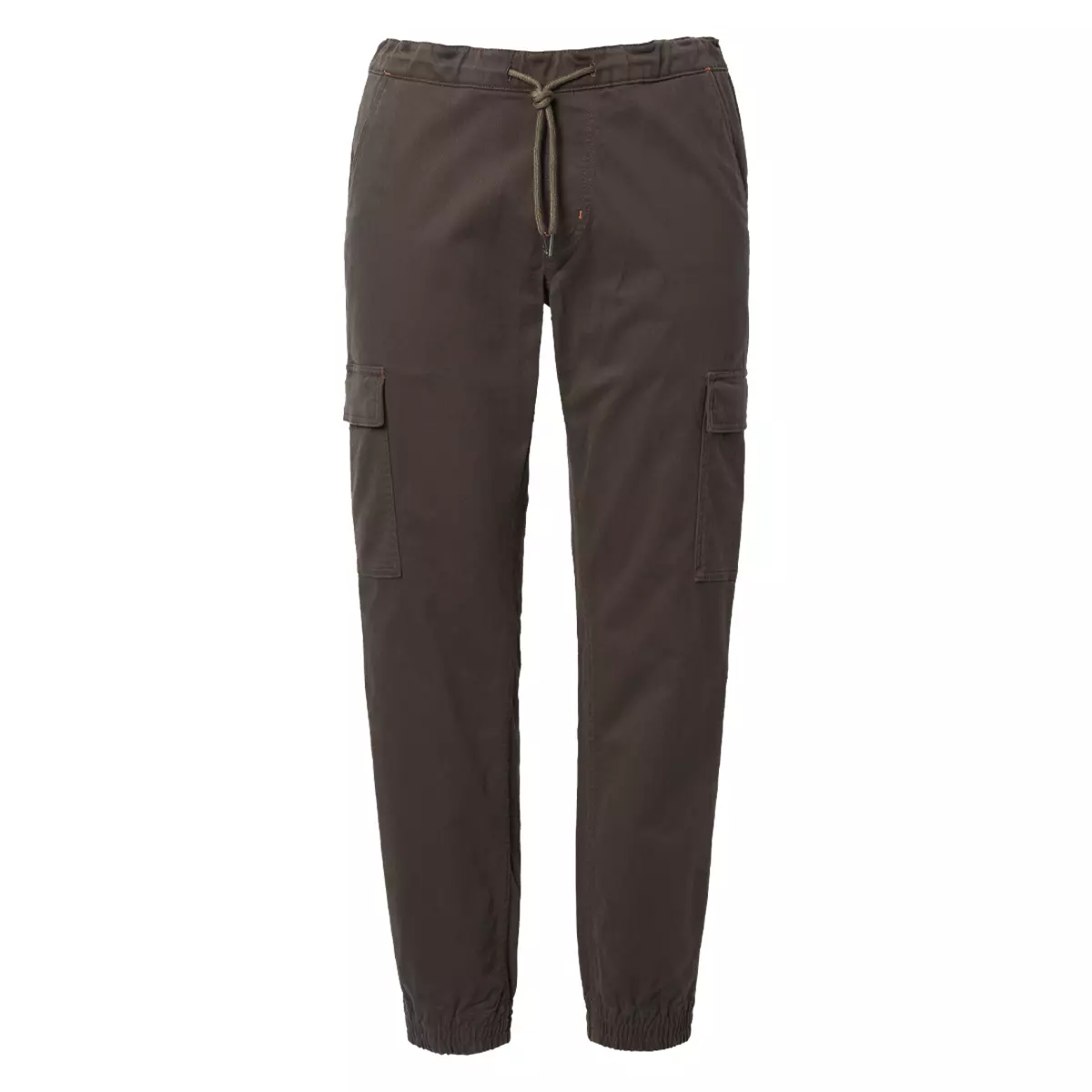
Stylish Cargo Jogger Pants
A cargo jogger cut with practical pockets — suited to roles where a more relaxed silhouette is acceptable alongside the functional requirements of a work environment.
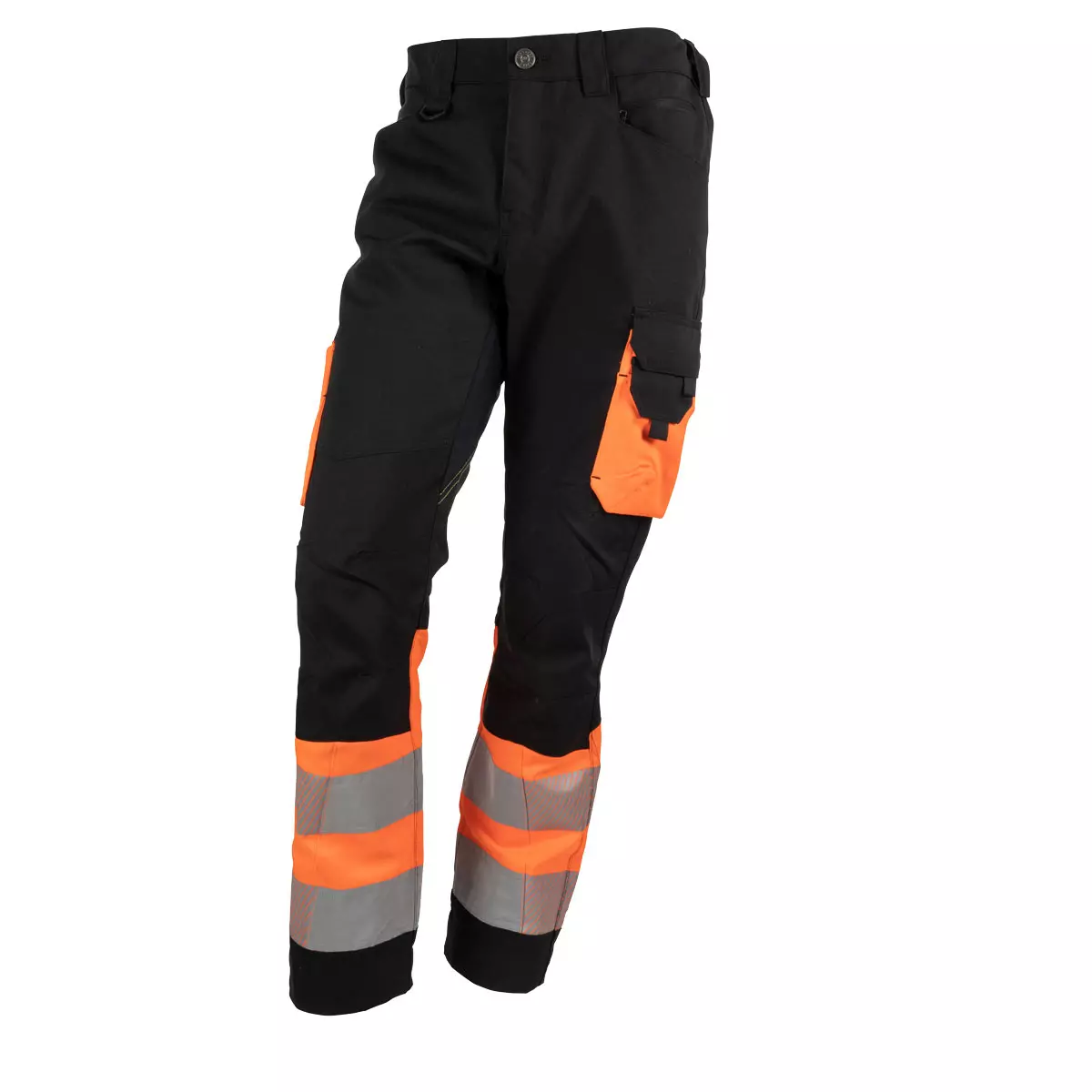
High-Visibility Trousers with DuraMotion® Stretch Zones
High-vis waistband trousers built to EN ISO 20471, with DuraMotion® stretch zones for active wear. Relevant for roadworks, site work near traffic or any role where a risk assessment calls for high-visibility lower-body garments.
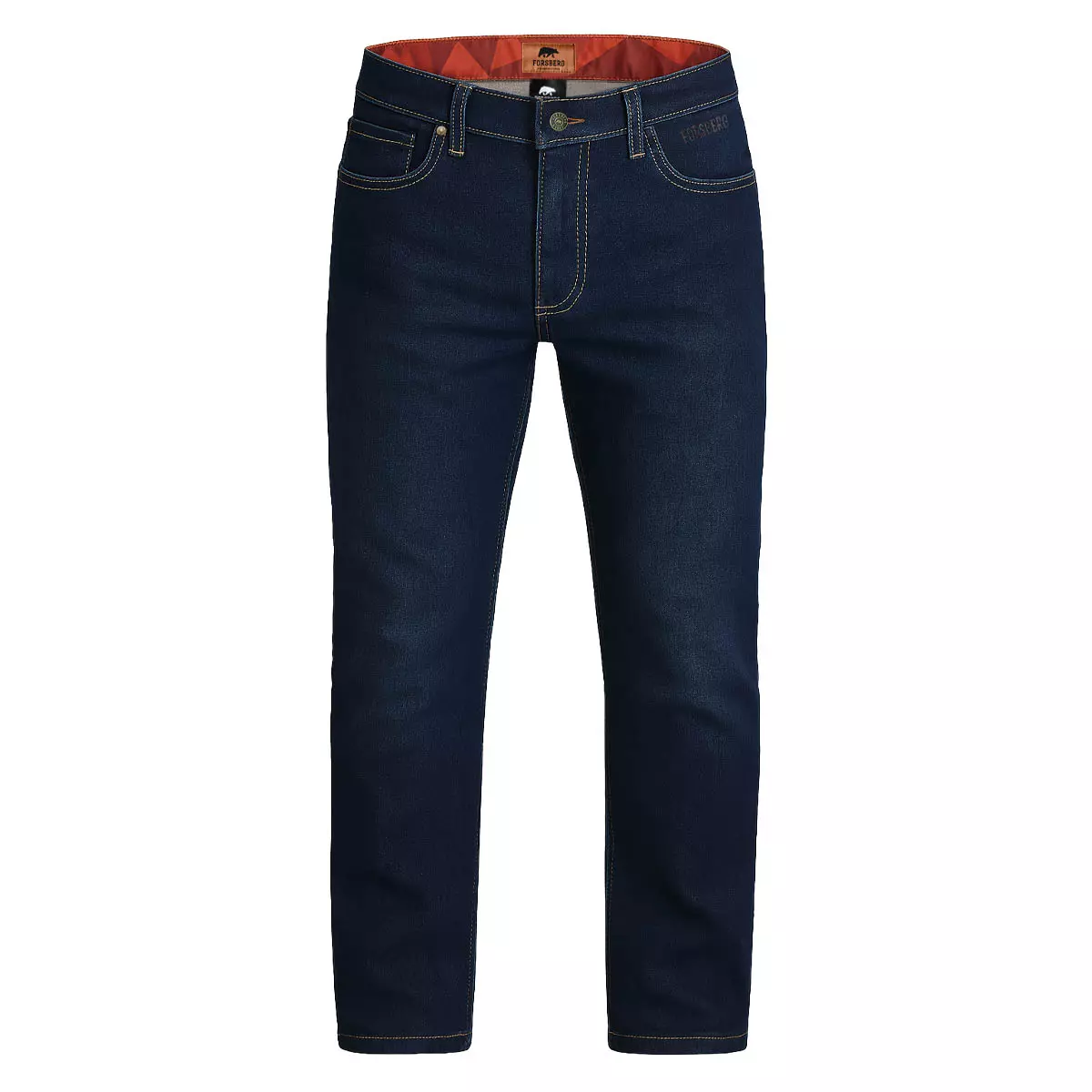
Denim 5 Pocket Jeans – Stylish, Comfortable for Every Occasion
A denim cut for environments where a more relaxed, everyday look is required alongside basic durability.
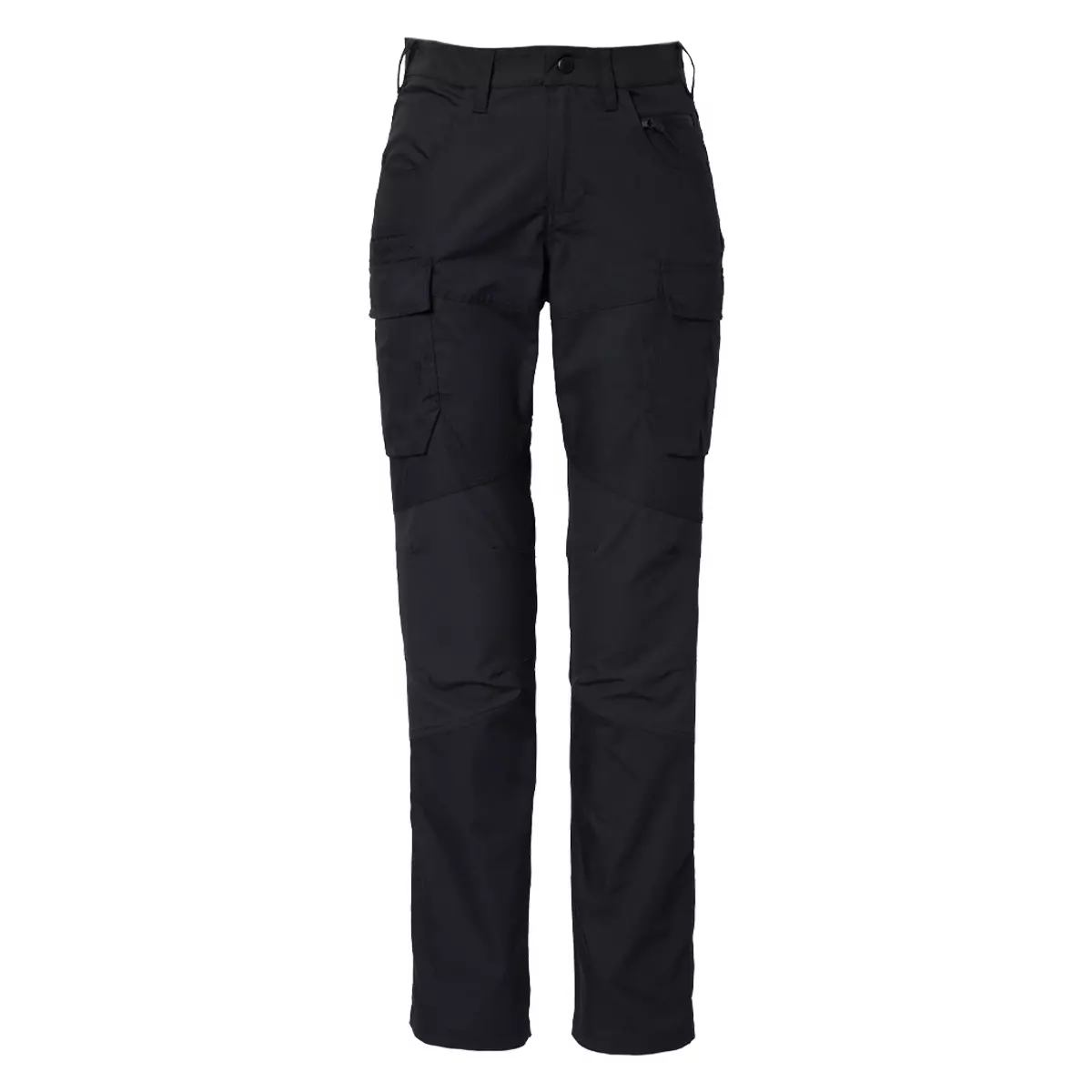
Lightweight Women's Trousers with Stretch
A stretch construction cut specifically for women — lighter weight with a fit designed around a different body geometry than the standard unisex patterns.
How to Care for Waistband Work Trousers
A consistent care routine keeps the fabric, reinforcements and DWR treatment performing for longer. Before washing, close all zips, fasten buttons and hook-and-loop straps, then empty every pocket. A quick brush to remove loose dirt protects the drum and the fabric alike.
Machine wash at 30–40 °C on a gentle programme using a mild technical detergent — avoid fabric softeners and biological detergents, both of which degrade DWR coatings and elastic fibres over time. Do not overload the machine; the trousers need room to move freely in the drum.
If water stops beading on the surface after washing, the DWR coating needs refreshing. Tumble drying on a low heat or ironing on a low setting can reactivate residual DWR, but for a more thorough result, apply a re-impregnation spray after washing and follow the product instructions. Always check the care label on the specific garment before using any treatment.
Turn the trousers inside out before washing to protect the outer reinforcements and any reflective details. Store them unfolded or loosely rolled — extended compression at the same point can stress elastic waistband fibres over time.
FAQ
Do waistband trousers need a belt?
No. The elastic or stretch waistband construction holds the trousers securely at the hip without a belt. Some models include belt loops for those who prefer the additional support, but the waistband itself is designed to function independently.
Can DWR-treated waistband trousers replace waterproof over-trousers in heavy rain?
No — DWR (Durable Water Repellent) sheds light moisture and surface dirt, but it is not a waterproof membrane. In sustained rain, a DWR-treated fabric will wet through. For prolonged exposure to rain, waterproof over-trousers or a fully laminated shell are the appropriate choice.
Are high-visibility waistband trousers always required on construction sites?
Whether high-visibility lower-body garments are required depends on the employer's risk assessment for the specific site and task, not on a blanket rule. EN ISO 20471 defines the visibility classes — your employer or site manager can confirm whether the risk assessment calls for high-vis trousers in your role.
Written by Sabrina Merkle, Dispatcher — Last updated: 21. August 2026
