








Caps & Hats – Overview & Buying Guide
Why Caps & Hats?
Caps and hats are compact, practical wardrobe pieces that do a lot: shield you from the sun, keep you warm, tame hair and finish off work or casual outfits. Professionally, they keep hair out of the face on construction sites, in warehouses or on outdoor jobs; for leisure they reduce glare and add personality. The range runs from ventilated trucker caps and snapbacks to knitted beanies and loop neck warmers — each design answers different needs for comfort, protection and style.
Who they suit
- Tradespeople and outdoor workers who need sun or cold protection.
- Office staff and service teams looking for branded teamwear.
- Weekend cyclists, gardeners and travellers seeking compact head protection.
Benefits at a glance
- Protection: sun visors, insulated crowns or ear coverage for cold.
- Comfort: breathable mesh, elastic knit or soft merino for next-to-skin comfort.
- Durability: sturdy fabrics and reinforced seams for everyday use.
- Functionality: adjustable closures, moisture-managing fibres and easy-care finishes.
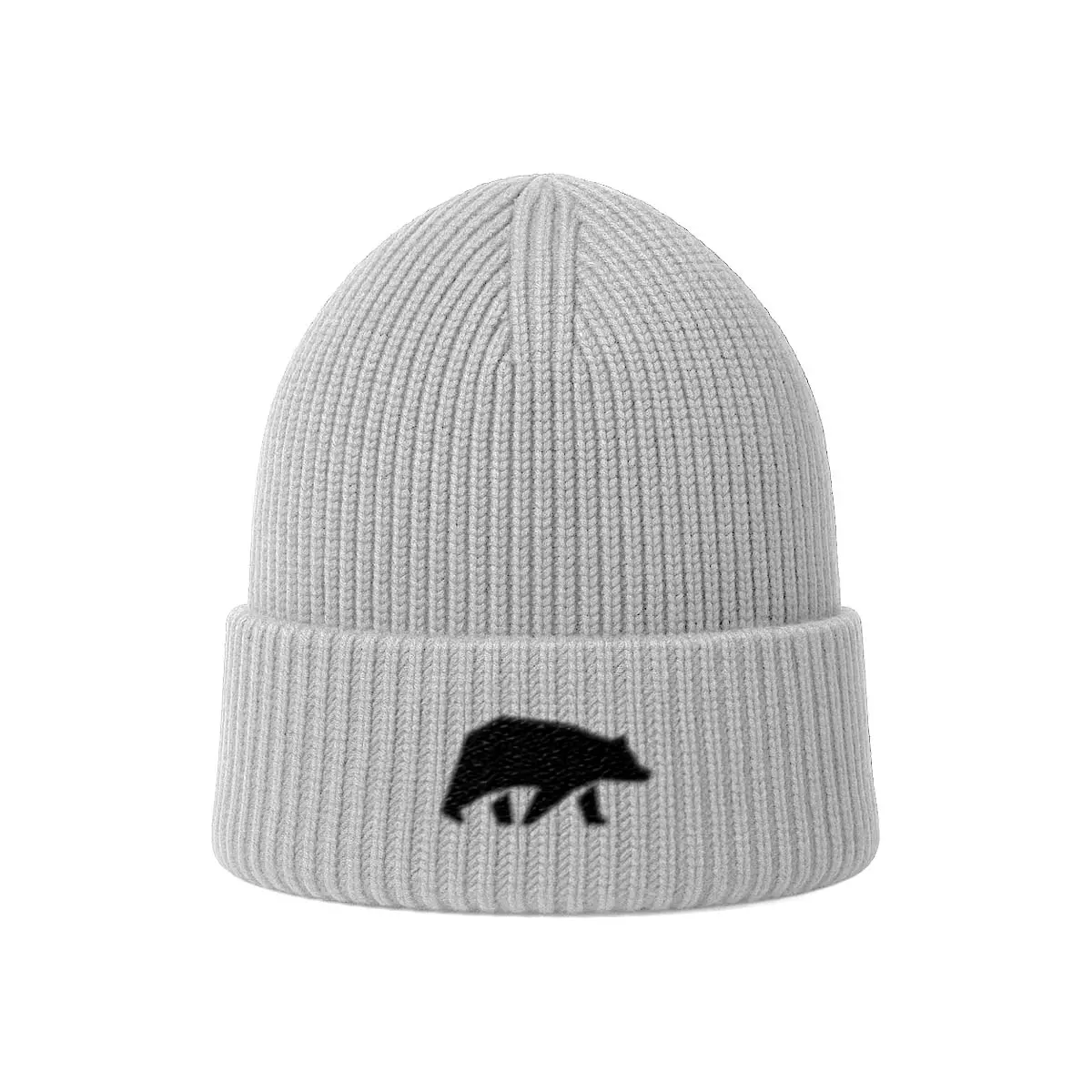
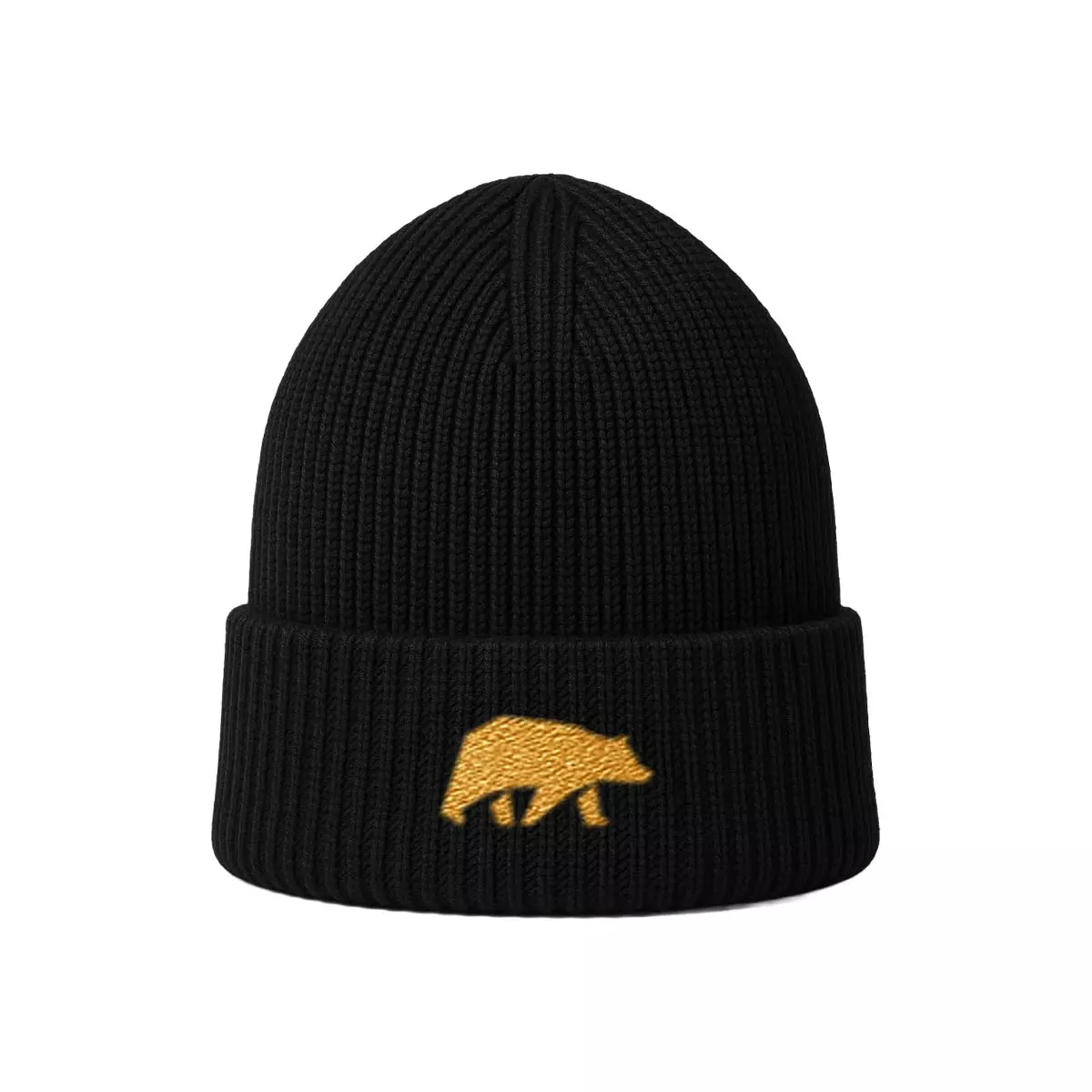
(from the current Forsberg assortment you can see a clear split between ventilated summer caps and insulating winter beanies and neck warmers.)
Which materials and technologies are relevant for Caps & Hats?
Understanding materials helps you choose the right headgear for the task.
Common materials
- Cotton: soft, comfortable and breathable; great for everyday caps but slower to dry.
- Polyester / technical blends: lightweight, quick-drying and abrasion-resistant — common in work caps and snapbacks.
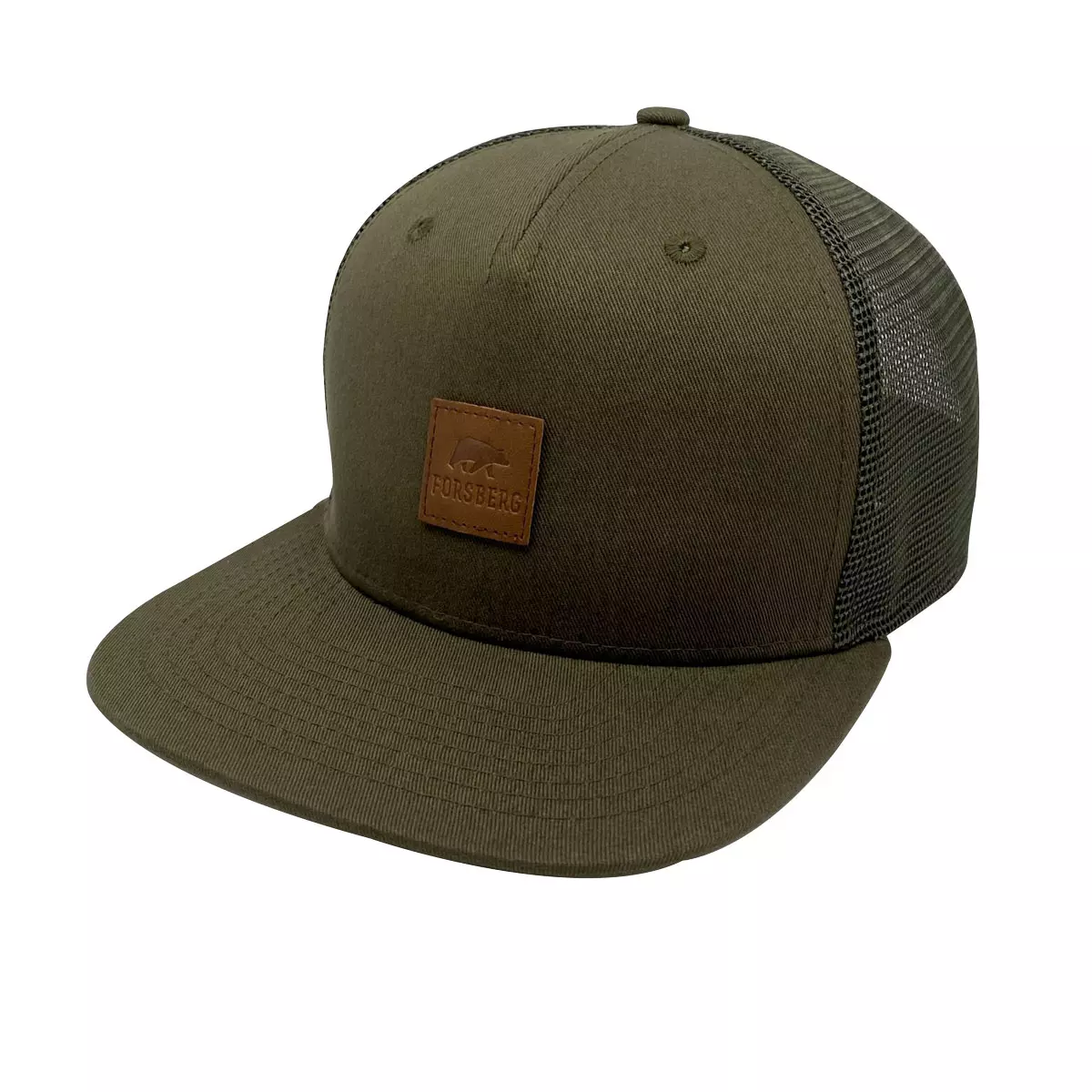
- Mesh (polyester net): used in trucker caps for airflow and cooling (see the olive-colored cap with mesh fabric).
- Merino wool: a natural fibre that insulates well and controls odour; used in knit beanies such as the Lumar Knit Beanie Merino.
- Acrylic: an affordable knit fibre that holds shape and warmth in many beanies.
Technologies & constructions
- Snapback / adjustable strap: a simple, durable way to adjust head size on many caps.
- Trucker construction: foam or fabric front with a mesh rear panel for ventilation.
- Knit constructions: single-layer vs. double-layer knits — double-layer gives more insulation and wind protection.
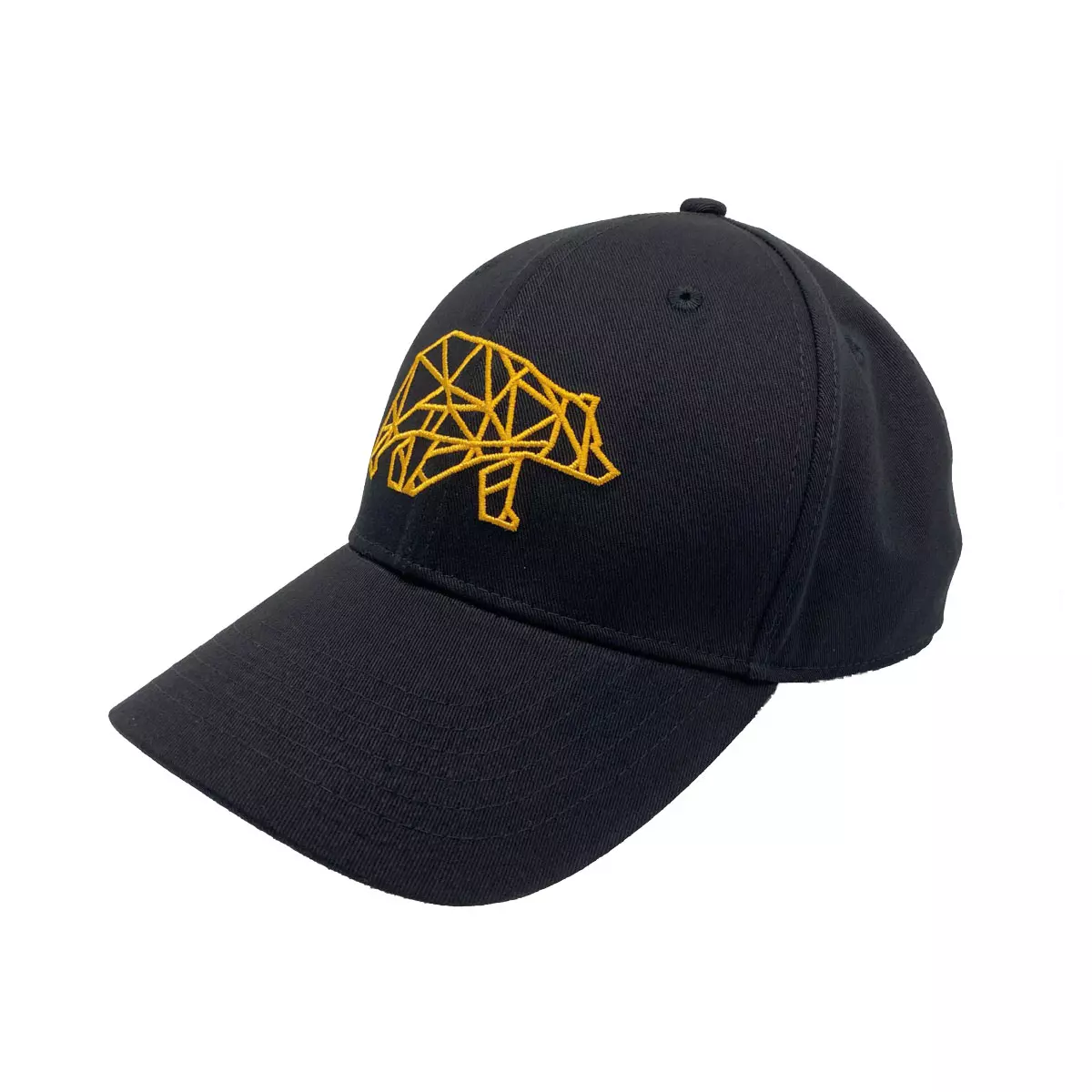
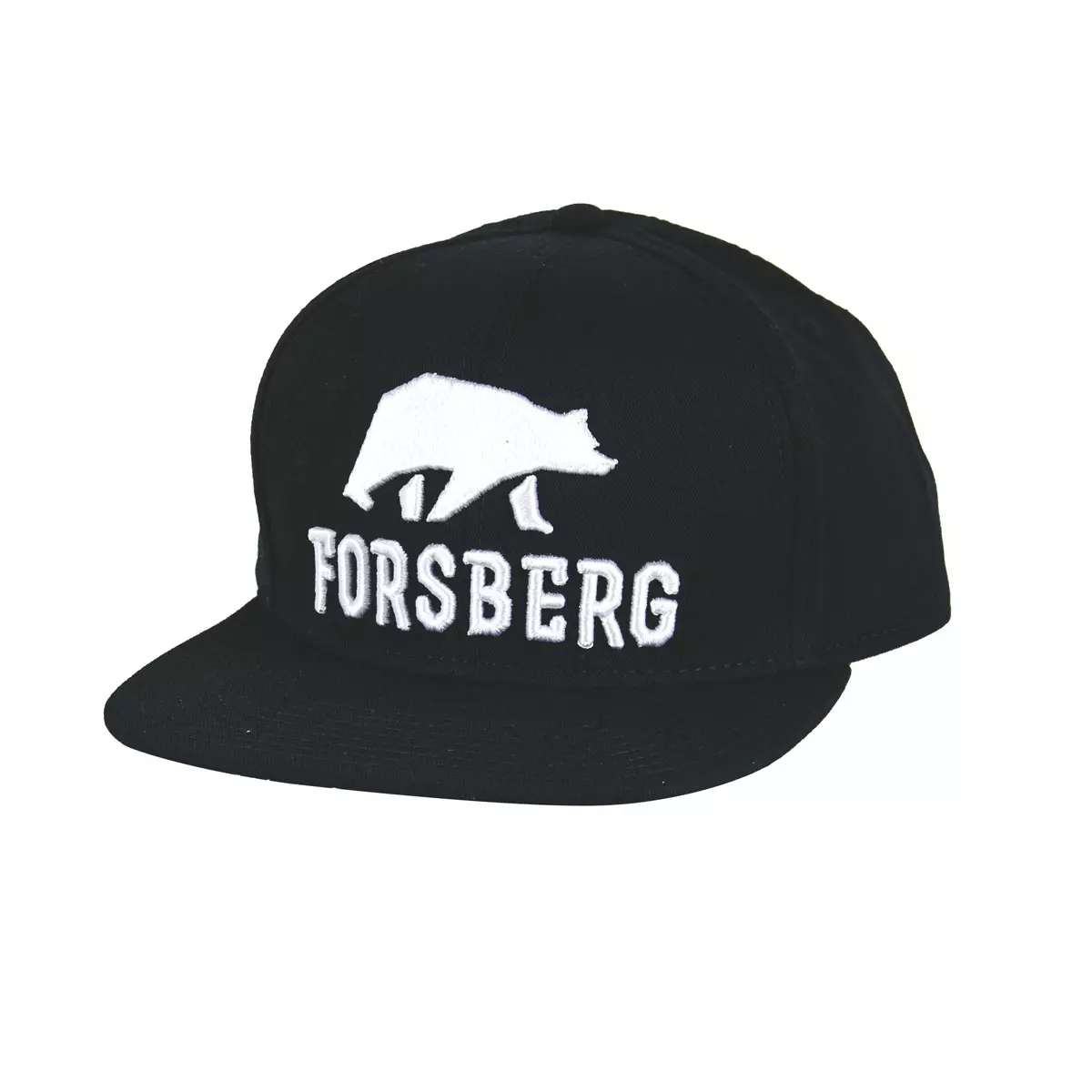
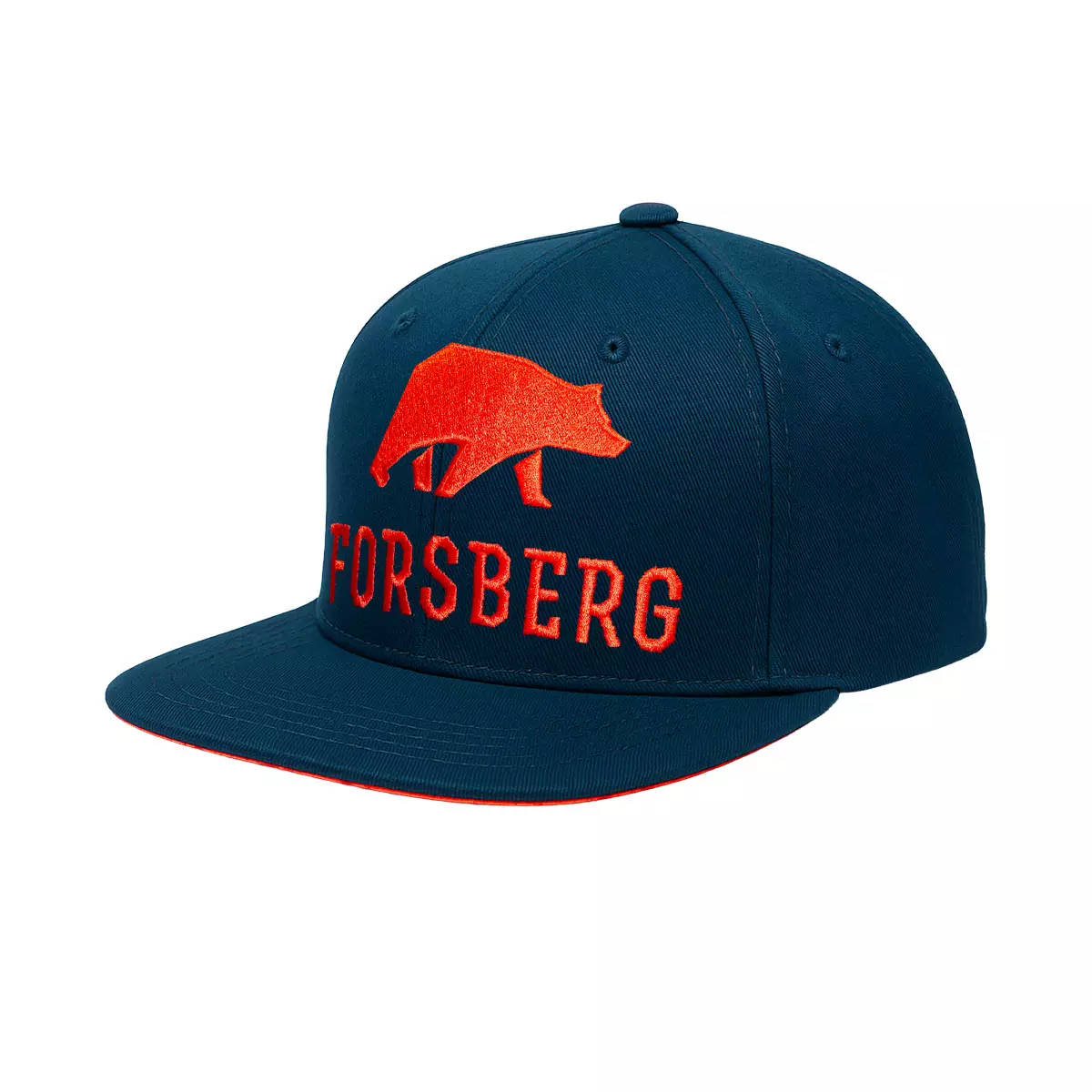
- Logos & finishes: embroidered or 3D printed logos (for example, the FORSBERG Snapback cap with white 3D logo) that last and look polished.
Practical product examples from the current range
- FORSBERG™ olive-colored cap with mesh fabric — ventilated, adjustable, ideal for warm-weather work (listed at €24.99).
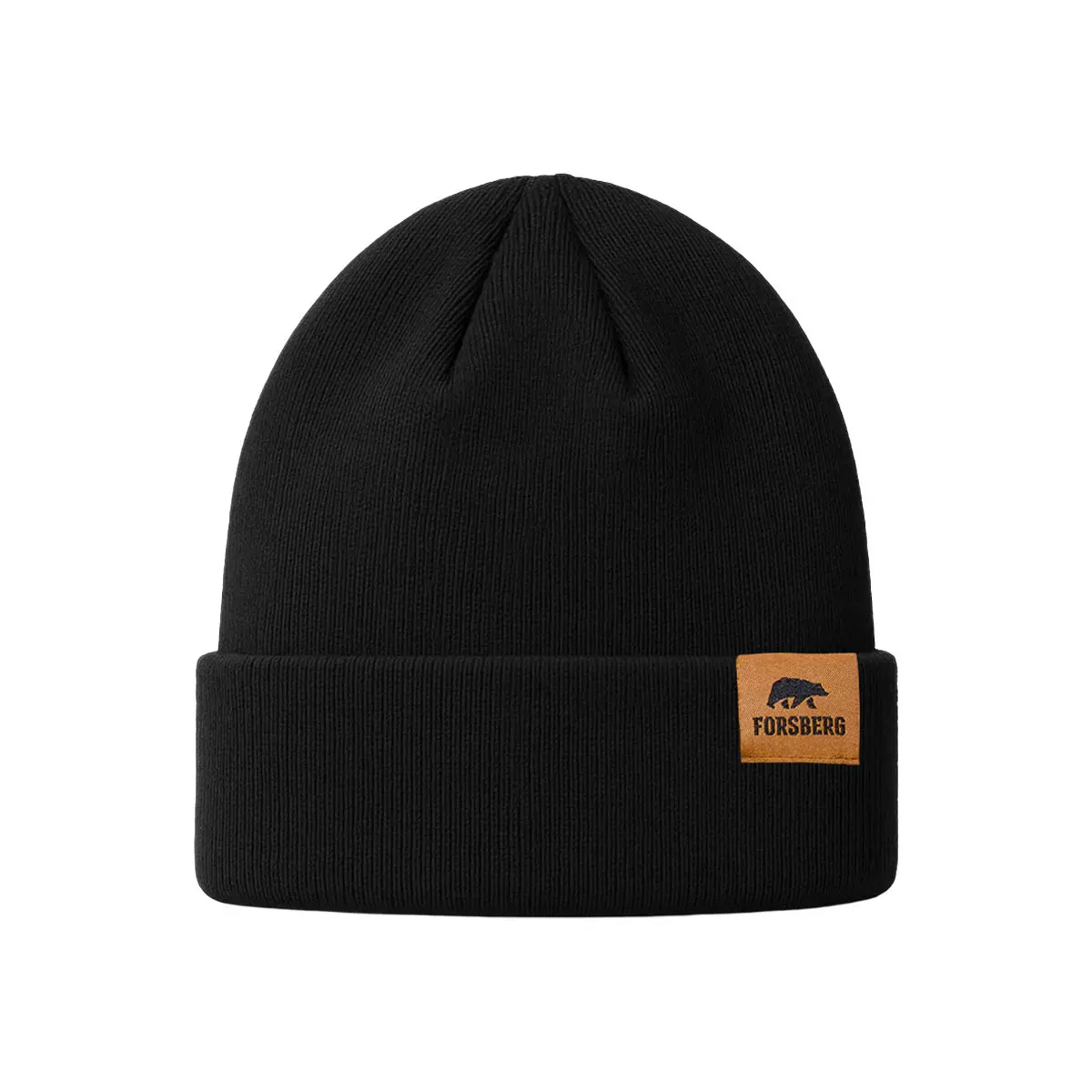
- FORSBERG Lumar Knit Beanie Merino — merino knit for insulation and soft next-to-skin comfort (€24.99).
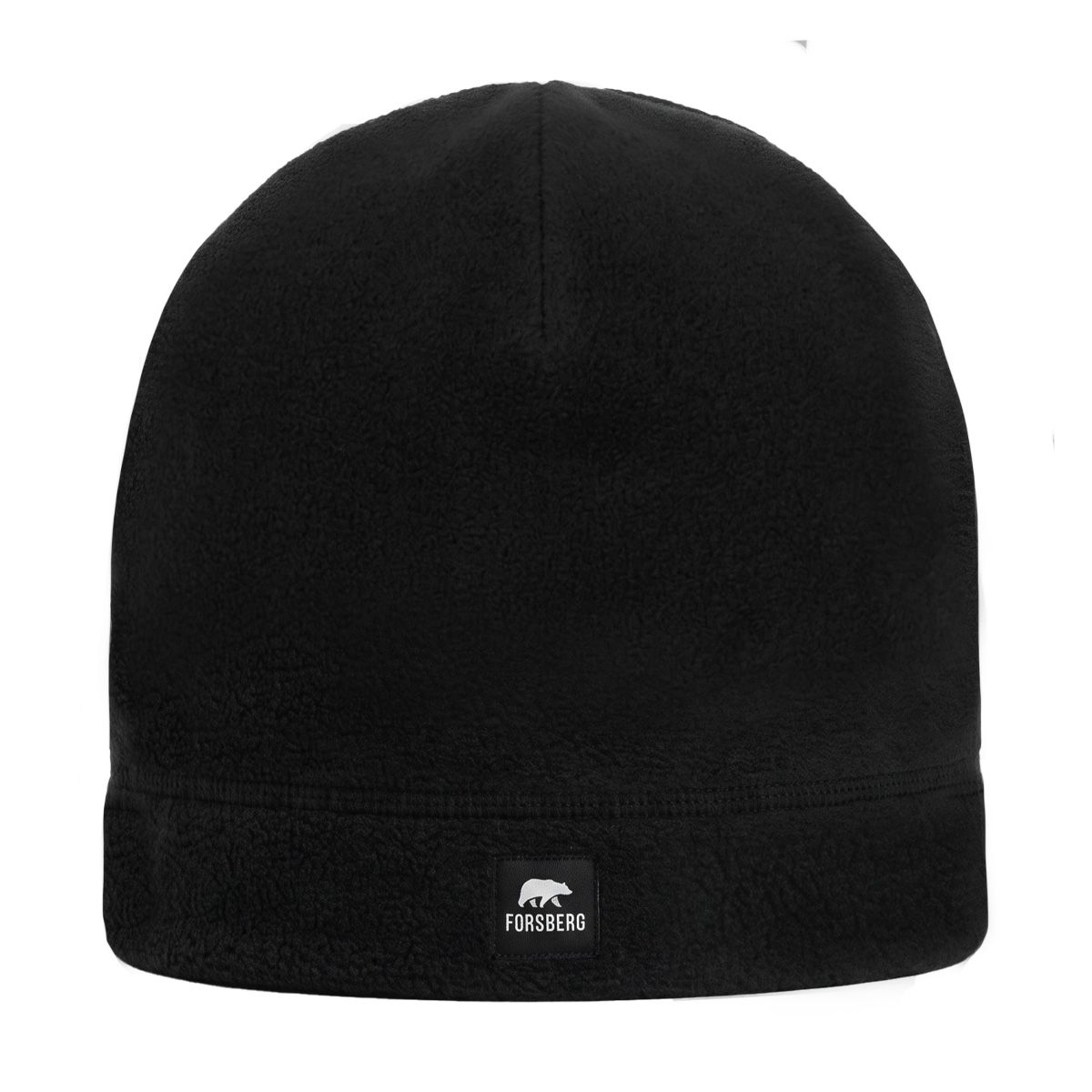
- FORSBERG warm loop neck warmer — a versatile tubular knit for extra winter protection (discounted example at €10.99).
Important concepts
- Single-layer vs. double-layer knit: double-layer retains heat better and blocks wind; single-layer is lighter and more packable.
- Water-repellent coatings (DWR): sometimes applied to outdoor caps and hats to shed light moisture — useful in drizzle but not a substitute for waterproof headwear.
How do I care for and maintain Caps & Hats correctly?
A simple routine keeps headwear looking and performing its best.
- Preparation
- Close any velcro or snap closures and empty pockets. Brush off loose dirt and dust with a soft brush.
- For structured caps, gently reshape the crown and brim before cleaning.
- Washing
- Check the care label first. Most technical caps and knit beanies tolerate a gentle machine wash.
- Use a mild detergent. Wash at low temperature (around 30°C) on a gentle cycle.
- Avoid bleach and skip fabric softener — softeners can reduce moisture-wicking properties.
- Re‑impregnating / coatings
- If your cap has a water-repellent finish (DWR), renew it after several washes with a spray-on or wash-in product made for technical fabrics.
- Follow the product instructions to activate DWR (some sprays work after air drying; others need a short tumble-dry or a low-heat iron — only if the care label allows).
- Drying & storage
- Air-dry hats on a form or a rolled towel to preserve shape. Keep them away from direct heat sources (radiators) that can deform brims or shrink fibres.
- Store beanies and caps in a cool, ventilated place; avoid crushing structured brims in tight boxes.
- Repair options
- Small holes or seam splits: hand-stitch with matching polyester thread or use a fabric adhesive for quick fixes.
- Worn closures: replace snapbacks or velcro with repair kits available at haberdashery shops.
- Brim re‑shaping: soak the brim briefly, reshape over a rounded object (mug or bowl), and let it dry to restore form.
Practical tip from product specialists: treat embroidered logos gently when hand-washing, and avoid aggressive scrubbing at the front panel to keep prints and stitches crisp.
Use cases (Anwendungsbeispiele)
On a construction site in late spring A worker chooses a ventilated trucker-style cap with a mesh back to stay cool while the sun is strongest. The adjustable snapback ensures a snug fit under a safety helmet when needed, and the polyester front resists dirt.
Weekend winter commute A commuter opts for a merino-knit beanie — the natural fibre keeps ears warm on cold mornings and limits odours after repeated wear. The beanie tucks easily into a pocket when indoors.
Why this helps you: picking the right material for the season maximises comfort and longevity. Breathable caps reduce heat stress; insulated knits protect against heat loss at the ears and crown.
Frequently Asked Questions (FAQ)
Q: Can I machine‑wash my cap or beanie? A: Most modern caps and knit beanies can be washed on a gentle cycle at low temperature (≈30°C). Always check the care label first and close any fastenings.
Q: How do I remove sweat stains from a cap? A: Pre-soak the stained area in lukewarm water with a small amount of mild detergent, then gently rub with a soft cloth before washing. Avoid bleach.
Q: Will a mesh trucker cap protect from rain? A: No — mesh lets air through and will not repel rain. For wet weather choose a water-resistant cap or an outer shell with DWR treatment.
Q: How long does a DWR treatment last on a cap? A: DWR performance declines with washing and wear; expect effectiveness to decrease after several washes. Reapply a DWR spray or wash-in treatment when water no longer beads on the fabric.
Q: Are merino beanies suitable for people with sensitive skin? A: Many people find fine merino wool comfortable and non‑itchy, but if you have very sensitive skin, look for labelled fine‑gauge merino or a soft merino blend.
Q: How do I keep the brim of a cap from bending? A: Store caps on a shelf or hat form, not folded. For a softened brim, gently steam and reshape over a rounded form, then let it cool to set.
Final note & internal links
For styling ideas and team outfit tips, see our blog: /blog/. For more on product care and returns, consult our FAQ and service pages: /en/footernavigation/service/faq/.
Browse our selection of Caps & Hats now and find the product that fits your needs.