






.png?ts=1761814119)
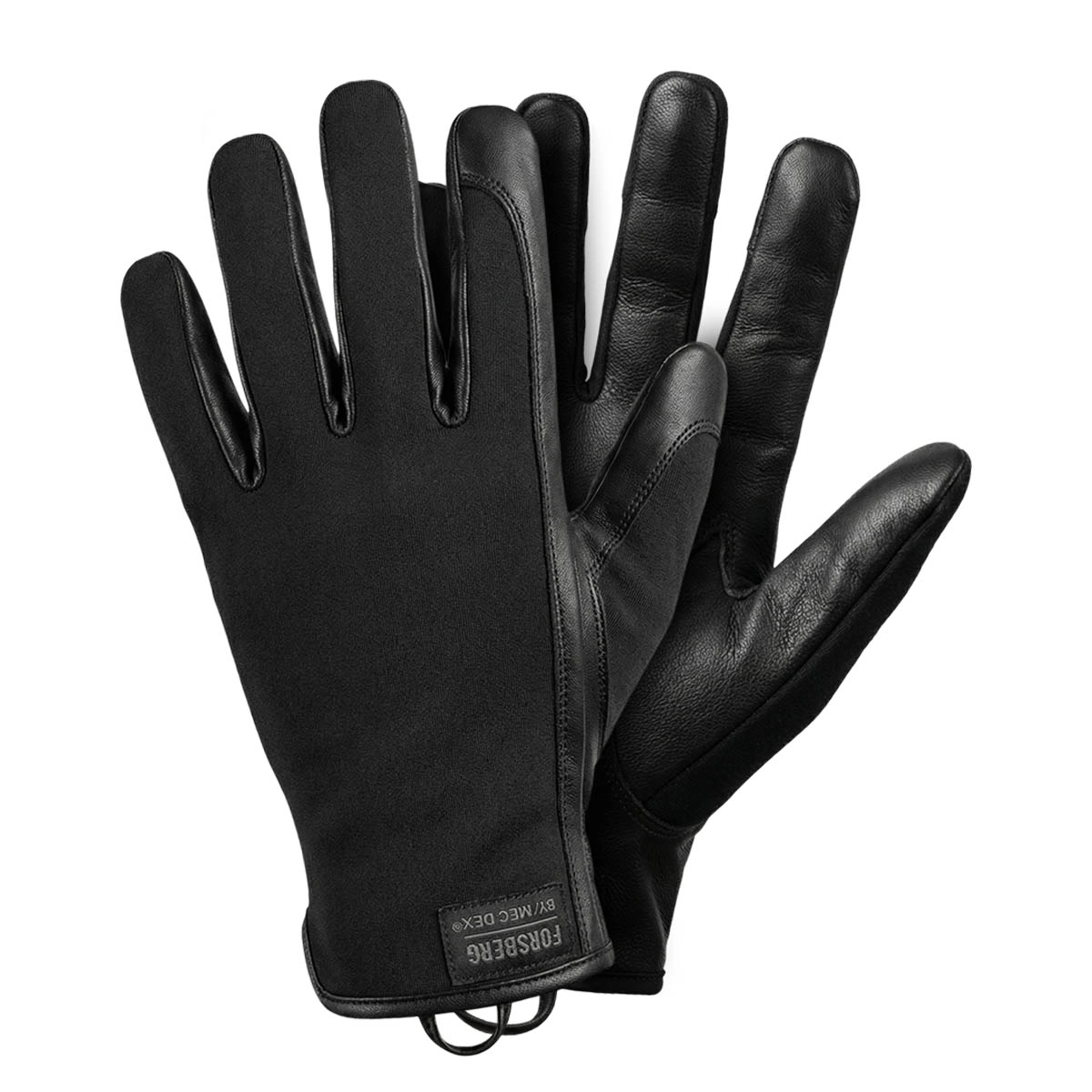

Gloves – Overview & Buying Guide
Why Gloves?
Gloves are the first line of defence for hands at work and in the garden. They protect skin and fingers from mechanical risks (cuts, abrasion, crush), thermal hazards (heat, cold), liquids and many chemical agents — while allowing grip, dexterity and comfort. From assembly and forestry to winter deliveries and precision tasks, the right glove reduces accidents and fatigue and helps keep tools under control.
Typical uses
- Workshop and assembly work: precise handling, grip and fingertip sensitivity.
- Construction and forestry: reinforced palms and high abrasion resistance.
- Gardening & landscaping: protection from dirt, thorns and blisters.
- Cold-weather duties and logistics: insulated, water‑repellent gloves.
- Chemical handling and electrical work: specialised chemical- or voltage-rated gloves.
Who benefits most?
- Tradespeople (carpenters, installers, mechanics)
- Gardeners and landscapers
- Warehouse and logistics teams
- Hobbyists and DIY enthusiasts
- Winter couriers and outdoor workers
Key advantages
- Protection: reduces cuts, burns, punctures and chemical contact.
- Comfort: breathable linings and ergonomic cuts increase wear time.
- Durability: reinforced palms, coatings and quality leather last longer.
- Functionality: specialised gloves (cut-resistant, insulated, waterproof) for task-specific safety.
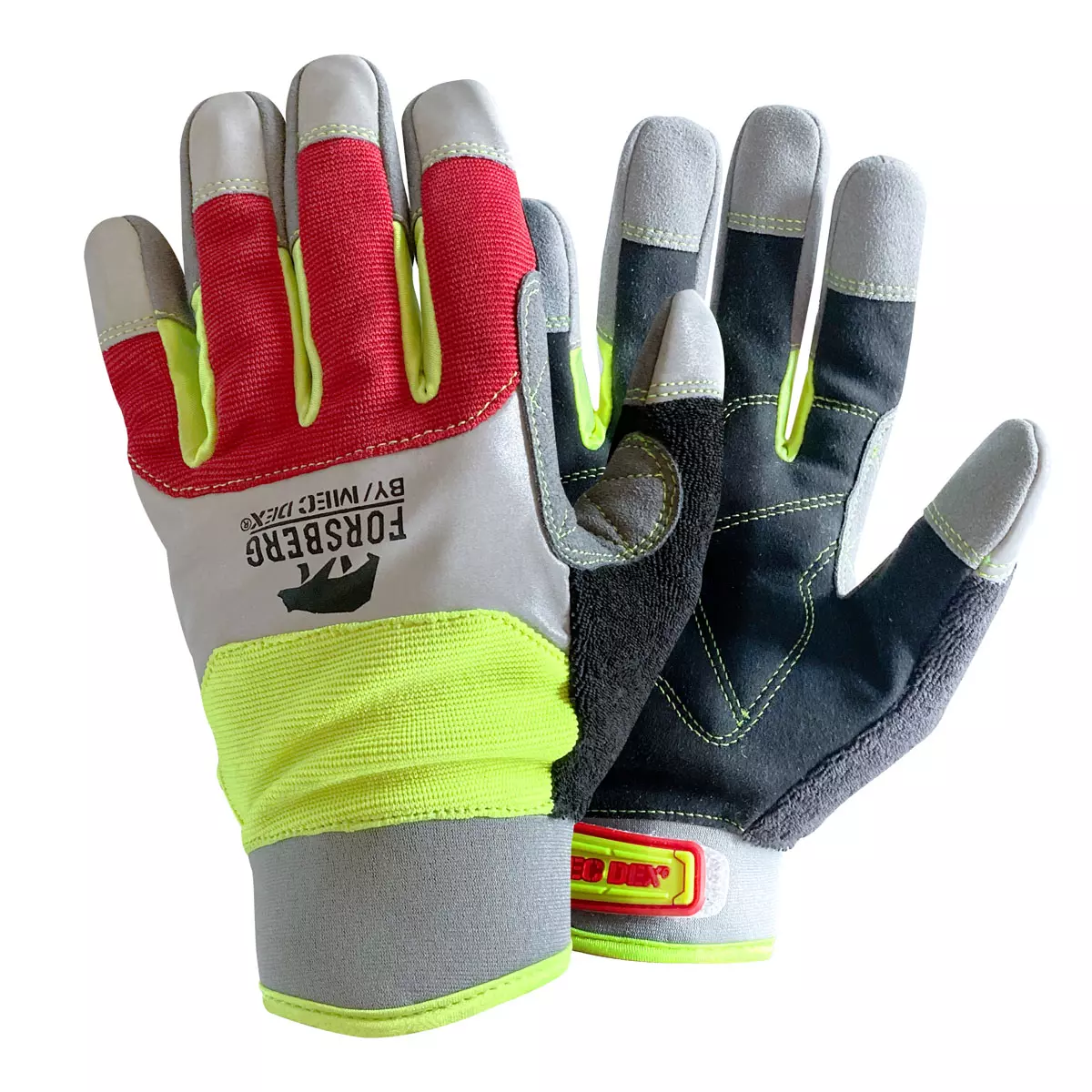
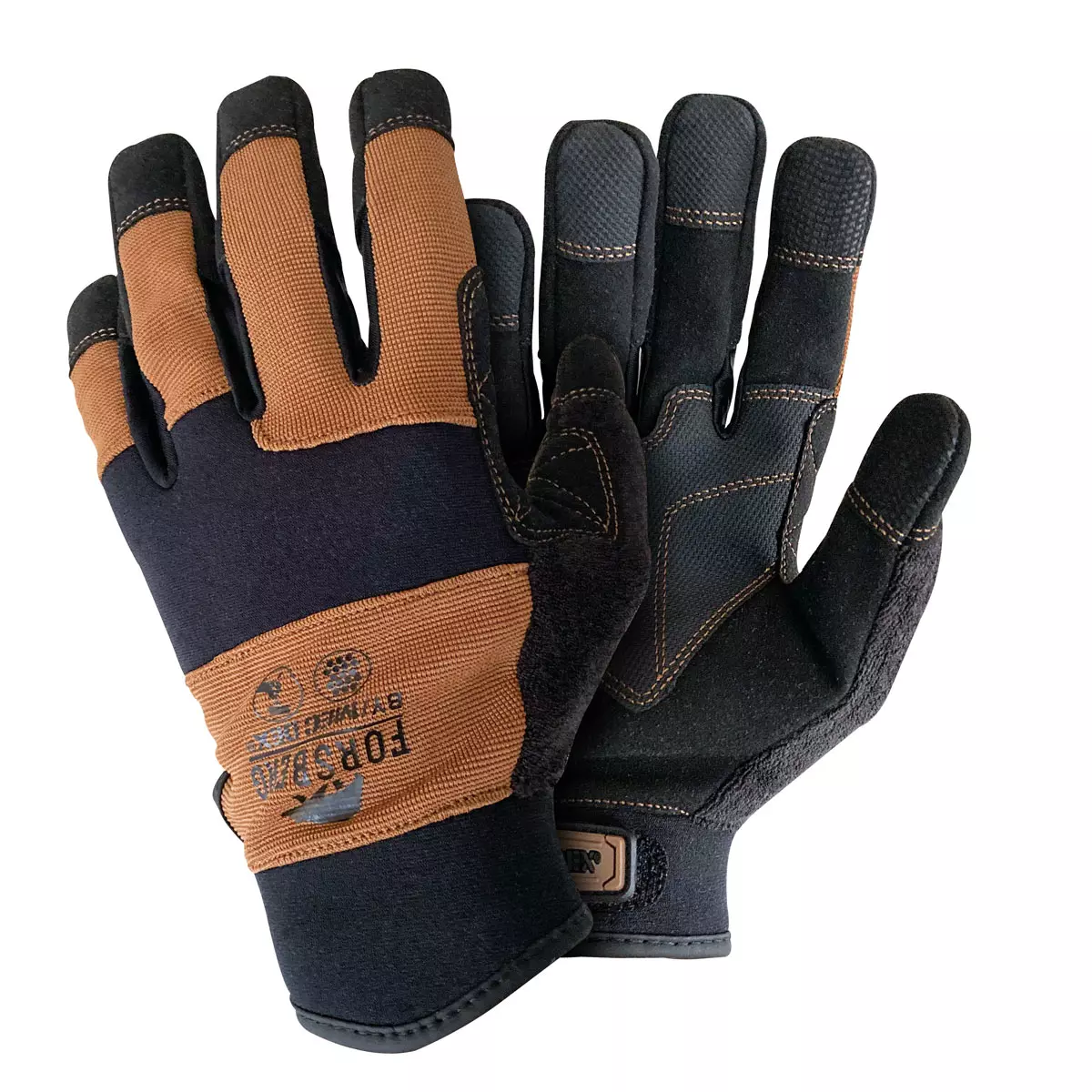
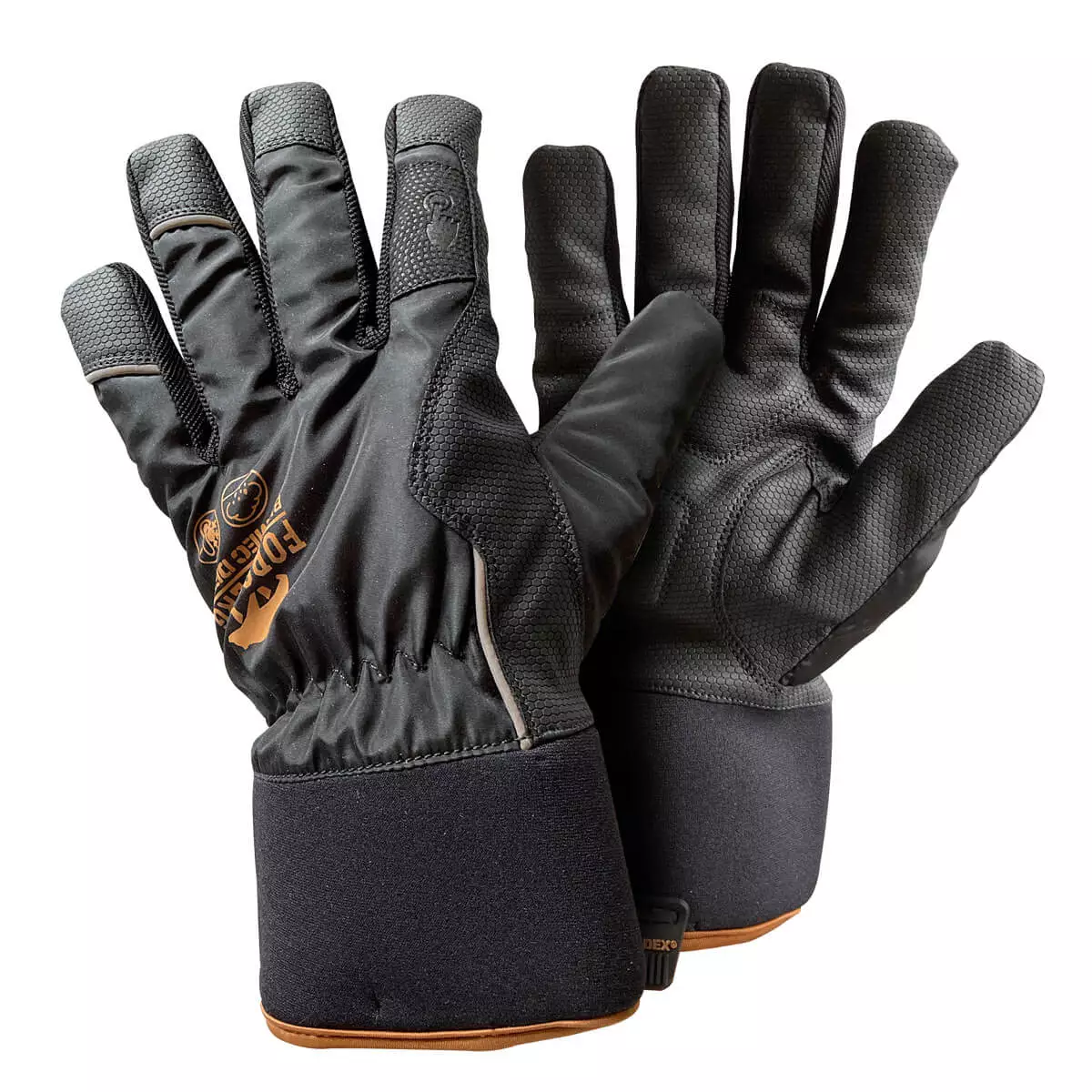
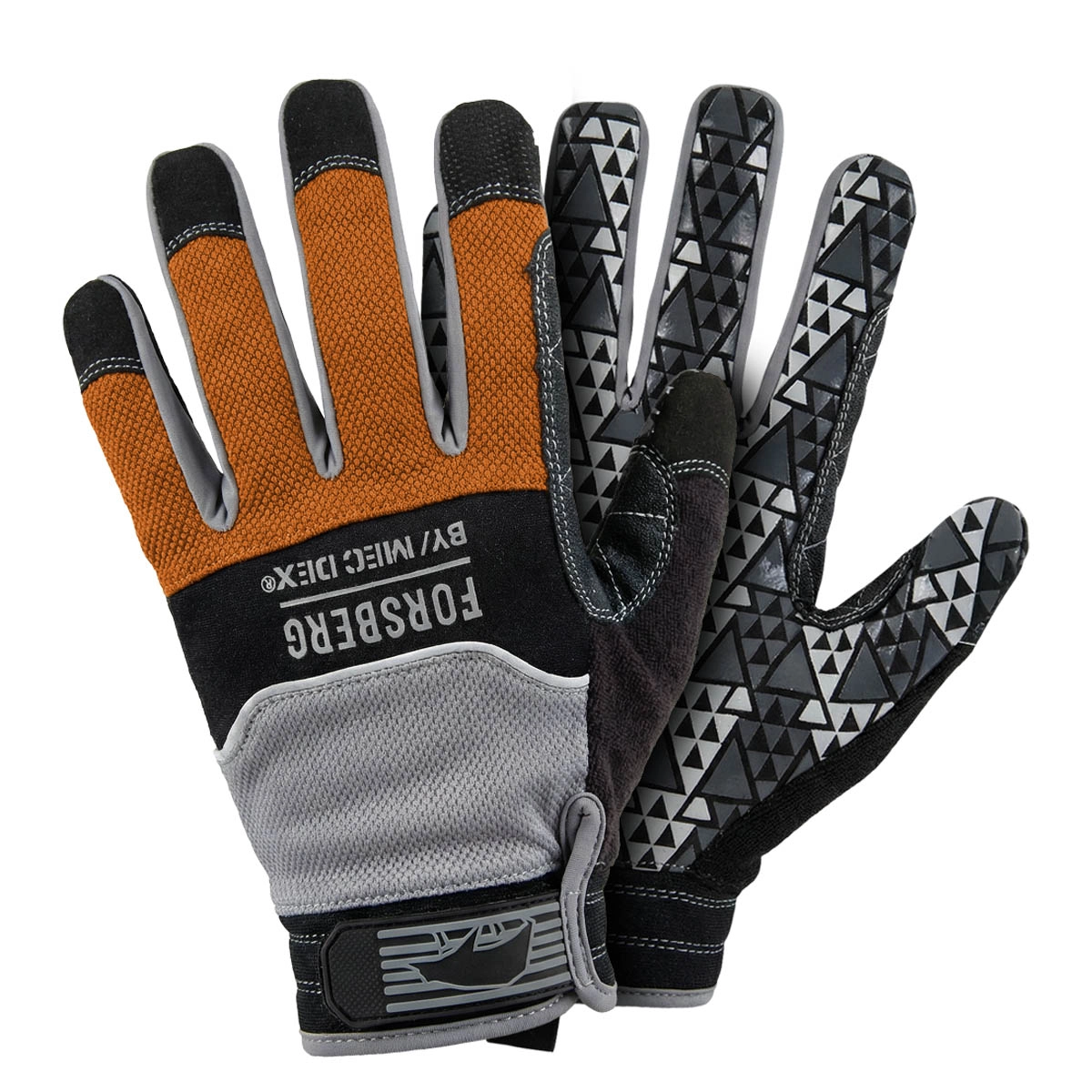
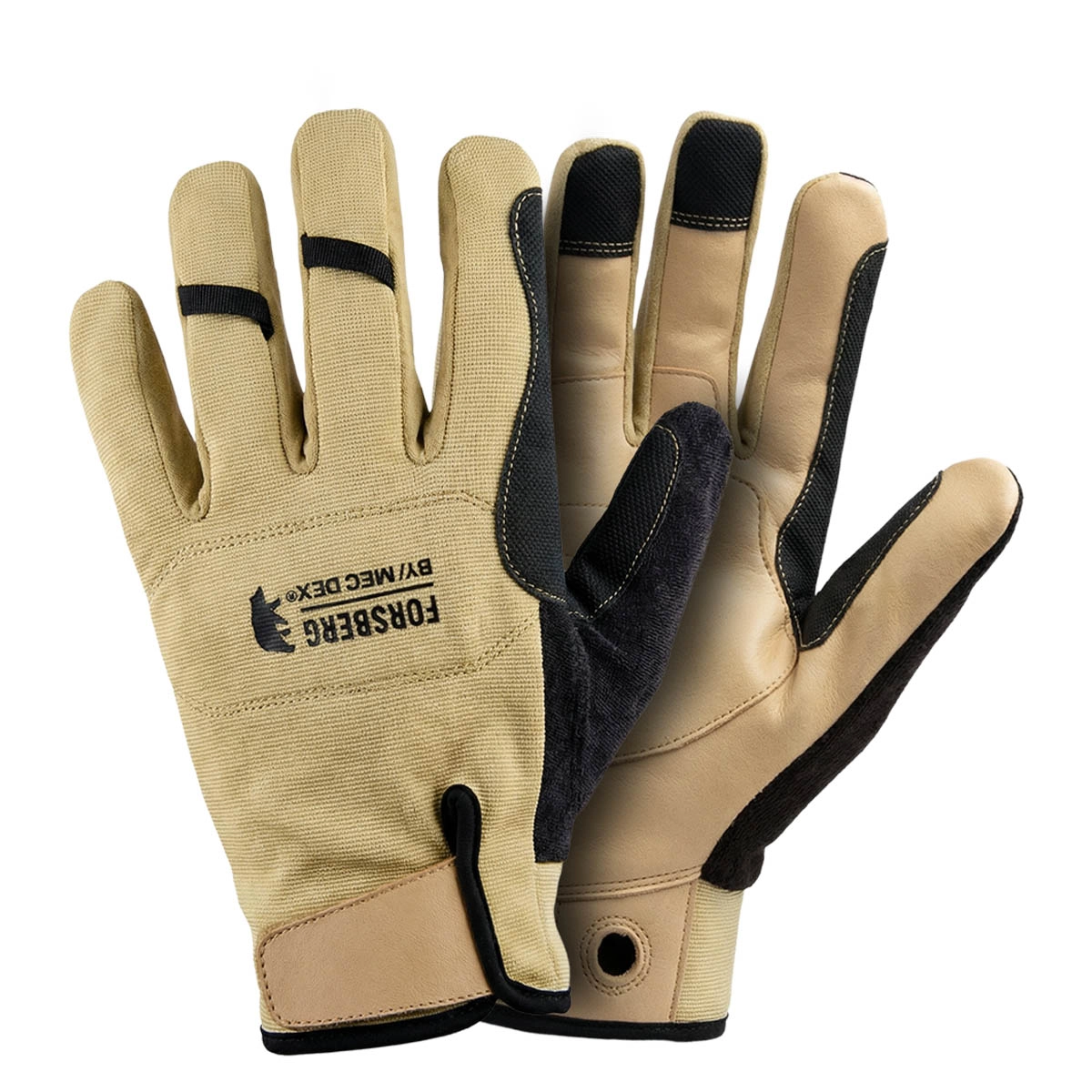
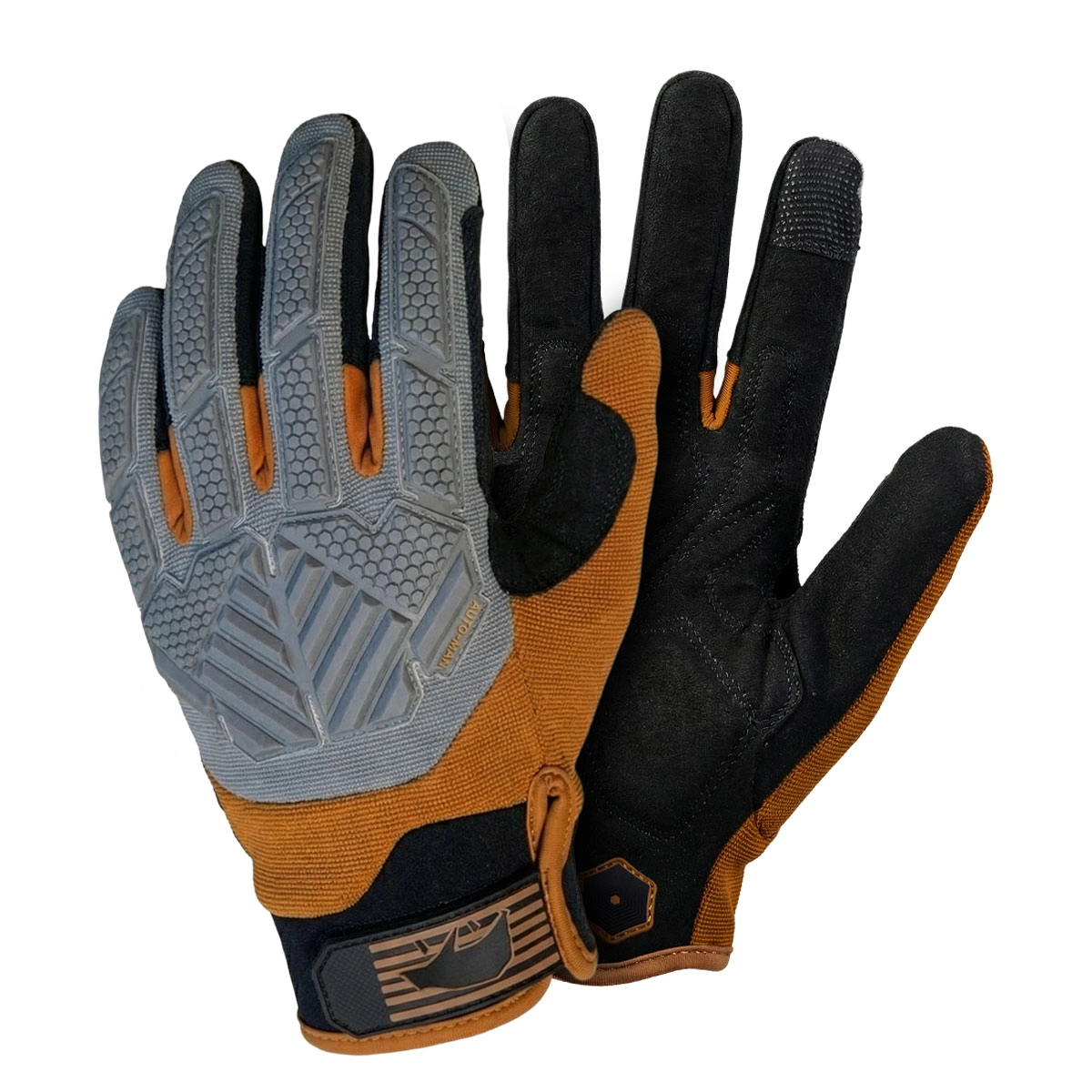
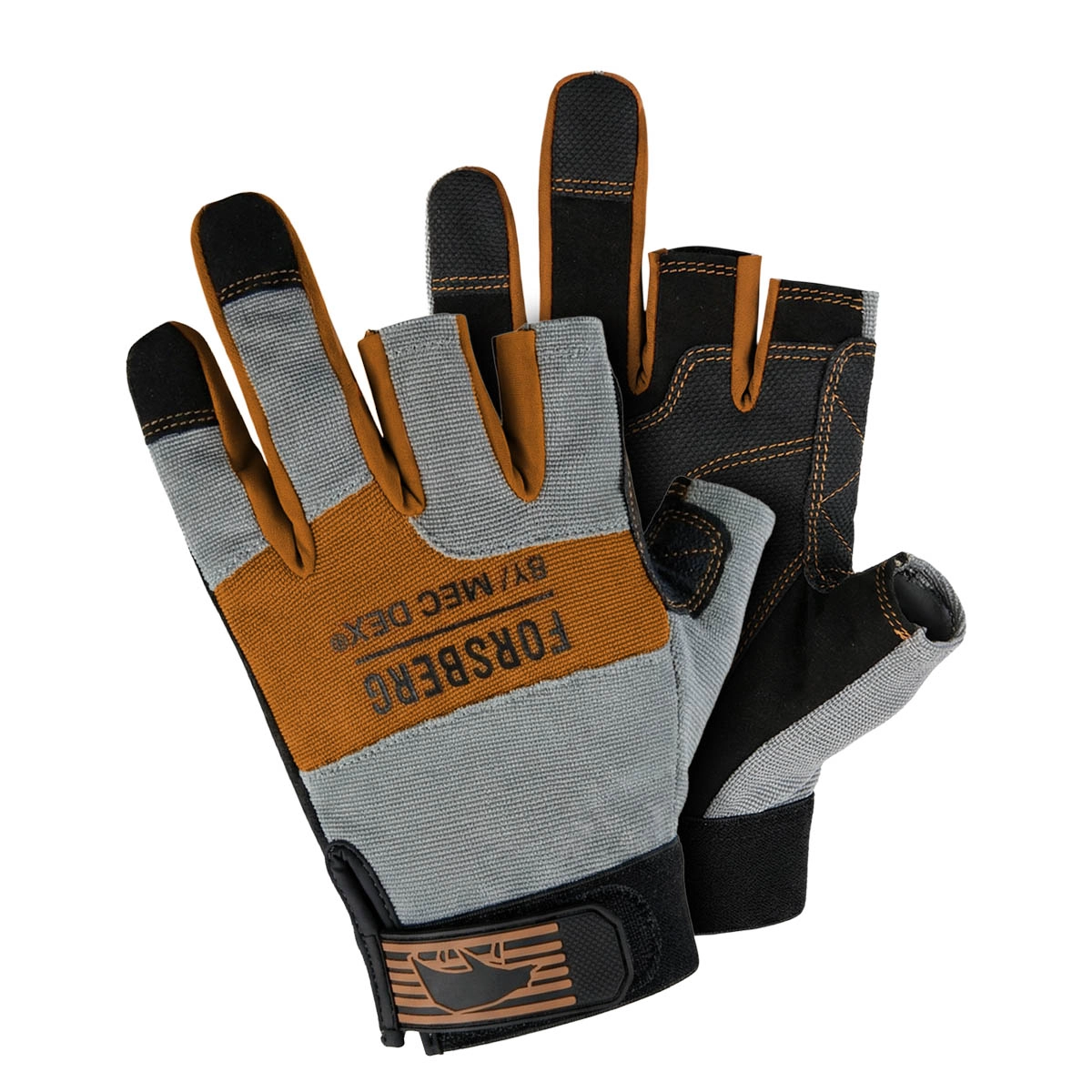
The Forsberg accessories range offers light, robust and comfortable options that balance protection and feel, so users can keep fine motor control without excessive bulk.
Which materials & technologies are relevant for Gloves?
Gloves combine base materials, coatings and sometimes membranes. Choosing the right mix depends on the task.
Common materials and what they do
- Leather (goatskin, cowhide): natural abrasion resistance, good grip and long life; ideal for carpentry and heavy assembly. Example: Carpenthand™ leather assembly gloves — soft leather for tactile work.
- Coated knit (nitrile, PU, latex): elastic fabric with a rubber or polyurethane coating on the palm and fingers. Nitrile delivers strong chemical and oil resistance; PU is thinner and gives excellent feel. Example: Montogrep™ and Grovtak™ assembly gloves with reinforced, non-slip coatings.
- Insulating fibres & linings: Thinsulate®-style synthetic insulation or fleece linings provide warmth without excessive bulk — as in winter models like Vinterborg™ (water‑repellent winter gloves).
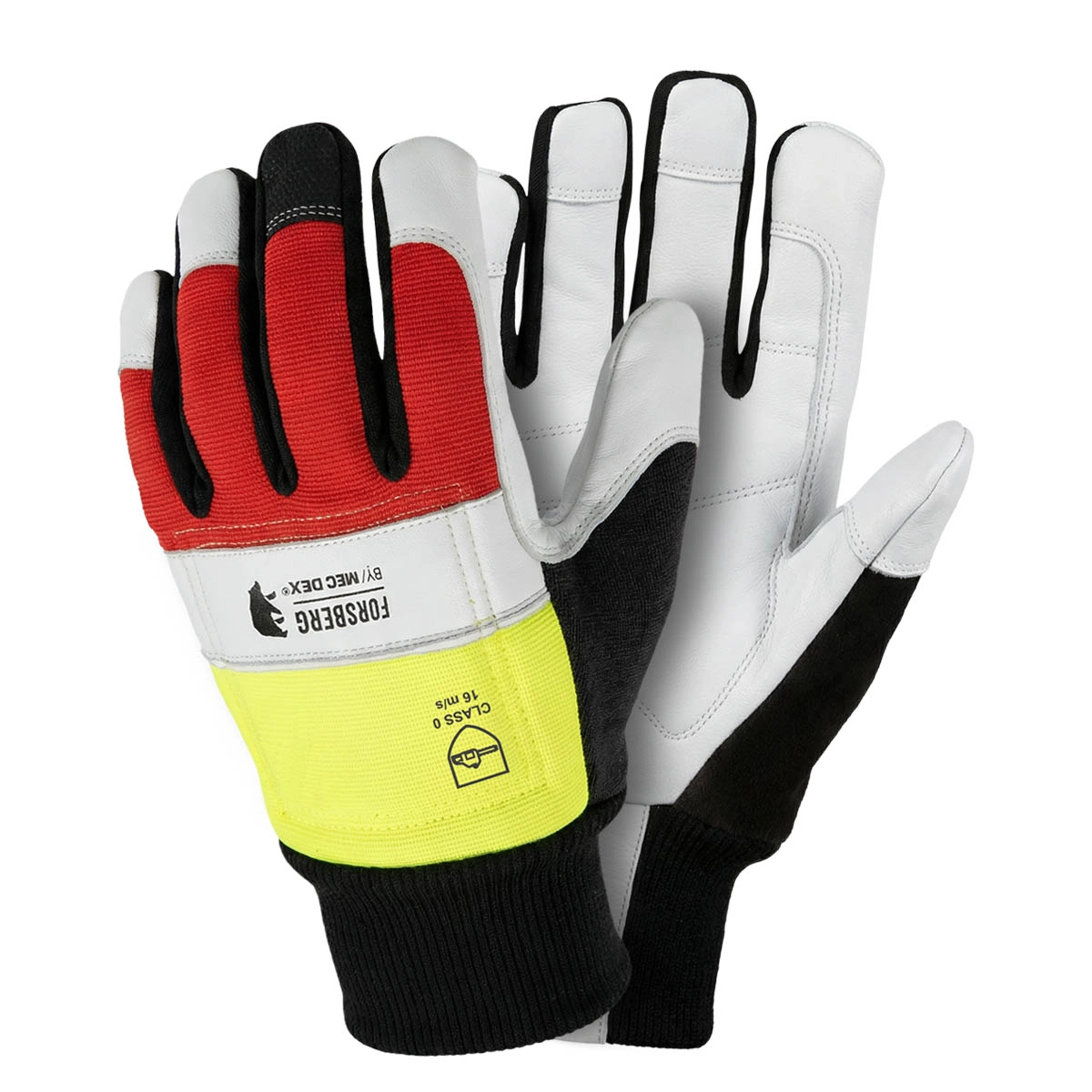
- Reinforcements & padding: leather patches, double layers, or synthetic reinforcements at the palm, thumb and knuckles increase abrasion and tear resistance — used in Noordvak™ forestry gloves.
- Technical cut‑resistant fibres (HPPE, Kevlar®, Dyneema®): used where blade or edge cuts are a hazard. These are essential in cut‑risk environments but not present in every basic glove.
Membranes and constructions
- Laminated membranes (2‑layer vs. 3‑layer): waterproof-breathable gloves may use a 2‑layer laminate (outer + membrane) or a 3‑layer construction where the membrane is sandwiched between outer and inner layers. A 3‑layer build is more durable for heavy use.
- Coatings: nitrile, latex and PU coatings change grip, abrasion and chemical resistance. Foam nitrile provides cushioning and oil grip; smooth nitrile gives excellent abrasion and chemical resistance.
Surface treatments & finishes
- DWR (Durable Water Repellent): a hydrophobic finish that makes water bead on the outer fabric. It prolongs dryness but wears off and needs renewal. Vinterborg™ features a water‑repellent treatment for wet, cold conditions.
- PU coatings and heat-sealed seams: increase abrasion resistance and reduce water ingress.
Standards to look for (European / International)
- EN 420: general requirements for glove design and sizing.
- EN 388 (mechanical risks): rates abrasion, cut, tear and puncture resistance — key for work gloves.
- EN 374 (chemical risks): shows resistance to permeation by chemicals; important for lab and chemical handling.
- EN 407 (thermal risks): protective properties against heat and fire.
- EN 511 (cold): performance against convective and contact cold.
- IEC/EN 60903 (electrical insulating gloves): for live working and voltage protection — choose certified classes when needed.
Practical notes from the Forsberg assortment
- Vinterborg™ (water‑repellent winter gloves) — insulated, treated outer for wet cold work; good protection against cold and high wearing comfort.
- Noordvak™ (reinforced forestry gloves) — additional palm reinforcements for chopping and handling tasks.
- Montogrep™, Grovtak™ (assembly & non‑slip gloves) — coated knit constructions for grip and dexterity; ideal for logistics and precision assembly.
- Carpenthand™ (soft leather assembly gloves) — tactile leather for fine carpentry and handling.
How to care for and maintain Gloves correctly
A short, practical step‑by‑step guide. Following these steps prolongs life and maintains protective performance.
1) Preparation
- Close Velcro or fastenings and empty pockets; remove coarse dirt or sawdust by brushing.
- Inspect seams, fingertips and coatings for wear or cuts before laundering.
2) Washing
- Textile/ coated knit gloves (nitrile, PU): hand wash or machine wash on a gentle programme at 30 °C with a mild detergent or a specialised technical wash. Do not use fabric softener — it reduces grip and DWR efficacy.
- Leather gloves: do not machine wash. Wipe with a damp cloth; use a specialised leather cleaner for stubborn dirt. Excessive water stiffens leather and shortens its life.
- Insulated gloves: follow the label — many can be washed gently, but check the manufacturer instructions. Avoid bleaching agents.
3) Re‑impregnation (DWR) & coatings
- For water‑repellent gloves: use a spray or wash‑in DWR treatment suitable for gloves/fabrics. Apply evenly and allow to dry.
- Activation: some DWR treatments are heat‑activated. If the glove’s care label allows, tumble dry on low for a short cycle or gently iron (use a cloth barrier) to reactivate DWR. Always check the product label first.
4) Drying & storage
- Dry naturally at room temperature. Avoid direct heat sources (radiators, open fire) which dry out leather and can delaminate membranes.
- Store gloves flat or hung in a dry, ventilated place. For long‑term storage keep them clean and away from direct sunlight to avoid material fatigue.
5) Repair options
- Small textile cuts: fabric or glove repair patches and strong adhesive tapes are quick fixes for non‑structural damage.
- Leather scuffs: treat with leather balm or dressing to soften the leather and prevent cracking.
- Seams and stitching: restitch weak seams with heavy polyester thread or use a cobbler/leather repair service for professional fixes.
- Coating damage: full palm coating failures are often irreversible; consider a replacement if the glove no longer offers reliable protection.
Practical tip from product advice: keep a rotation of two pairs — one in use, one drying/being treated. For heavy duty work consider replacing gloves proactively when reinforcements are worn rather than waiting for a failure.
Use cases (examples)
1) Carpenter on site Anna, a carpenter, chooses Carpenthand™ soft leather assembly gloves for cabinet work. The leather gives her fingertip feedback for precise measuring and chiselling, while reinforced seams at the thumb protect from repetitive abrasion. The gloves are comfortable for full shifts and can be rejuvenated with leather balm.
2) Forestry & landscaping Mark, a landscaper, prefers Noordvak™ reinforced work gloves. Reinforced palms and durable outer layers protect against splinters and repeated handling of timber. He swaps them monthly and inspects for seam wear before heavy jobs.
3) Cold‑weather logistics Lena, a parcel courier, needs warmth and grip on wet mornings. Vinterborg™ water‑repellent winter gloves with insulated lining keep her hands warm and provide abrasion resistance when handling parcels. She re‑treats the DWR once a season.
These concrete examples show how the correct glove increases safety, reduces fatigue and preserves the ability to work precisely.
Frequently Asked Questions (FAQ)
Q: How do I choose the right glove material for my job? A: Match the main hazard to material properties: leather for abrasion and general handling; nitrile for oil/chemical resistance and grip; HPPE or Kevlar® blends for cut resistance; insulated materials for cold. Check the relevant EN standard for confirmation.
Q: What does an EN 388 rating tell me? A: EN 388 evaluates mechanical risks: abrasion, cut, tear and puncture resistance. Higher scores indicate better performance; use the label to compare gloves for manual and abrasive work.
Q: Can I wash coated work gloves in a washing machine? A: Many nitrile- or PU-coated gloves tolerate gentle machine washing at 30 °C with mild detergent, but always consult the care label. Leather gloves should never go in the machine.
Q: How often should I renew DWR on water‑repellent gloves? A: Frequency depends on use; for daily outdoor use re‑treating once per season is common. If water stops beading, it’s time to re‑apply DWR.
Q: When do I need insulated winter gloves rather than standard work gloves? A: If you work for extended periods in low temperatures or with cold surfaces, insulated gloves (EN 511 rated) protect against contact and convective cold better than standard gloves.
Q: Are all nitrile gloves chemical‑resistant? A: Nitrile improves resistance to many oils and chemicals, but not all. For aggressive or specific chemicals, choose gloves tested to EN 374 with the proven permeation values for that chemical.
Q: How do I know if gloves still protect me after heavy use? A: Inspect for worn coatings, thinning leather, open seams, exposed reinforcement or loss of insulation. Any visual damage or reduced performance means replacement.
Note & internal links
For more detailed guides and product comparisons, see our blog and FAQ pages:
- Blog: /en/blog/
- FAQ & product care: /en/footernavigation/service/faq/
Browse our selection of gloves now and find the right product for your needs.