






























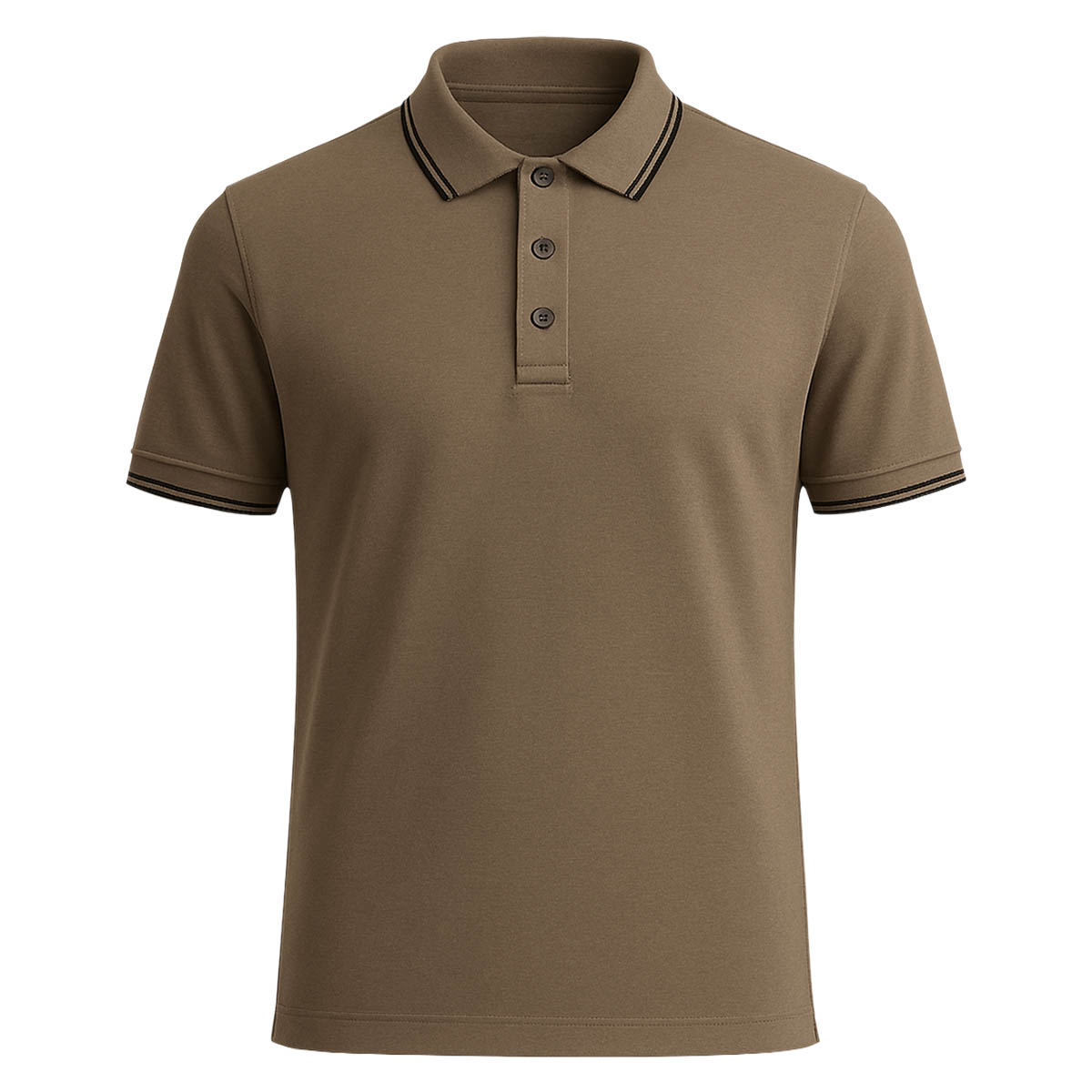
Bestseller – Overview & Buying Guide
Why Bestsellers?
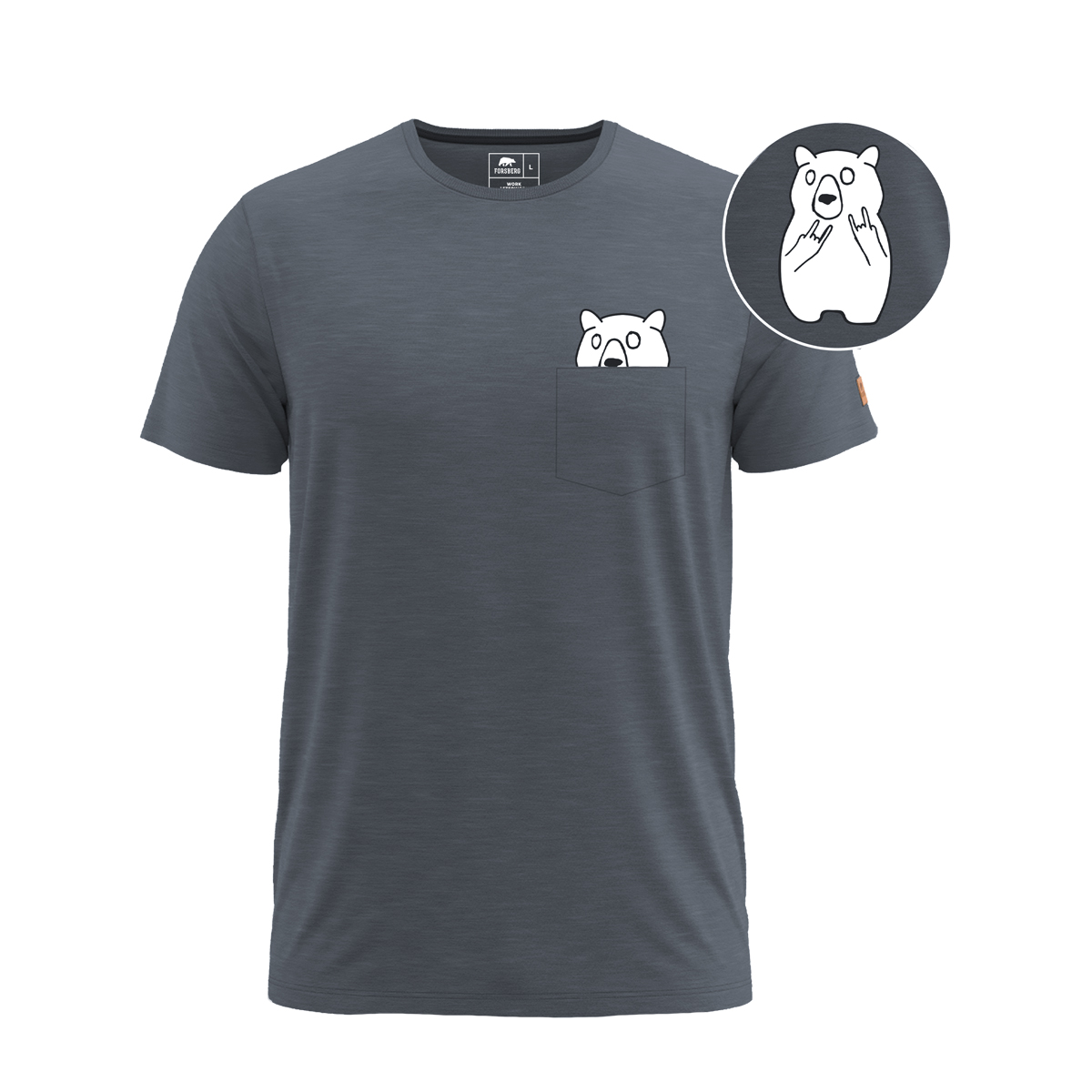
Bestsellers are the items customers keep coming back to because they blend practical design, dependable materials and a consistently good fit. This collection focuses on work and casual pieces designed for everyday use: chest‑pocket T‑shirts, twin‑packs, polo shirts and work shorts that have proven themselves in workshops, on building sites and during leisure time.
Typical uses
- Workwear for craftsmen, gardeners and service staff.
- Comfortable everyday tops for fieldwork and outdoor tasks.
- Layering pieces and basics for company clothing and team outfits.
Who benefits?
- Professionals who need durable, easy‑care garments.
- Purchasing managers who value consistent sizing and straightforward re‑orders.
- Private buyers looking for reliable basics with a strong price‑performance ratio.
Advantages at a glance
- Protection: robust fabrics and reinforced seams where it matters.
- Comfort: breathable cuts and stretch zones that allow freedom of movement.
- Longevity: tested constructions and abrasion‑resistant materials.
- Functionality: practical pockets, logo options and colours suited to daily use.
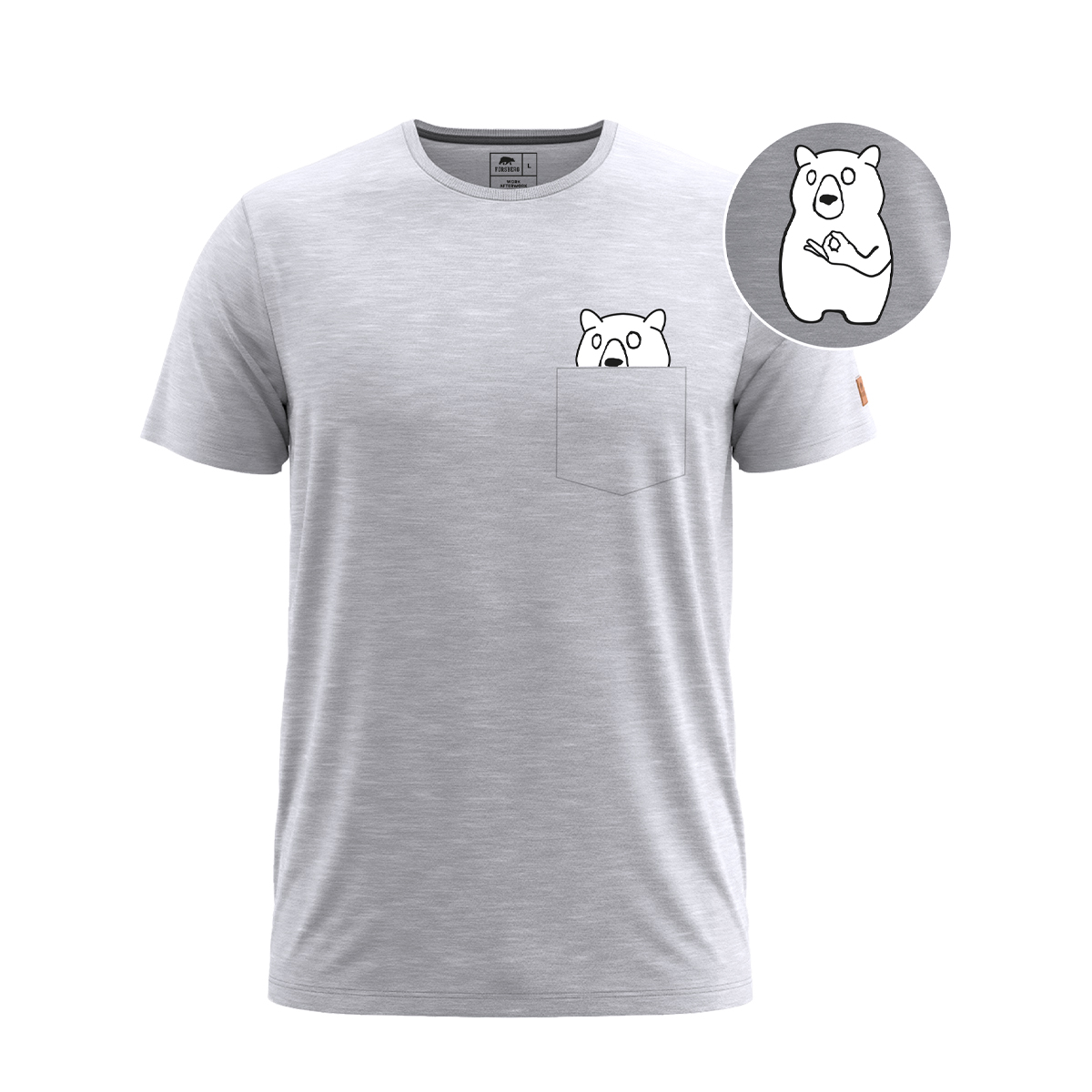
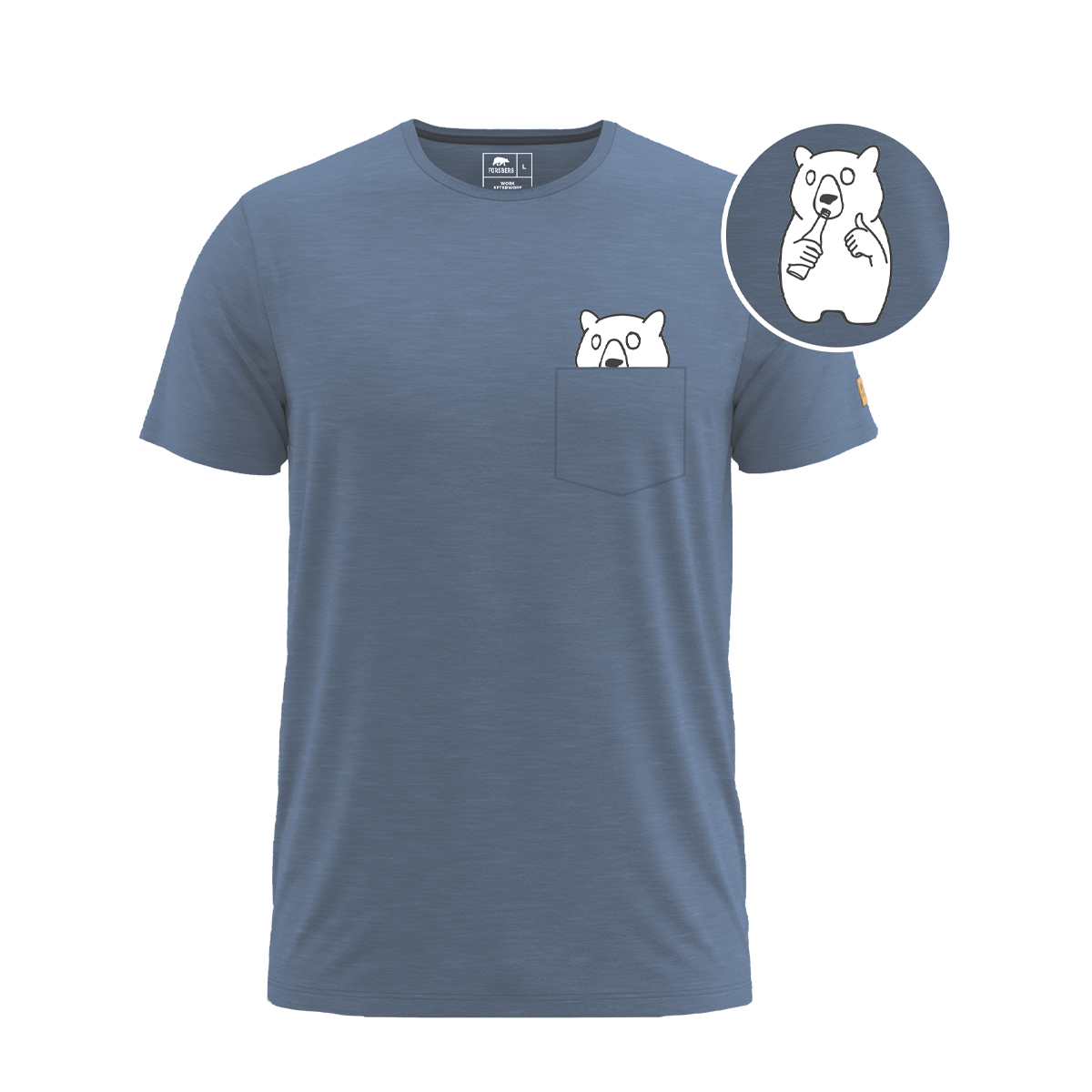
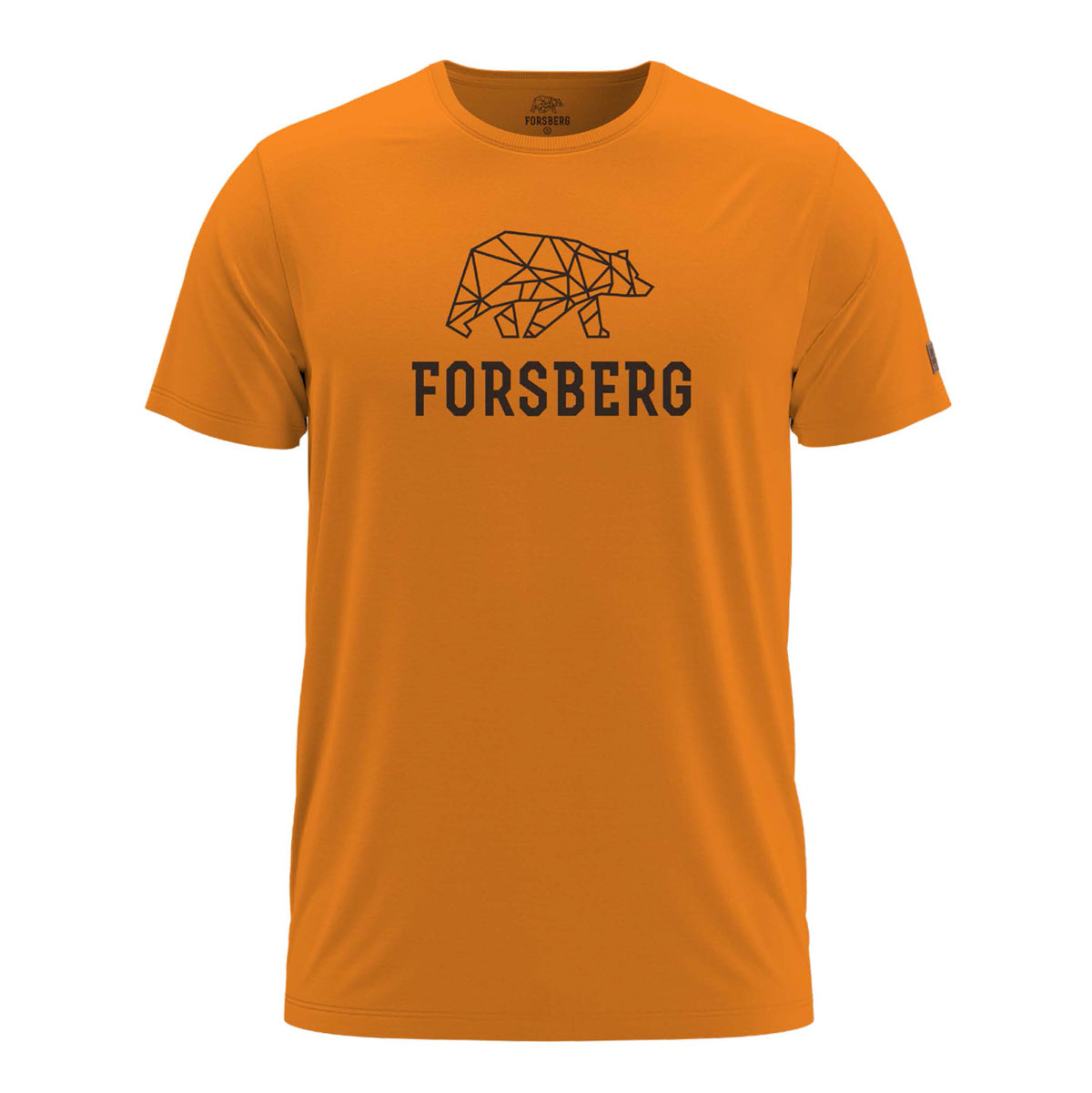
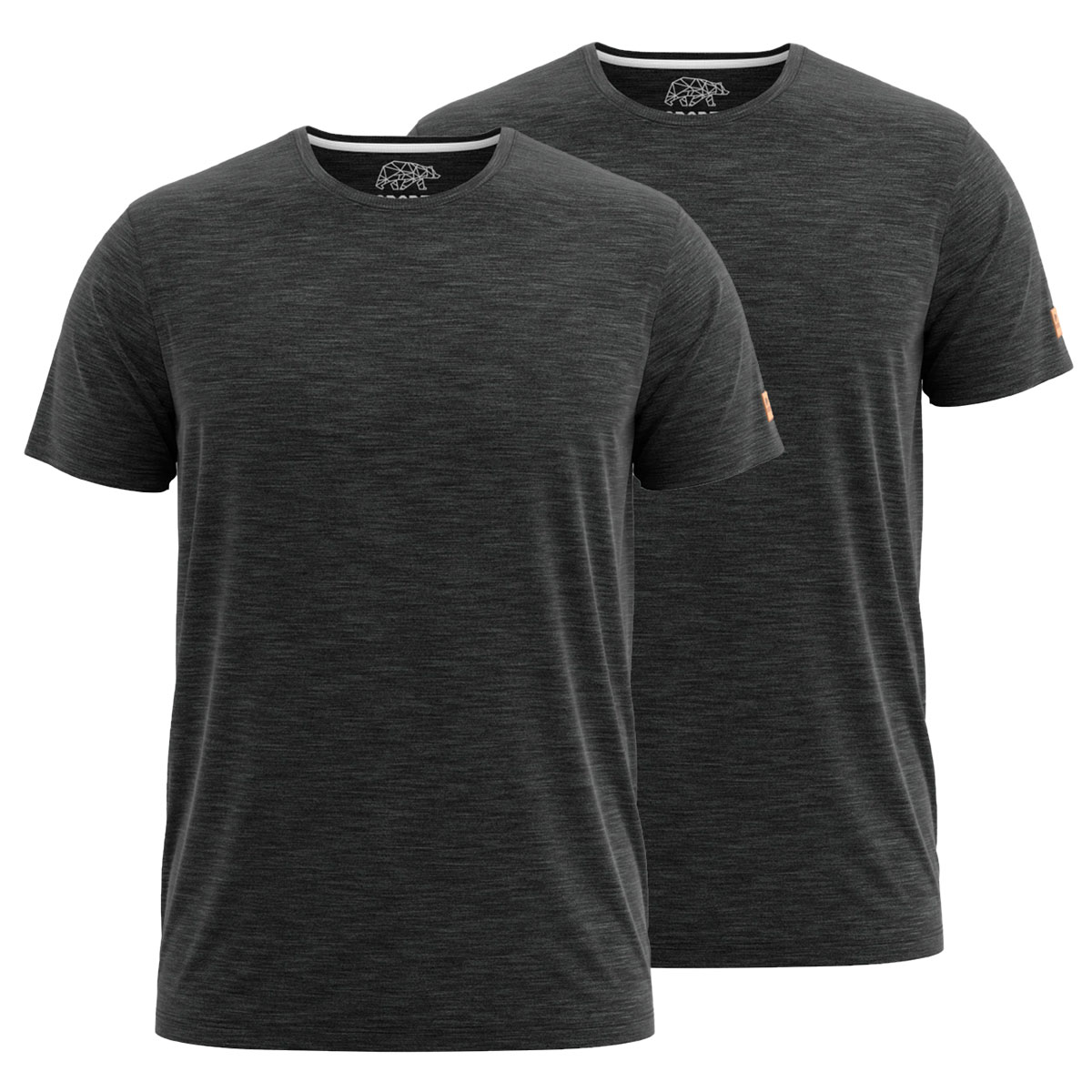
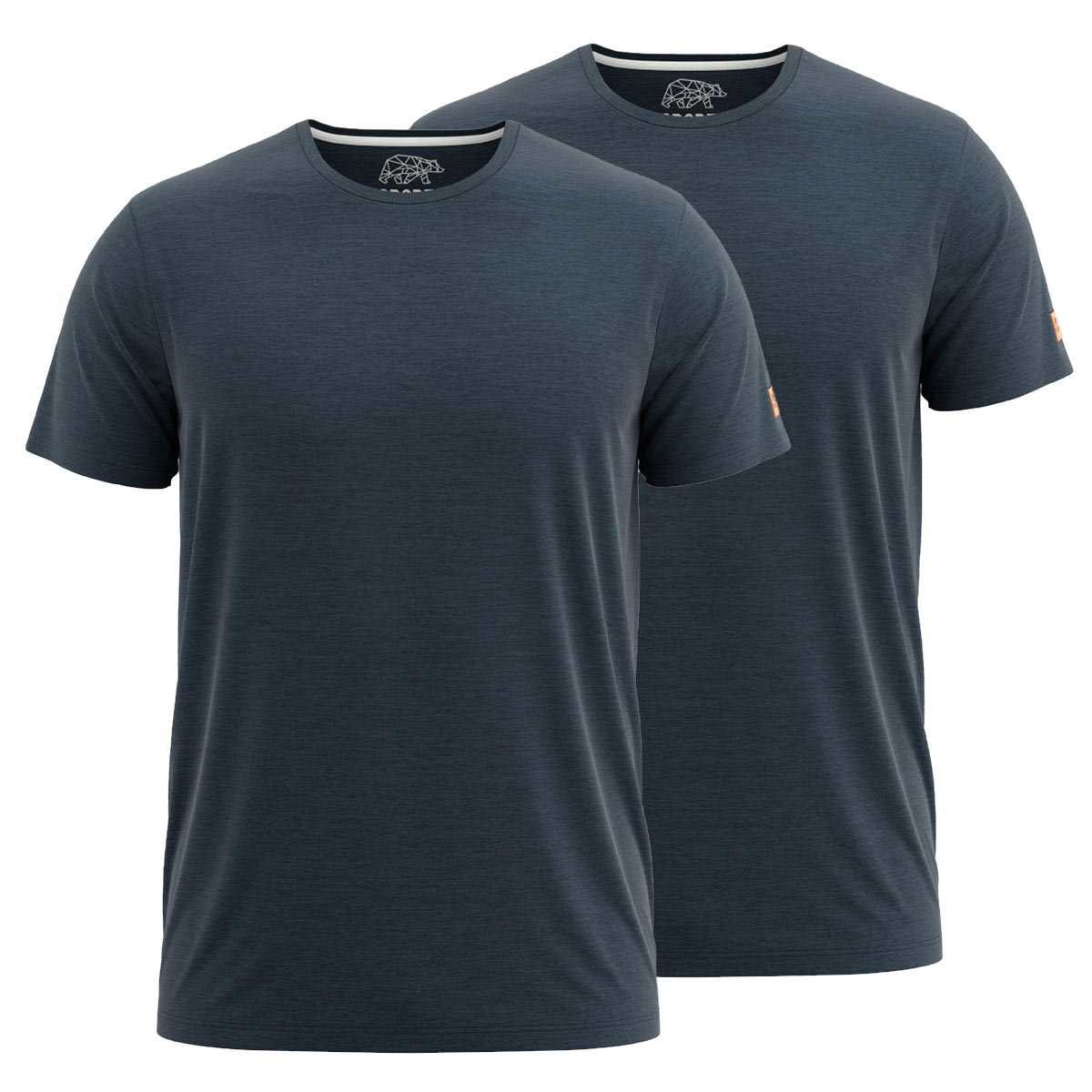
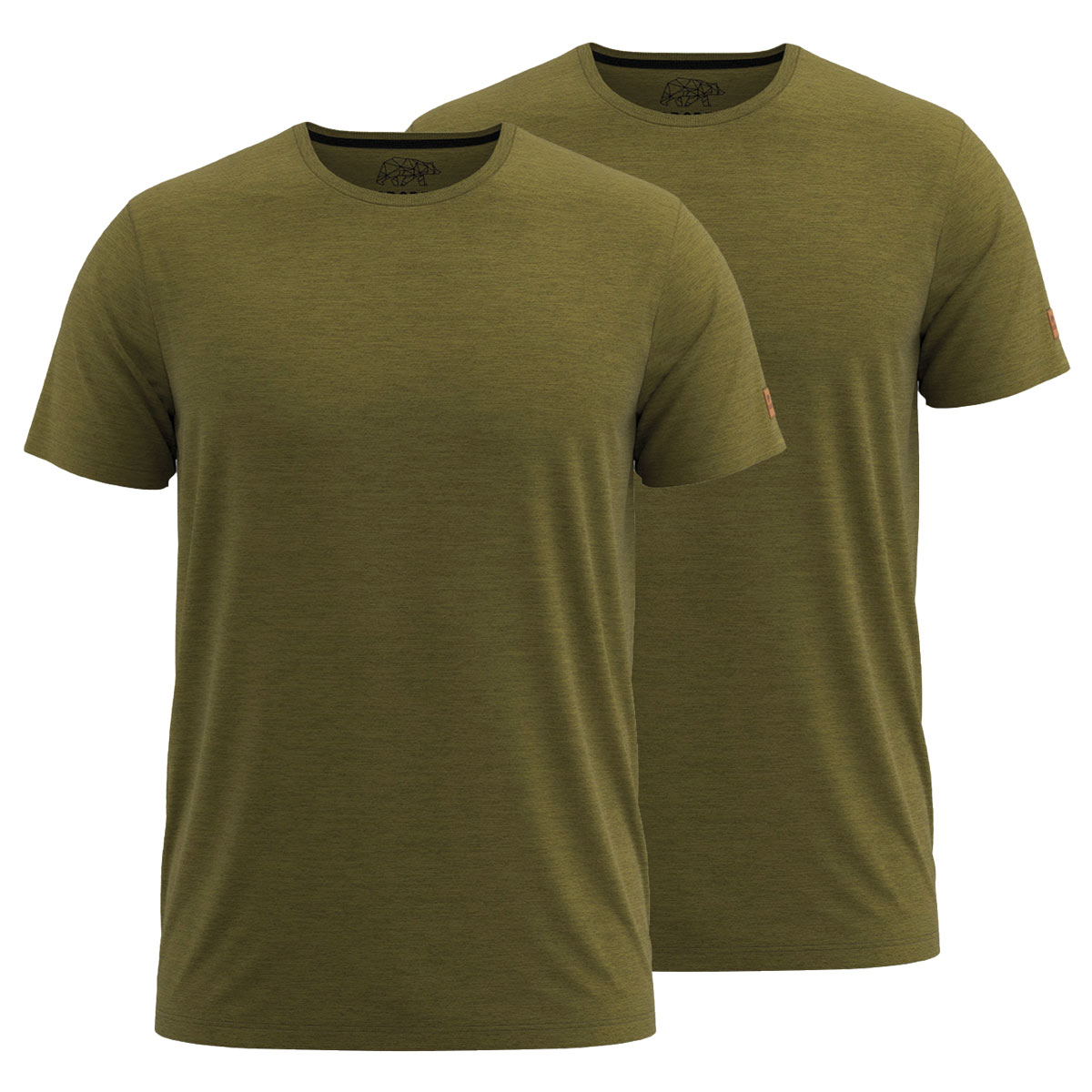
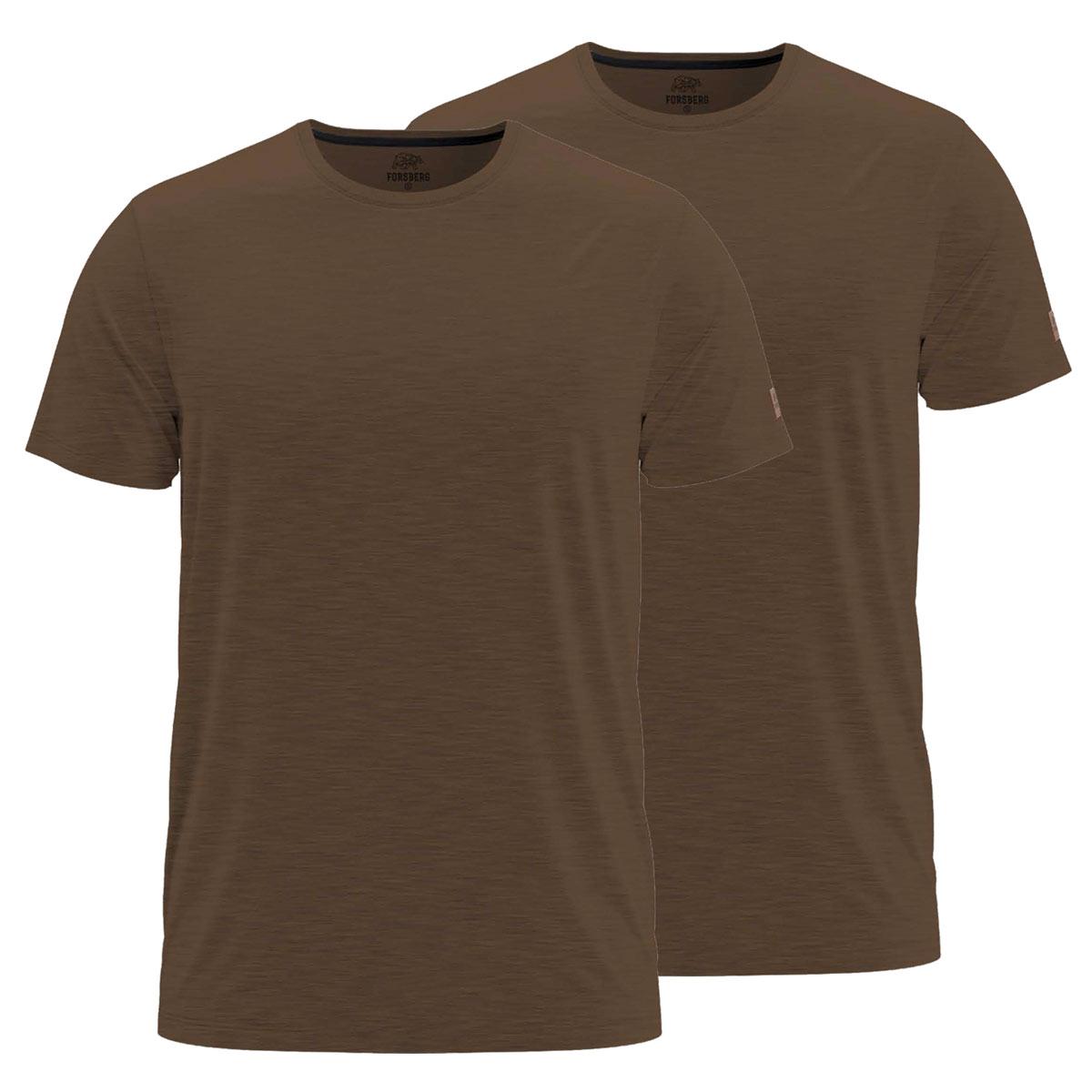
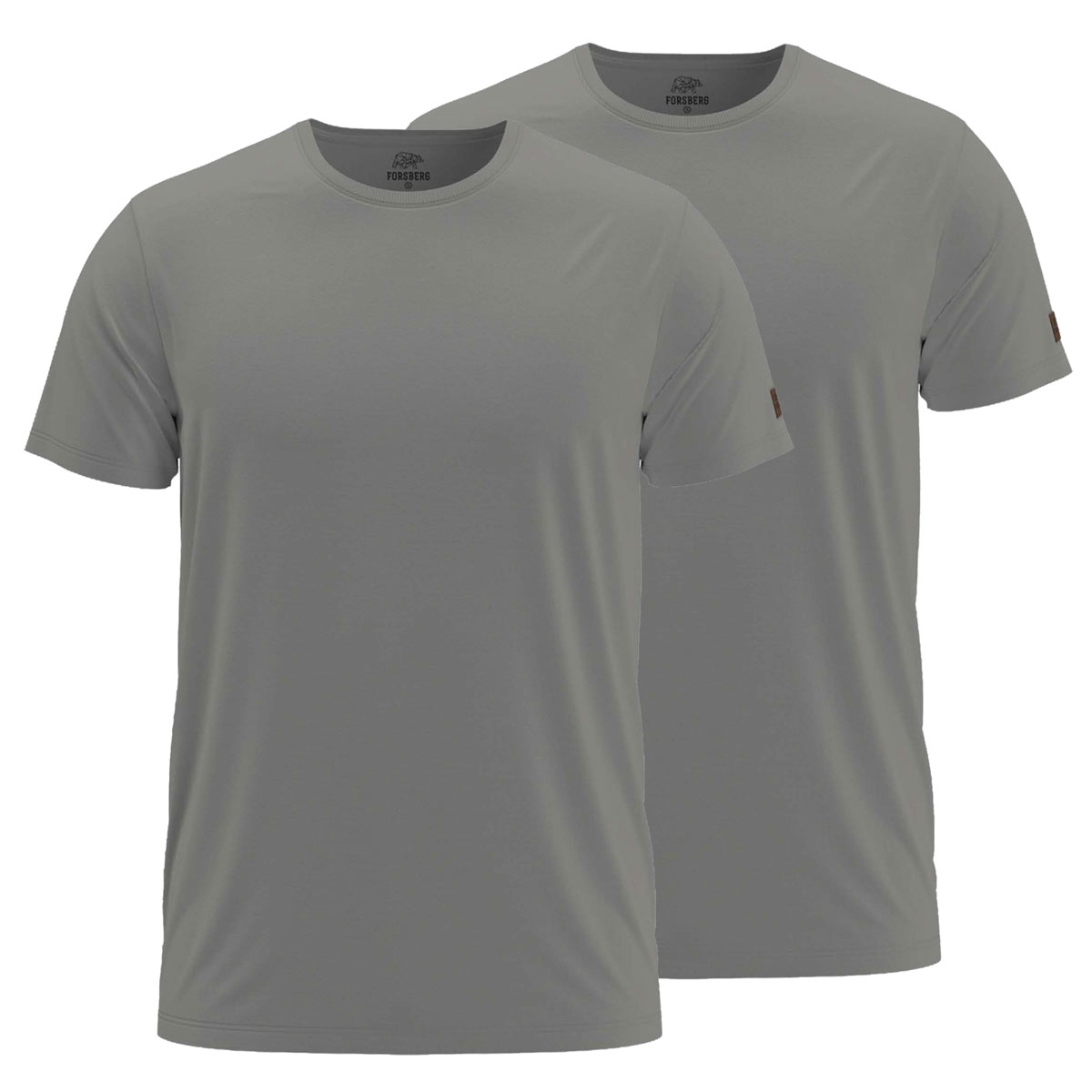
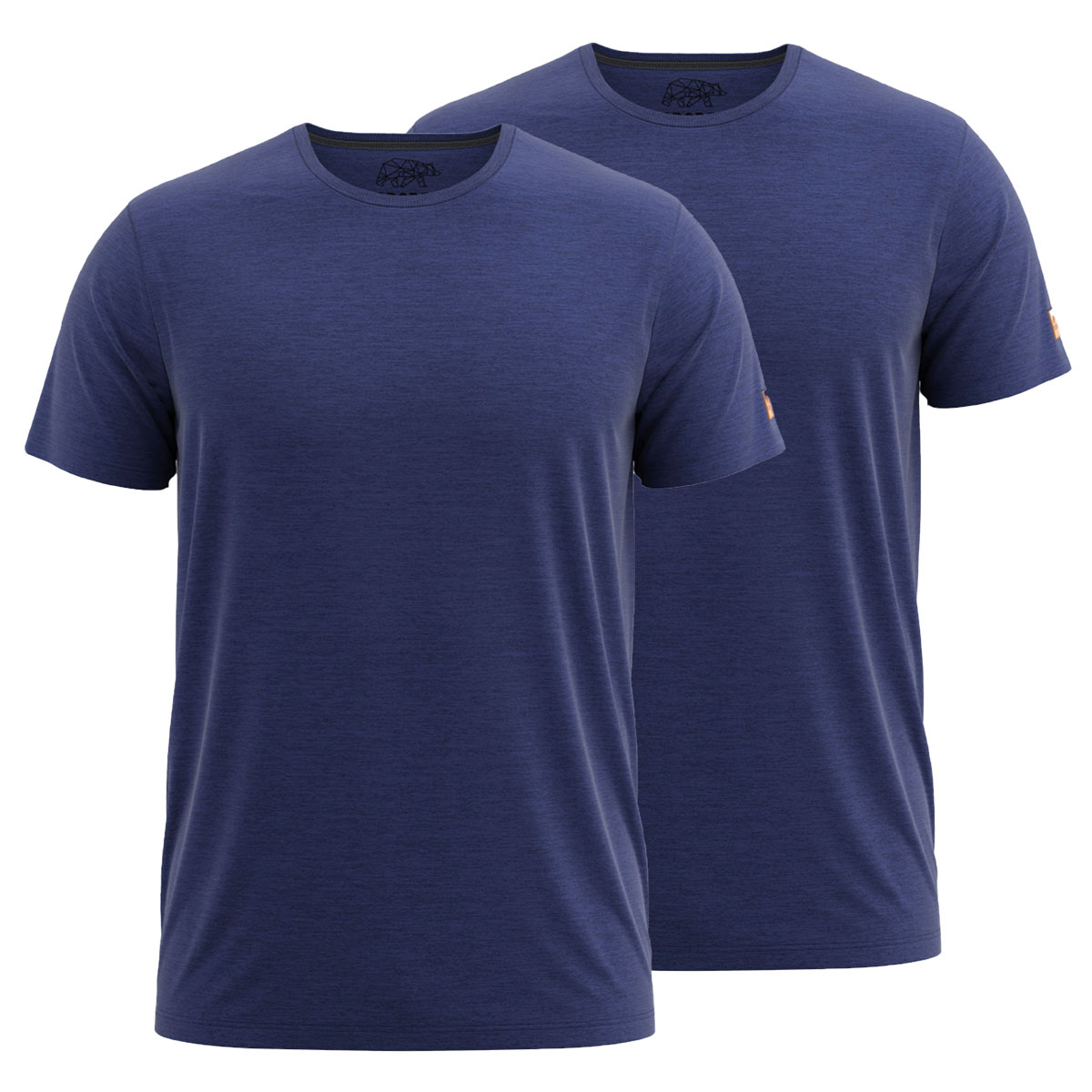
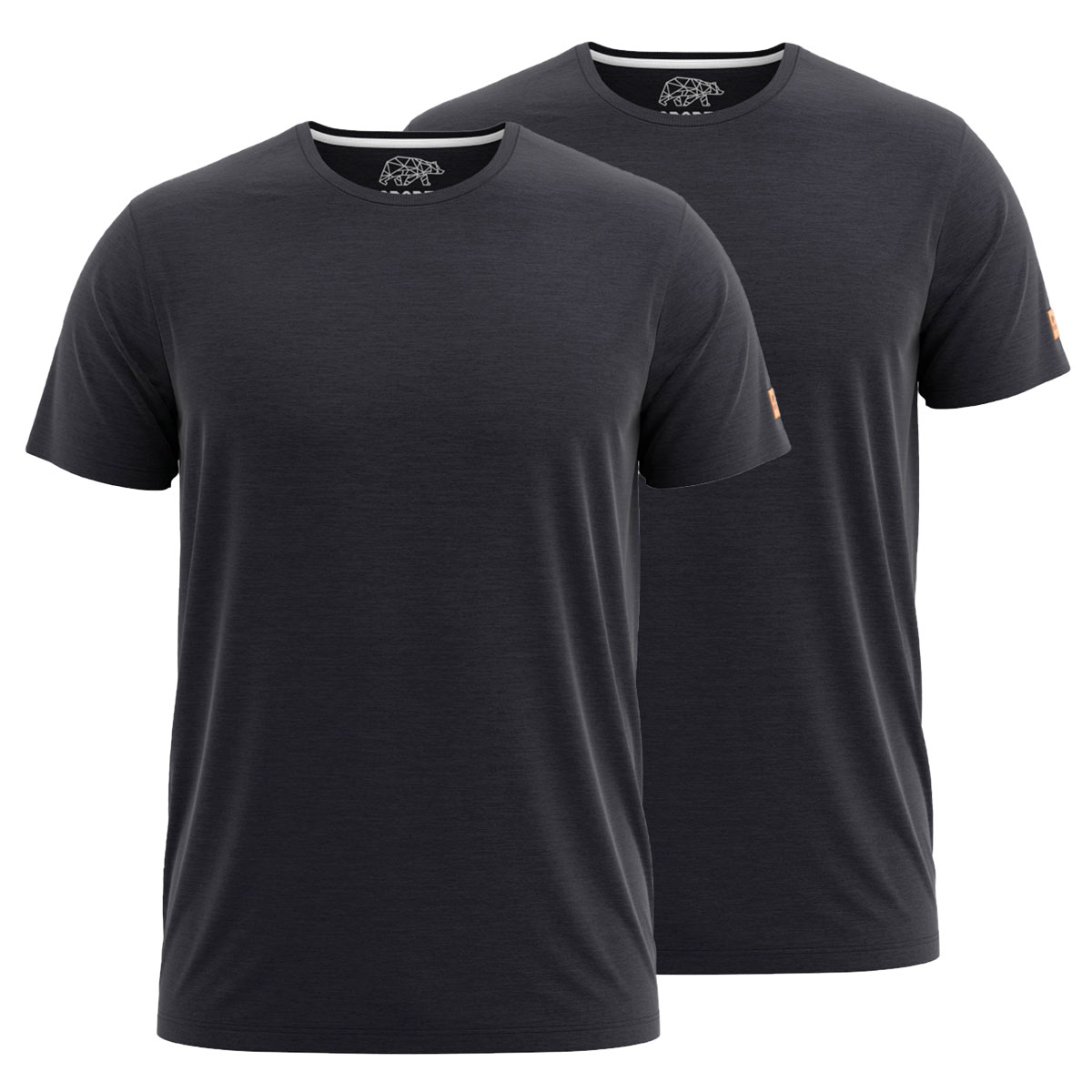
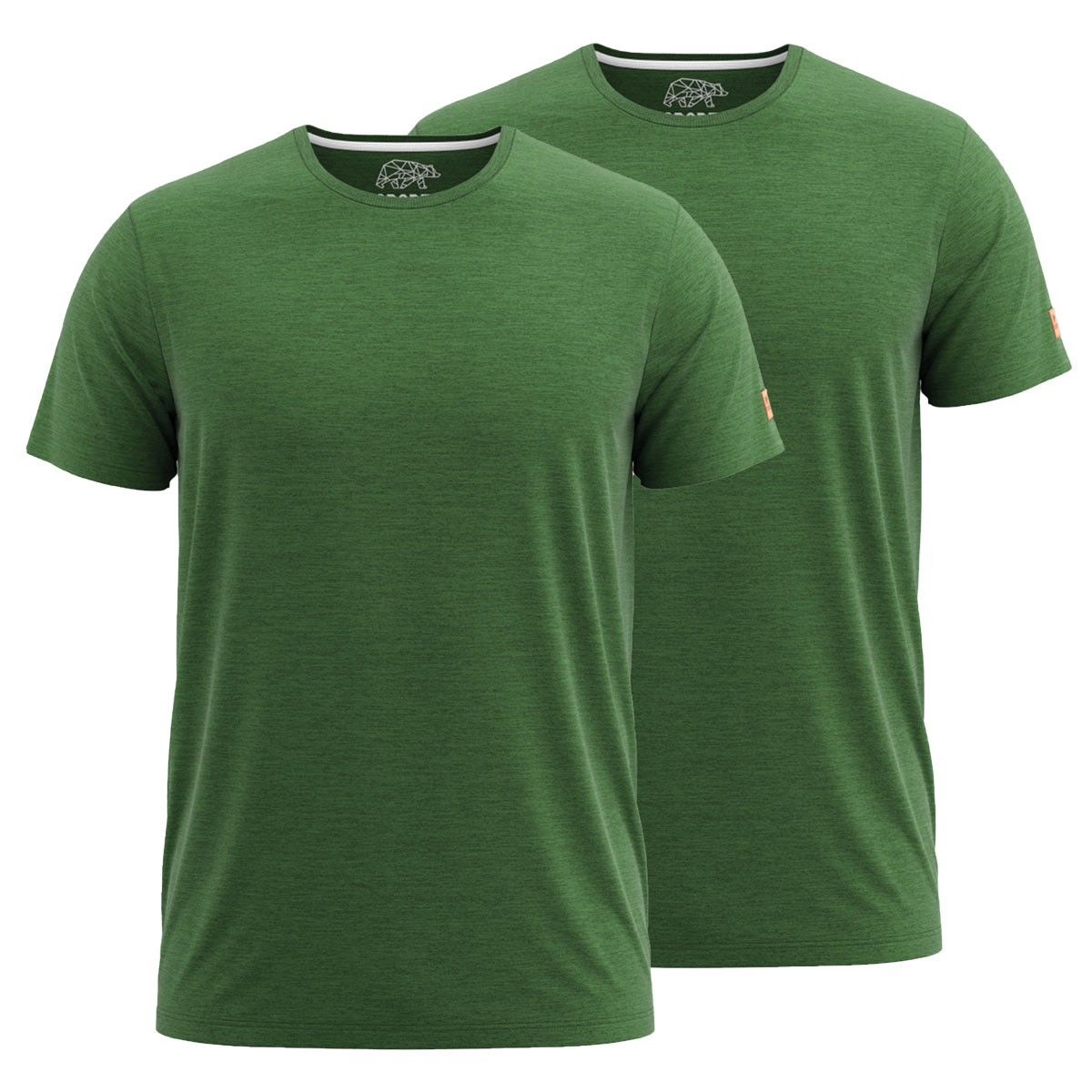
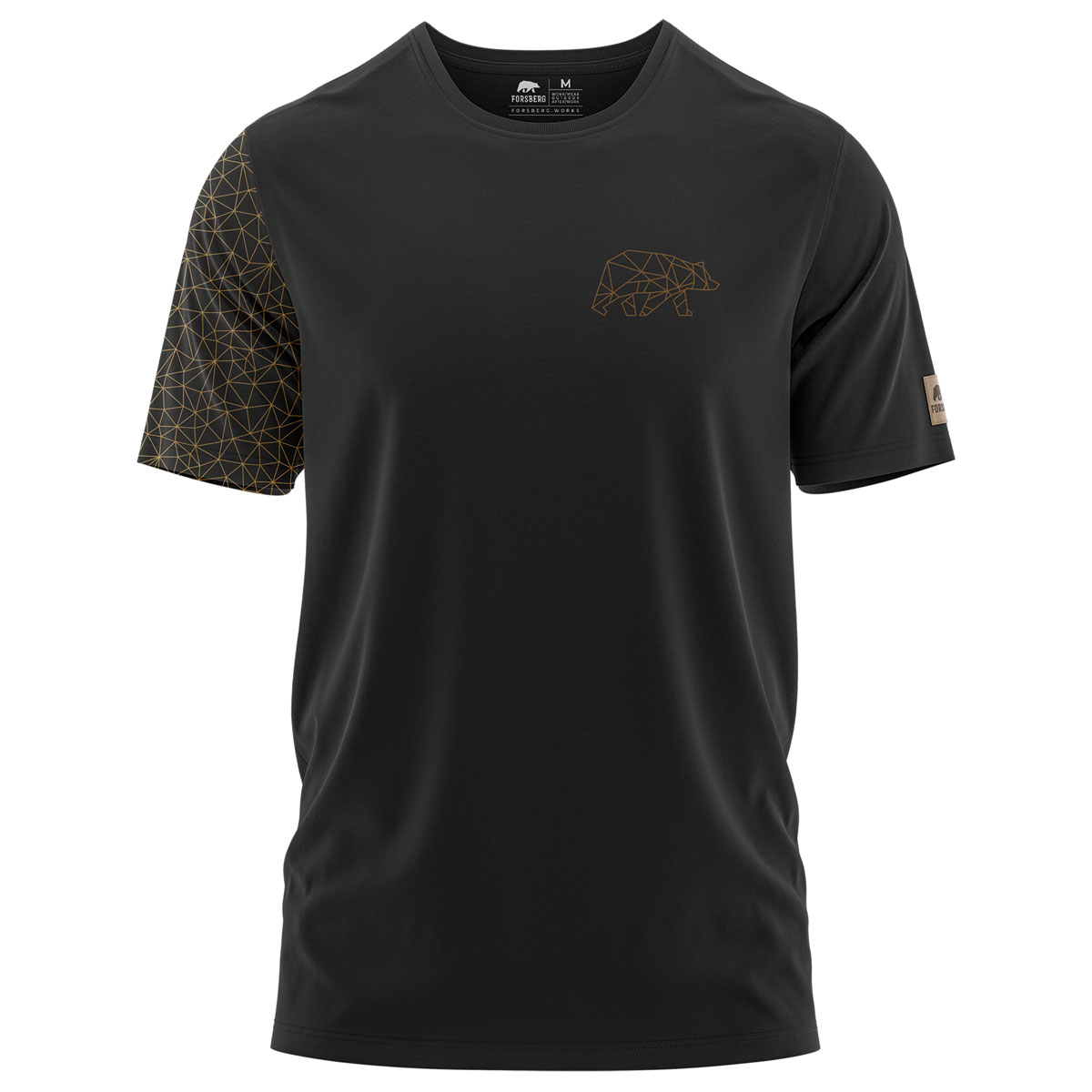
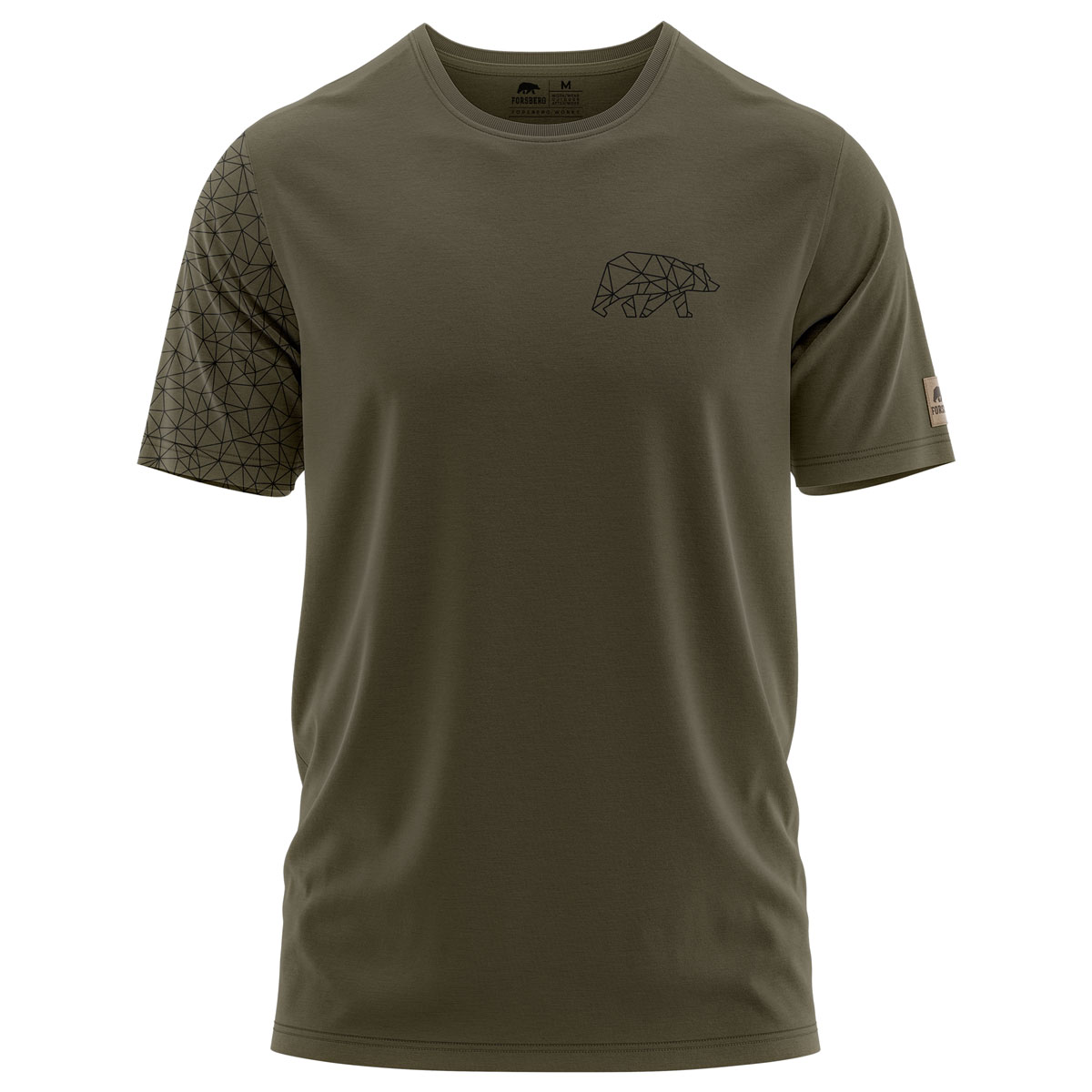
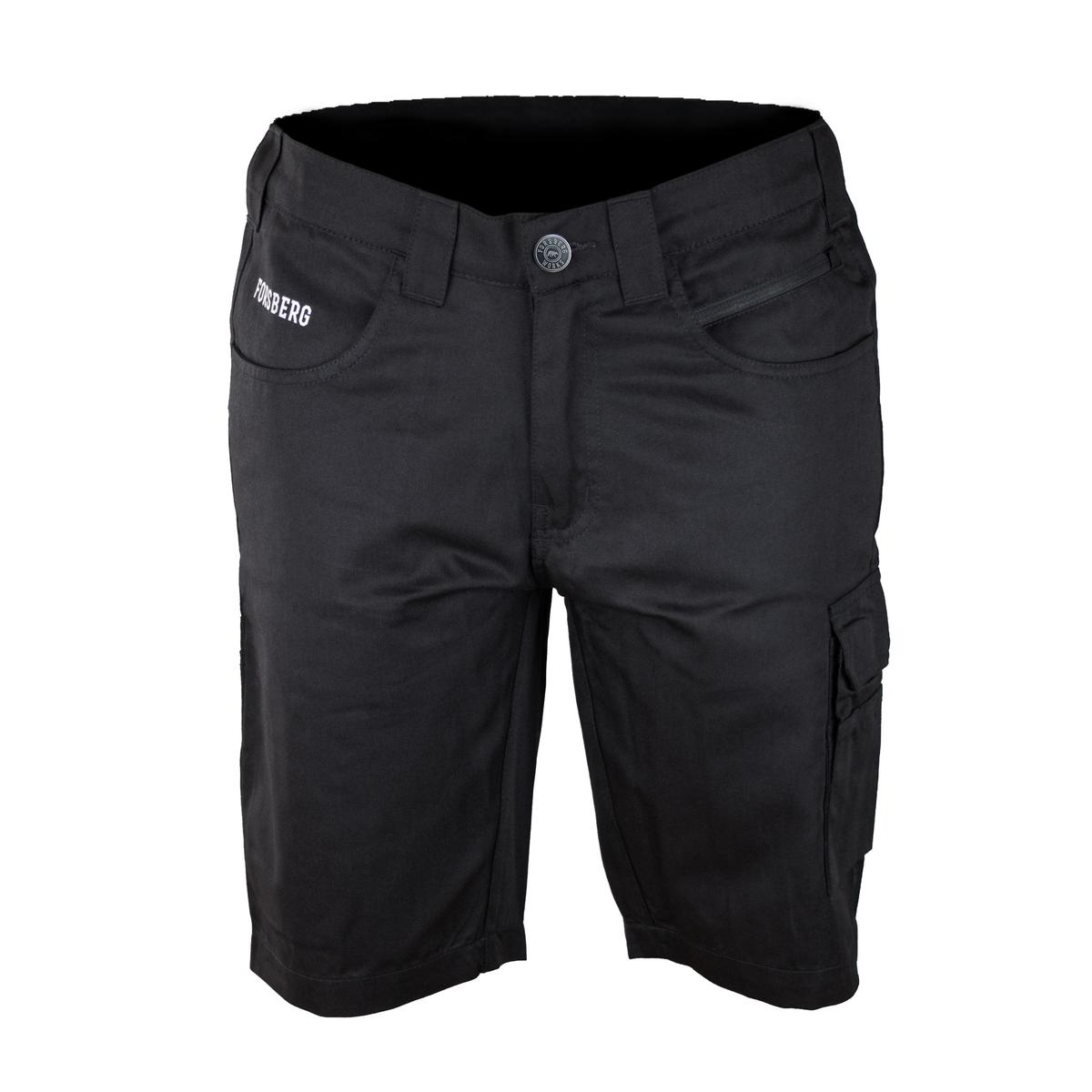
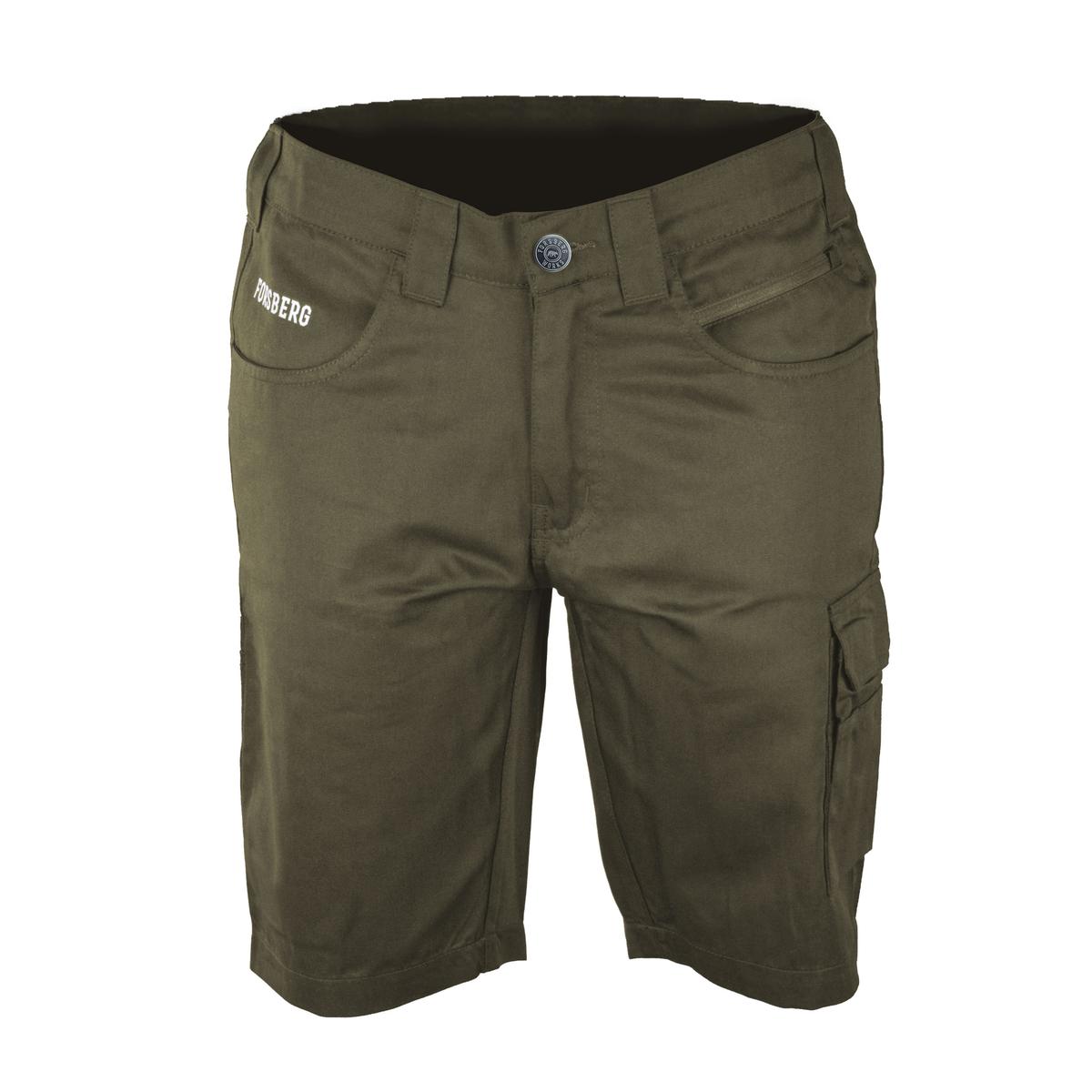
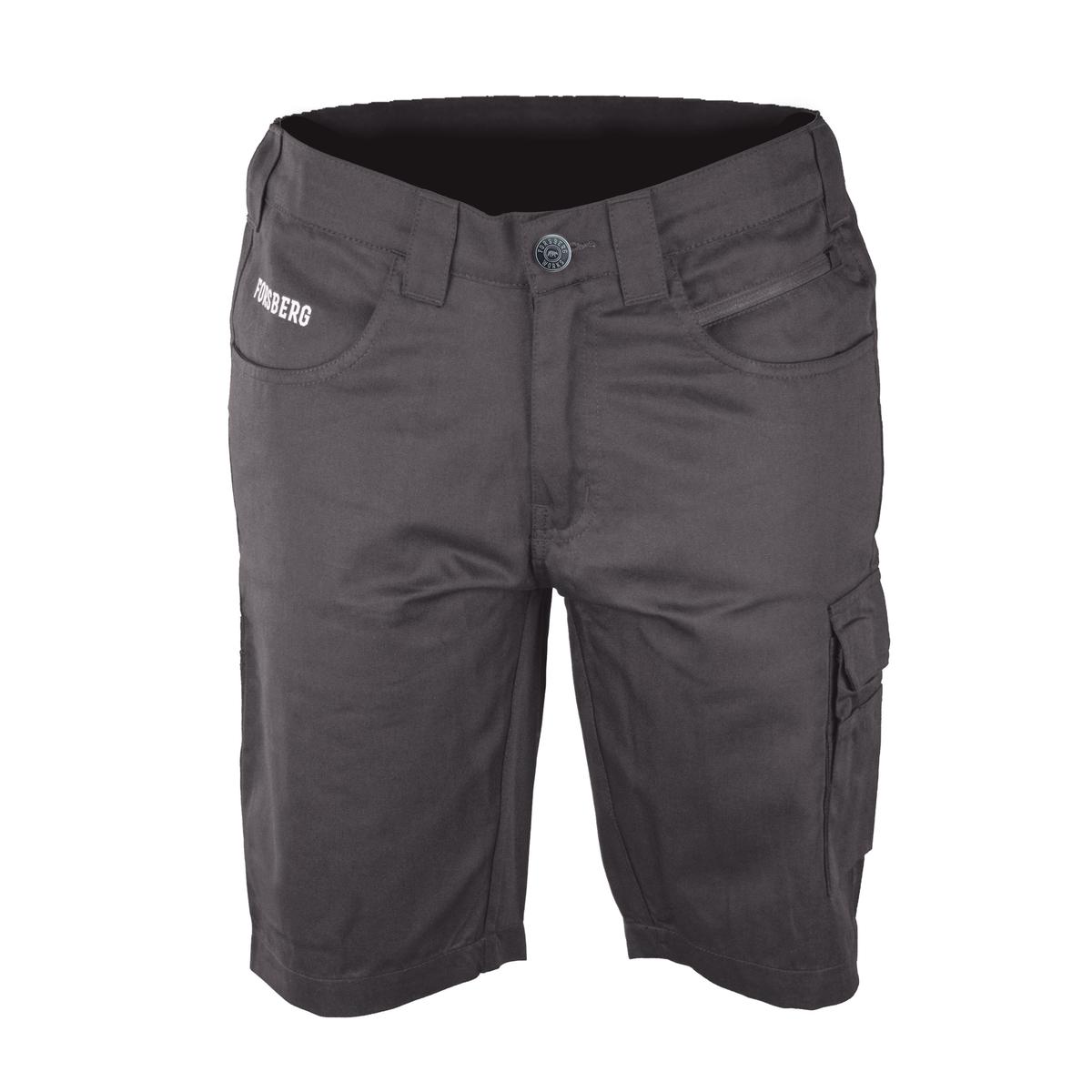
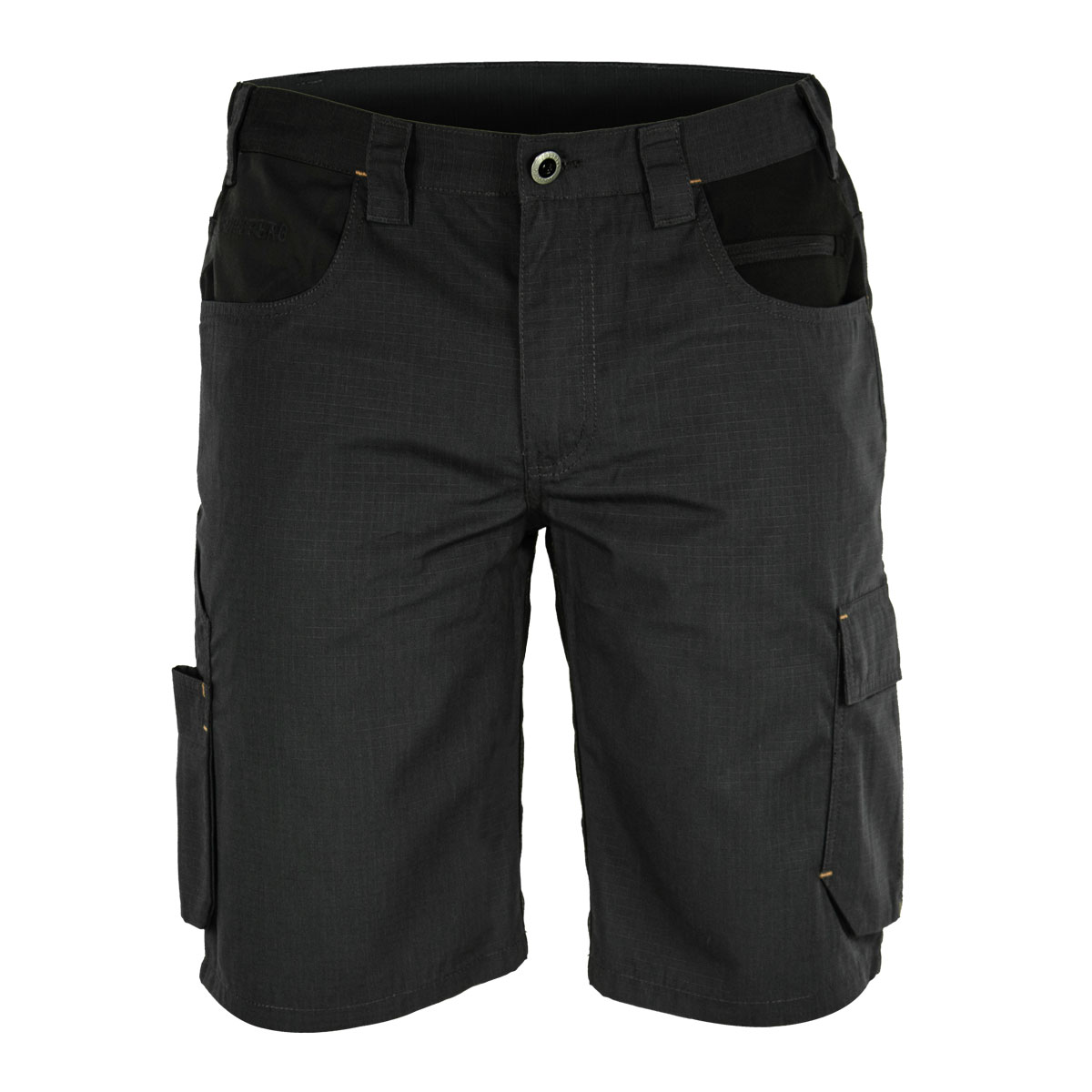
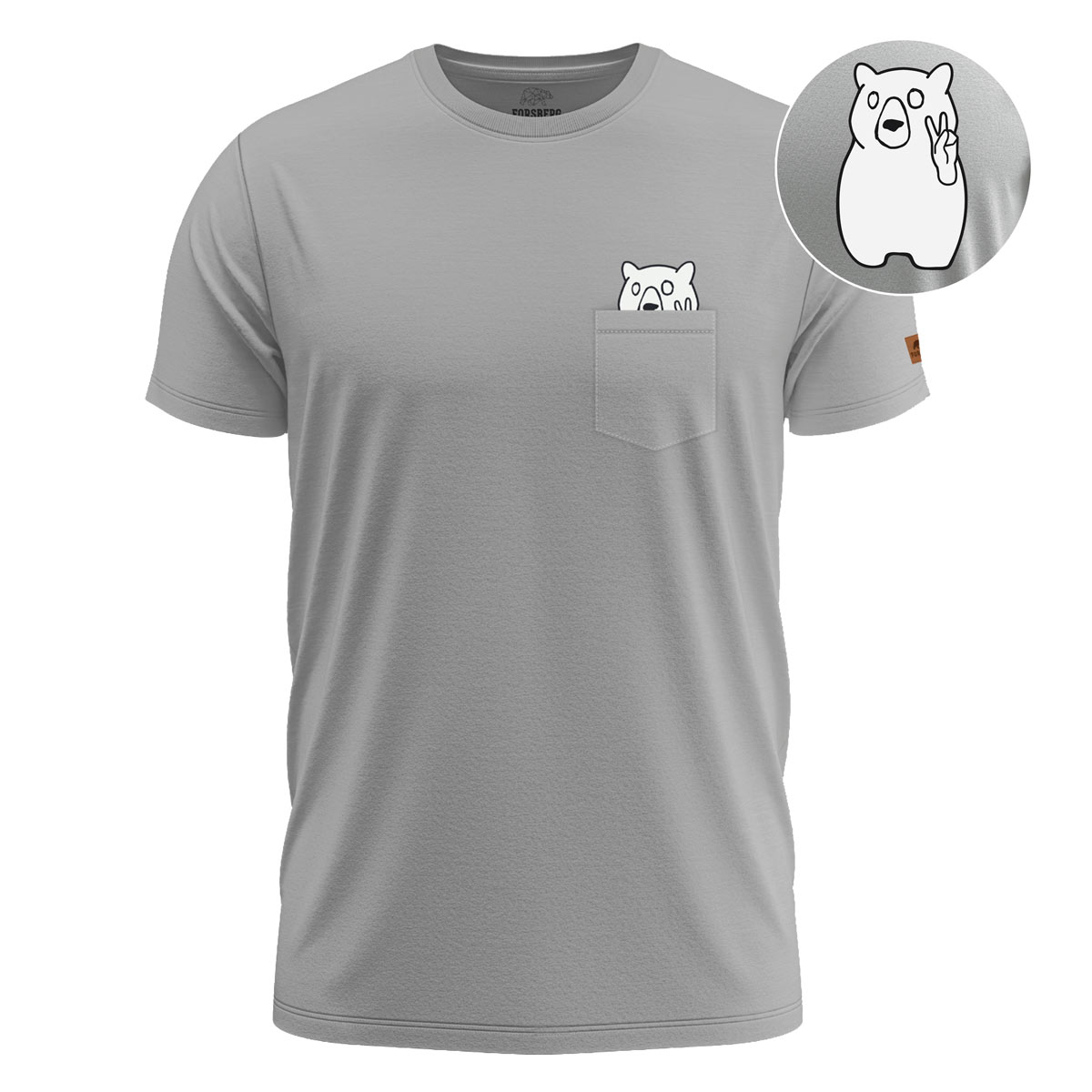
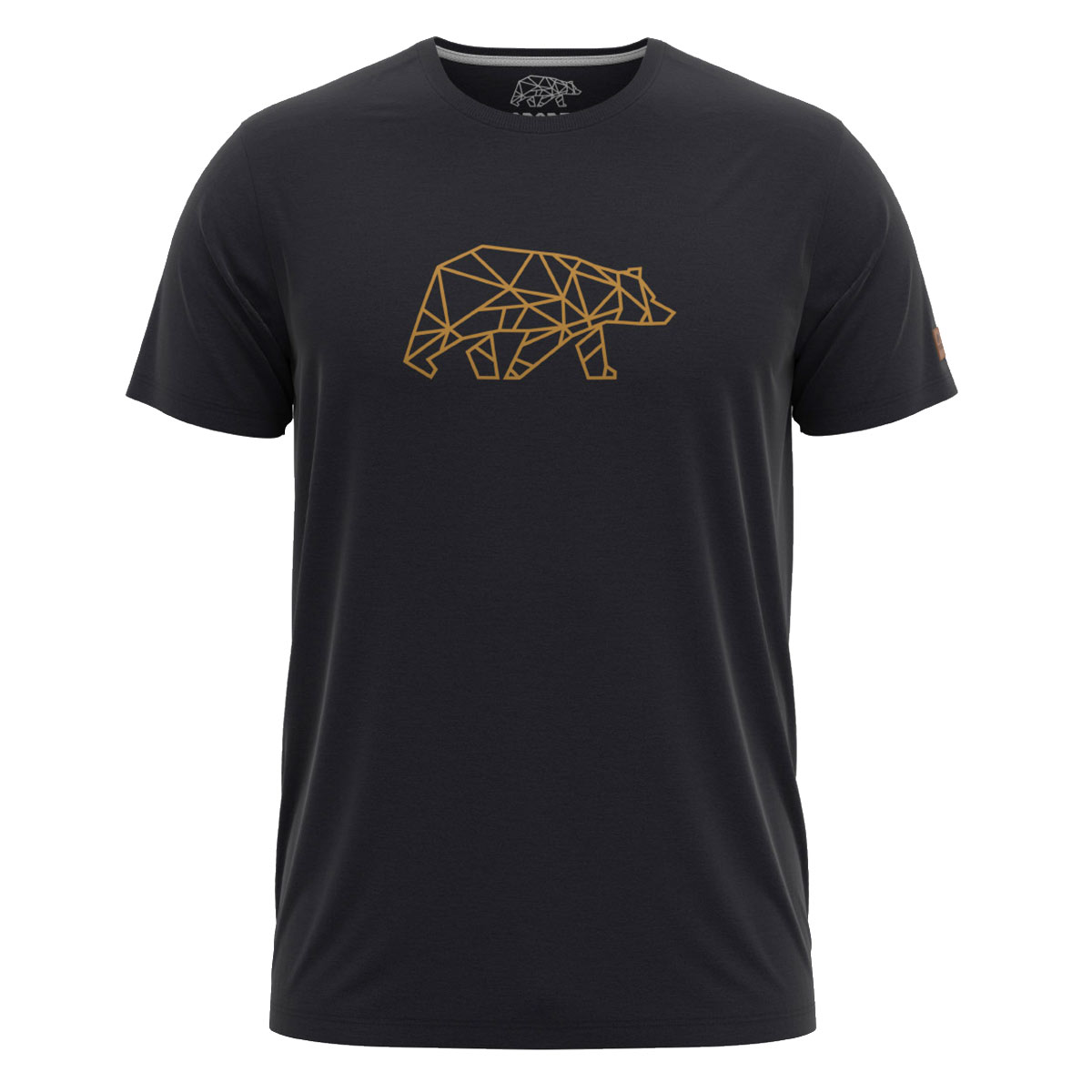
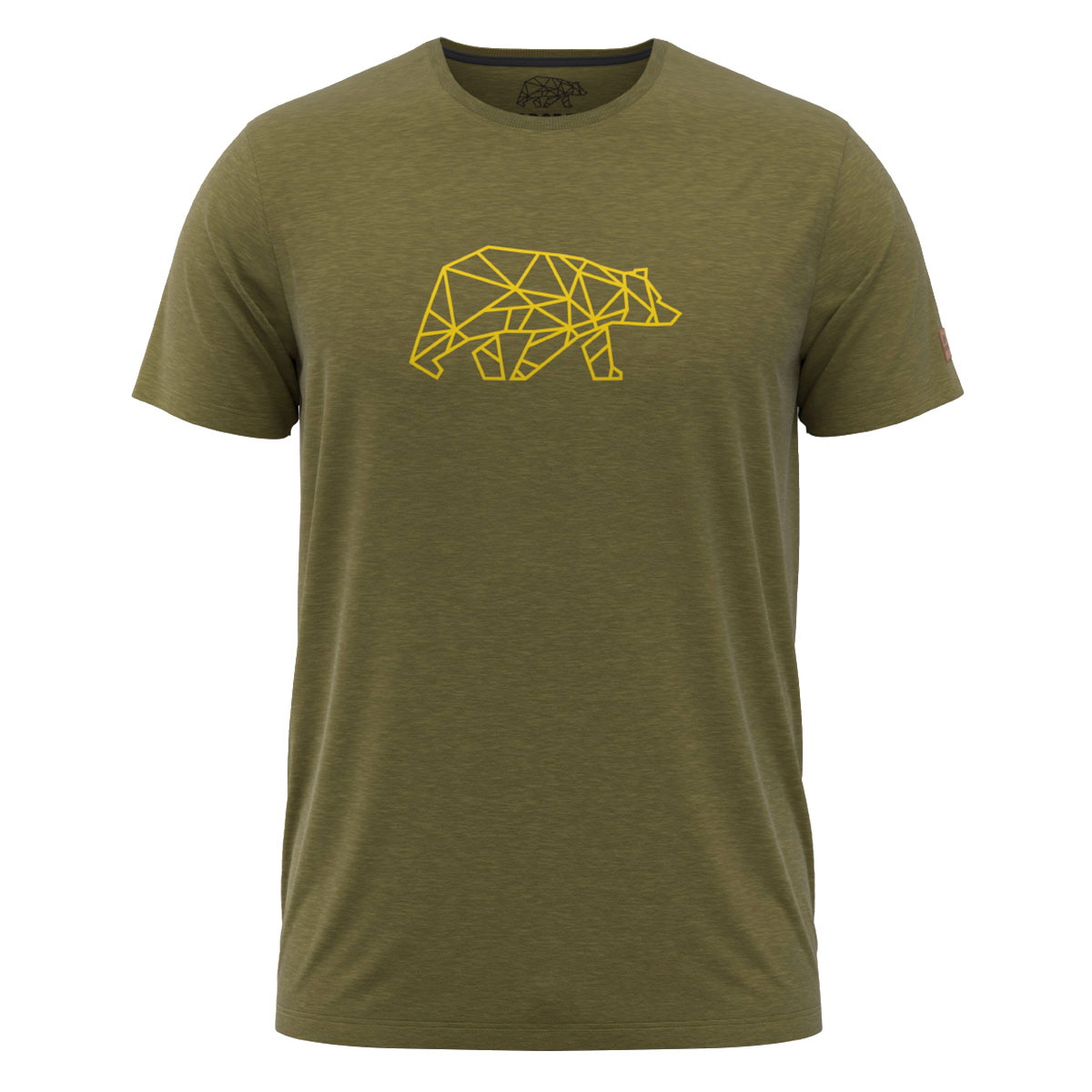
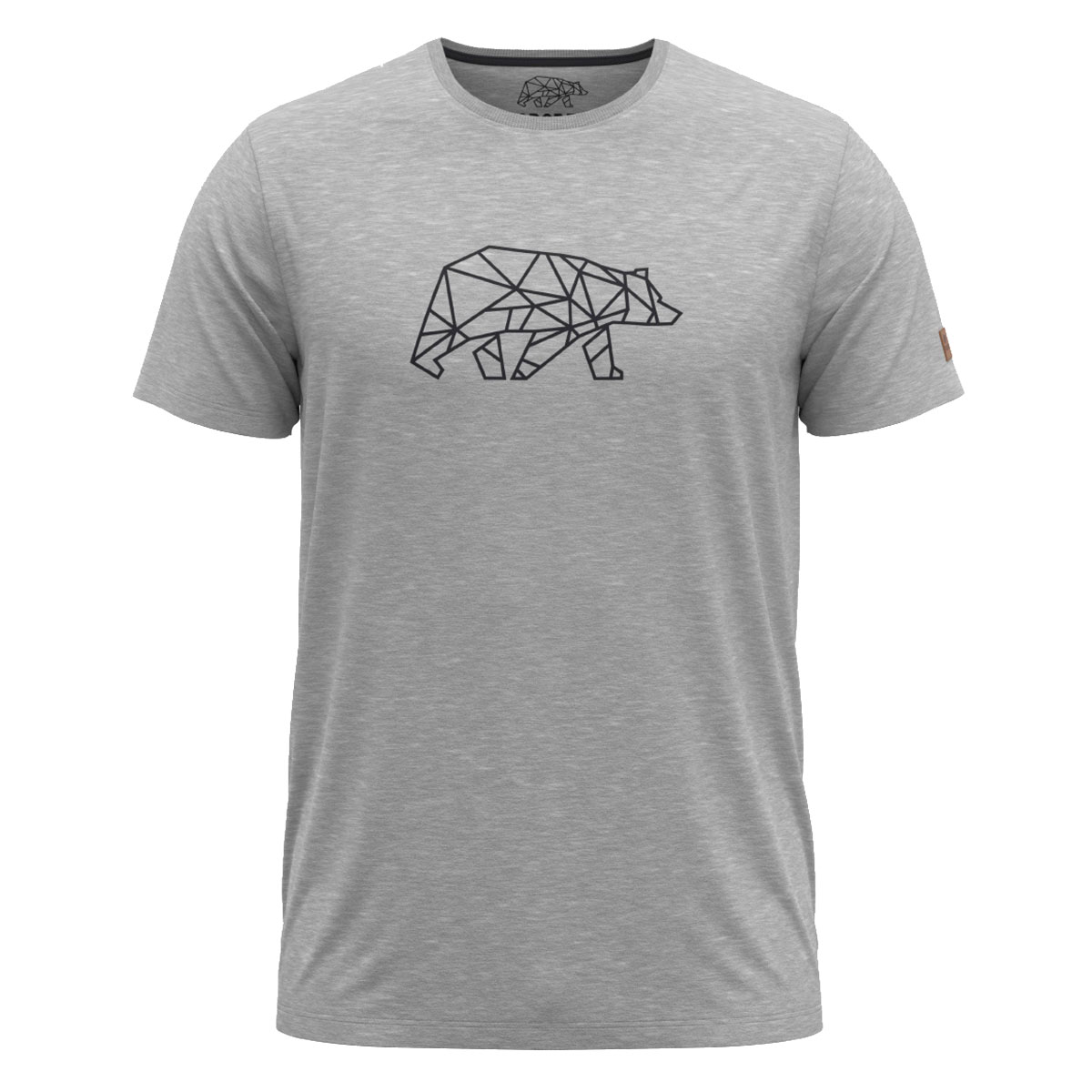
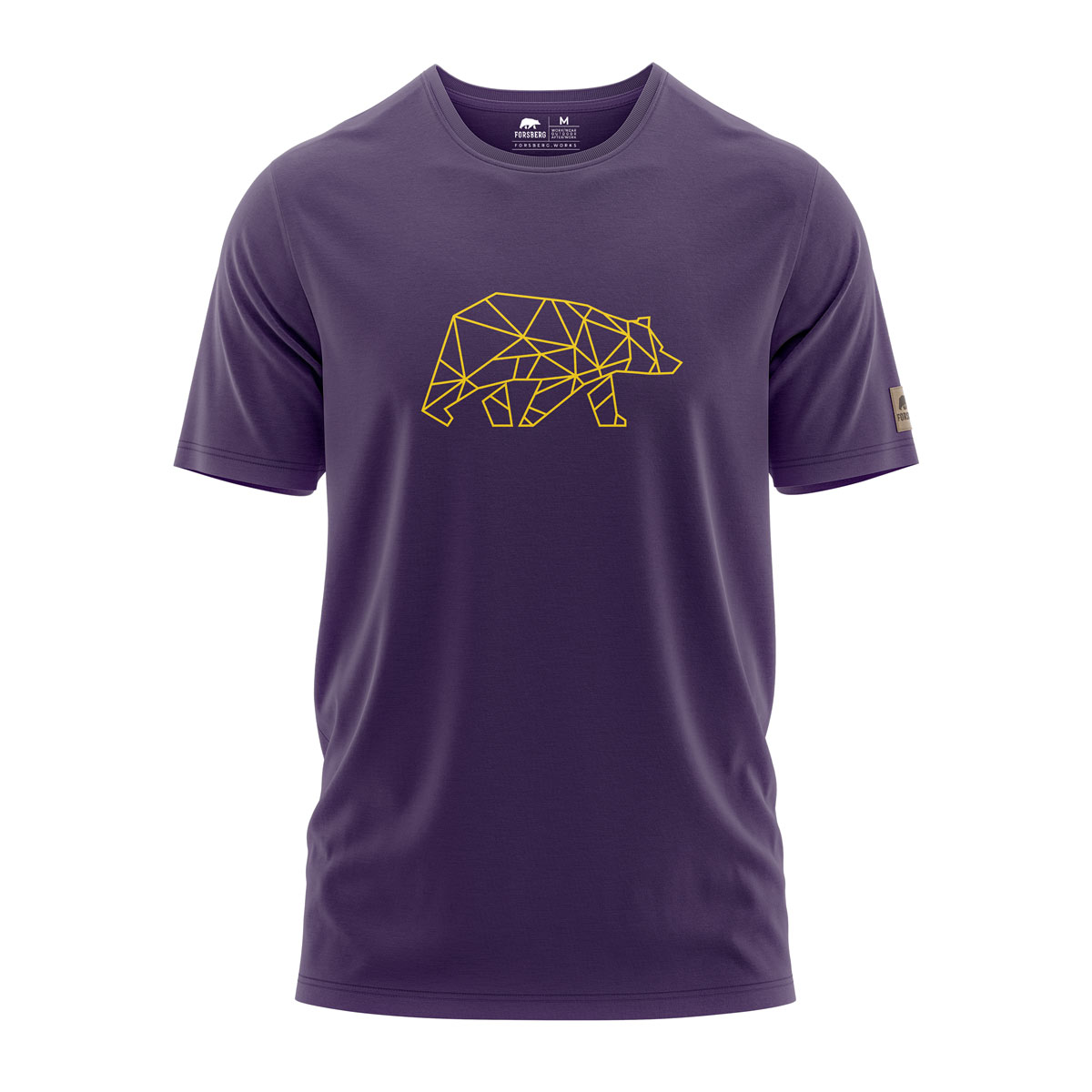
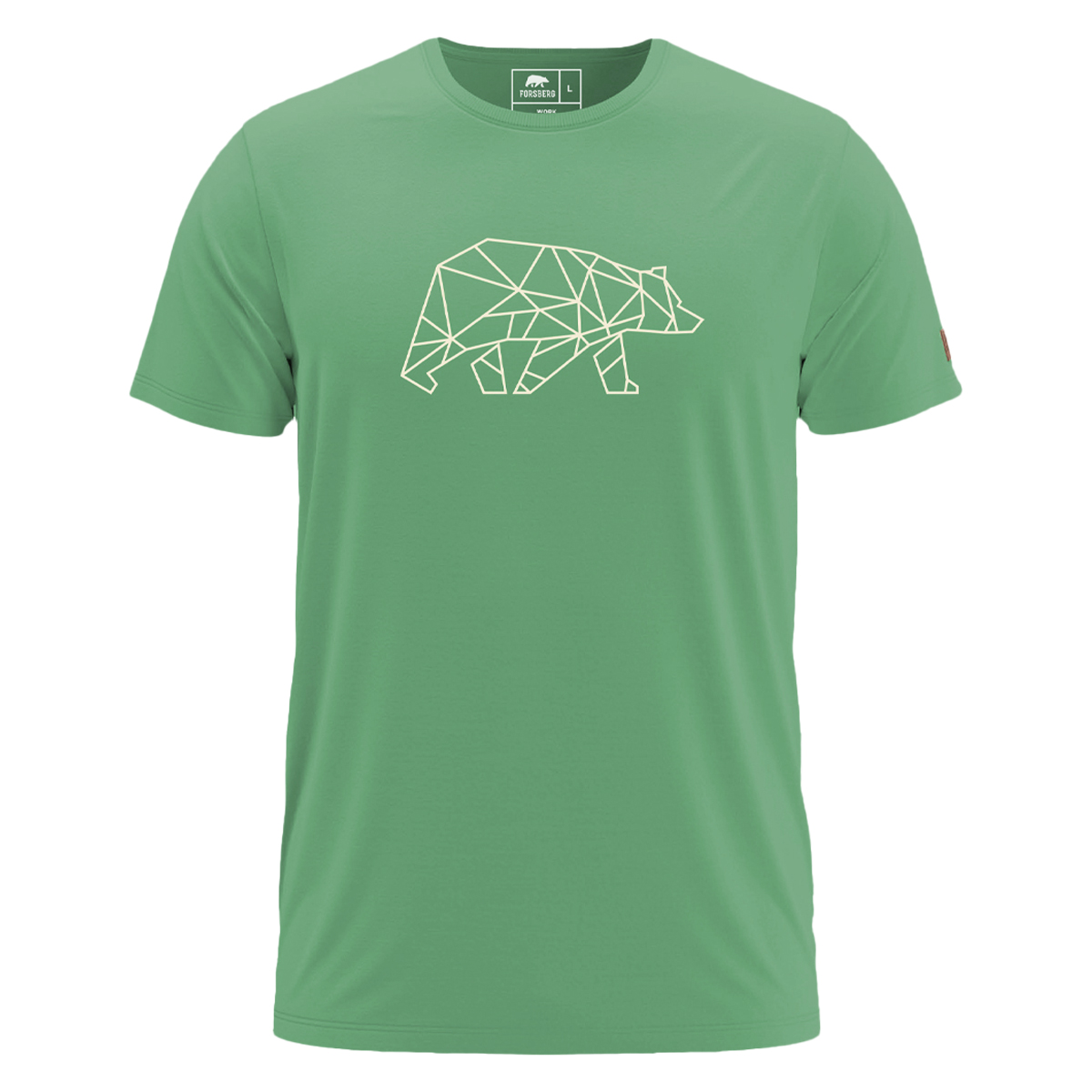
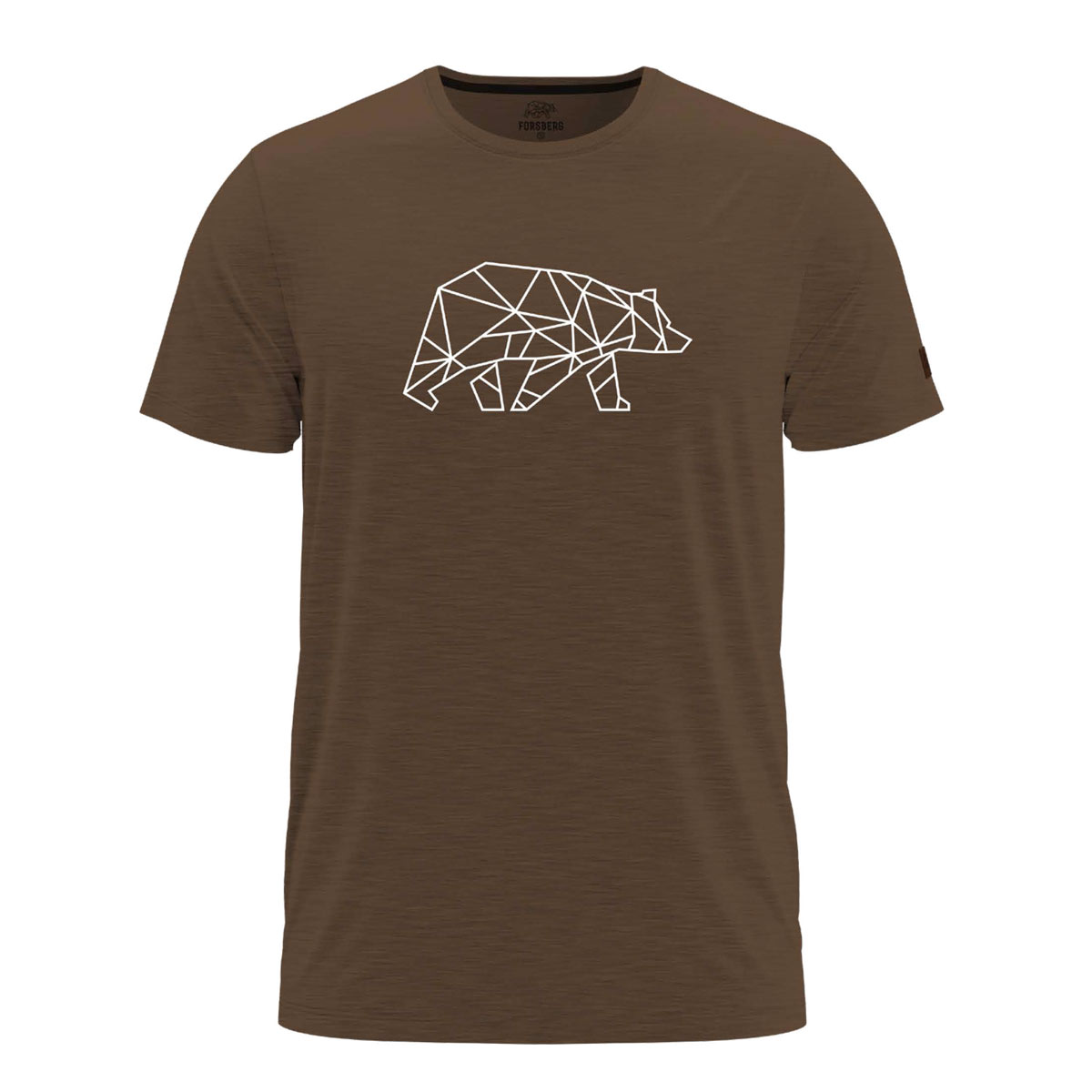
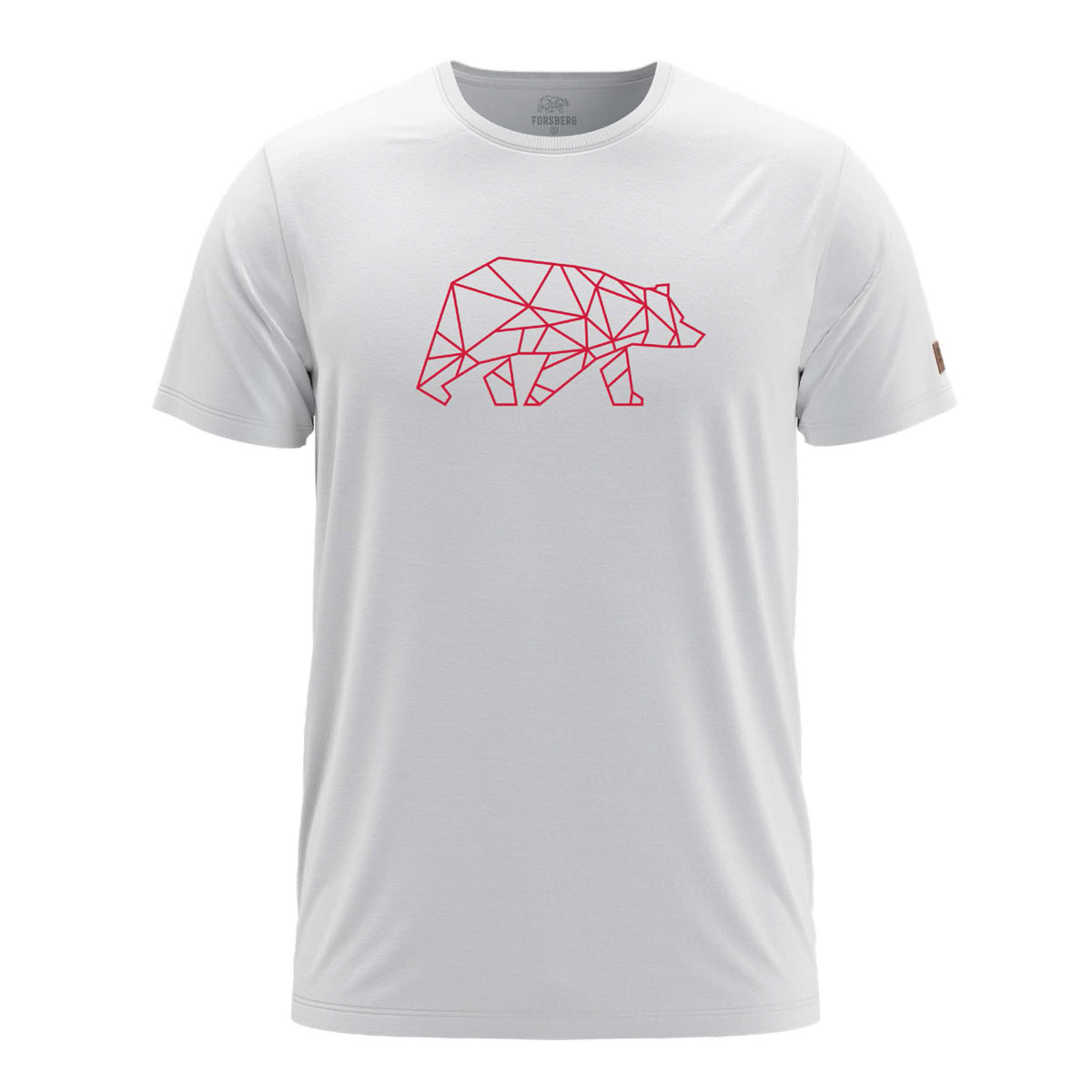
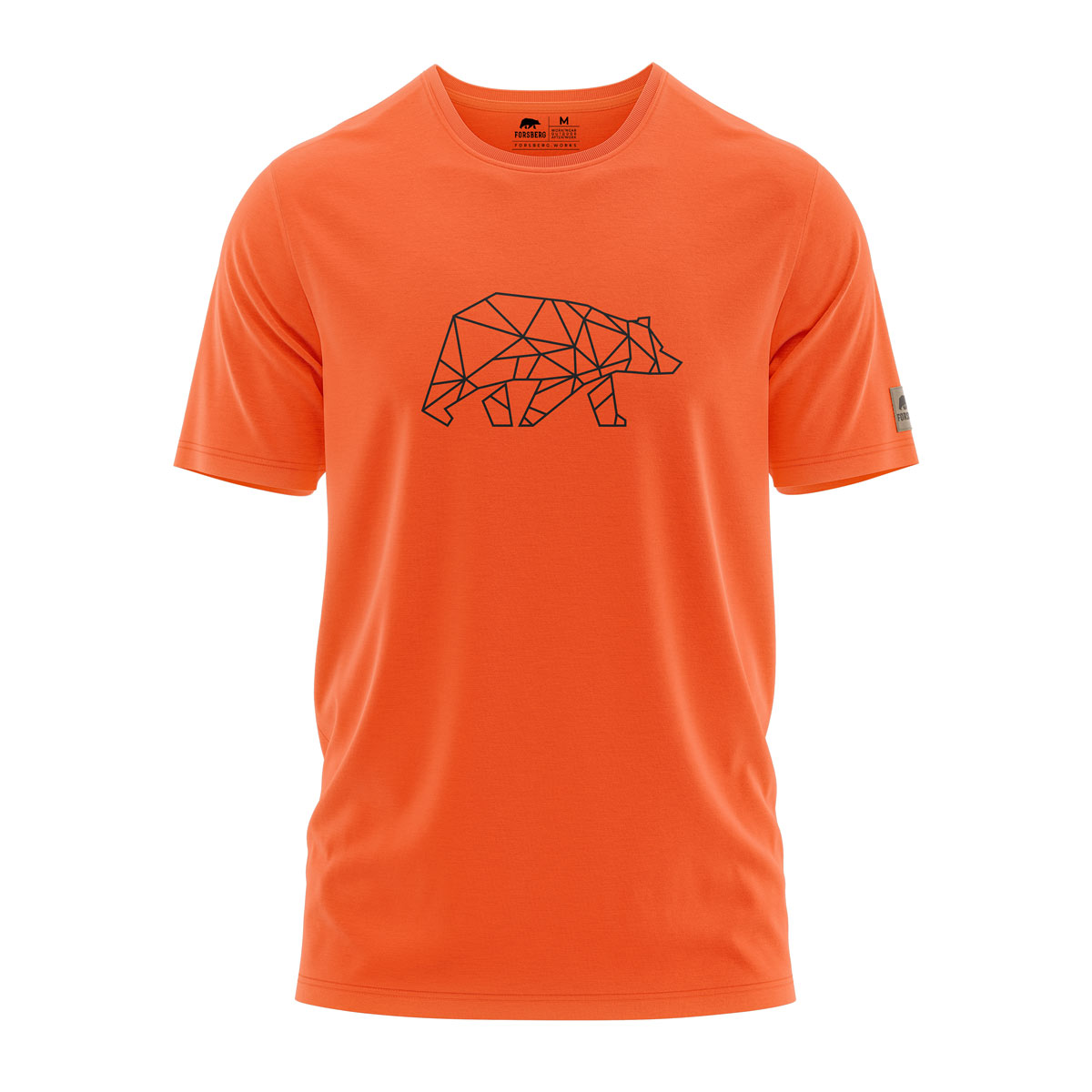
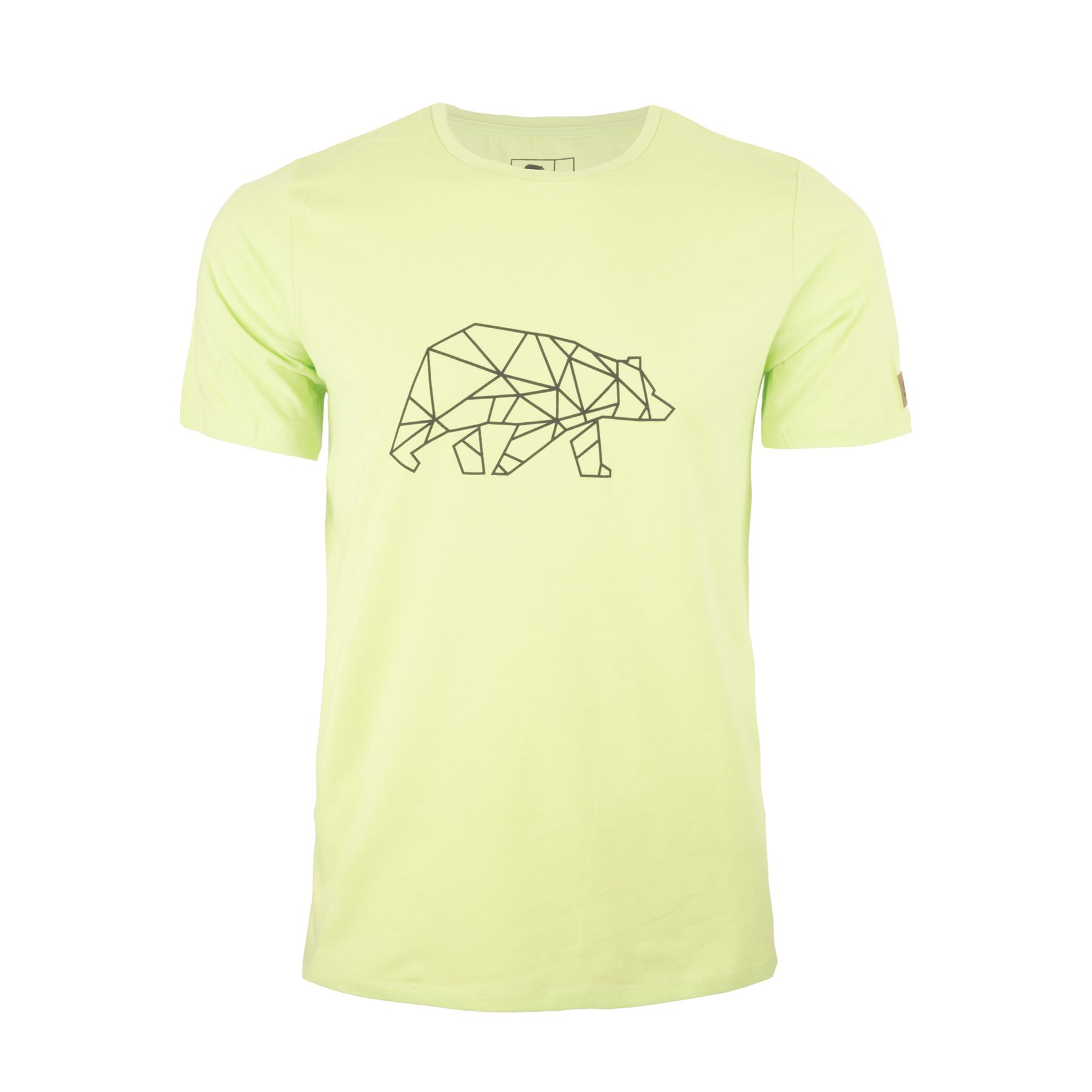
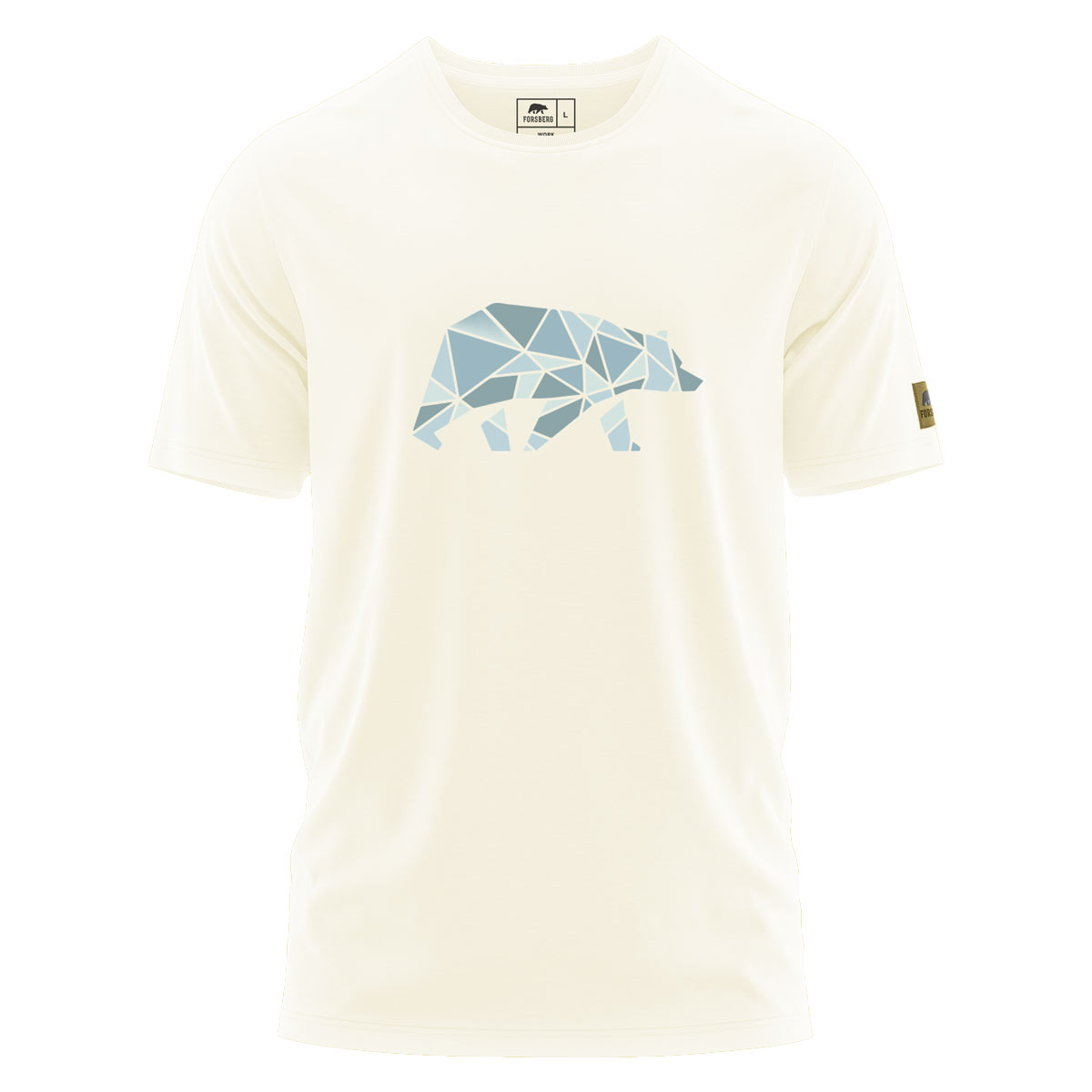
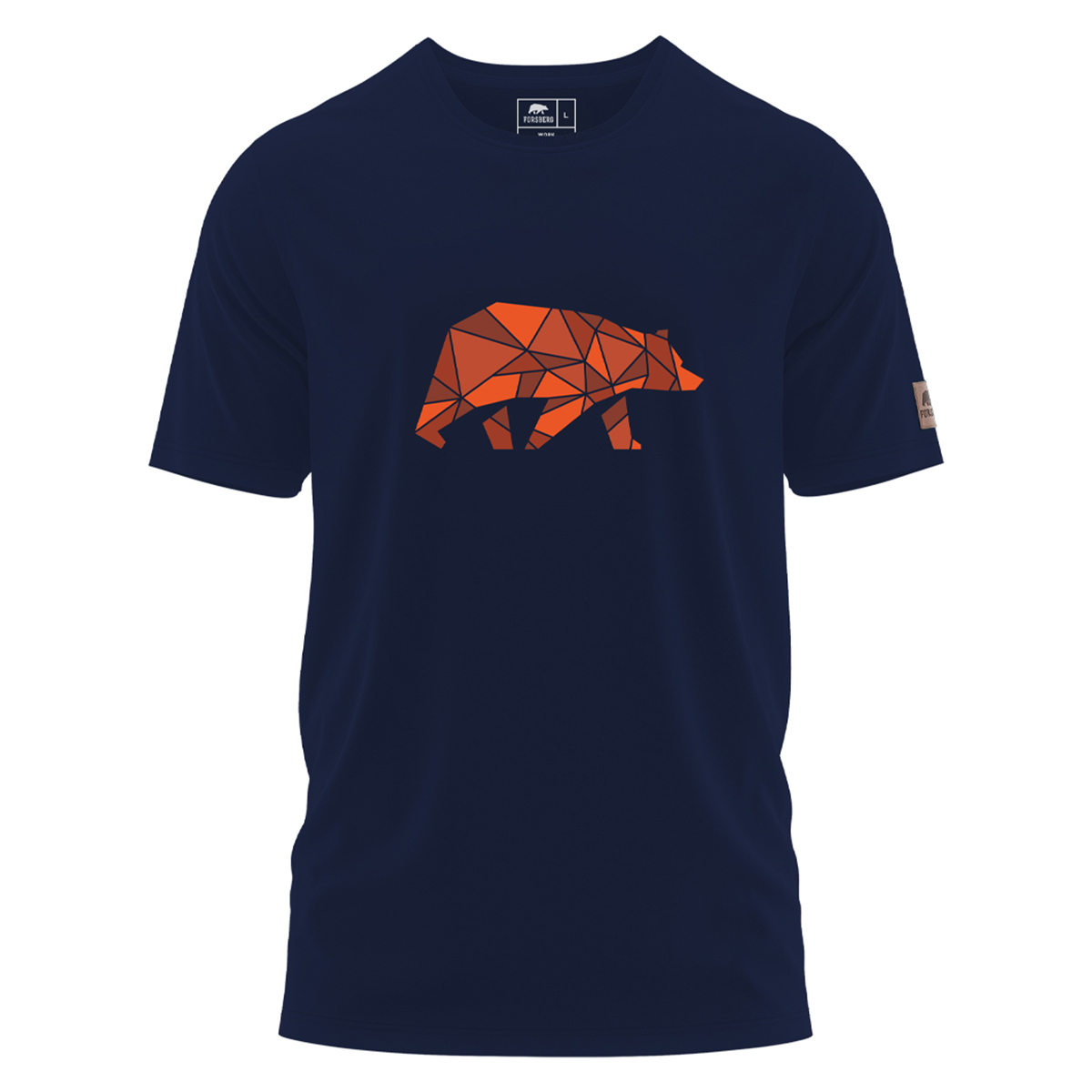
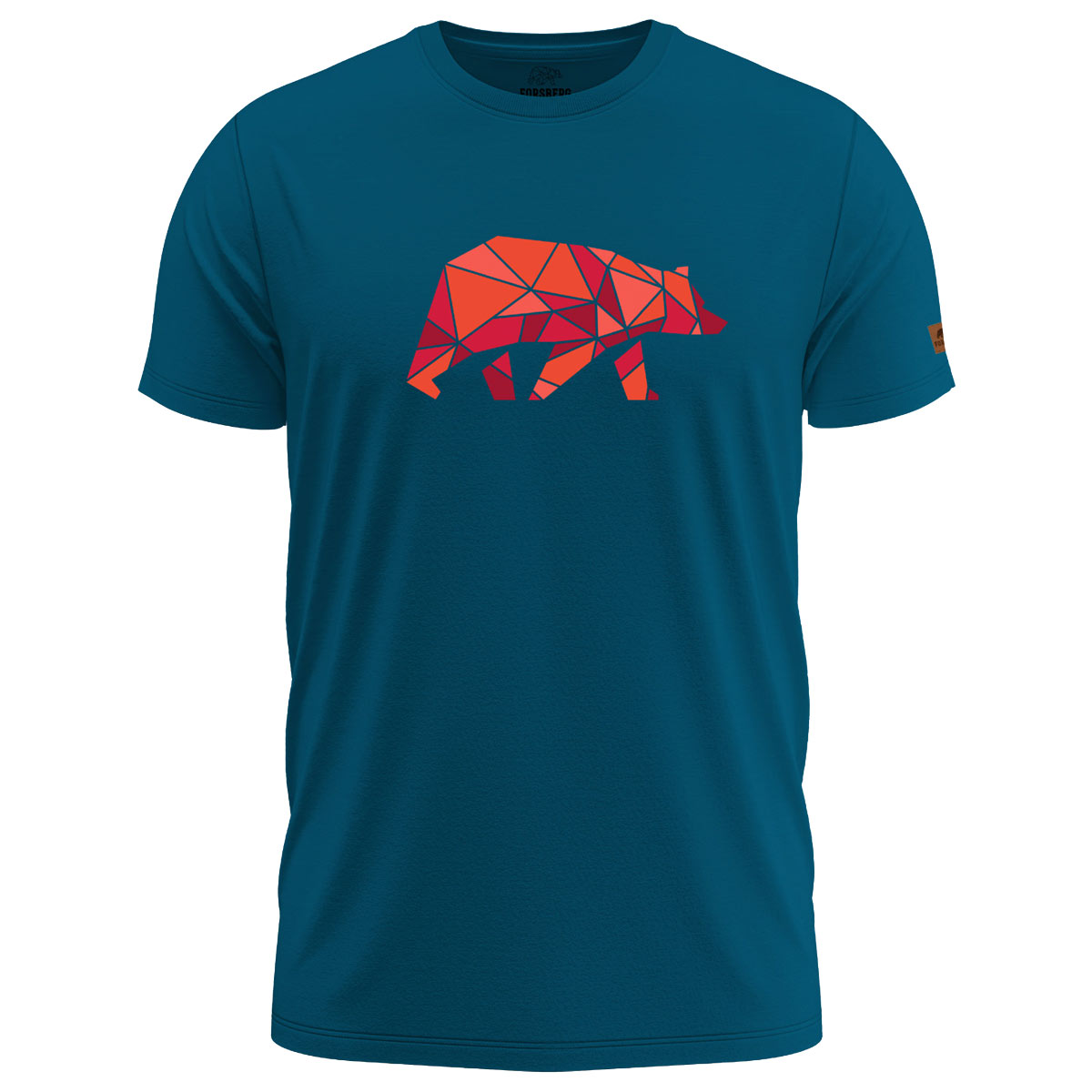
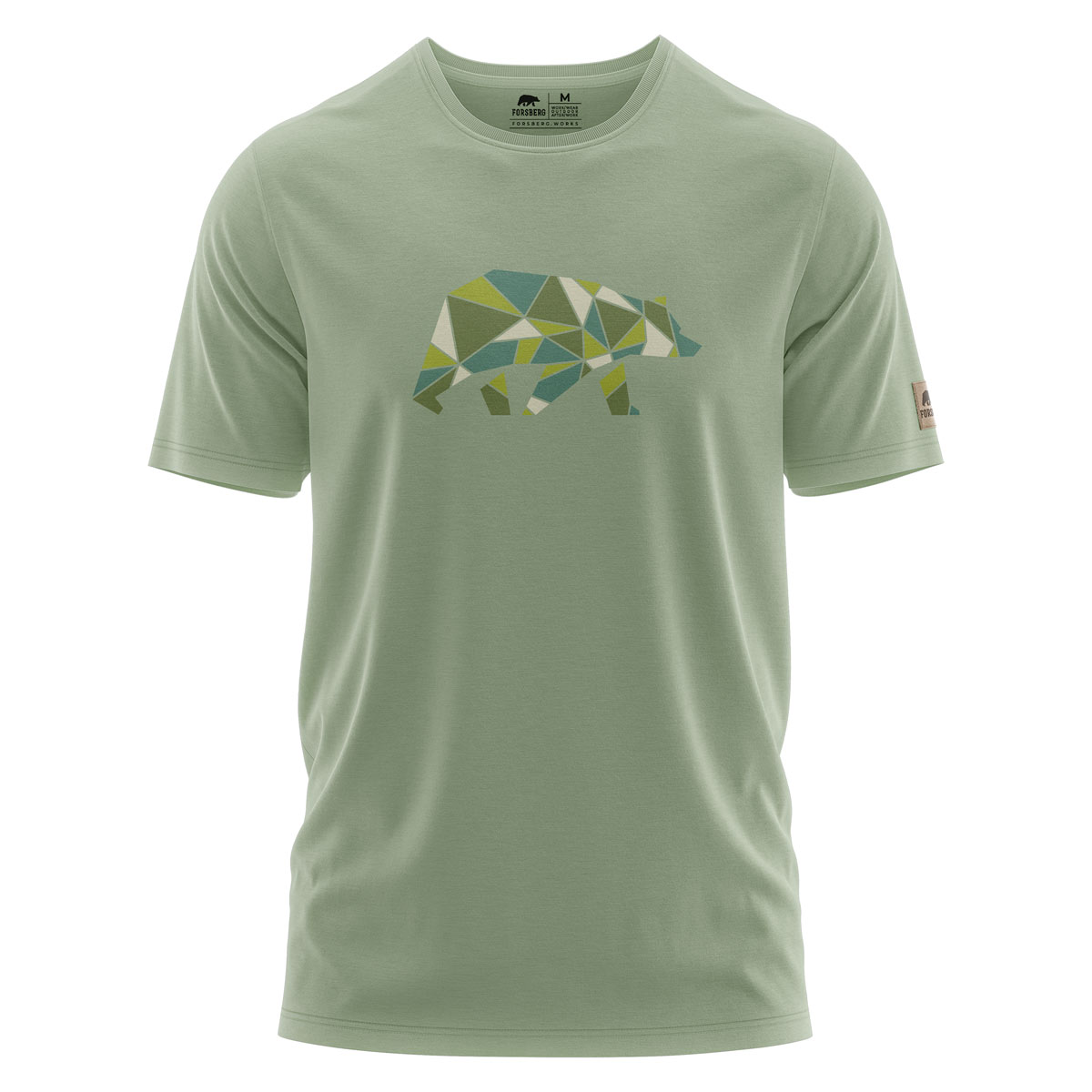
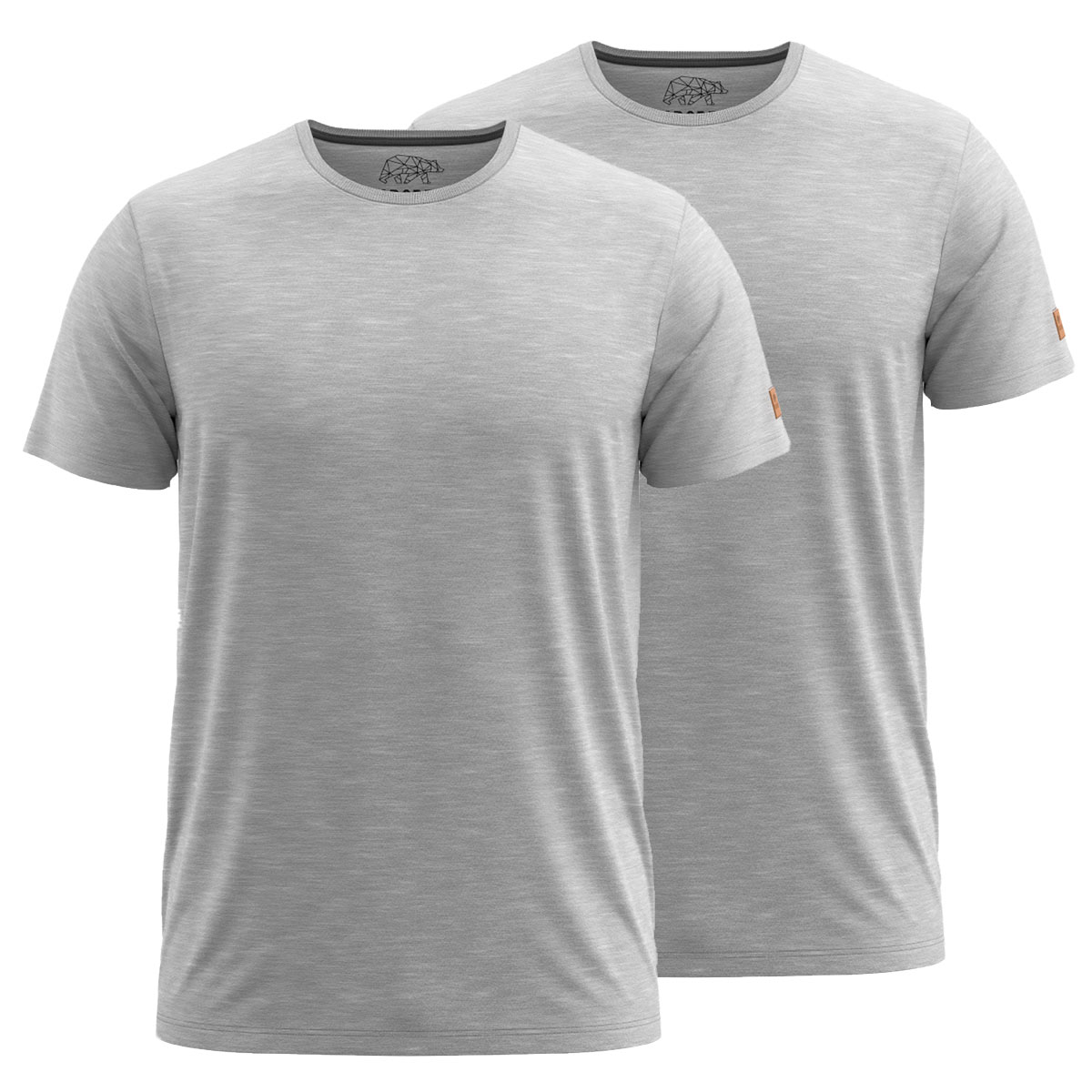
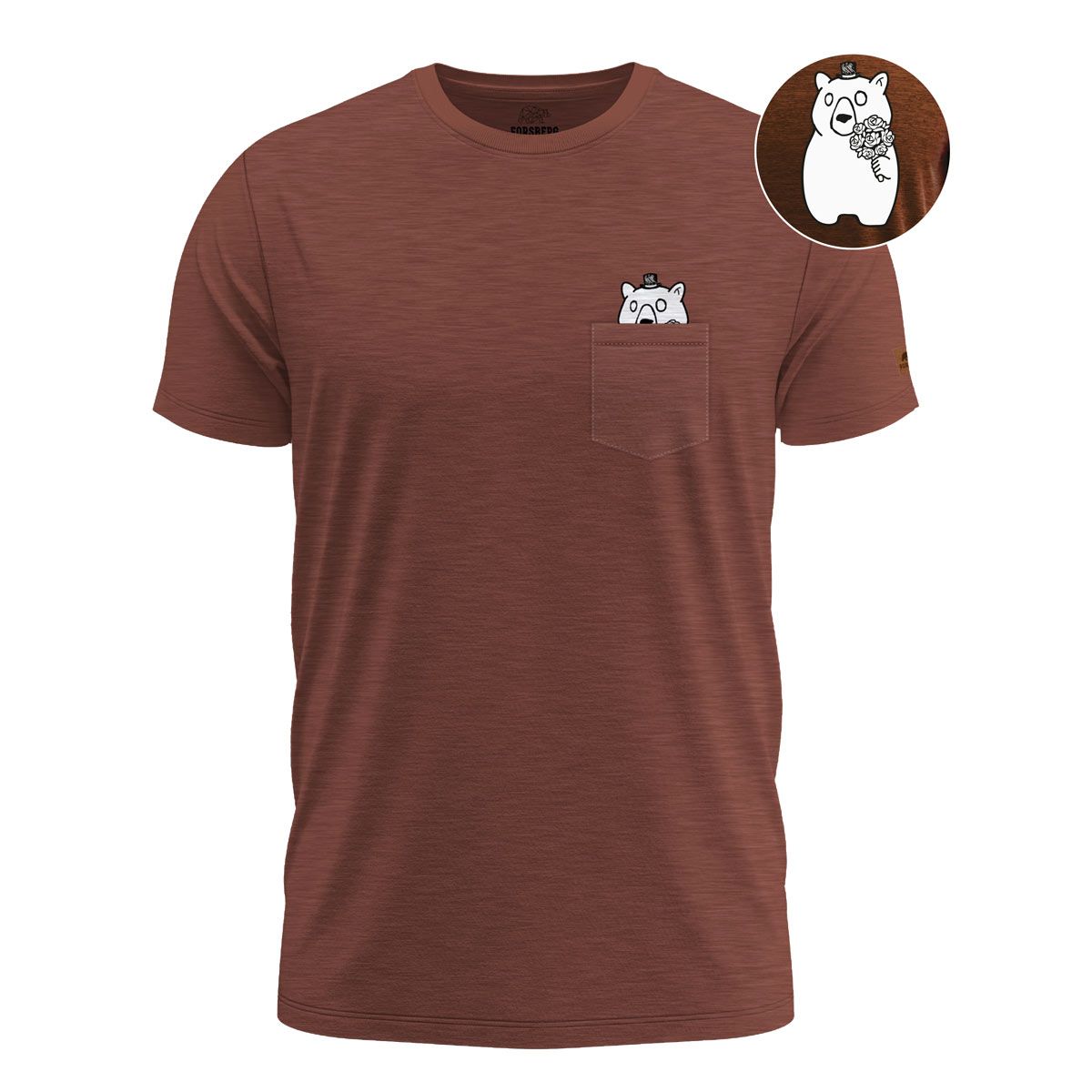
Examples from our range include the Halvarson and Fingarson T‑shirts, the Braxa work shorts with stretch zones and the solid colour T‑shirt twin pack — pieces that combine useful details with easy care and good value.
Which materials and technologies are relevant for Bestsellers?
Bestselling work and casual garments rely on a small set of proven materials and finishing techniques.
Common materials
- Cotton (ring‑spun): soft, breathable and familiar; often used in T‑shirts and polo shirts.
- Cotton blends (cotton/polyester ± elastane): more durable and quicker to dry; blends help maintain shape and colour.
- Polyester and technical knits: quick‑drying, abrasion‑resistant and shape‑stable — common in functional polos and performance shirts.
- Elastane (Spandex): small percentages (3–5 %) add stretch and help garments keep their fit; used in work shorts and movement‑heavy areas.
Technologies & finishes
- Stretch zones: mechanical or elastic panels that increase mobility (example: Braxa work shorts with stretch zones).
- Reinforcements: bar‑tacks, double‑stitched seams and pocket backing at high‑wear points.
- Durable water repellent (DWR) and PU coatings: typical for outer layers and weather protection (more common in jackets than in T‑shirts).
- Breathable membranes and 2‑layer vs. 3‑layer constructions: used for jackets and waterproof garments — 2‑layer garments are lighter and usually more economical; 3‑layer constructions bond membrane, outer face and inner laminate for professional weather protection.
Brand / range examples
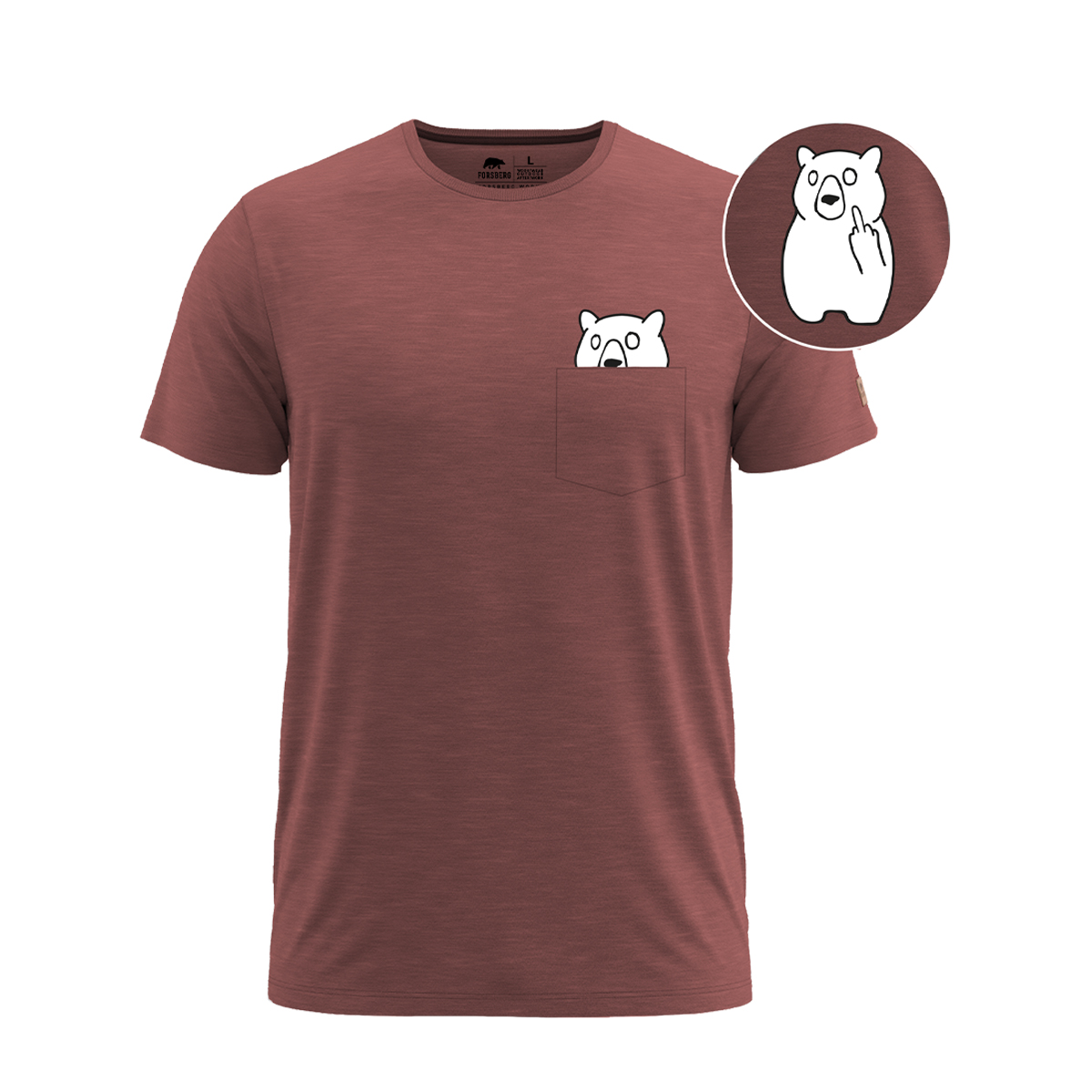
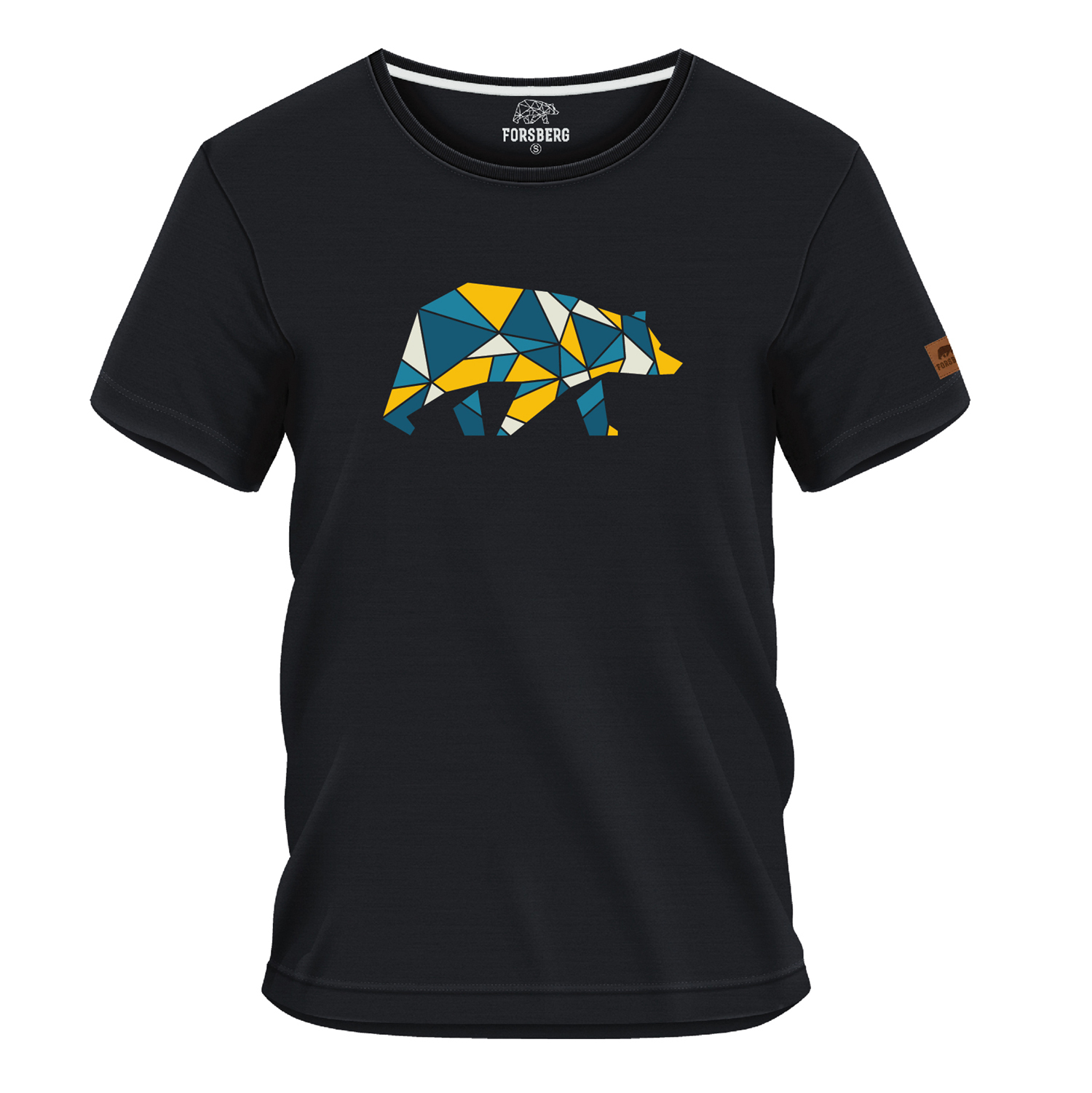
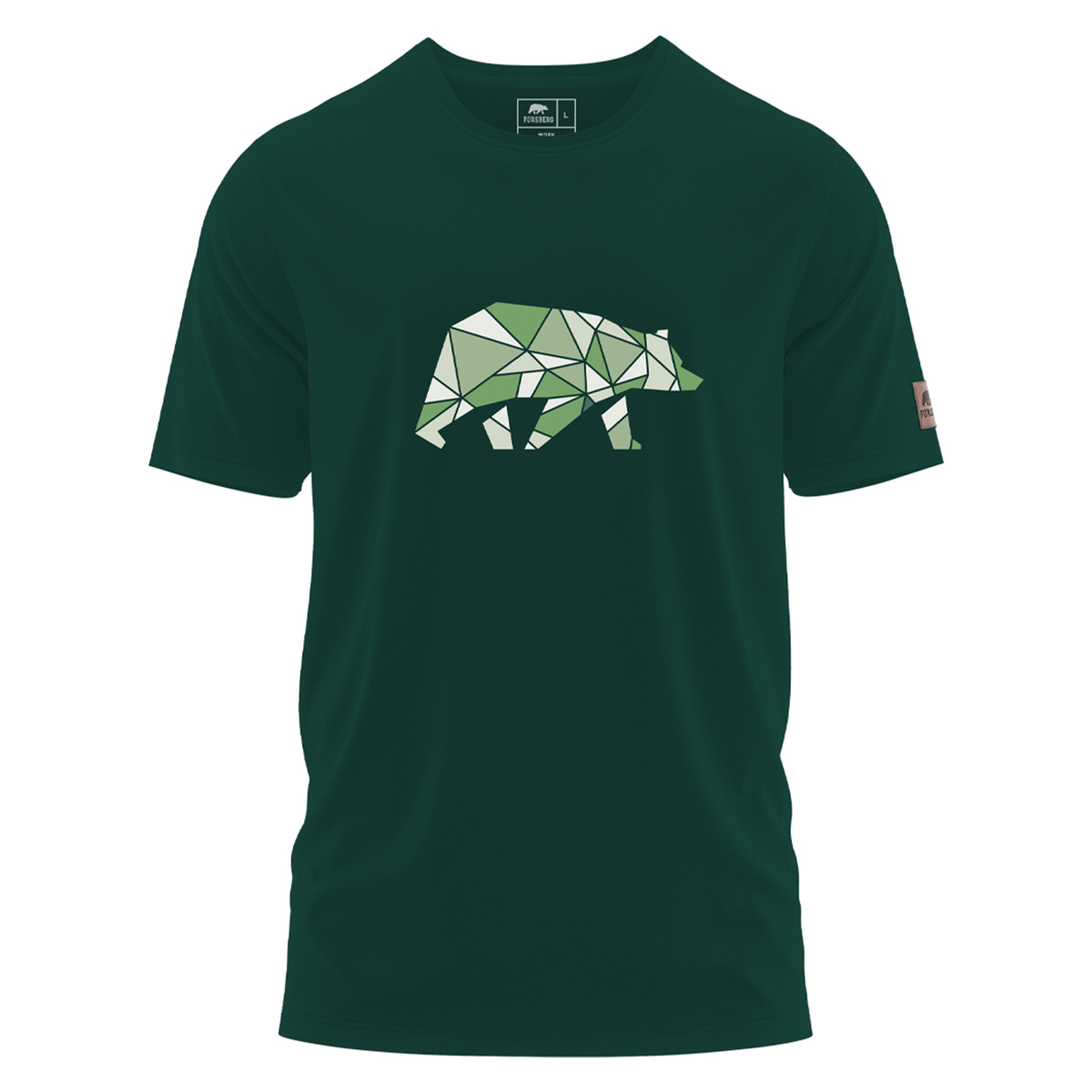
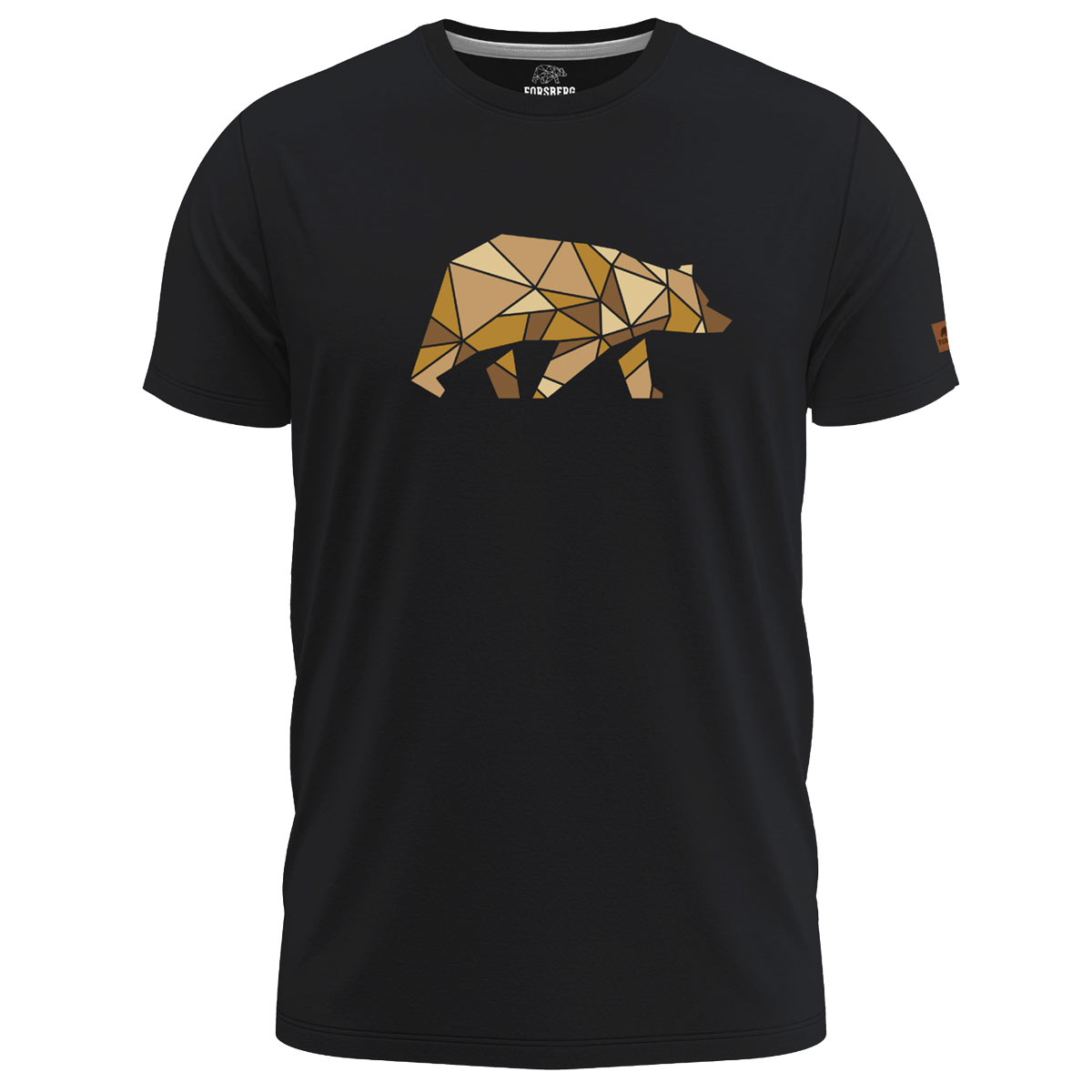
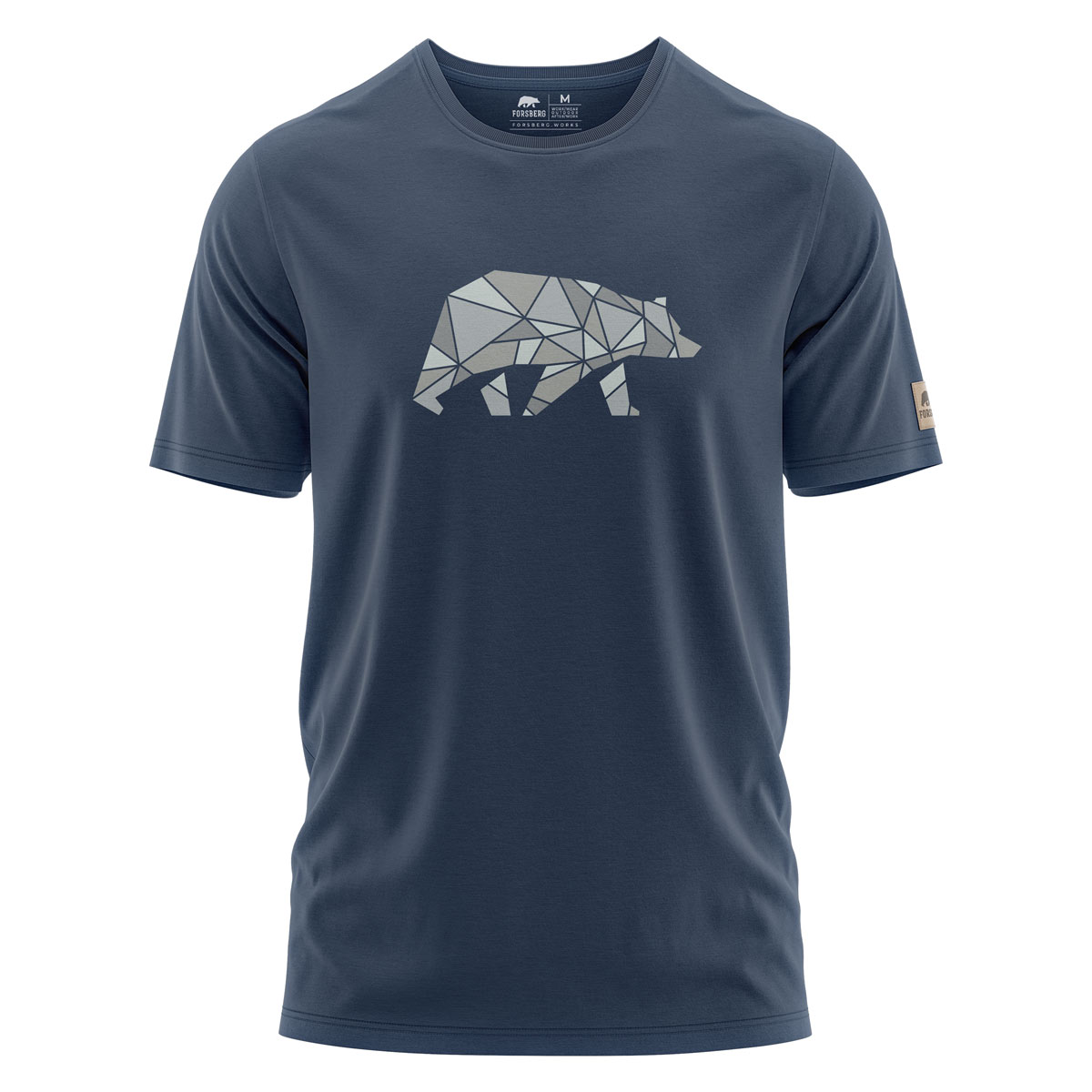
- FORSBERG® Halvarson T‑shirt — classic cotton look with chest pocket and an easy fit; a staple among the top sellers.
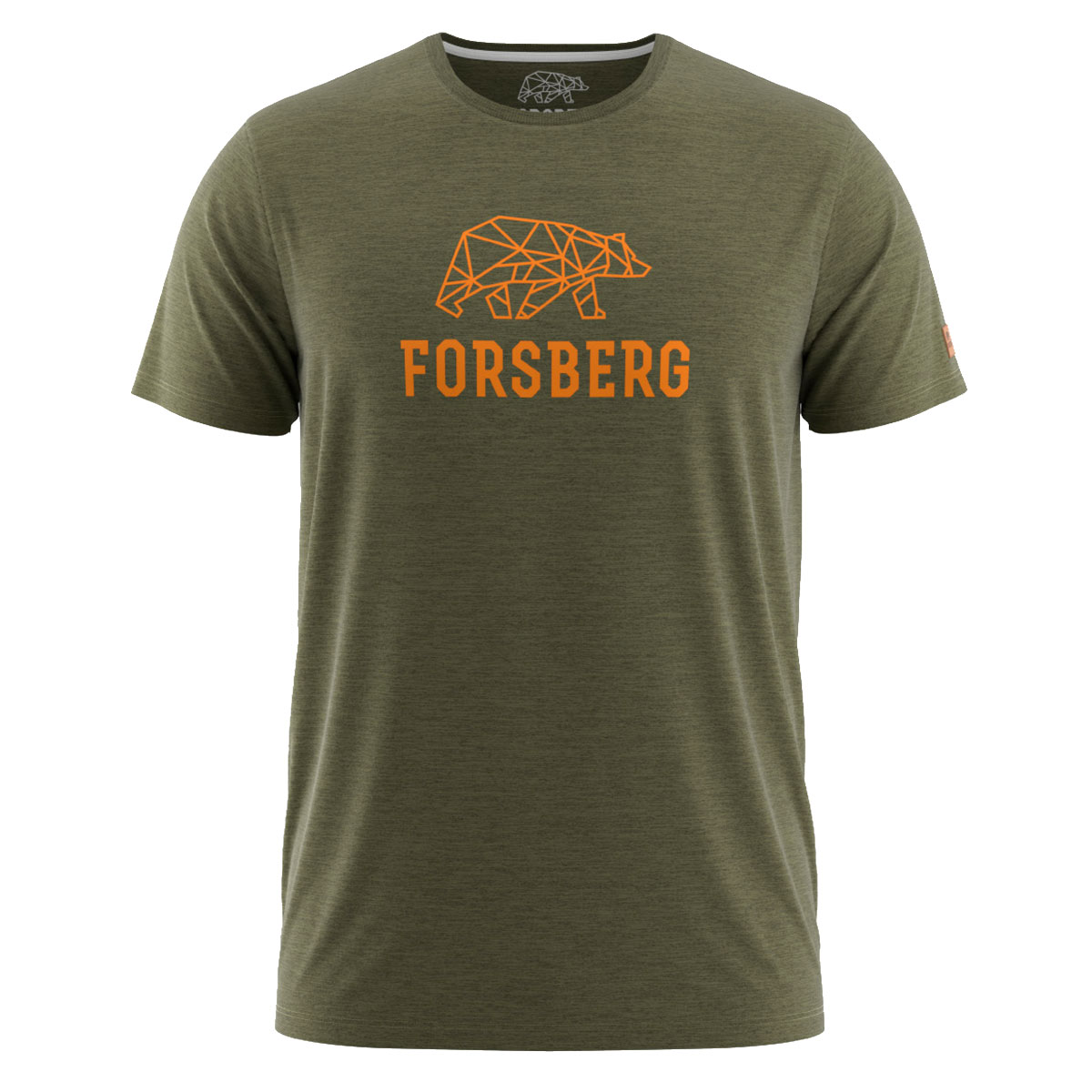
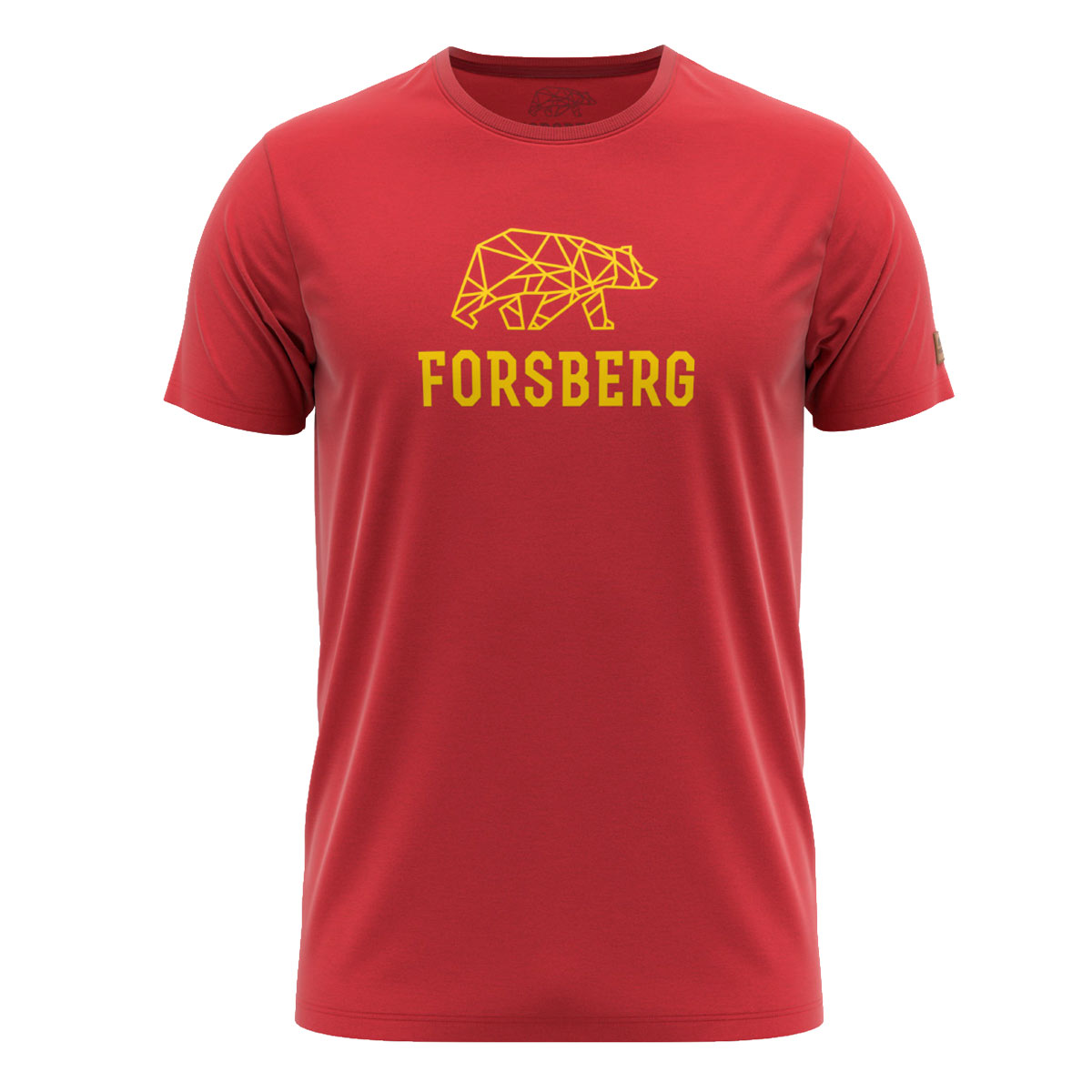
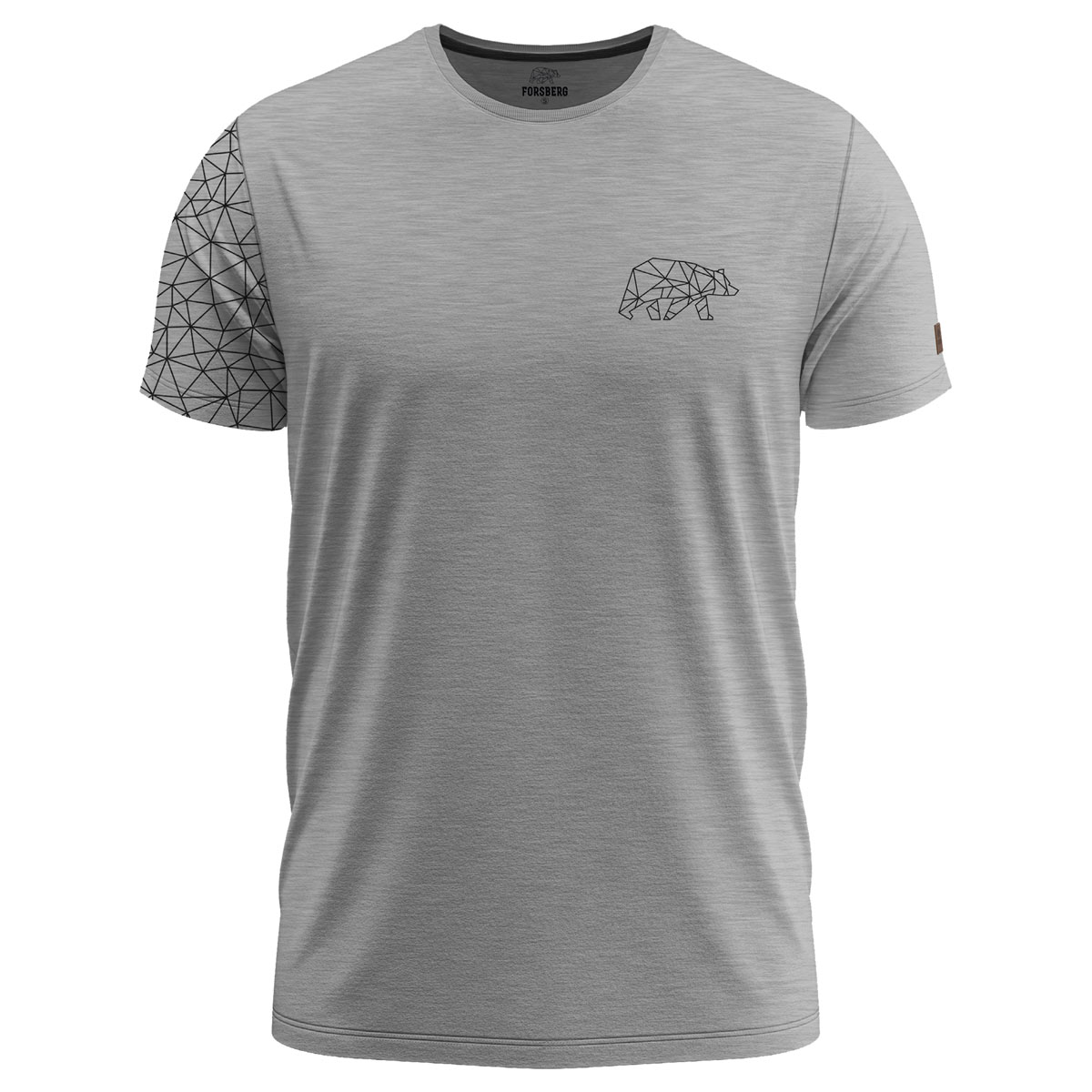
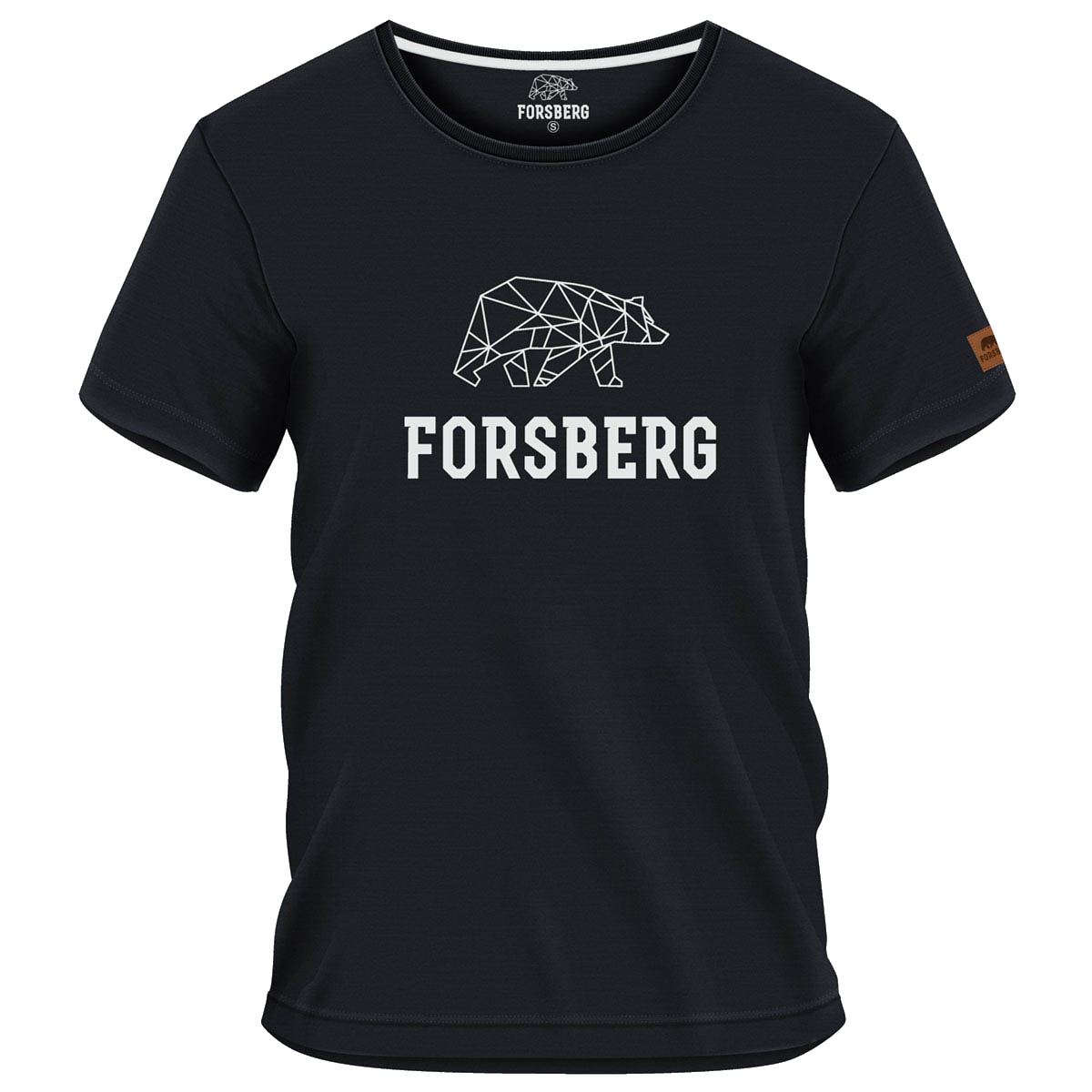
- FORSBERG® Skogson and Finnson T‑shirts — performance cuts and multiple colourways, often bestsellers thanks to fit and price.
- FORSBERG® Braxa work shorts with stretch zones — a good example of how targeted stretch improves comfort when kneeling and bending.
Care and durability notes
- Keep water‑repellent finishes in good condition (see care section).
- Blends generally cope better with frequent washing than pure cotton and hold their shape more reliably.
How to care for and maintain Bestsellers correctly
Follow these practical steps to keep shirts, polos and work shorts in good condition.
- Preparation
- Close zips and fasten buttons.
- Empty pockets and brush off heavy dirt (remove dried mud).
- Turn garments inside out to protect prints and logos.
- Washing
- Use a mild or technical detergent; avoid fabric softeners (they reduce wicking and affect technical finishes).
- Temperature: 30–40 °C for cotton and blends; always follow the care label.
- Program: gentle or normal cycle depending on fabric weight.
- Wash similar colours together.
- Re‑proofing / impregnation
- For items with water‑repellent finishes (outer garments): use a wash‑in or spray repellent suitable for textiles (DWR products).
- Activate wash‑in DWR finishes by tumble drying briefly, if the care label permits, or by ironing at a low setting with a cloth — always check the label first.
- Drying & storage
- Air dry where possible; avoid direct heat sources and prolonged exposure to strong sunlight.
- Tumble drying on low can restore some finishes and speed drying, but check label warnings.
- Store folded or hung in a ventilated area; don’t compress technical garments for long periods.
- Repair options
- Small holes: patch kits or iron‑on patches provide quick fixes for work shorts and outer layers.
- Seams: hand‑stitch or use a sewing machine with reinforced thread for stressed areas.
- Zips & closures: replace sliders or use a local repair service for heavily used garments.
Practical tip: For bulk or company purchases, keep a small repair kit with heavy‑duty thread, spare buttons and a fabric patch to extend product life on site.
Use cases
Scenario: A site foreman’s working day
- Start: Foreman puts on the Halvarson T‑shirt and Braxa work shorts. The T‑shirt breathes while moving between van and workshop.
- Midday: Kneeling to measure — the Braxa shorts’ stretch zones allow unrestricted movement without straining seams.
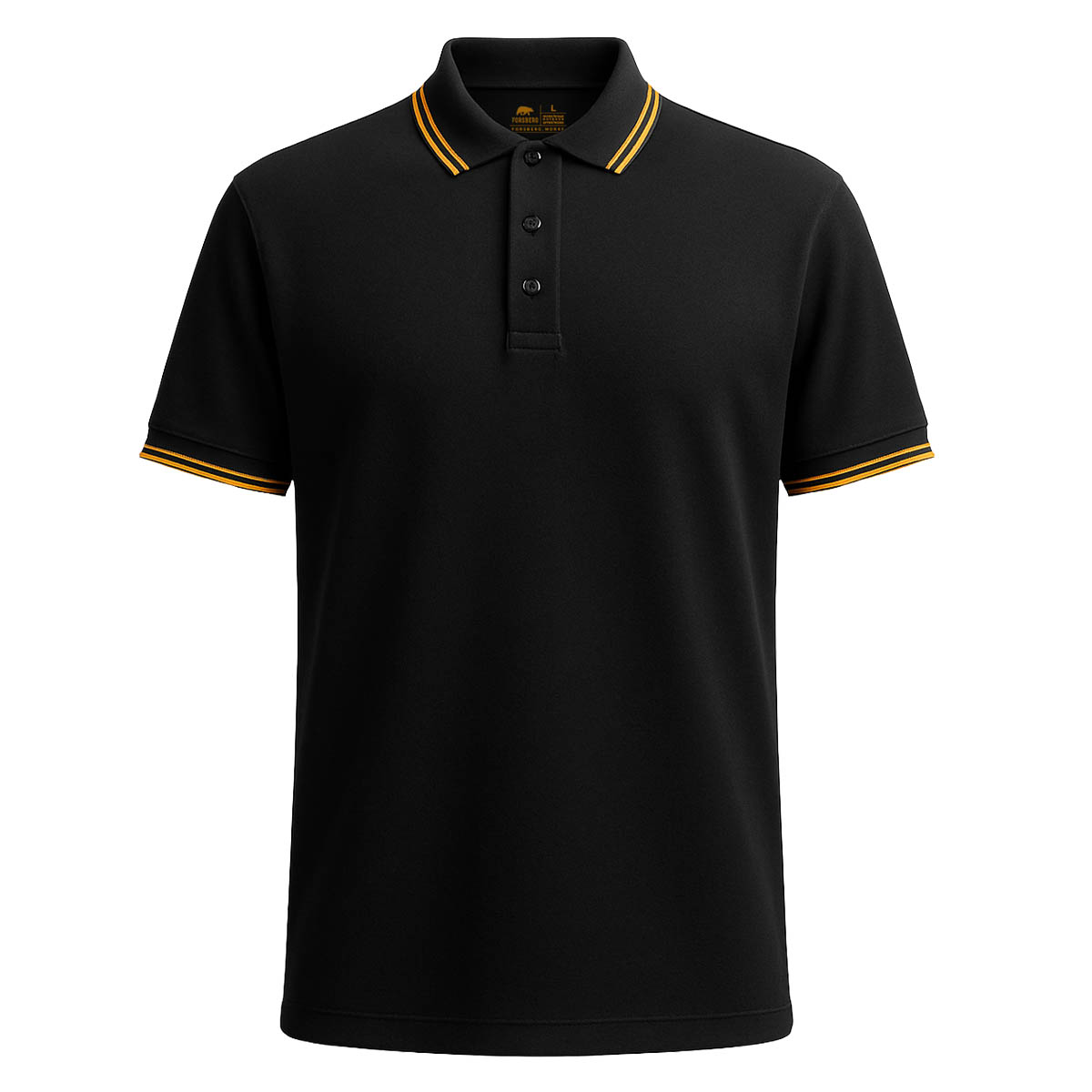
- Afternoon: Quick client meeting — a simple polo or twin‑pack T‑shirt keeps the look tidy yet practical.
Why the user benefits
- Less wardrobe downtime: robust construction resists abrasion throughout the shift.
- Practicality: sensible pocket placement and easy wash care get garments back into service quickly.
- Value: bestsellers combine affordability with features tailored to daily work.
Frequently Asked Questions (FAQ)
Q: What fabric is best for everyday work T‑shirts?
A: Cotton blends (cotton + polyester) offer the best balance of comfort, breathability and durability under frequent washing. A small amount of elastane improves fit.
Q: Can I tumble‑dry work shorts to save time?
A: Check the garment label. Many blends tolerate low tumble heat, which can also reactivate some DWR treatments; pure cotton may shrink at high temperatures.
Q: How do I keep printed logos from cracking?
A: Turn garments inside out before washing, use a mild detergent and avoid high temperatures and fabric softeners.
Q: When should I re‑impregnate a garment with DWR?
A: When water no longer beads on the surface. Apply a suitable wash‑in or spray DWR product and follow the activation instructions (dryer or low iron if allowed).
Q: What size considerations should I make for workwear purchases?
A: Allow room for layering — leave space for long‑sleeve base layers in winter. Many bestseller ranges offer consistent sizing across items, which makes reorders easier.
Q: Are twin‑packs good value for teams?
A: Yes — twin‑packs simplify ordering, provide a spare in rotation and usually lower the unit price for uniformed teams.
Q: How long do bestseller garments typically last?
A: With correct care and depending on the workload, well‑made shirts and shorts can last multiple seasons; items with reinforcements and abrasion‑resistant fabrics last longest.
Final note & internal links
For practical styling advice and product stories, see our blog: Blog. For questions about shipping, returns and bulk orders consult our shipping and returns page: Shipping and returns.
Browse our selection of Bestsellers now and find the product that matches your requirements.