


























FORSBERG Fleece Jackets – Overview & Buying Guide
Why FORSBERG Fleece Jackets?
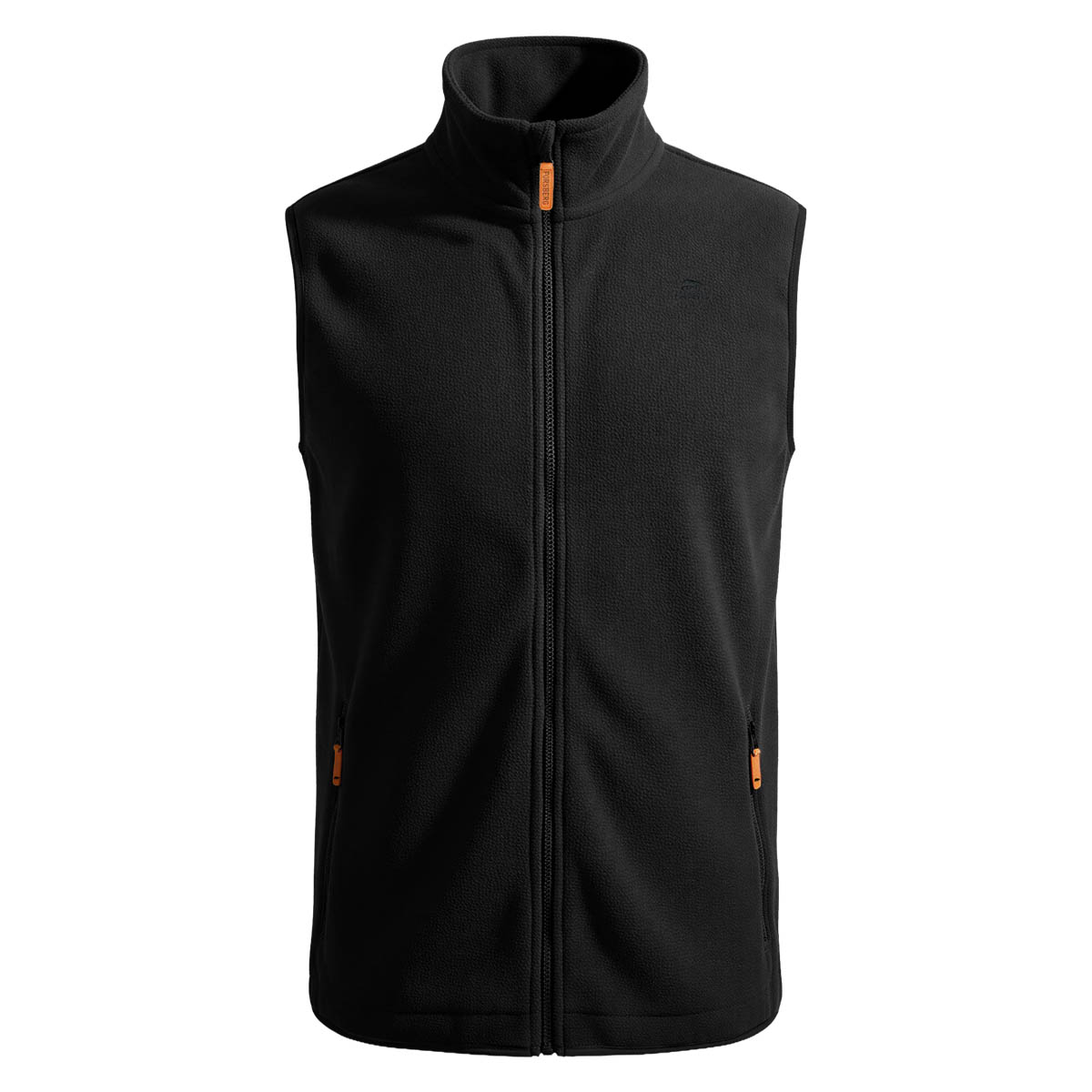
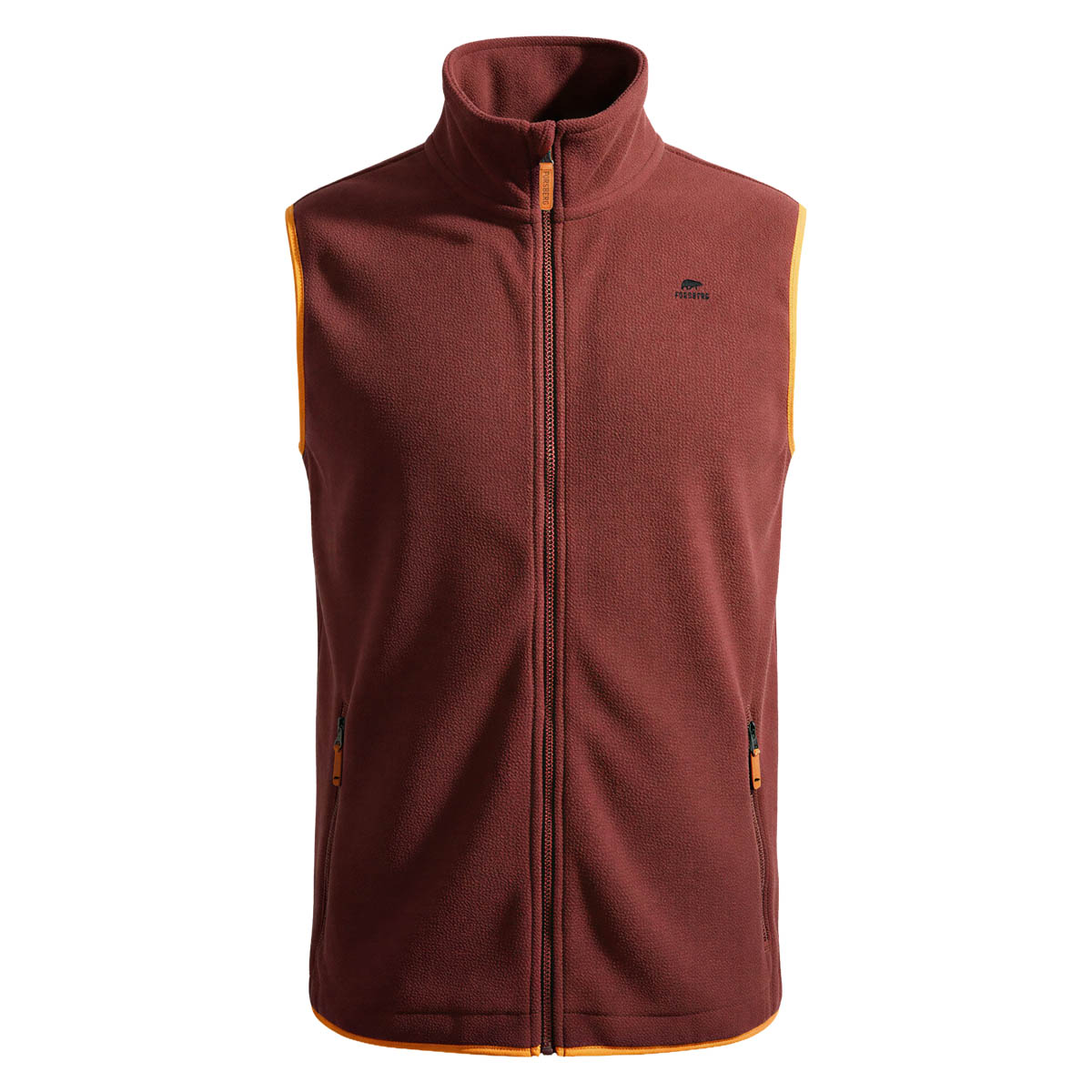
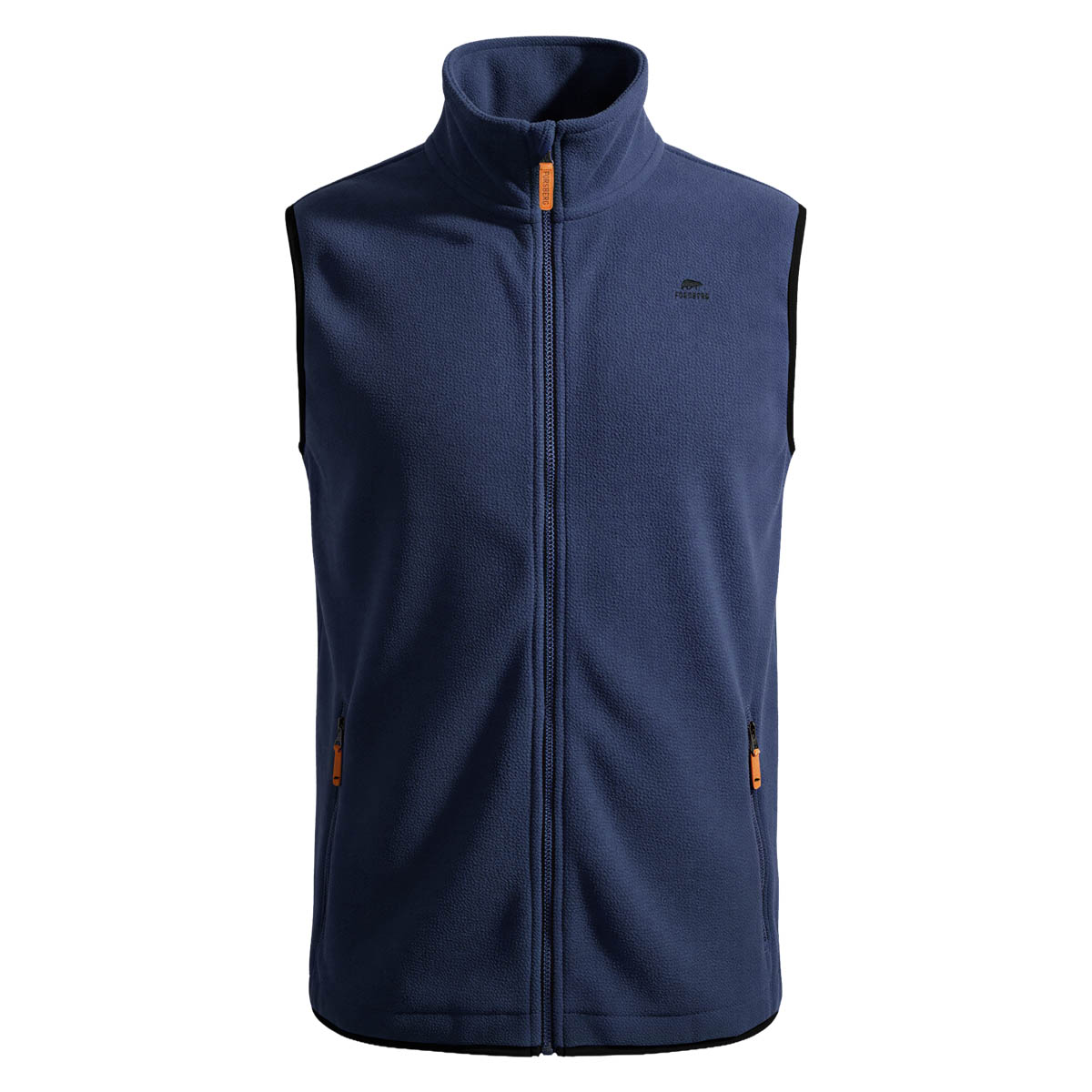
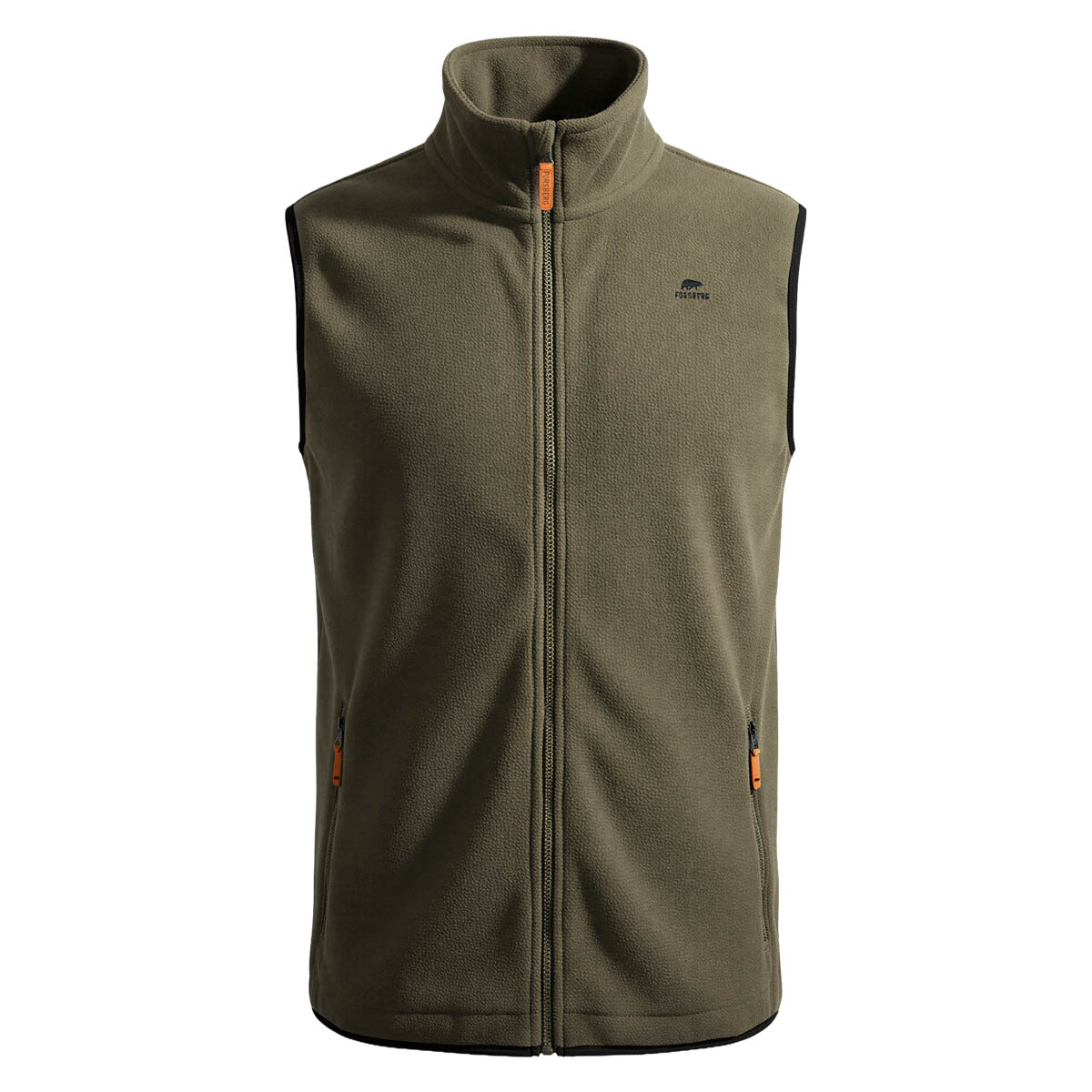
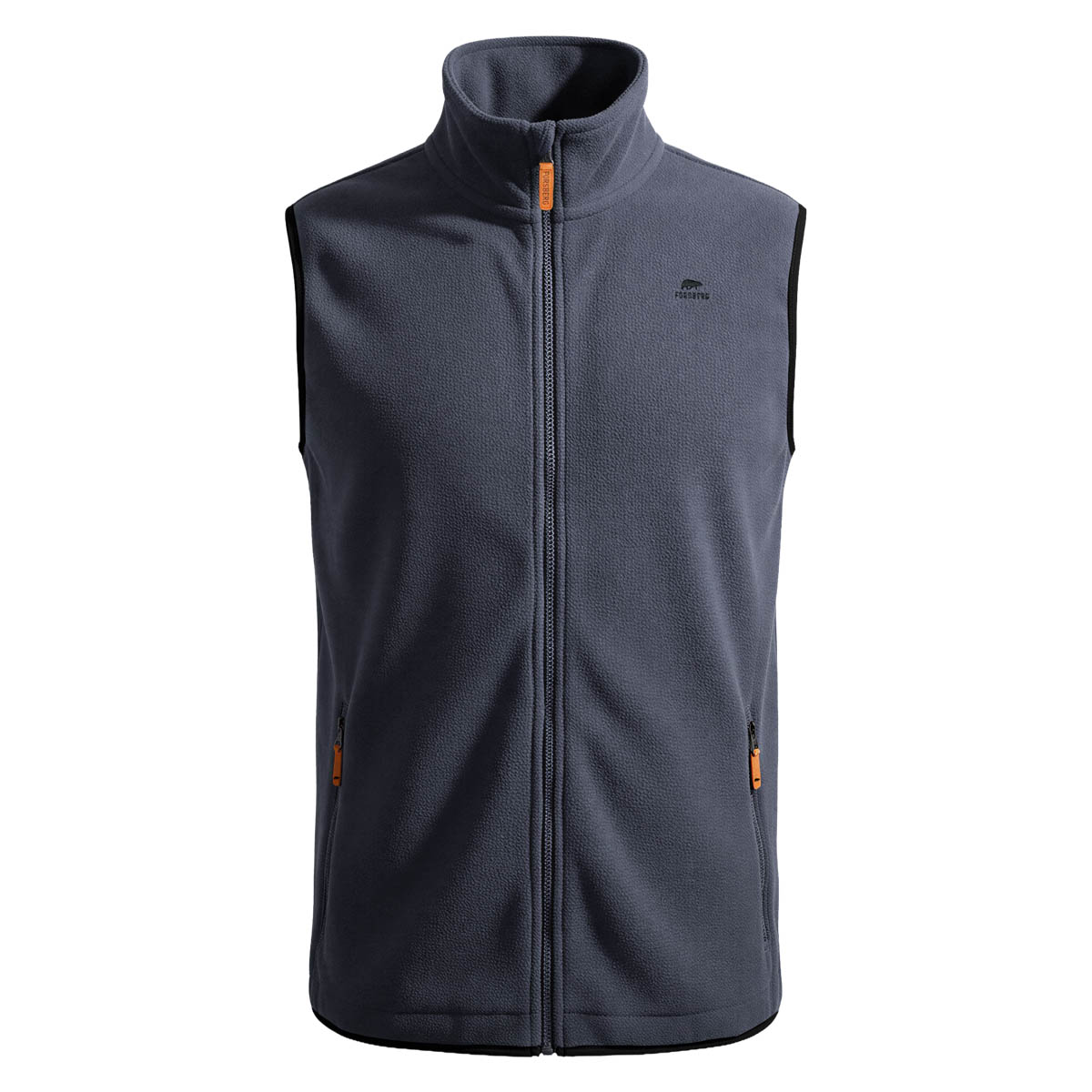
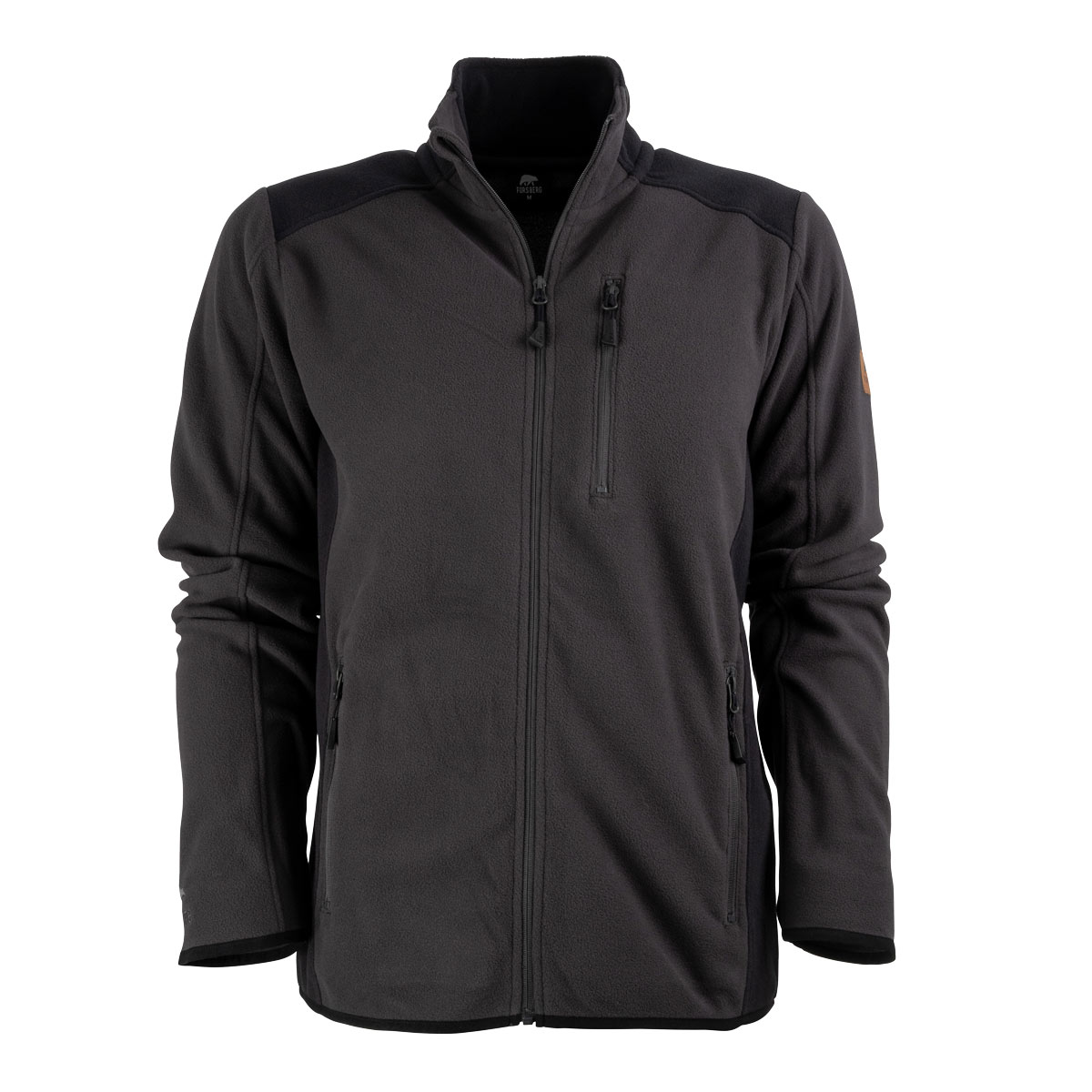
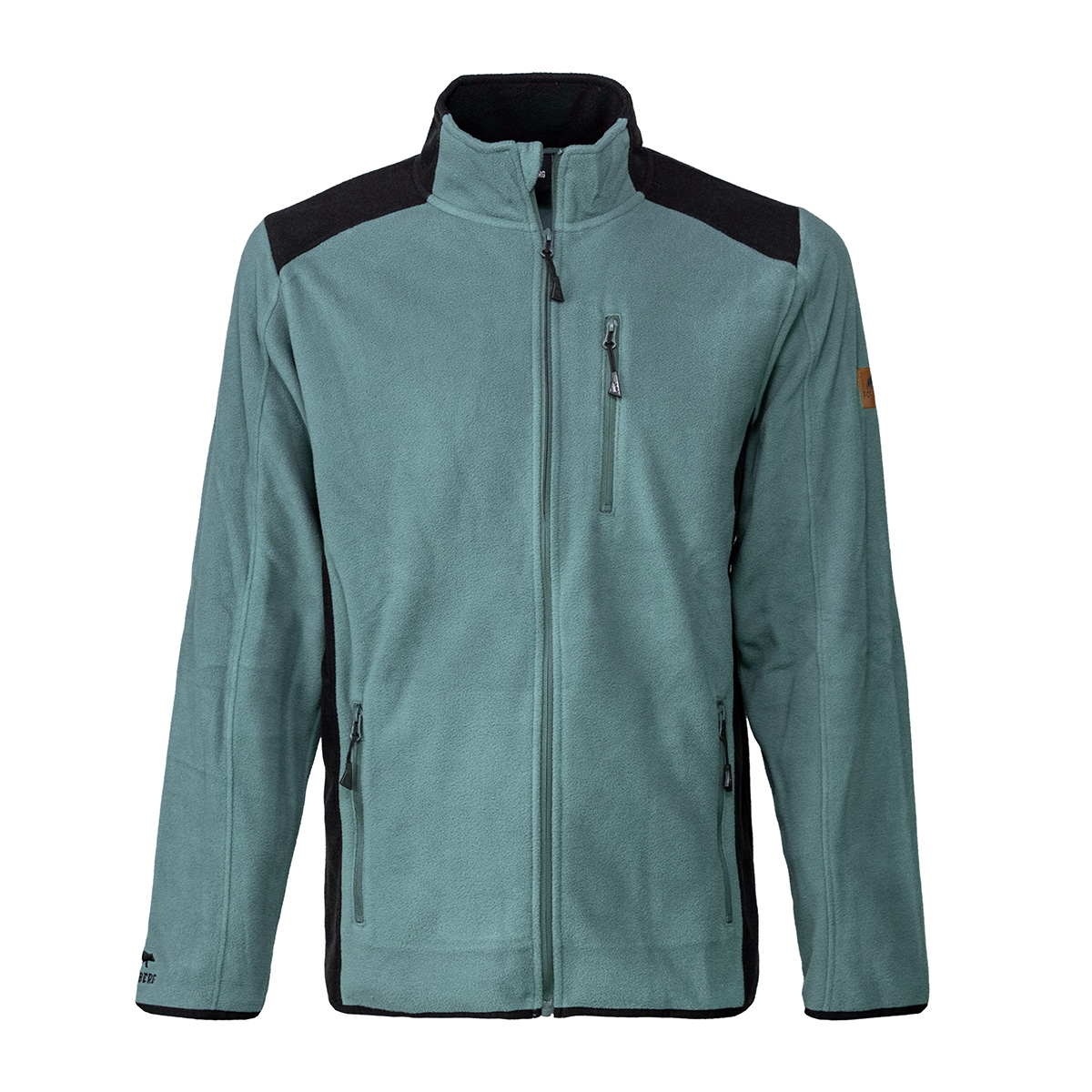
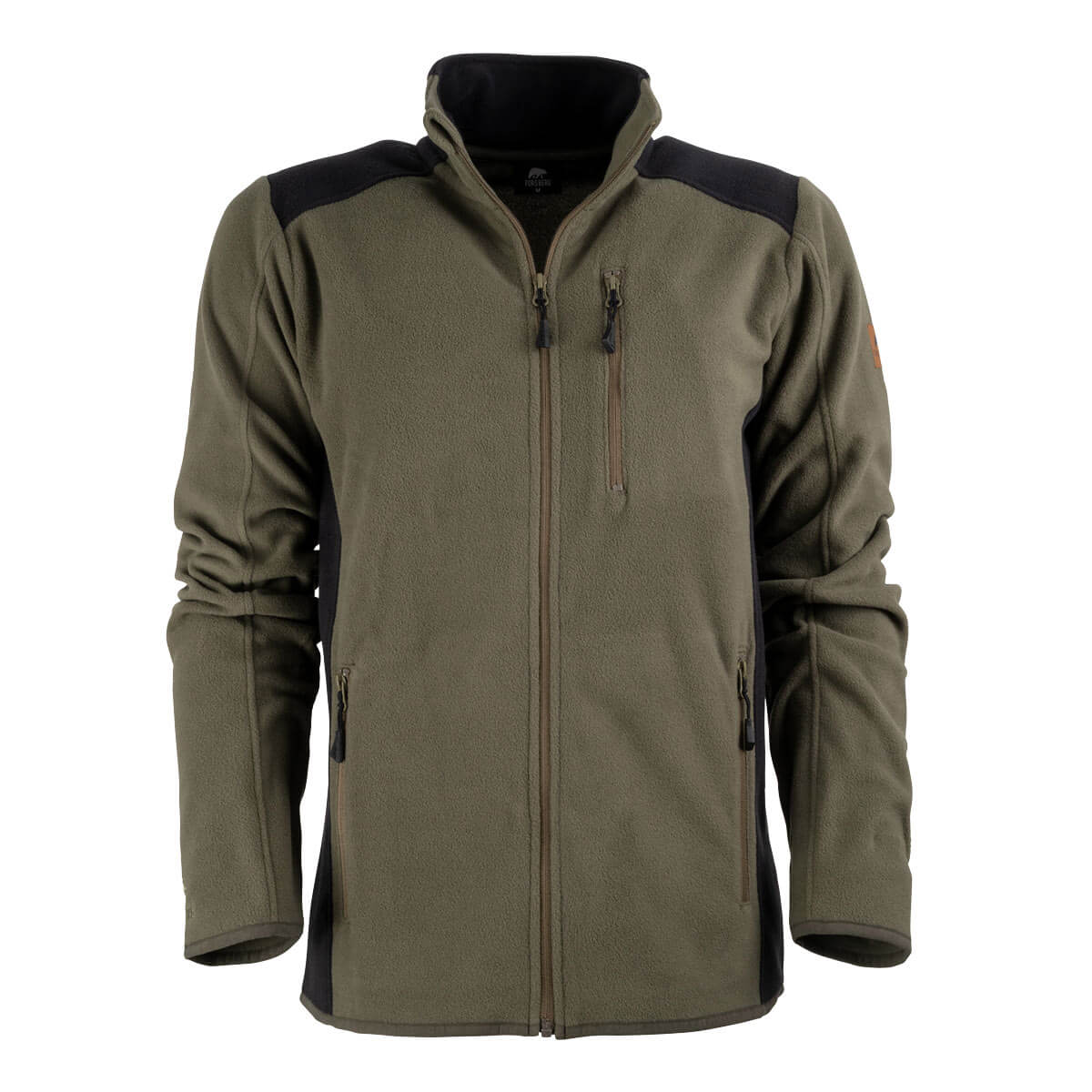
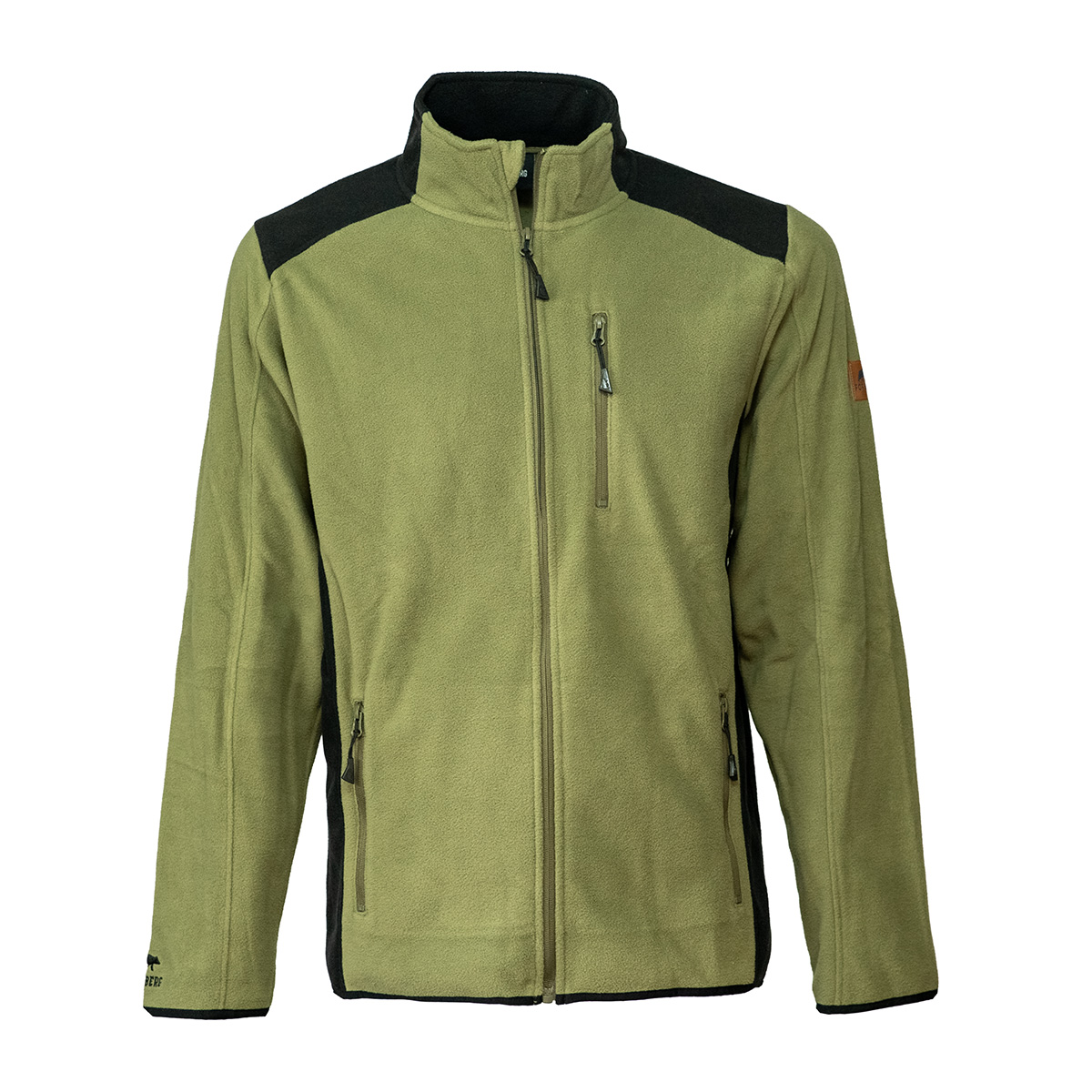
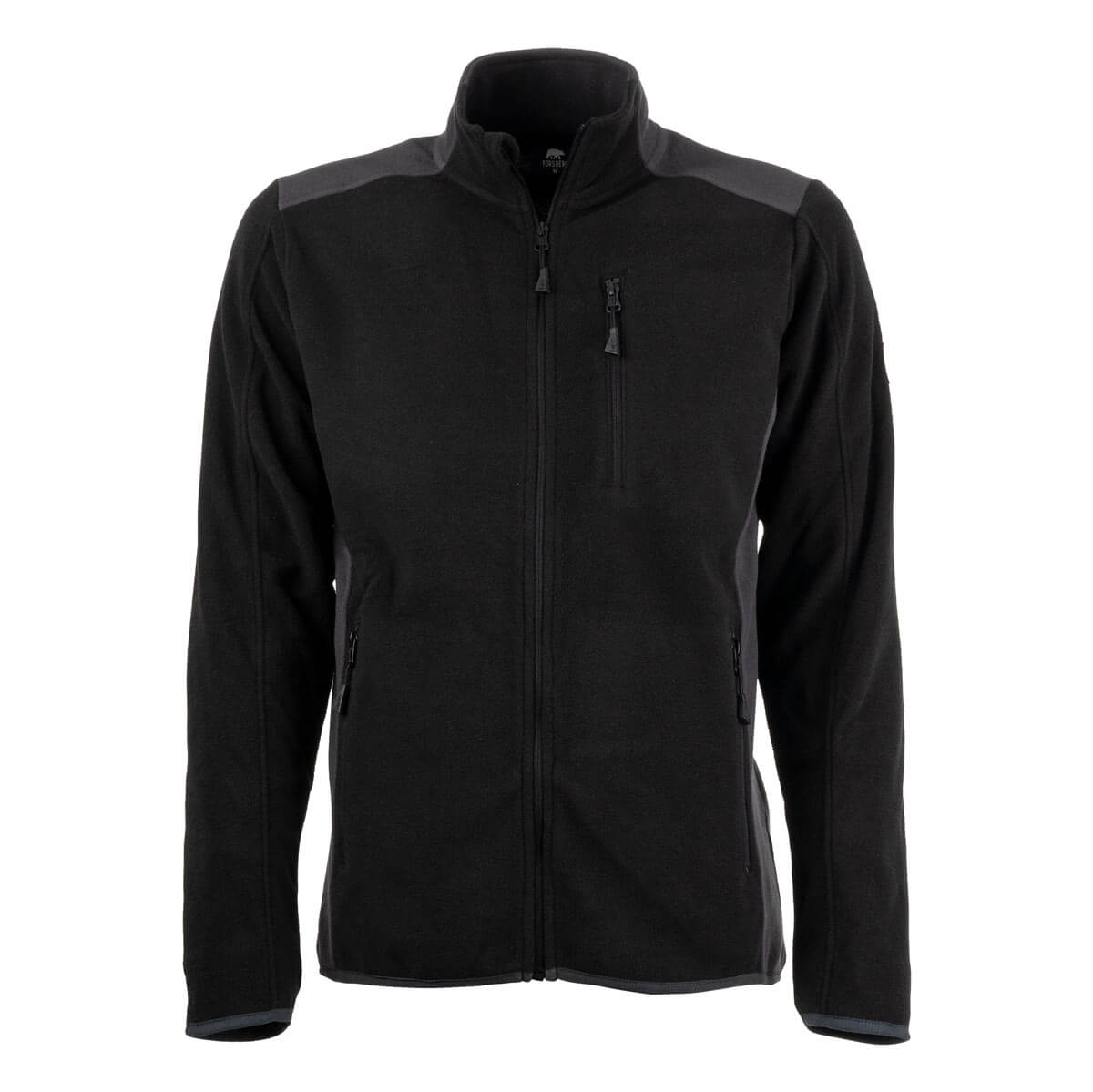
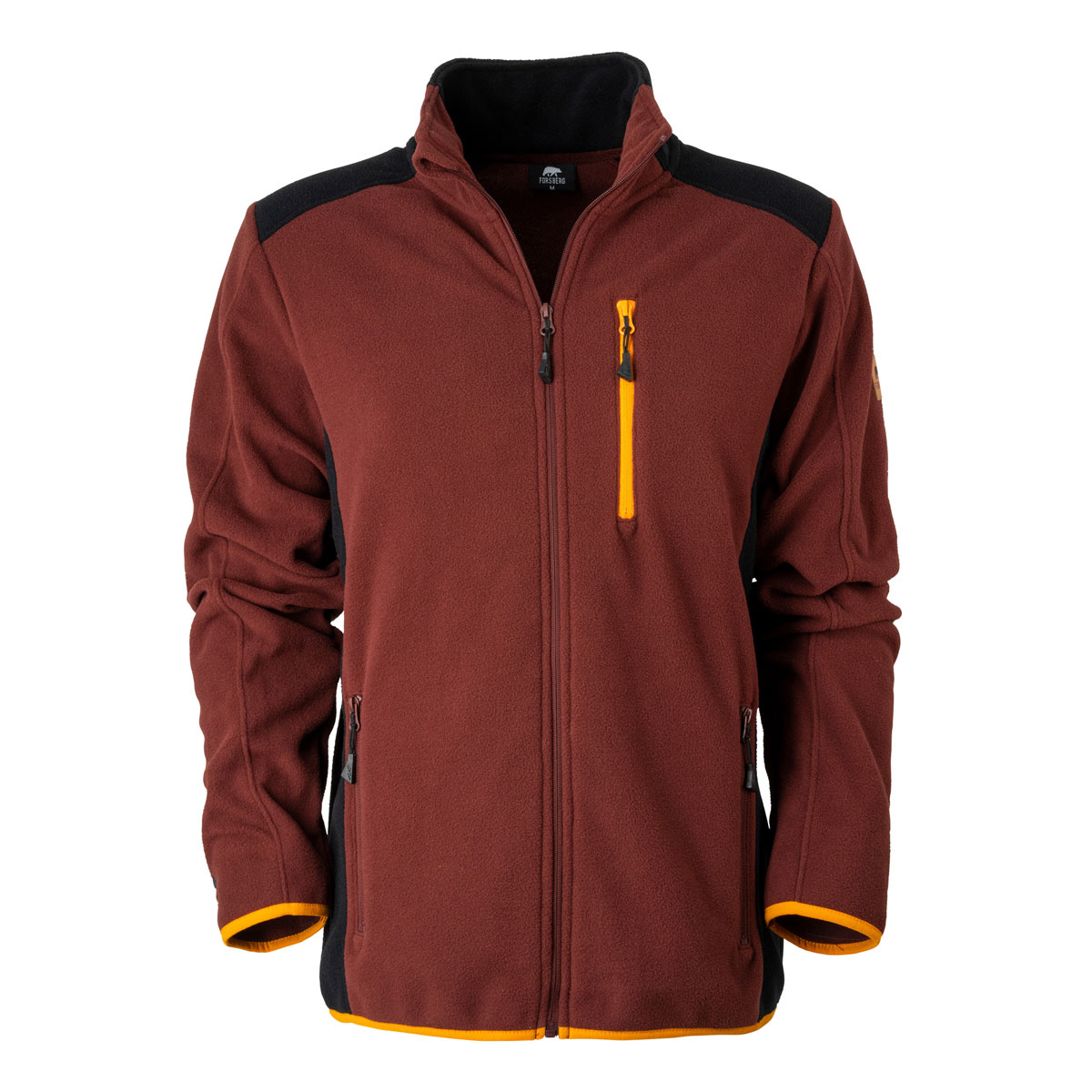
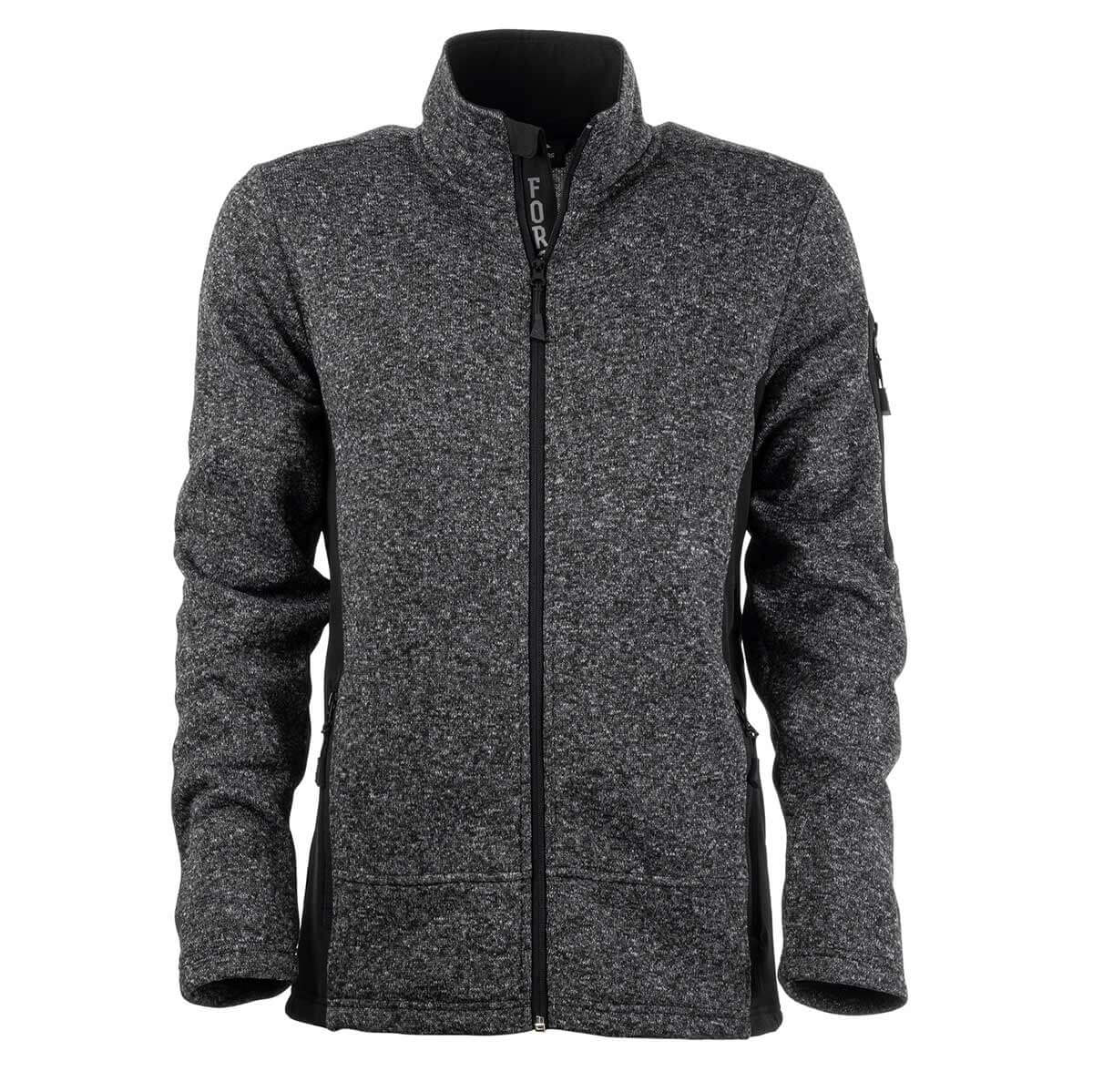
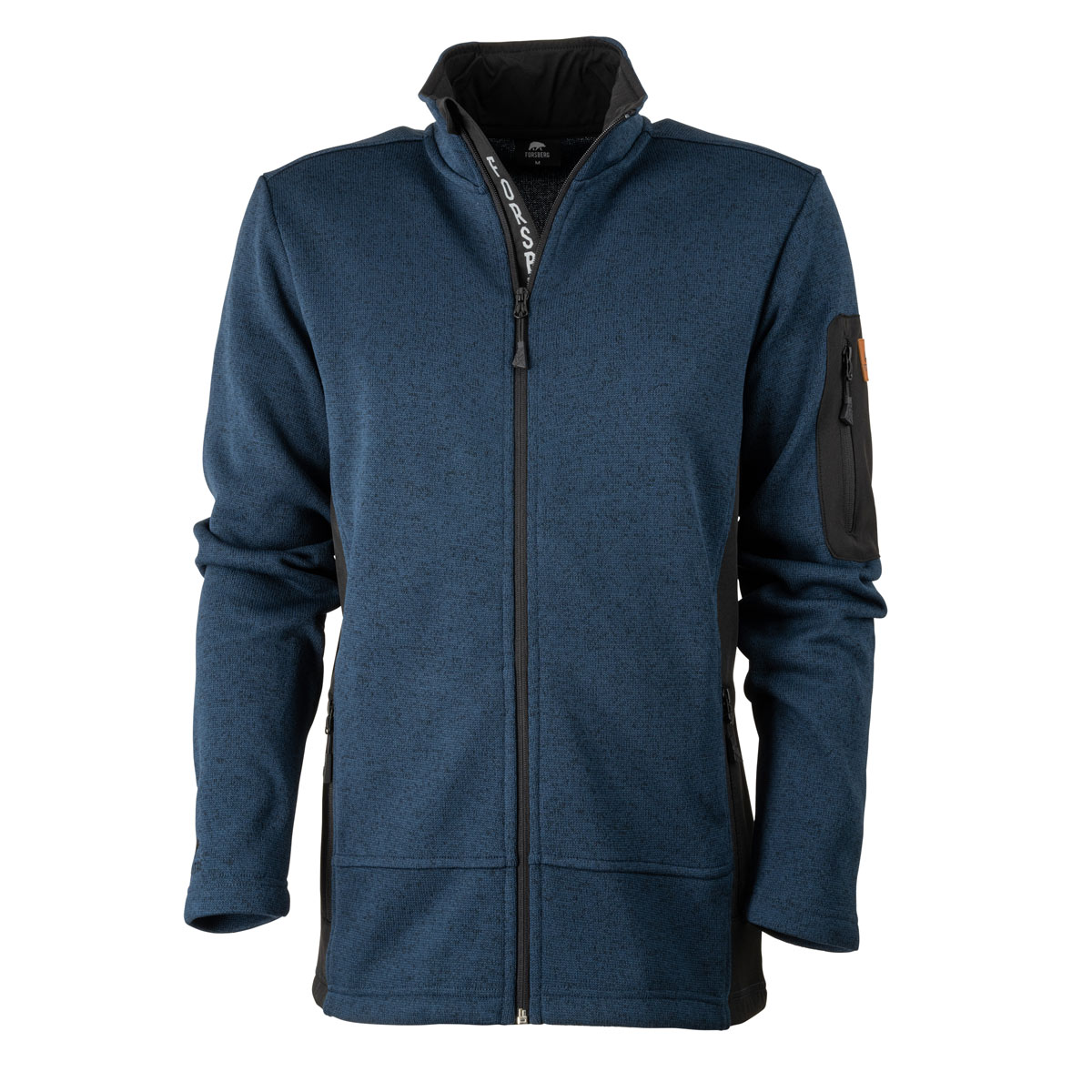
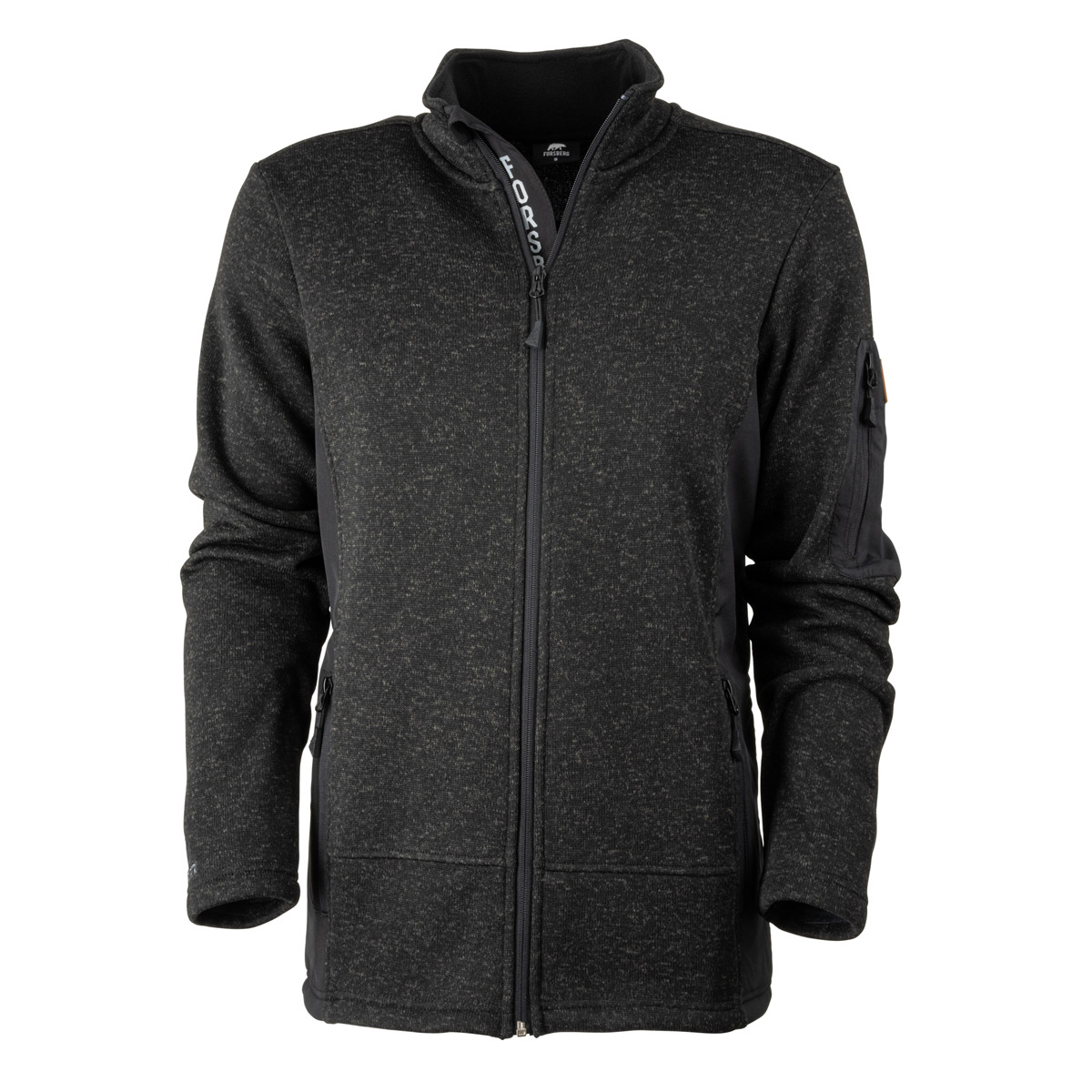
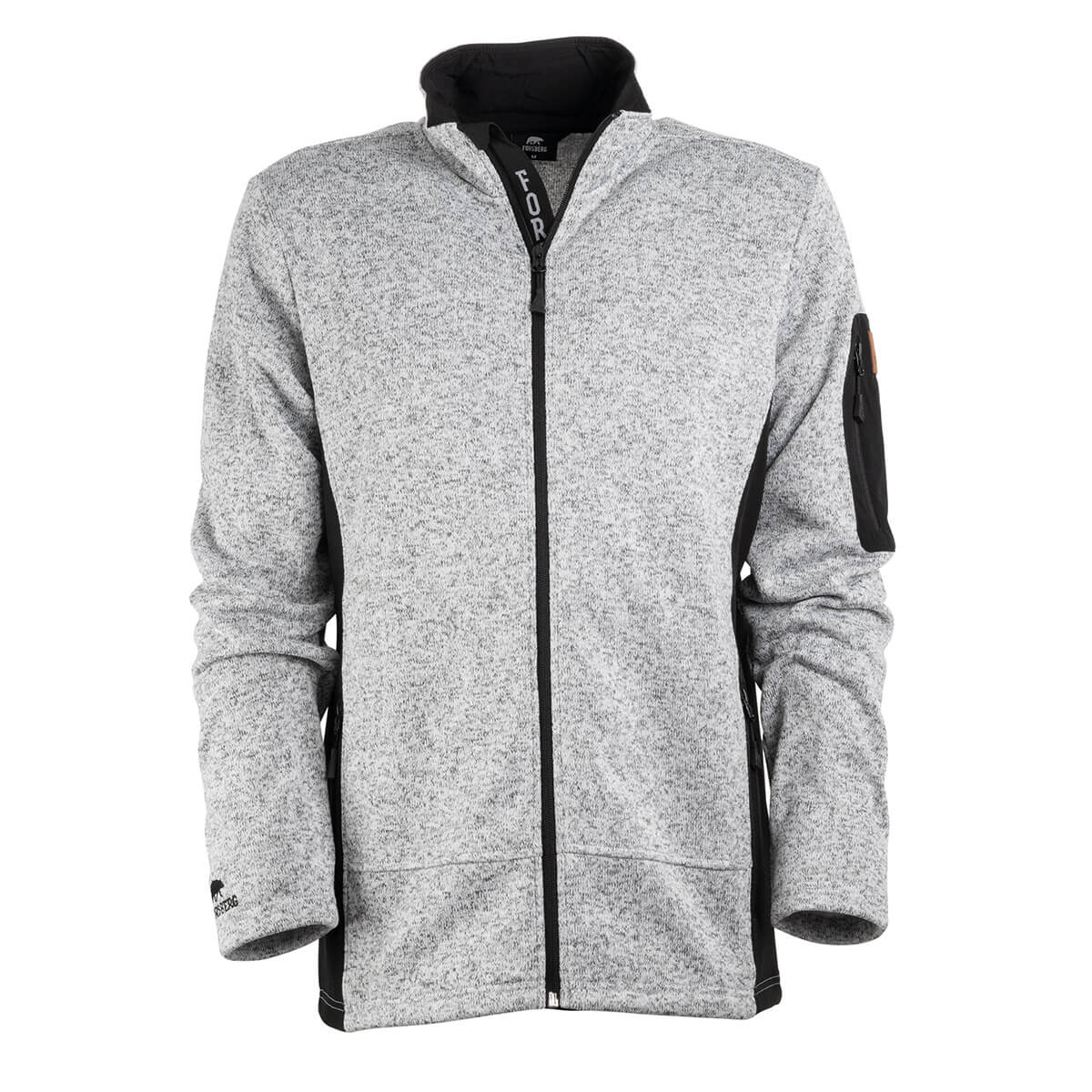
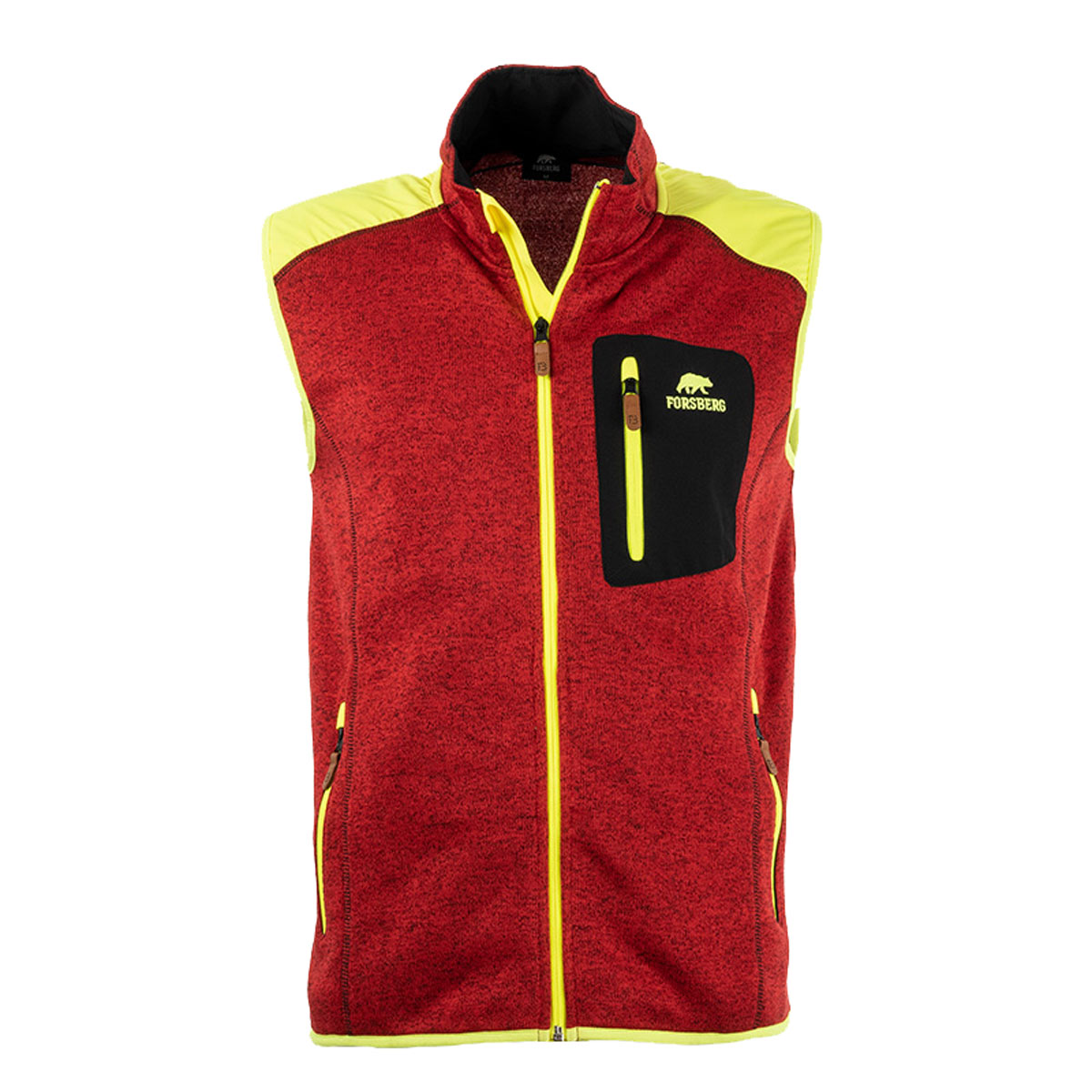
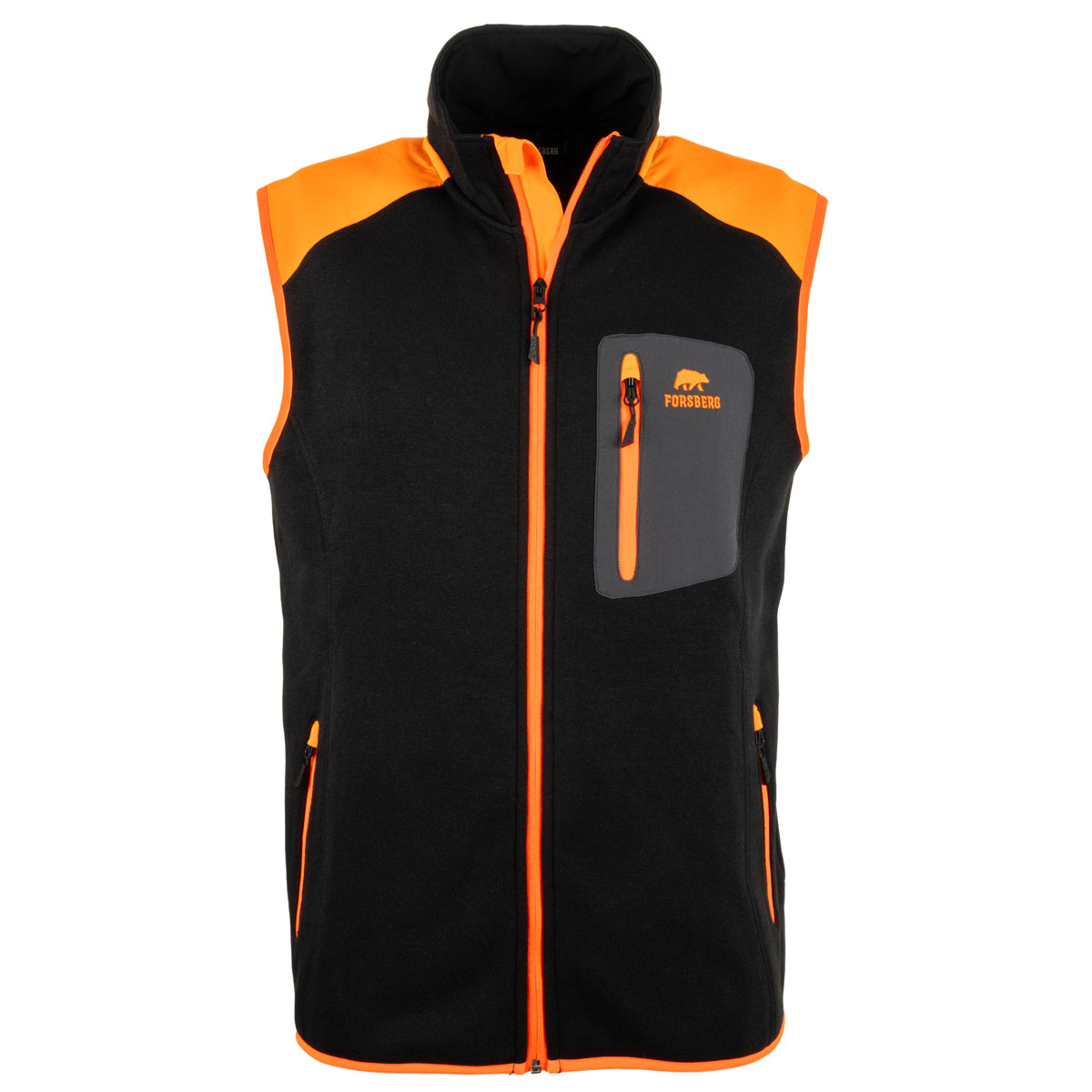
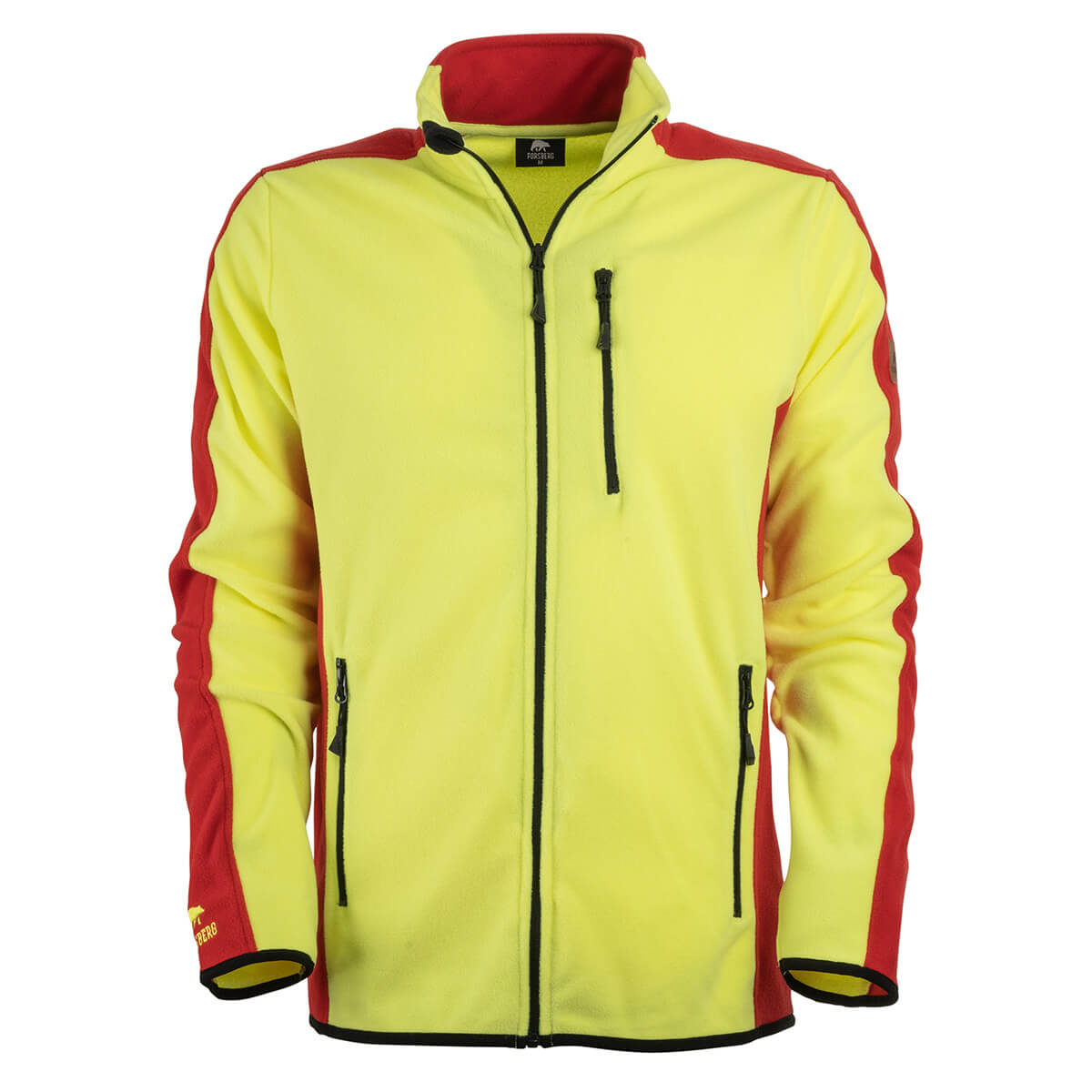
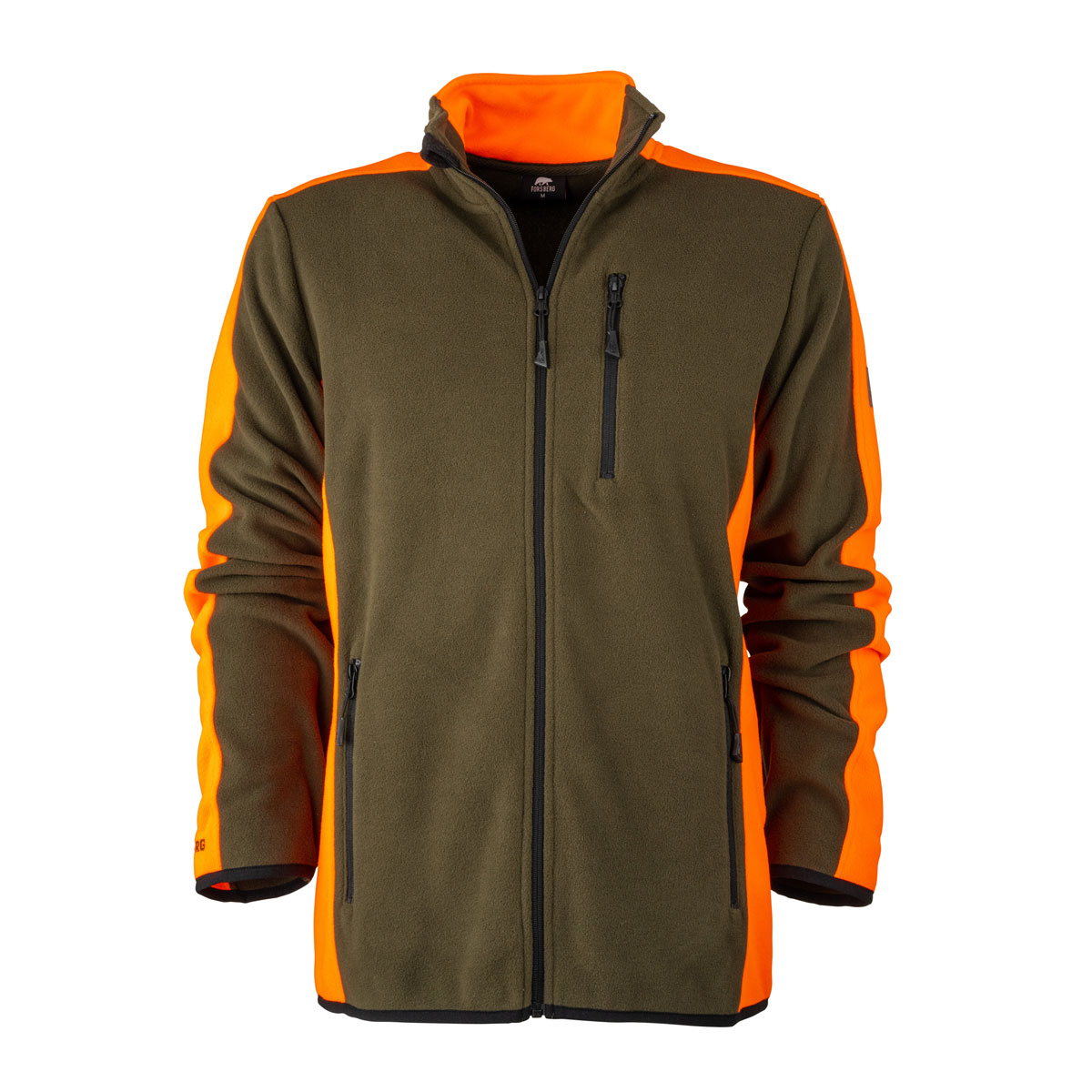
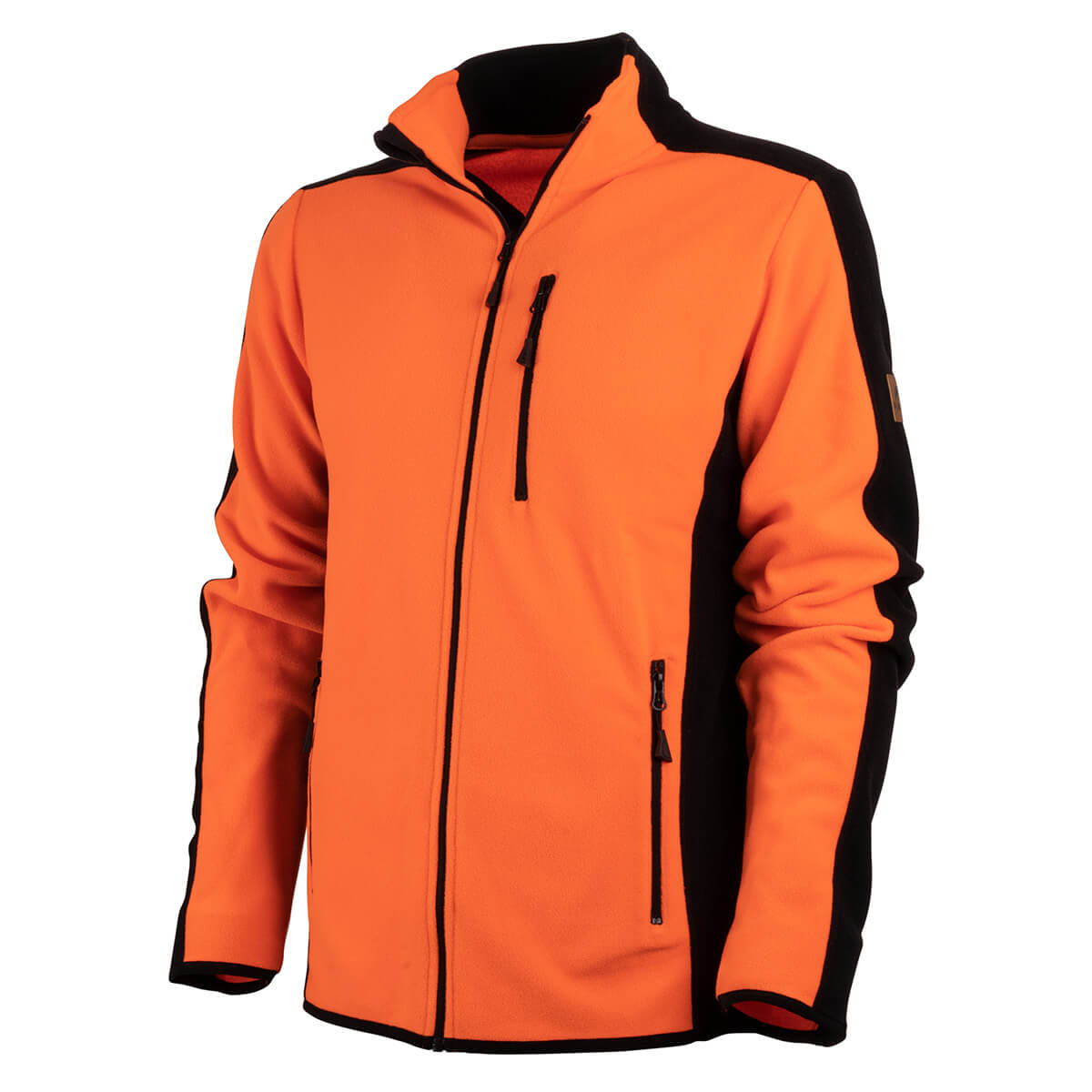
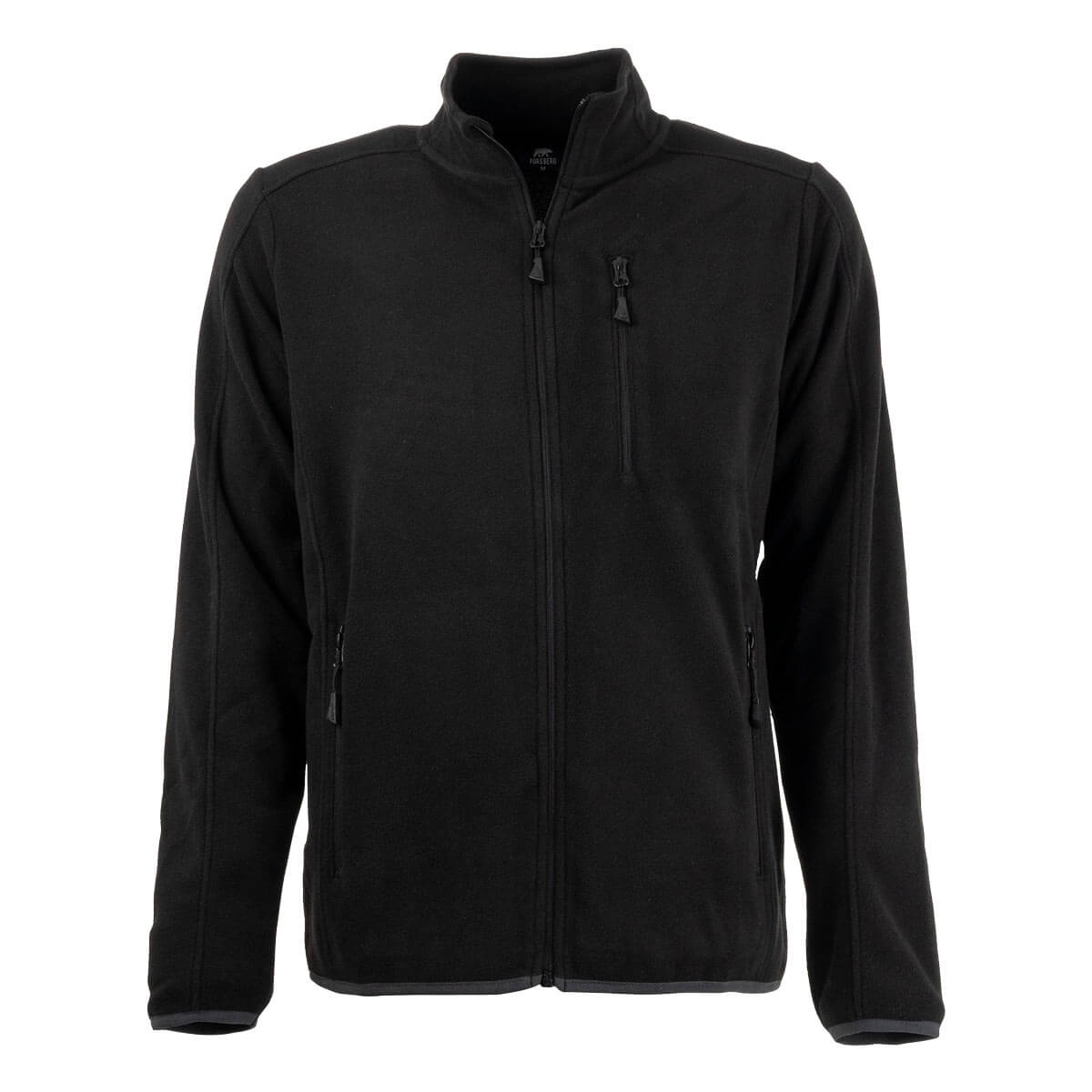
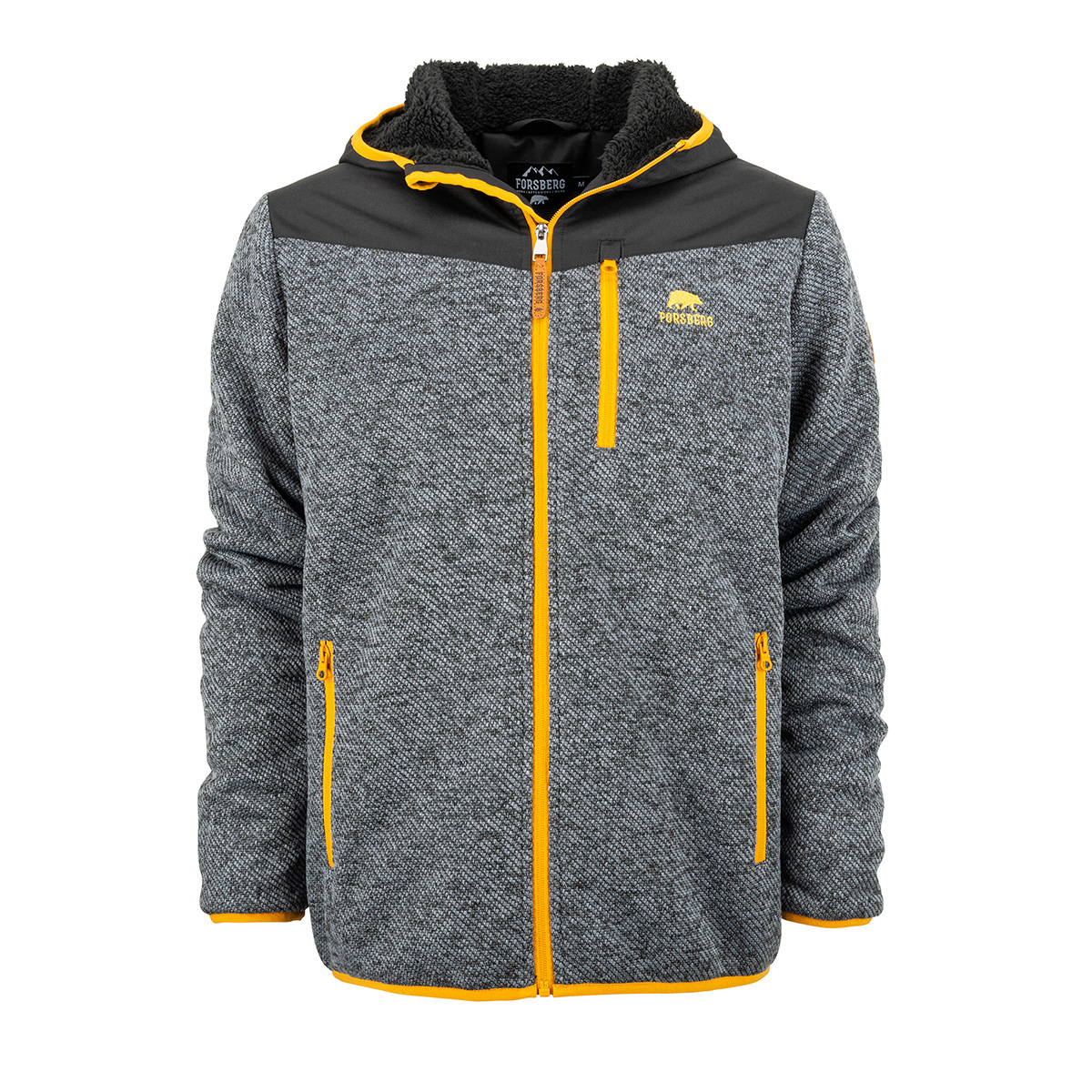
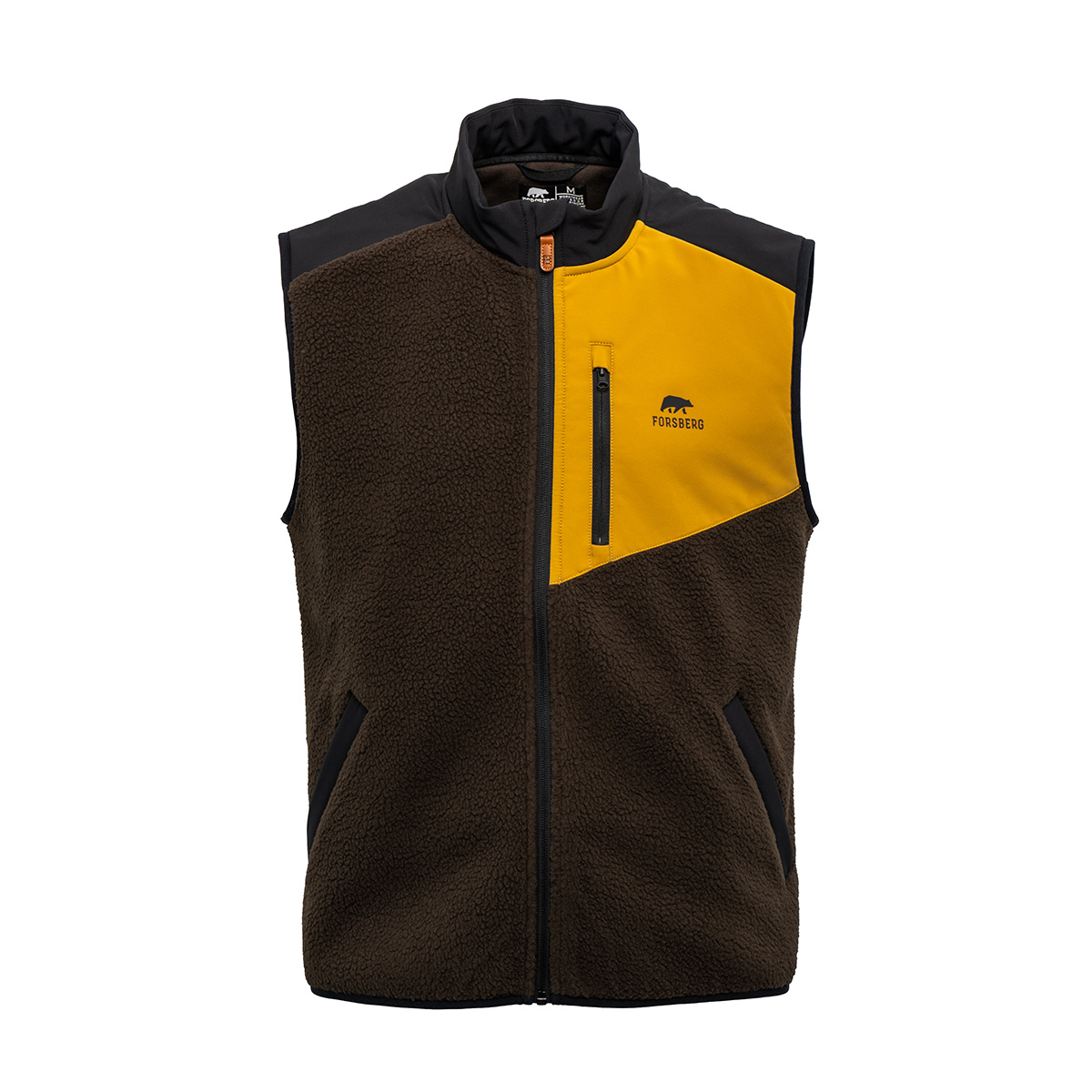
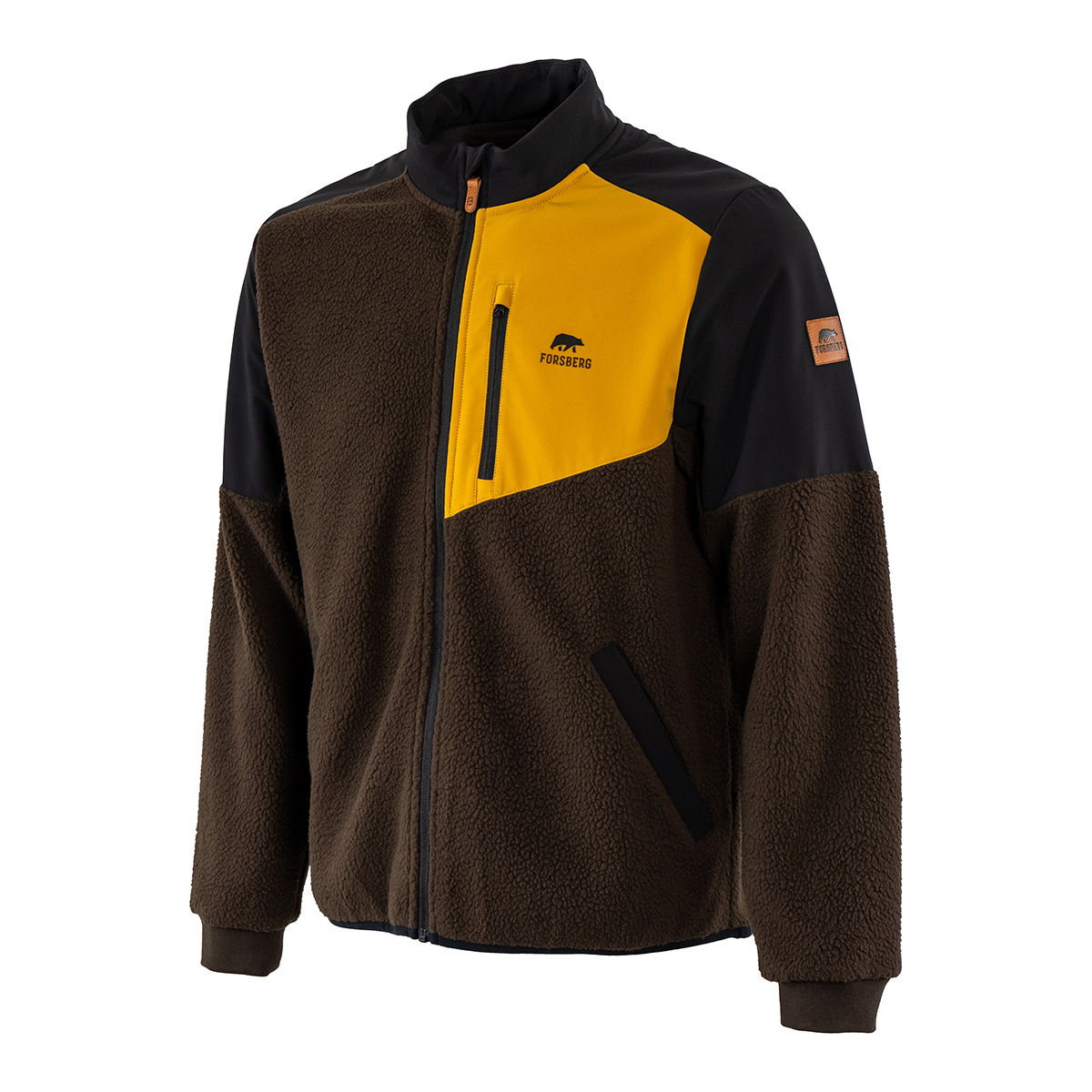
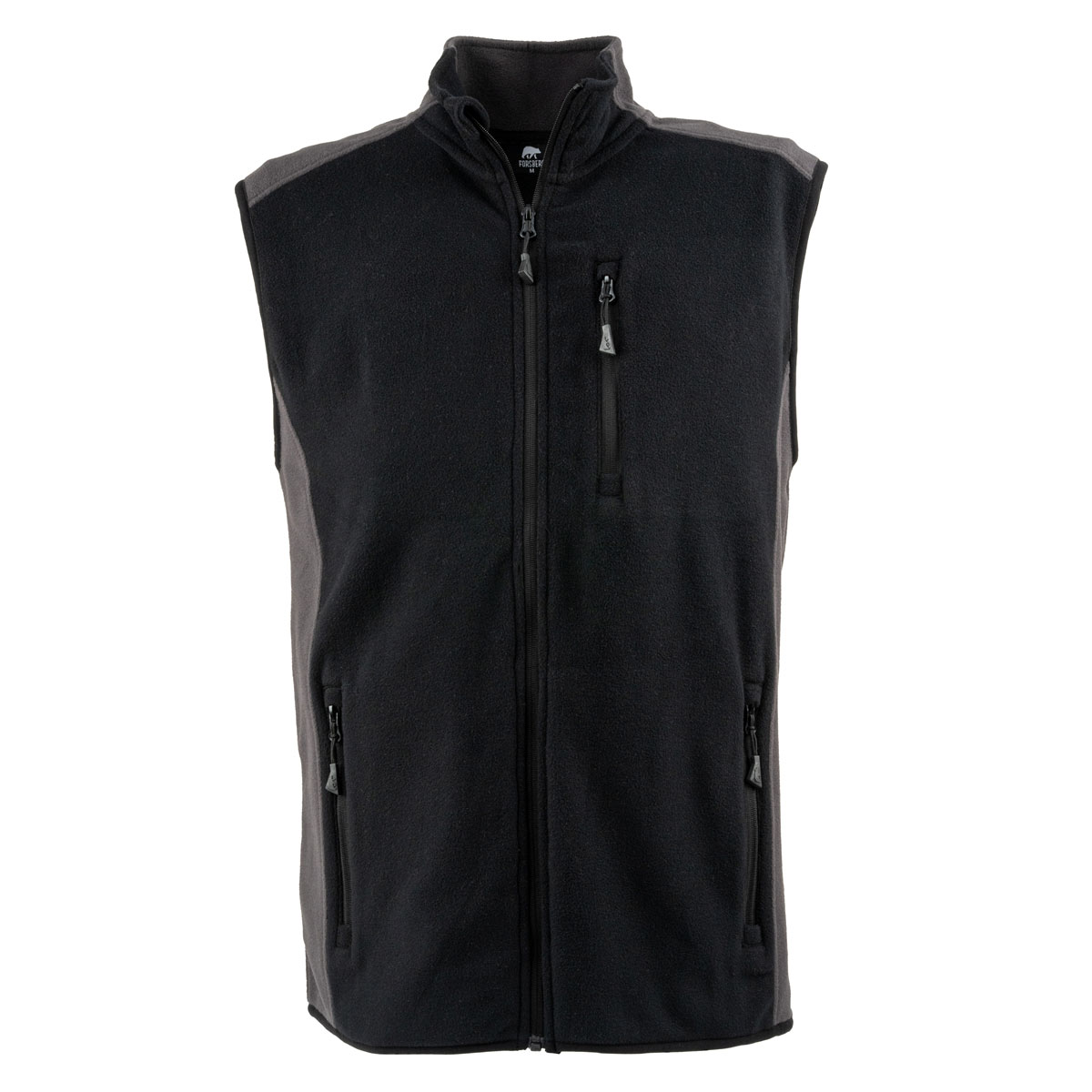
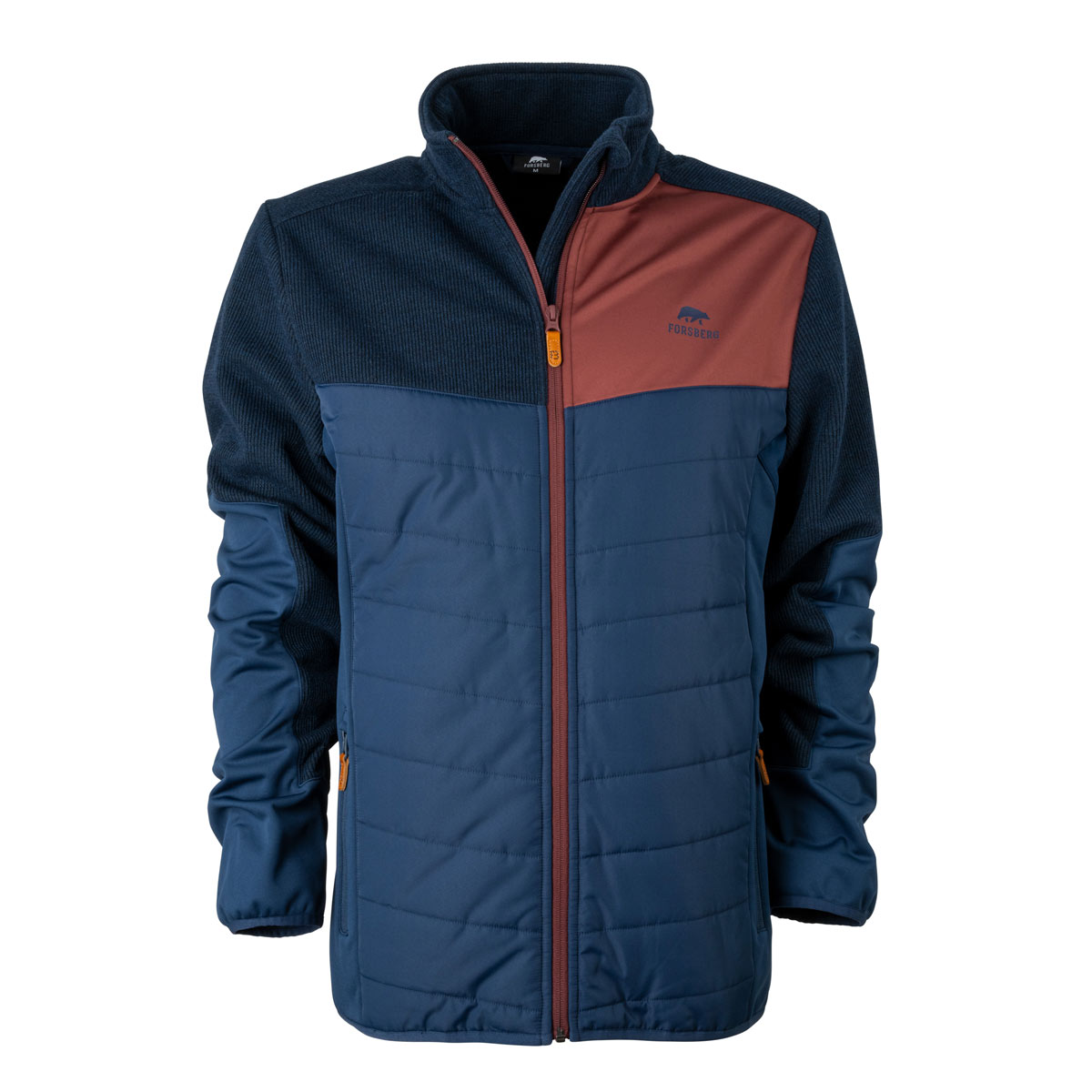
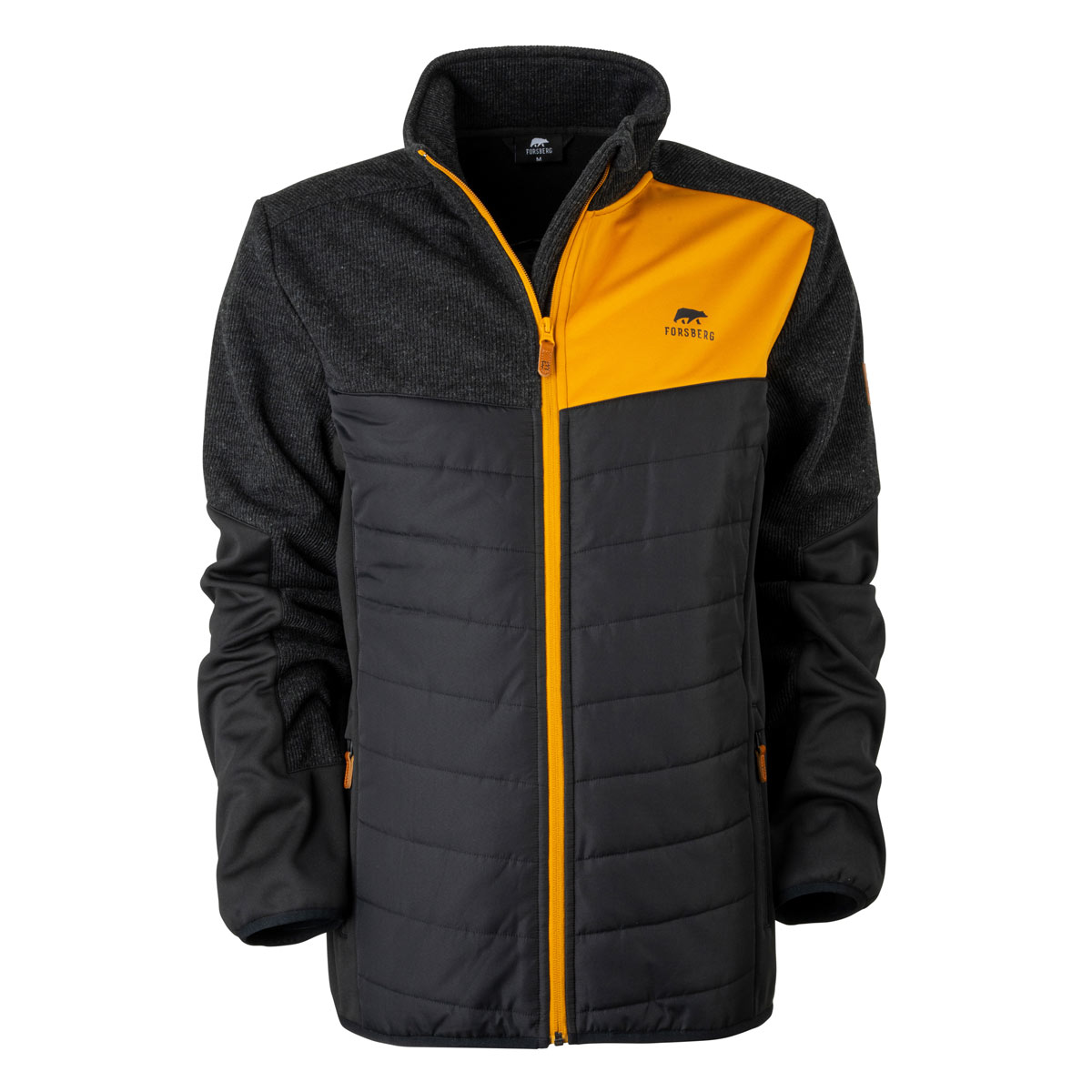
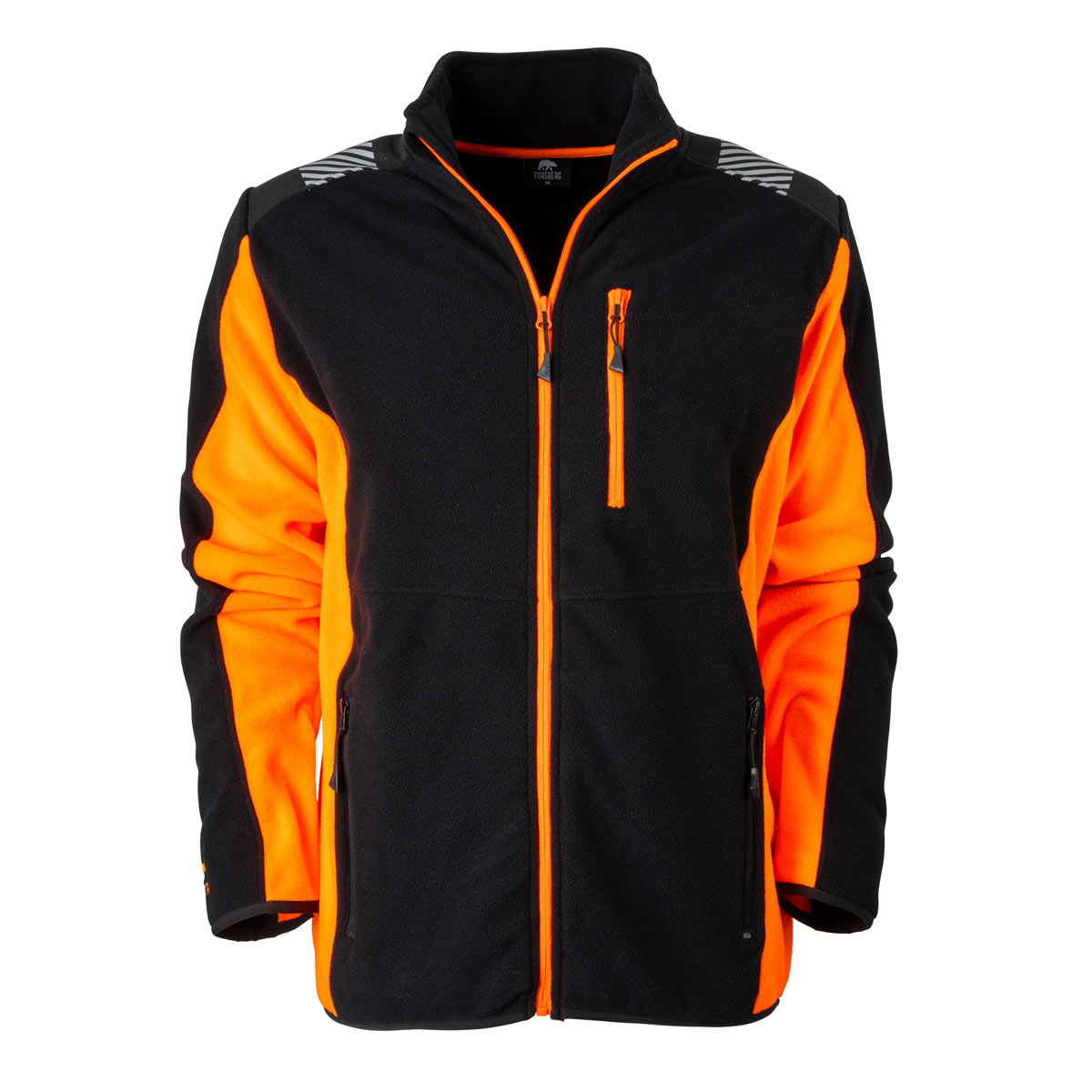
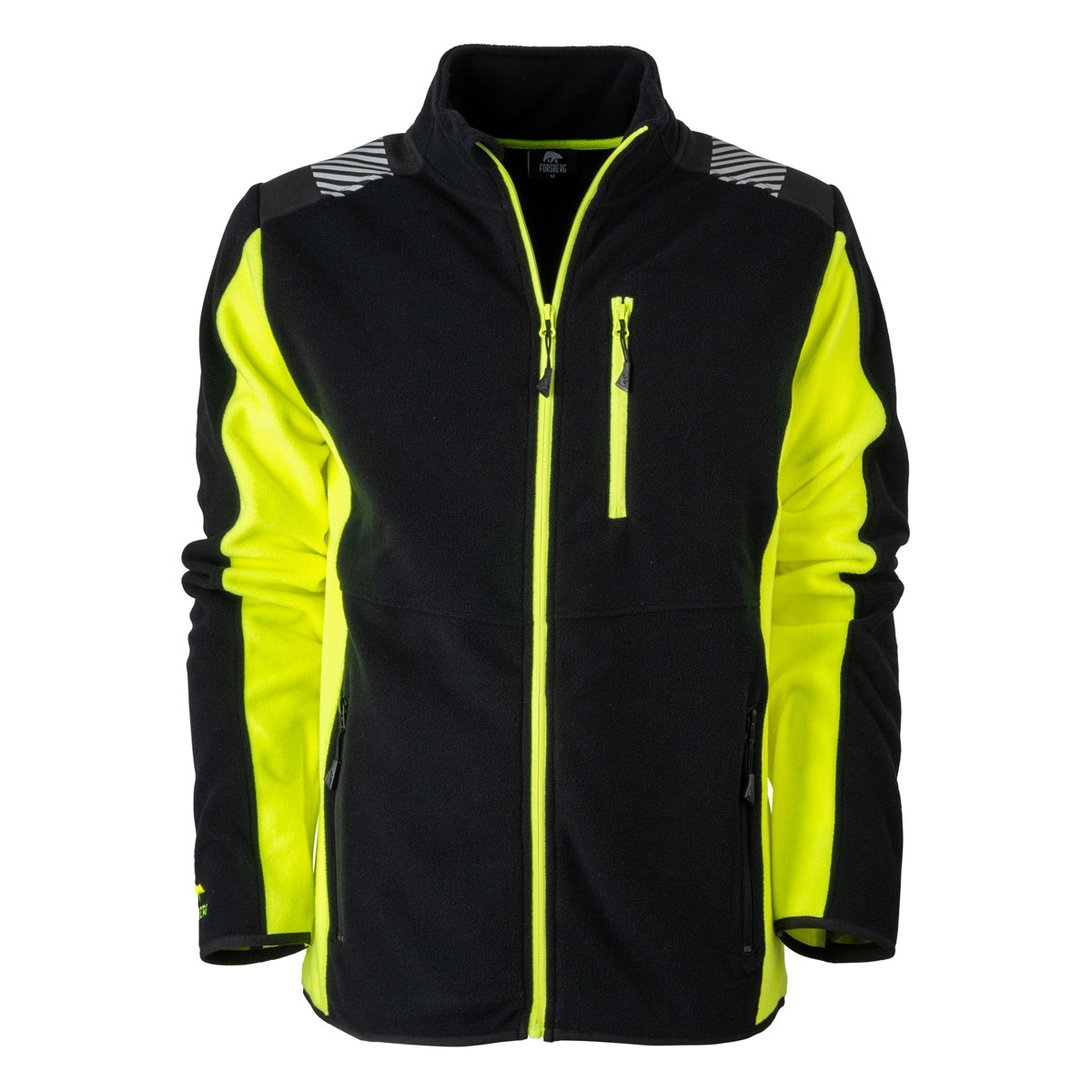
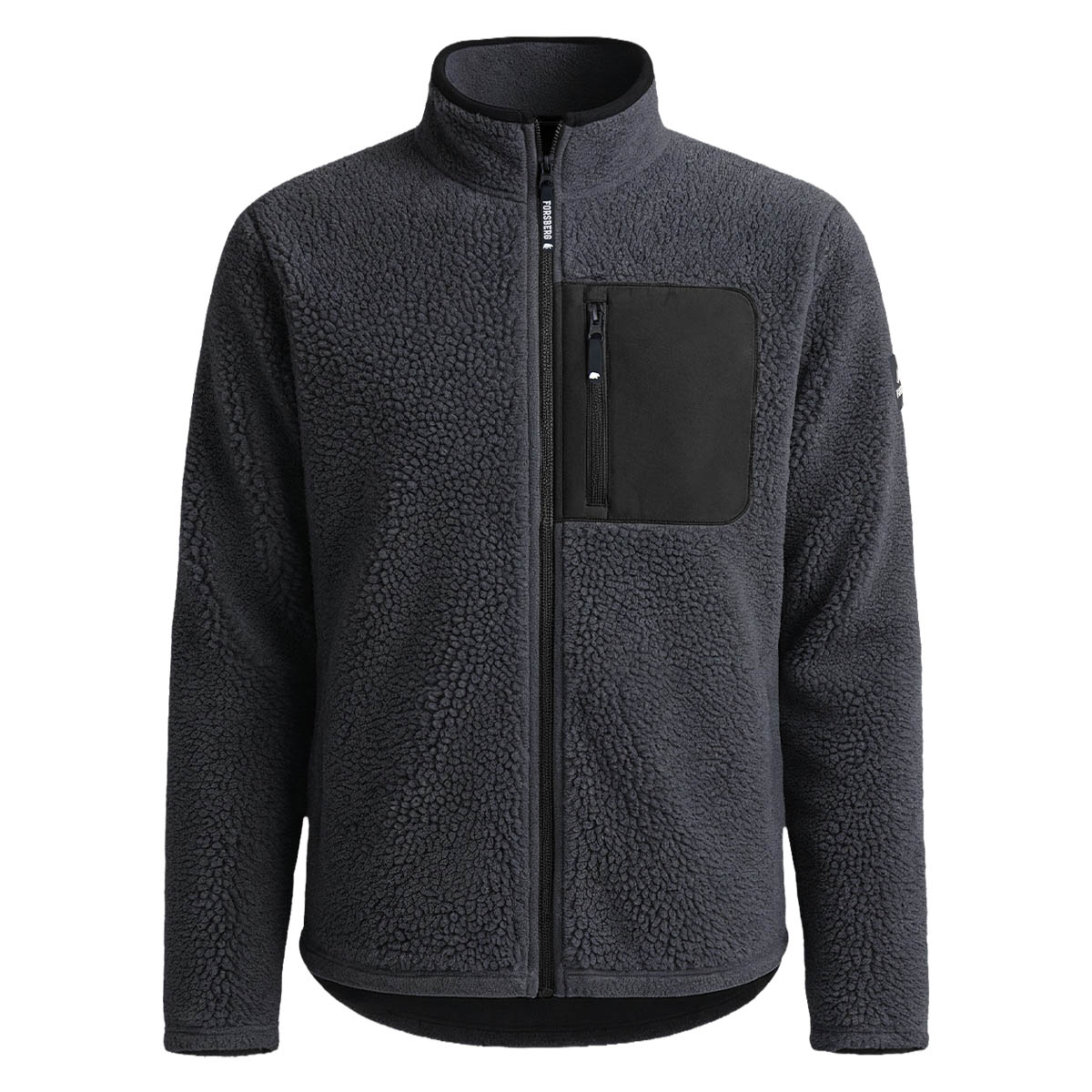
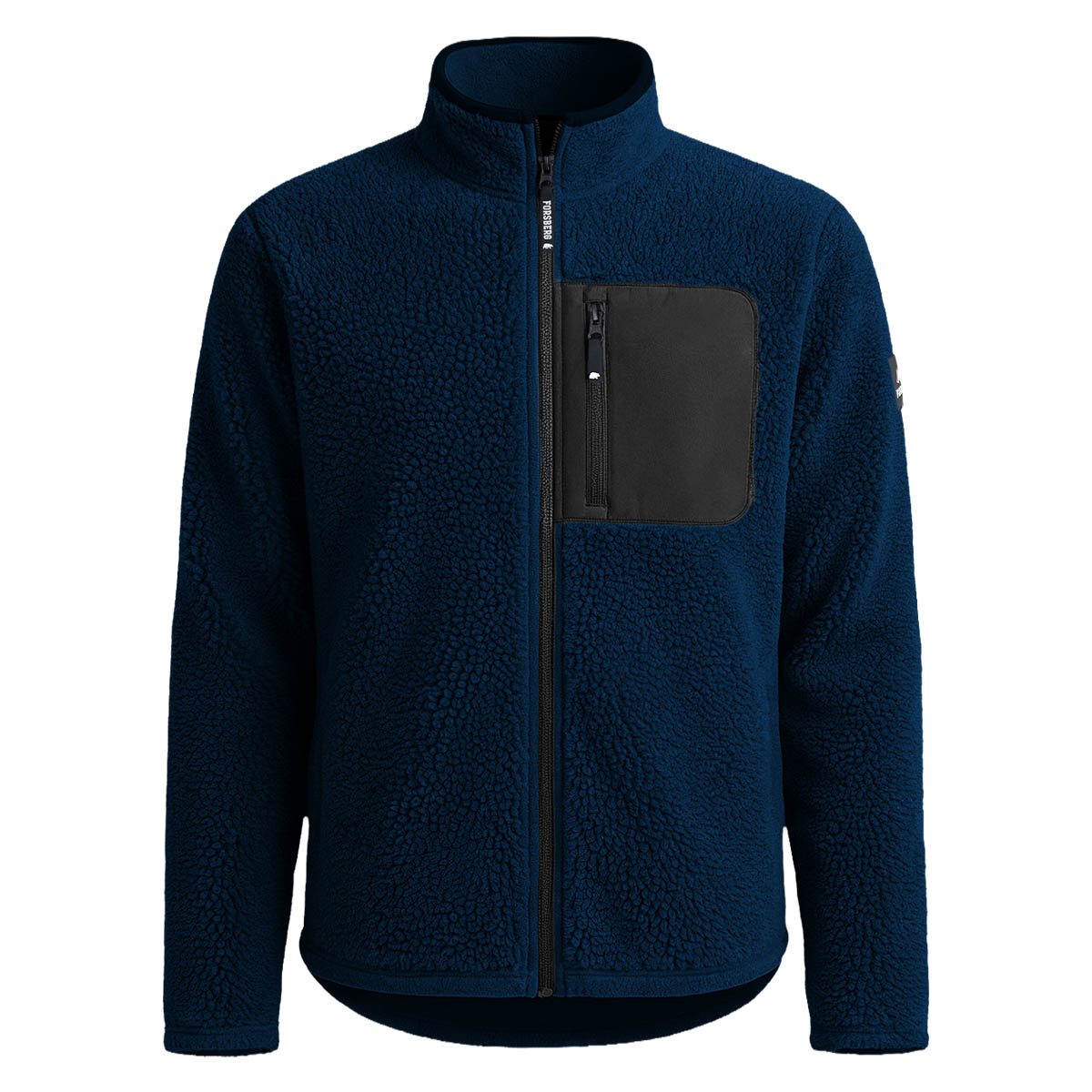
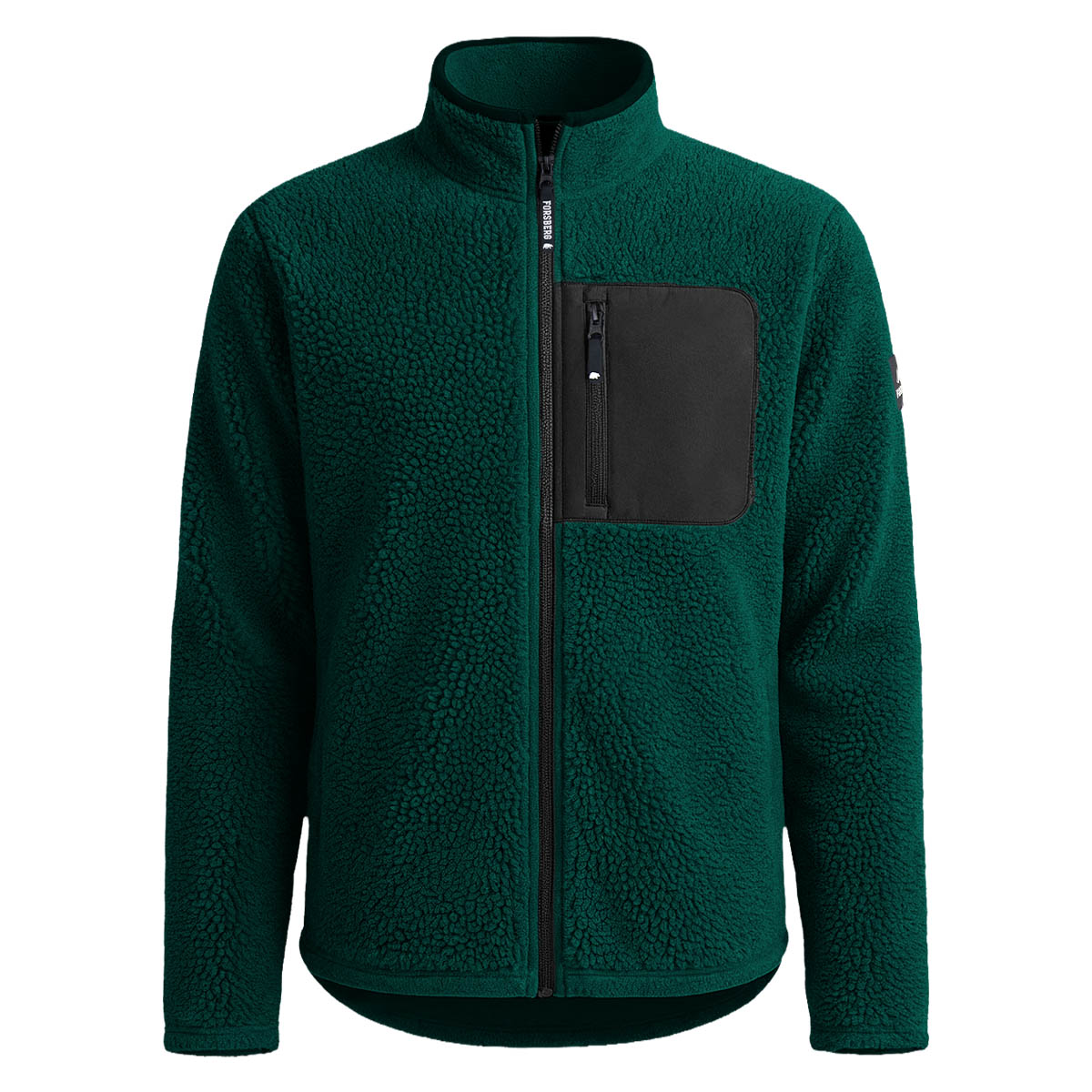
FORSBERG fleece jackets are versatile mid-layers built for both work and leisure. They pair warm, breathable fabrics with practical details like zip pockets, elastic cuffs and ergonomic cuts. Use cases range from outdoor work on construction sites to hiking and everyday wear in transitional seasons. The collection on https://www.forsberg.works/de/fleecejacken illustrates the variety: from lightweight microfleece to warmer knitted-fleece styles.
Who benefits most? Tradespeople, outdoor enthusiasts and anyone who needs a robust, low-maintenance mid-layer. Key advantages are thermal comfort without bulk, efficient moisture transport, easy care and good freedom of movement. For detailed product descriptions and individual model pages, see the FORSBERG product listings on the category page above.
Which materials and technologies matter for fleece jackets?
Fleece jackets are built around three core priorities: insulation, breathability and durability. Common materials and technologies include:
- Polyester fleece (microfleece, polar fleece): Lightweight, quick-drying and insulating. Typical weights in workwear range from about 200 to 350 g/m² depending on the warmth required.
- Knitted fleece: Provides a structured, textile-like appearance with better wind resistance and a more refined look (often used in hybrid designs).
- Anti-pilling finishes and brushed inner faces: Enhance comfort and extend service life by reducing surface wear.
- DWR (Durable Water Repellent) coatings: Applied to outer faces to shed light rain and spray—useful for commuting or light outdoor use. Note: DWR delays water absorption but does not make fleece fully waterproof.
- Hybrid constructions: Fleece bodies with reinforced shoulders or sleeves in woven fabric to resist abrasion and add wind protection.
Examples from the FORSBERG™ assortment (source: https://www.forsberg.works/de/fleecejacken):
- FORSBERG Bjarkir™ — microfleece, a lightweight insulating layer designed for freedom of movement (see the product page for details).
- FORSBERG Aeresmann™ — knitted-fleece look with a higher-end cut, focused on comfort and everyday style.
- FORSBERG Sikkar™ — a functional fleece with practical pockets and ergonomic tailoring for active use.
Construction note: fleece garments are usually single-layer or hybrid pieces rather than 2-layer/3-layer membrane systems used in rain shells. When waterproofing is required, pair a waterproof shell (2L/3L construction) over a fleece mid-layer for optimal protection.
How to care for and maintain FORSBERG fleece jackets
Proper care preserves the performance and extends the life of your fleece. Follow this step-by-step routine:
- Preparation: Close zips and Velcro, empty pockets and brush off loose dirt. Turn garments inside out if the care label recommends it.
- Washing: Use a technical detergent for synthetics. Wash at 30–40°C on a gentle program. Avoid fabric softener — it clogs fibres and reduces moisture transport. Use a small laundry bag for delicate trims.
- Reproofing / DWR refresh: If the outer face has DWR and water no longer beads, reapply a spray-on or wash-in DWR product following the manufacturer’s instructions.
- Activating DWR: Many DWR treatments need heat activation. Use a short, low-heat tumble-dry cycle (if the care label allows) or a warm iron over a cloth. Do not exceed temperatures recommended on the garment label.
- Drying and storage: Air dry in a well-ventilated area away from direct heat. Store folded or on a hanger in a dry, dark place—avoid compressing technical fleece for long periods.
- Repairs: Small holes can be patched with textile repair tape or specialist adhesive patches. For seam or zipper repairs, a tailor experienced with workwear can replace parts; many users keep spare zippers or use universal repair kits for field fixes.
Practical tips from FORSBERG product advisors (source: https://www.forsberg.works/de/fleecejacken): treat oil-based stains promptly, and for heavy use choose models with reinforced shoulders or woven overlays to reduce abrasion.
Use cases — how people really use these fleece jackets
Scenario 1 — Construction foreman on a chilly morning: A lightweight FORSBERG Bjarkir™ worn under a high-visibility shell keeps him warm without restricting movement. Pockets hold a small tape measure and phone, and the quick-dry fabric prevents a chill after early morning rain.
Scenario 2 — Weekend hiker: Layering a FORSBERG Sikkar™ beneath a breathable wind shell provides thermal regulation on steep ascents and ventilation on ridgelines. The jacket’s ergonomic cut prevents rubbing under a backpack.
Scenario 3 — City commuter: The Aeresmann™ doubles as casual outerwear on dry days — its knitted look suits an urban setting while still performing as a technical mid-layer for colder rides to work.
Top brands & models in comparison
Below is a concise comparison of representative models from the FORSBERG™ fleece range (source: https://www.forsberg.works/de/fleecejacken and product pages). Numbers are typical values and should be checked on the specific product page before purchase.
| Brand | Model | Material / Technology | Performance data | Price range (€) | Source / Experience |
|---|---|---|---|---|---|
| FORSBERG™ | Bjarkir | Microfleece 240 g/m² | Light insulation, quick-dry | €45–€70 | Forsberg product page / customer feedback |
| FORSBERG™ | Aeresmann | Knitted fleece hybrid | Comfort fit, low pilling | €60–€90 | Forsberg product page / editorial review |
| FORSBERG™ | Sikkar | Functional fleece with reinforced panels | Good abrasion resistance, practical pockets | €50–€85 | Forsberg product page / field tests |
| FORSBERG™ | Torvald (collection piece) | Mid-weight fleece, anti-pilling finish | Robust mid-layer for everyday use | €40–€65 | Forsberg product listings |
| Competitor (example) | Patagonia® Better Sweater | Knitted fleece, eco materials | Good warmth, higher price point | €120–€160 | Manufacturer information |
Note: The FORSBERG™ range aims to deliver robust technical value at attractive price points compared with high-end outdoor brands, making it a strong choice for workwear and regular outdoor use.
Frequently Asked Questions (FAQ)
- 1) Are FORSBERG fleece jackets waterproof?
- No. Fleece provides insulation and some water resistance if treated with DWR, but it is not waterproof. For rain protection, wear a waterproof shell over a fleece mid-layer.
- 2) How warm are FORSBERG fleece jackets?
- Warmth depends on fabric weight and construction. Lightweight microfleece (≈200–250 g/m²) suits cool conditions; heavier fleece or layered setups are better for cold weather.
- 3) Can I machine-wash my fleece?
- Yes. Wash at 30–40°C with a technical detergent, avoid fabric softener, and close zips and Velcro before washing. Follow the garment’s care label for best results.
- 4) How do I restore a DWR finish?
- Clean the jacket first, then apply a spray-on or wash-in DWR product and activate it with low heat if the product instructions require it.
- 5) Do fleece jackets pill easily?
- Pilling depends on fibre quality and surface friction. Anti-pilling finishes and higher-density fleeces resist pilling longer. Remove minor pills with a fabric comb.
- 6) Which fleece is best under a waterproof shell?
- Choose a breathable, low-bulk mid-layer like microfleece for good mobility and moisture management under a shell. Avoid very thick, non-breathable layers.
- 7) How long do FORSBERG fleece jackets last?
- With proper care and depending on use, a good fleece can last several seasons. Reinforced areas and anti-pilling finishes increase lifespan in work environments.
Image placeholders
- [IMAGE: FORSBERG Fleece jacket in use — Alt: "Worker wearing FORSBERG fleece jacket on a construction site"; Source: https://www.forsberg.works/de/fleecejacken]
- [IMAGE: Detail of fleece fabric and zipper — Alt: "Close-up of fleece texture and YKK-style zipper"; Source: https://www.forsberg.works/de/fleecejacken]
- [IMAGE: Urban application scenario — Alt: "Commuter wearing knitted FORSBERG fleece Aeresmann in city"; Source: https://www.forsberg.works/de/fleecejacken]
For more in-depth advice, see our care guide and workwear selection articles on the site: https://www.forsberg.works/de/ratgeber and https://www.forsberg.works/de/blog. Browse our selection of FORSBERG fleece jackets now and find the perfect product for your needs.