



















Weather protection jackets – Overview & Buying Guide
Why Weather protection jackets?
Weather protection jackets (also called weatherproof or all‑weather jackets) are outer layers designed to keep you dry, warm and mobile when you work or spend time outdoors. They combine water resistance or waterproofing with windproofing and—depending on the model—insulation or extra breathability.
Typical uses include outdoor trades (construction, landscaping), courier and delivery work, field service, and leisure activities like hiking, dog‑walking or cycling. People who spend long periods outside, change activity intensity often, or carry tools and equipment benefit most.
Advantages at a glance:
- Protection: keeps rain and wind off the body and reduces heat loss.
- Comfort: modern shells are breathable to avoid overheating during active tasks.
- Durability: reinforced zones and abrasion‑resistant textiles extend service life.
- Functionality: pockets, detachable hoods, adjustable cuffs and visibility details add practical value.
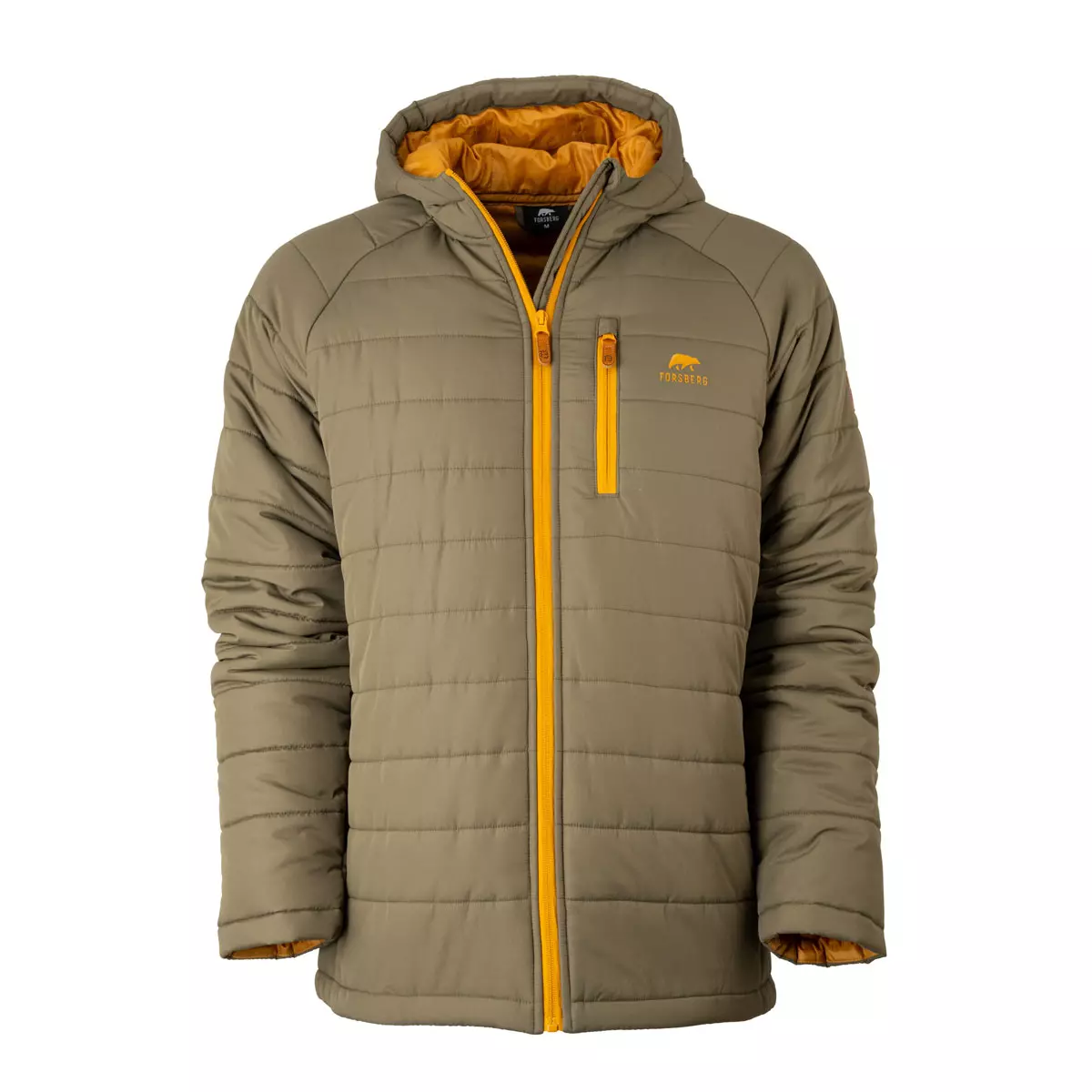
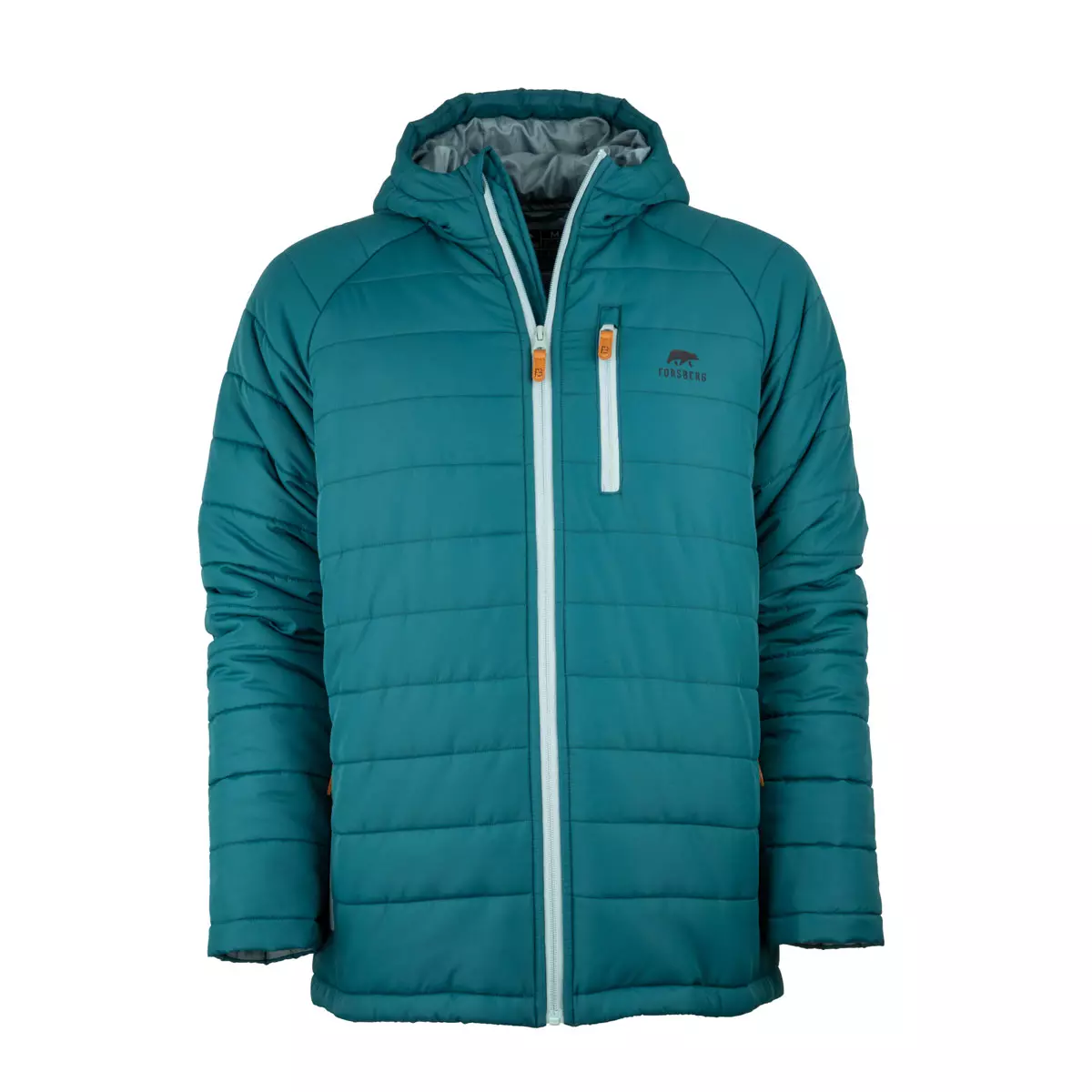
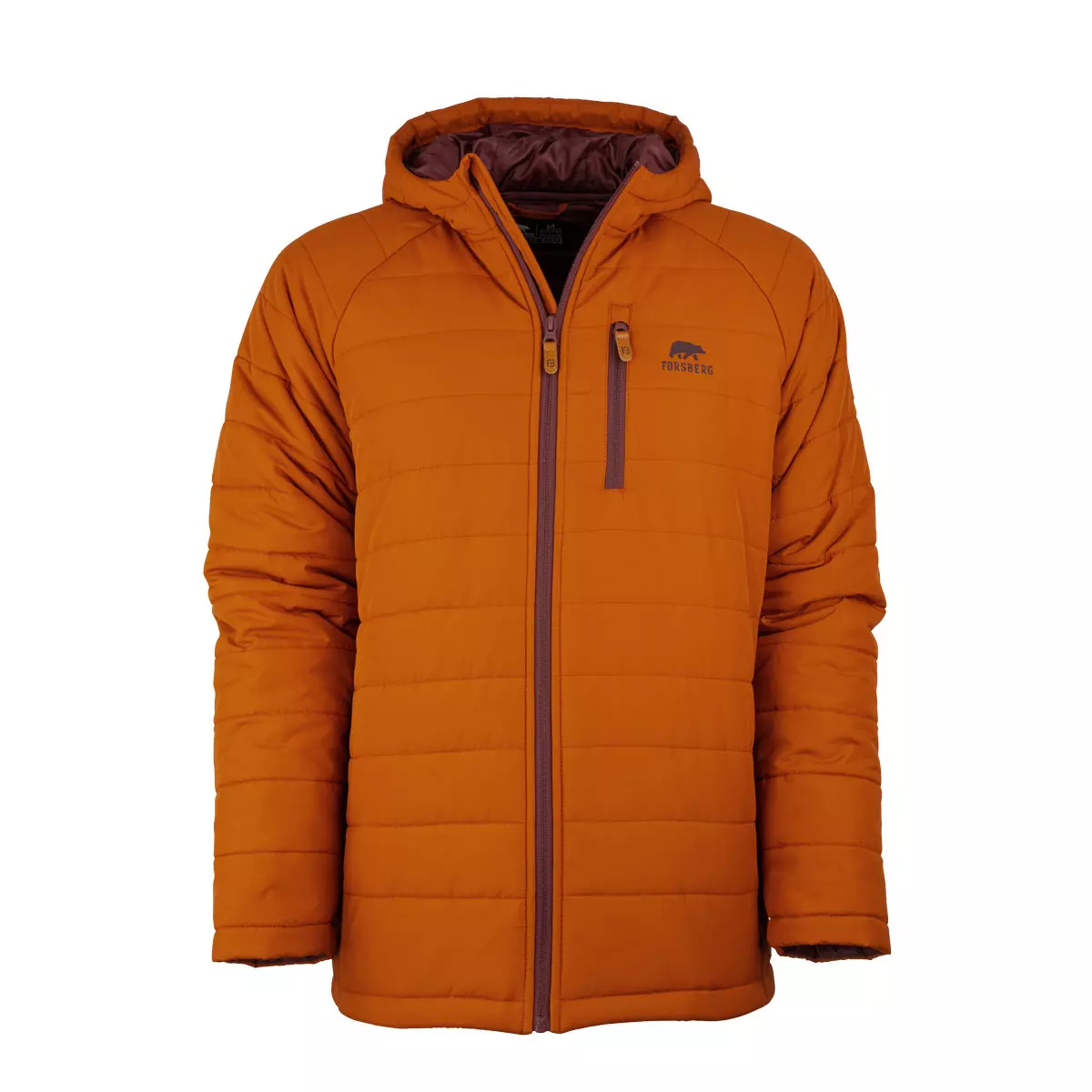
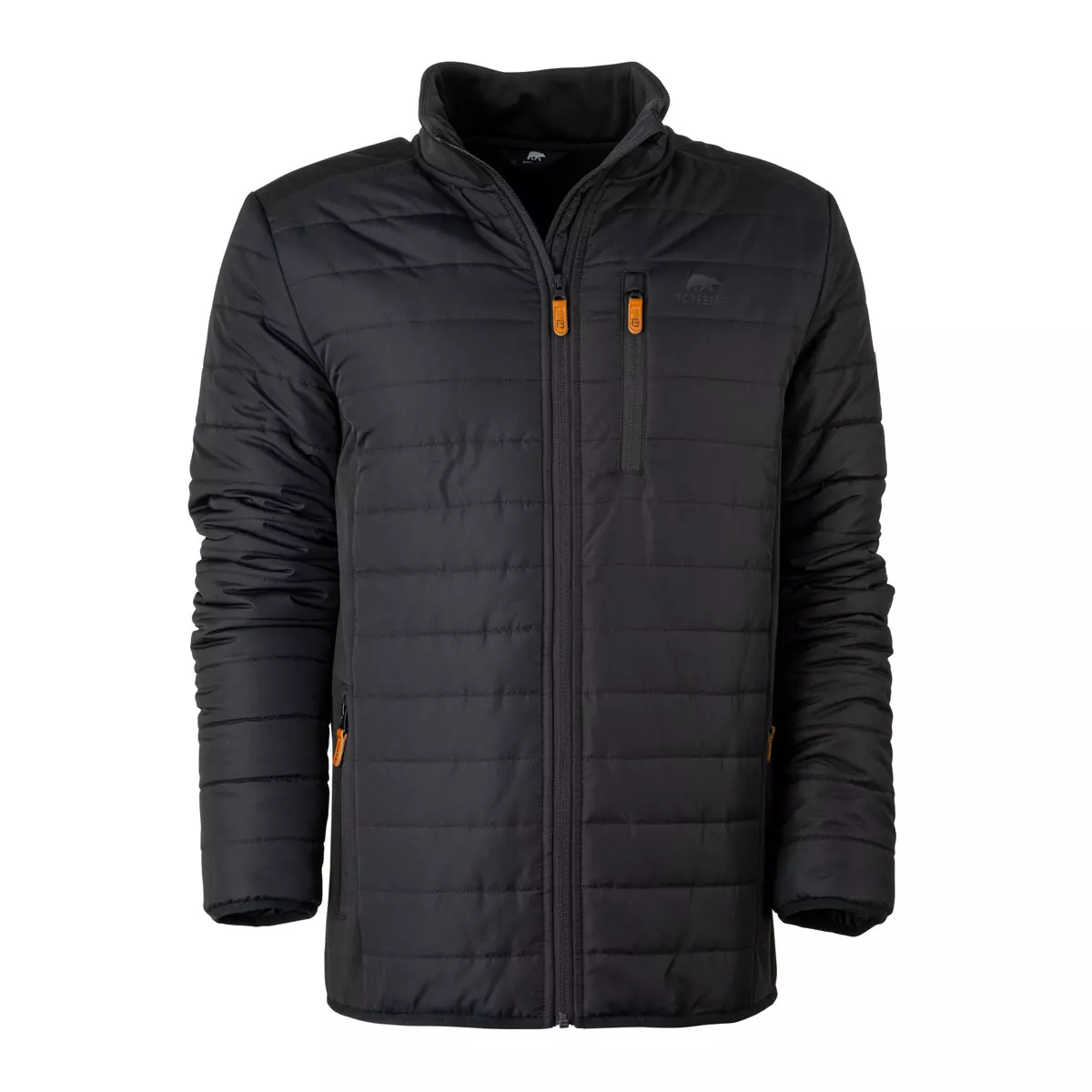
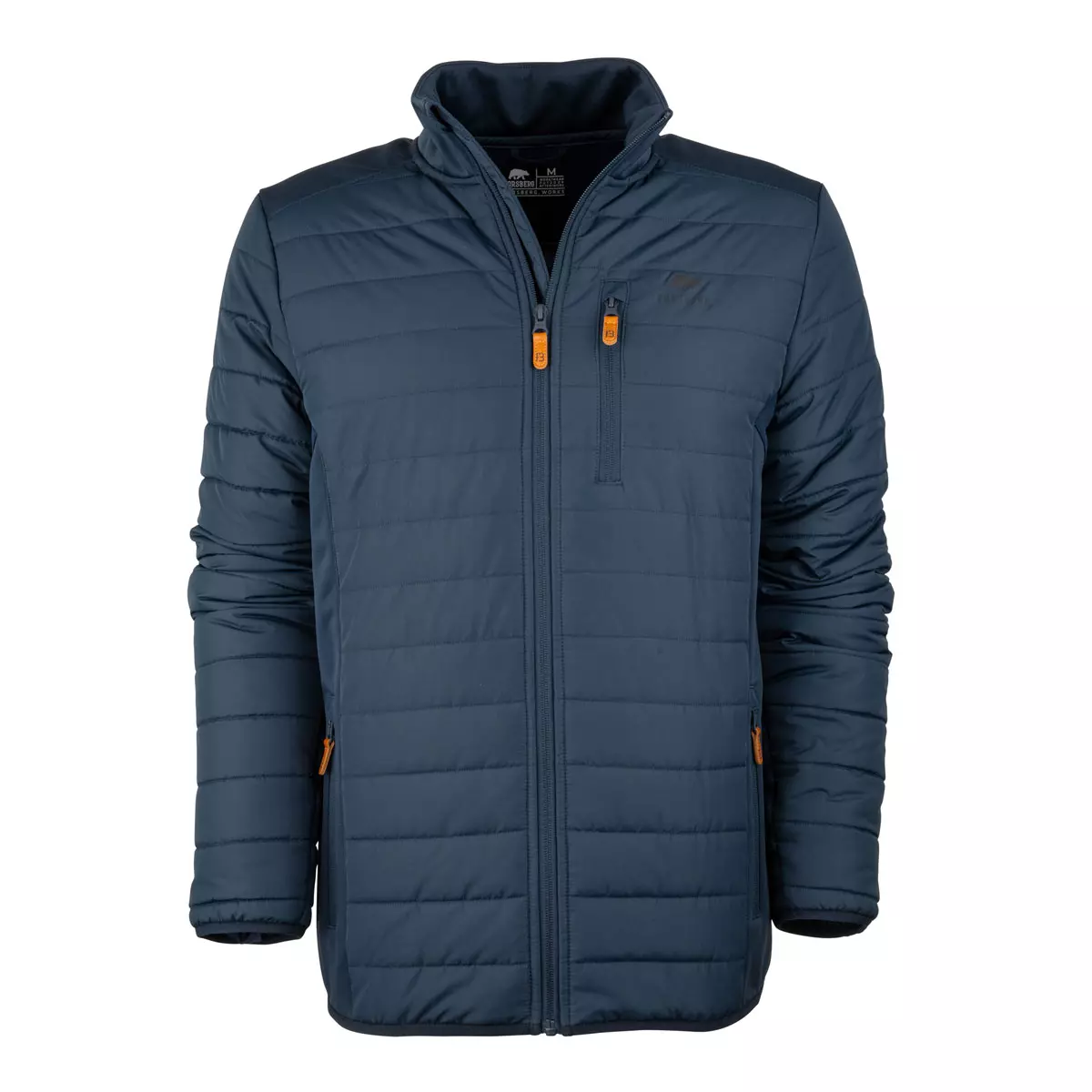
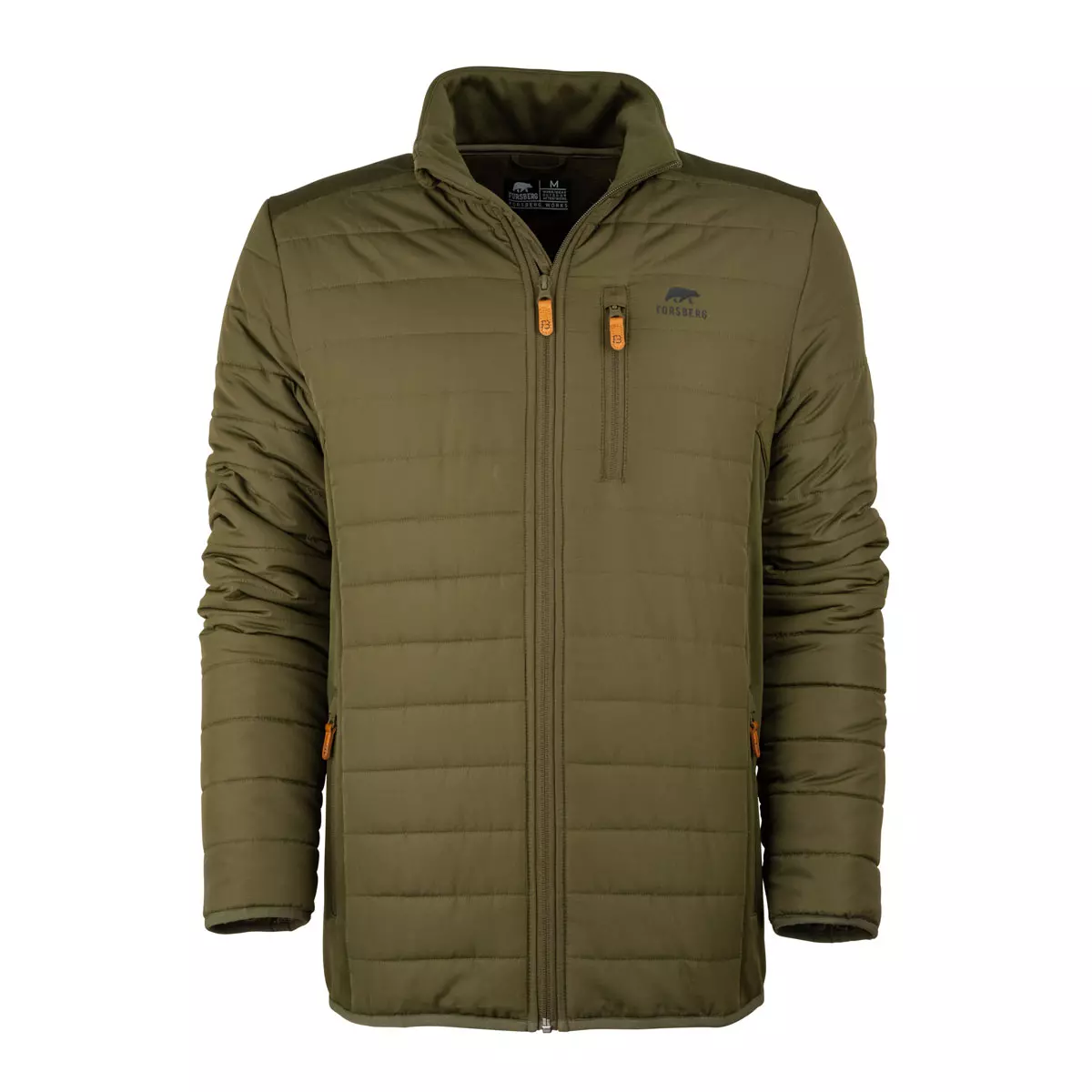
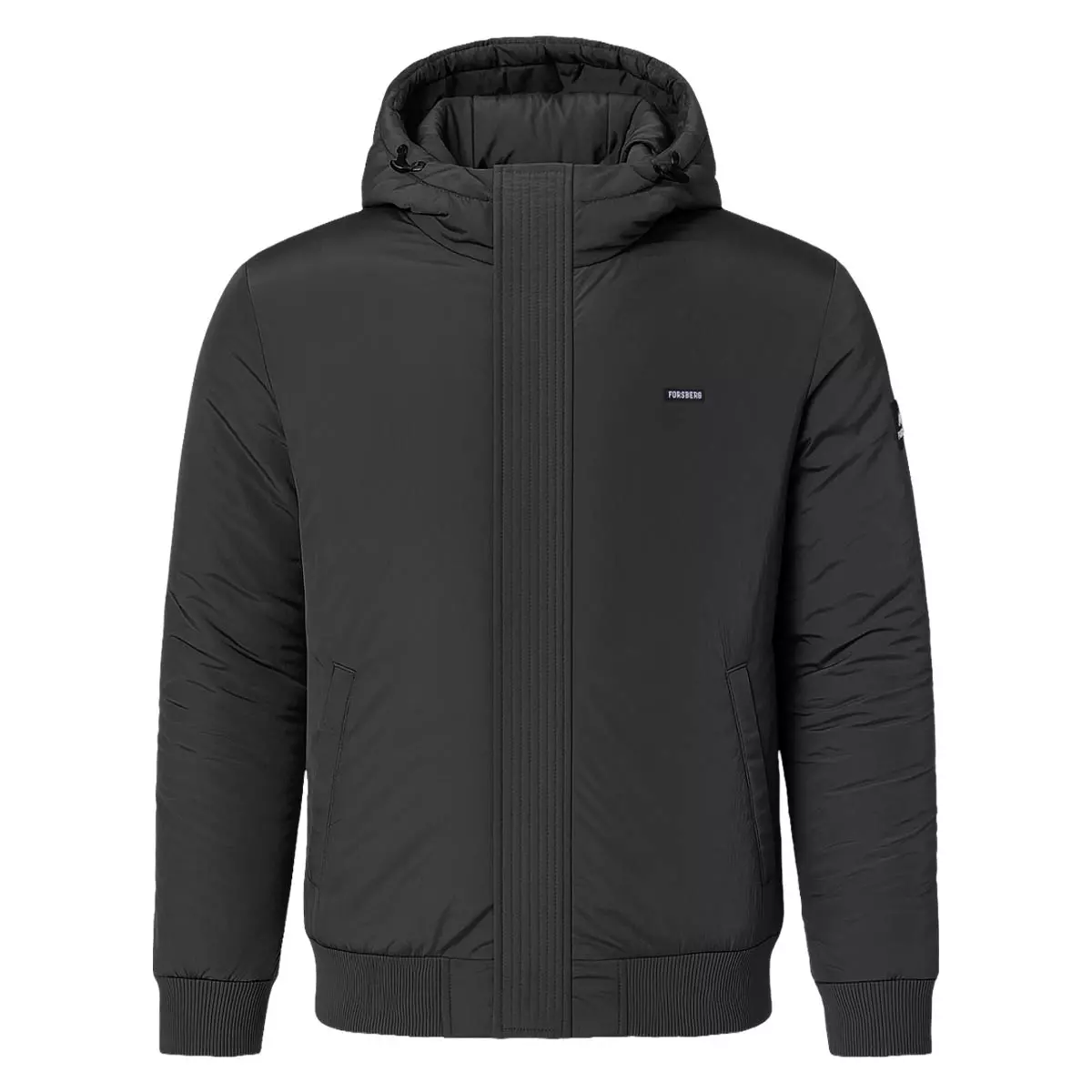
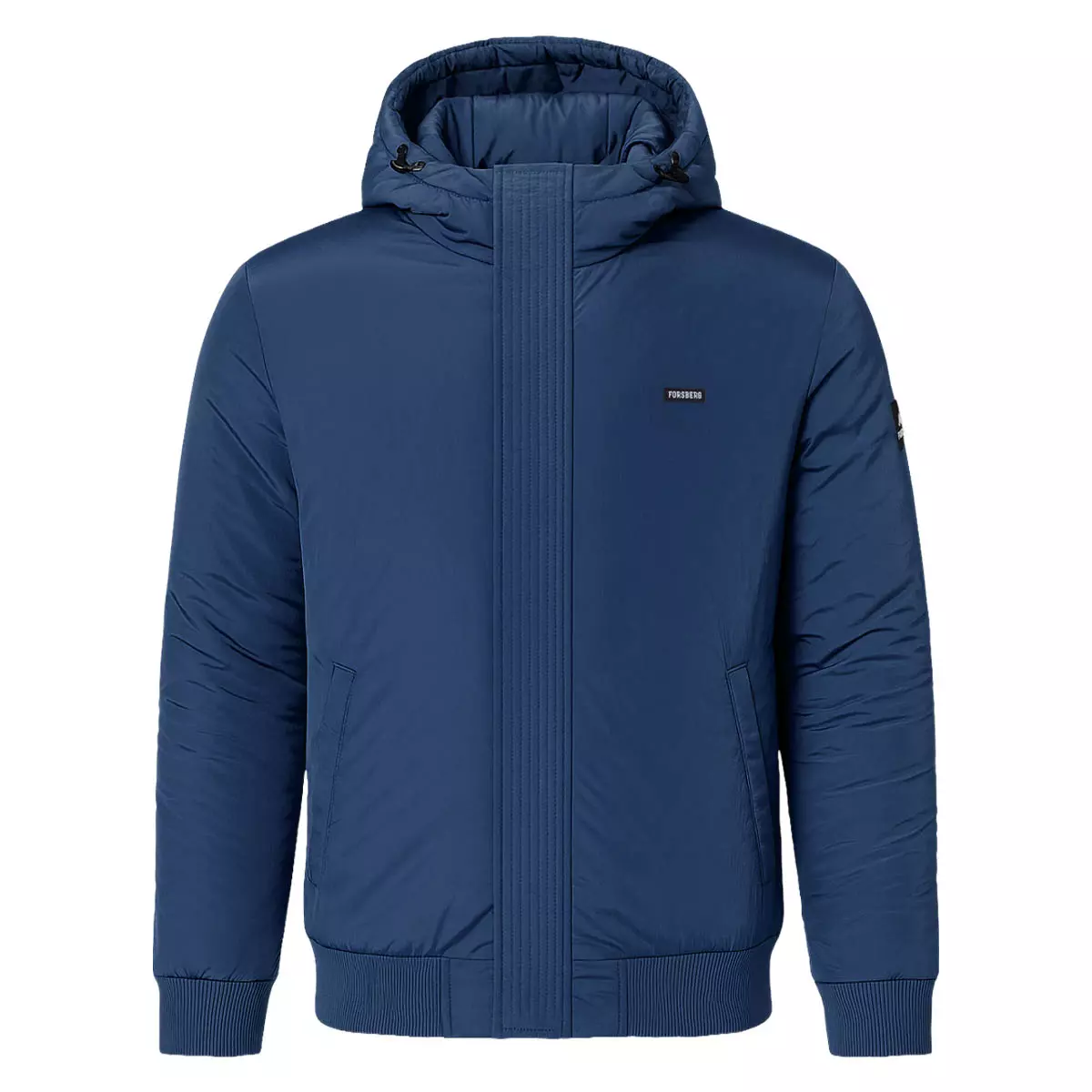
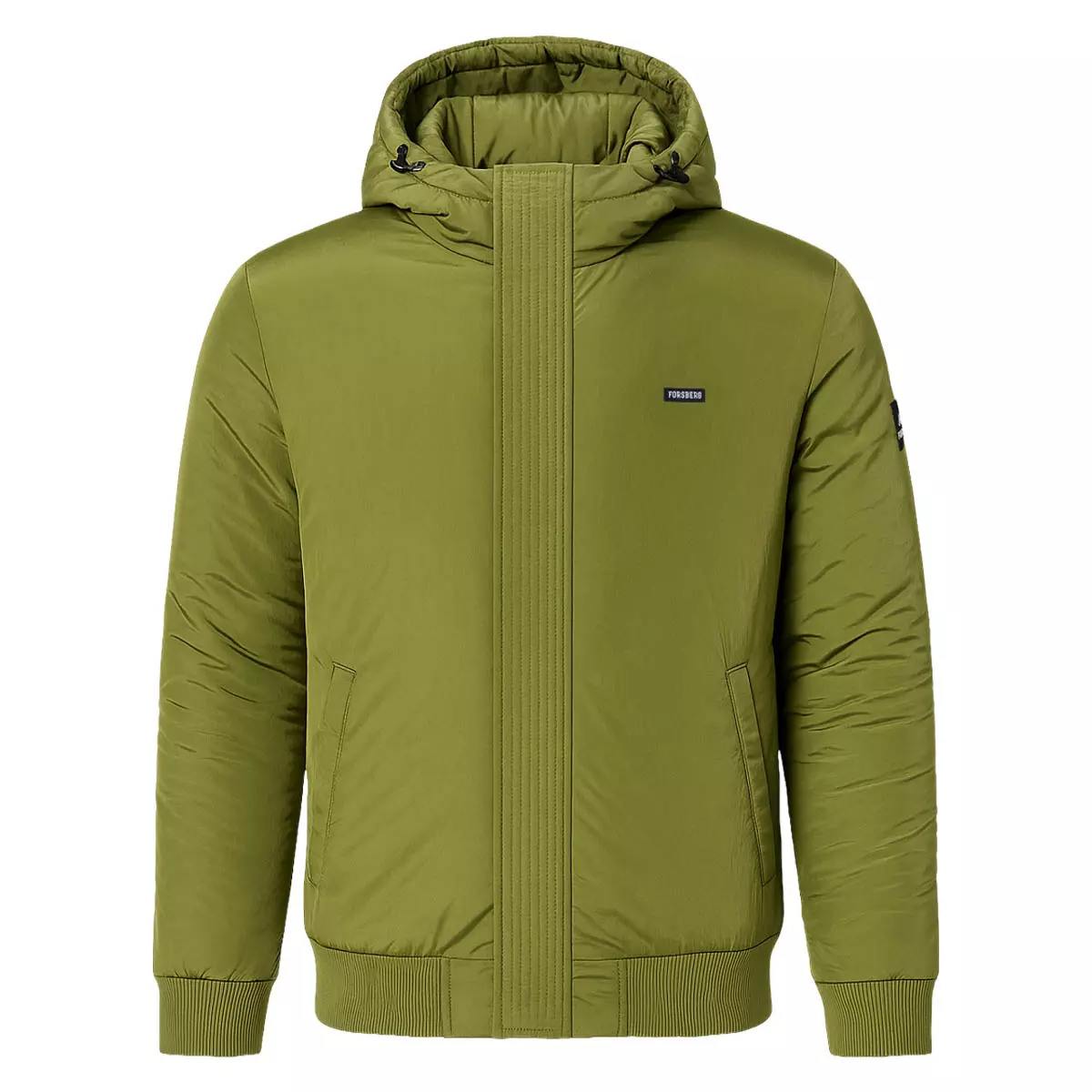
On the product range you’ll find practical hybrids (lightweight waterproof shells with insulated sections), fully lined winter jackets, and simpler water‑repellent work jackets—each tuned to different tasks and climates.
Which materials/technologies are relevant for Weather protection jackets?
A weather jacket’s performance comes from its materials and how they’re assembled.
Key technologies and materials
- Membranes (laminates): e.g. GORE‑TEX® or other waterproof/breathable membranes that block liquid water while allowing water vapour to escape. Laminated membranes are often used in 2‑layer or 3‑layer constructions.
- Coatings: PU (polyurethane) coatings make fabrics waterproof; cheaper coatings can be durable but may be less breathable.
- Durable water repellent (DWR): a surface finish that makes water bead off the outer fabric and reduces wetting. DWR wears off over time and can be renewed.
- Insulation: synthetic (e.g. polyester fill) or down for warmth—padded jackets are intended for colder seasons.
- Technical linings and meshes: 3D‑mesh or brushed linings improve thermal comfort and moisture transport.
Construction: 2‑layer vs 3‑layer
- 2‑layer: outer fabric bonded to a membrane plus a separate inner lining. Good balance of price and waterproofing for many trades.
- 3‑layer: membrane is bonded between outer fabric and an inner protective layer—lighter and more durable, preferred for professional use and long‑term exposure.
Examples from the assortment
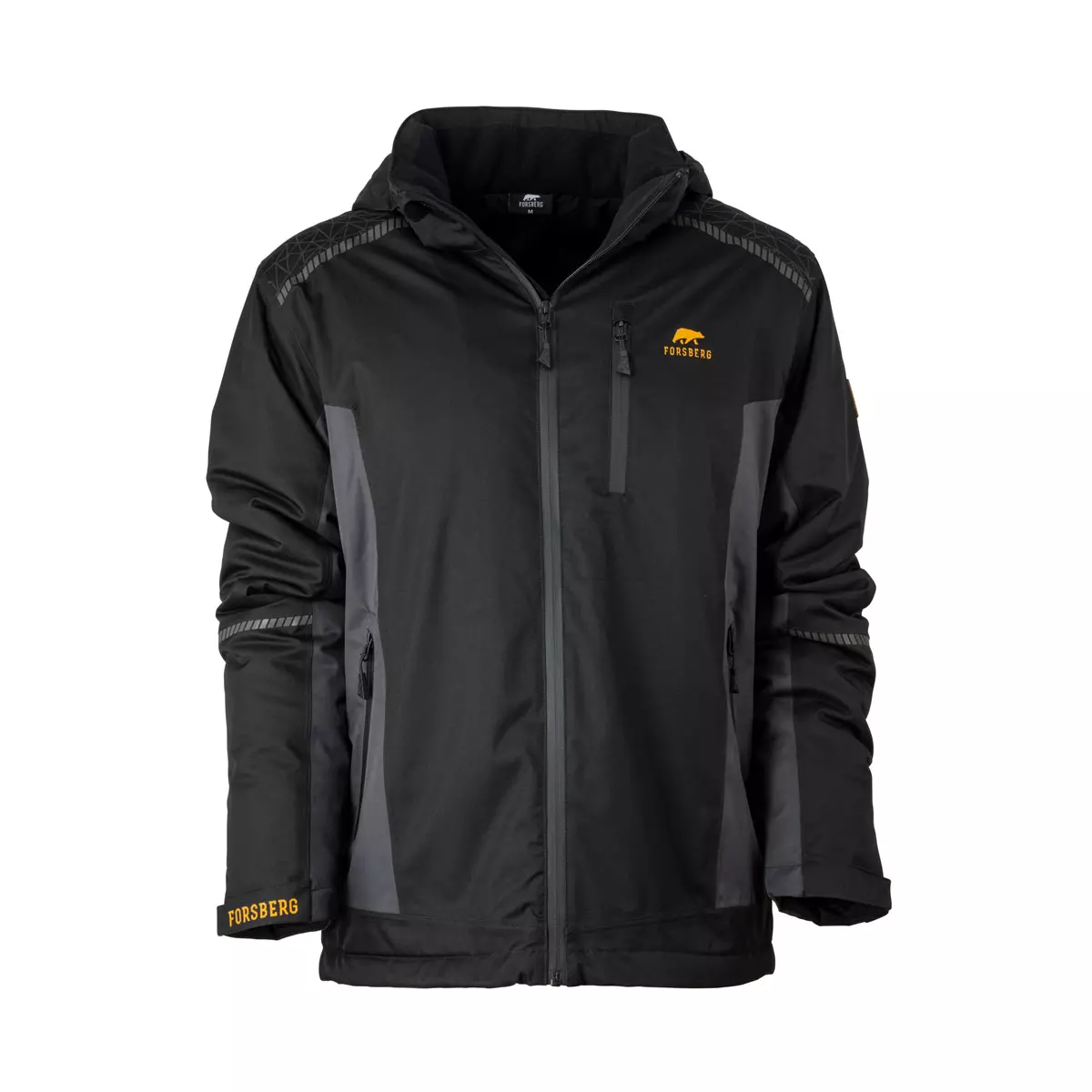
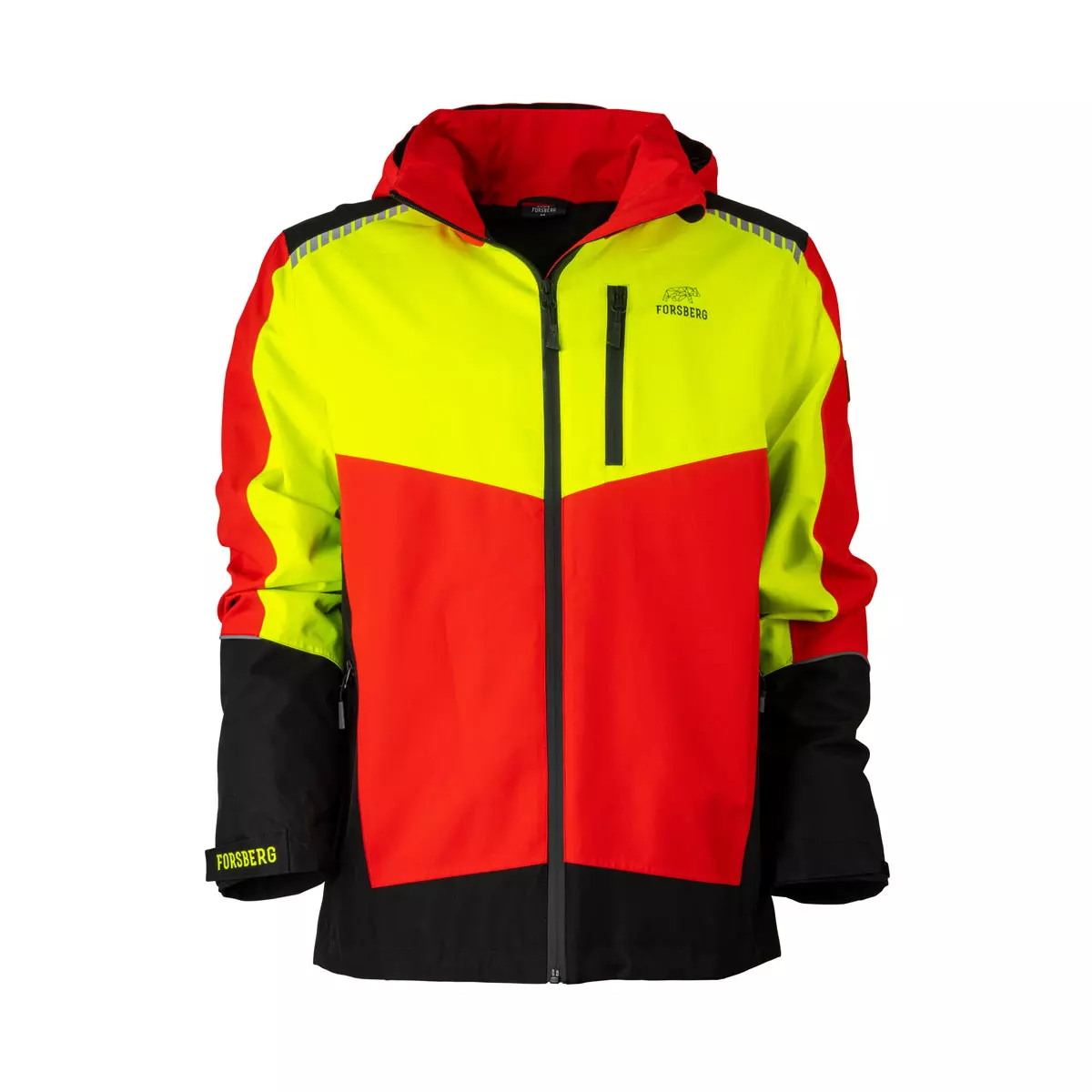
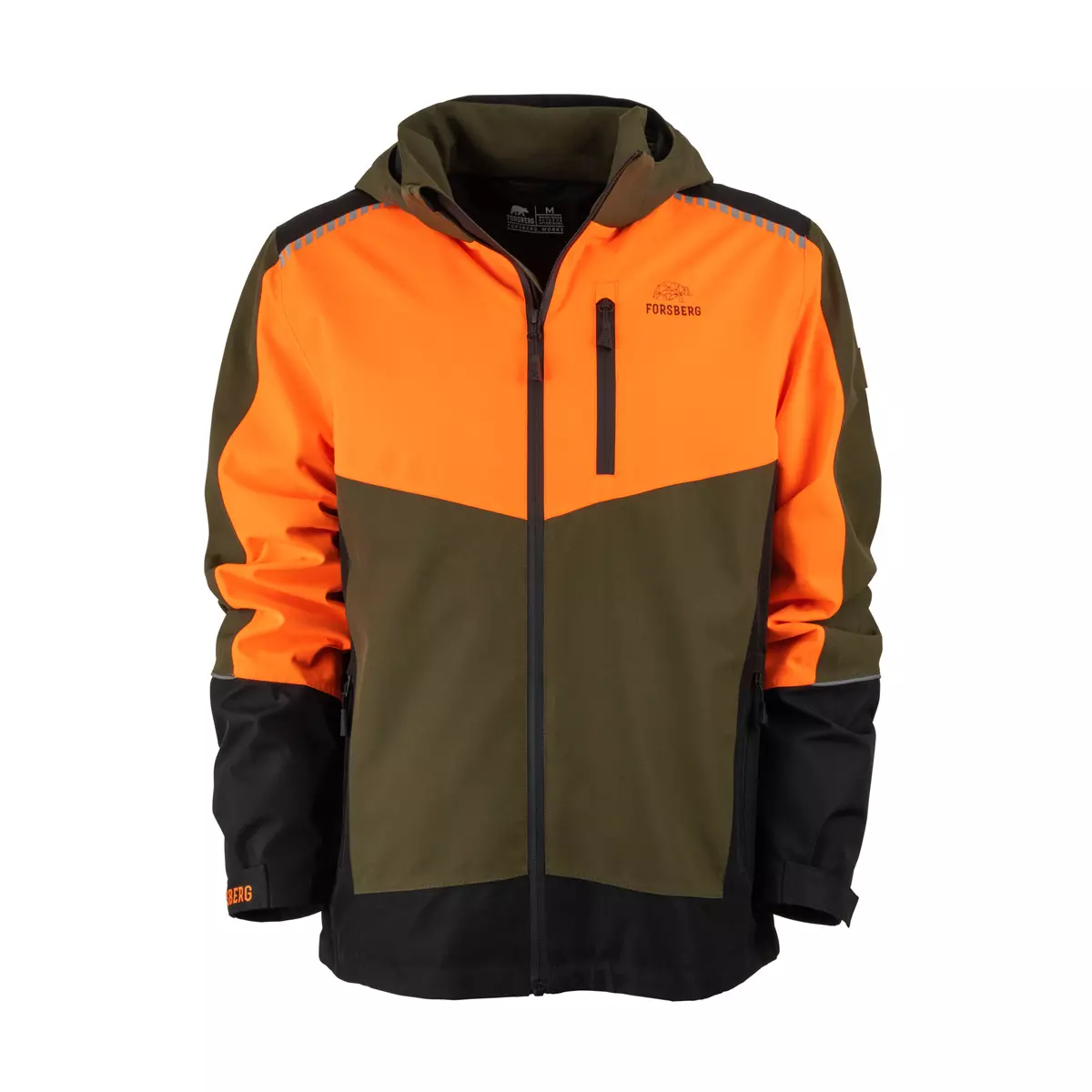
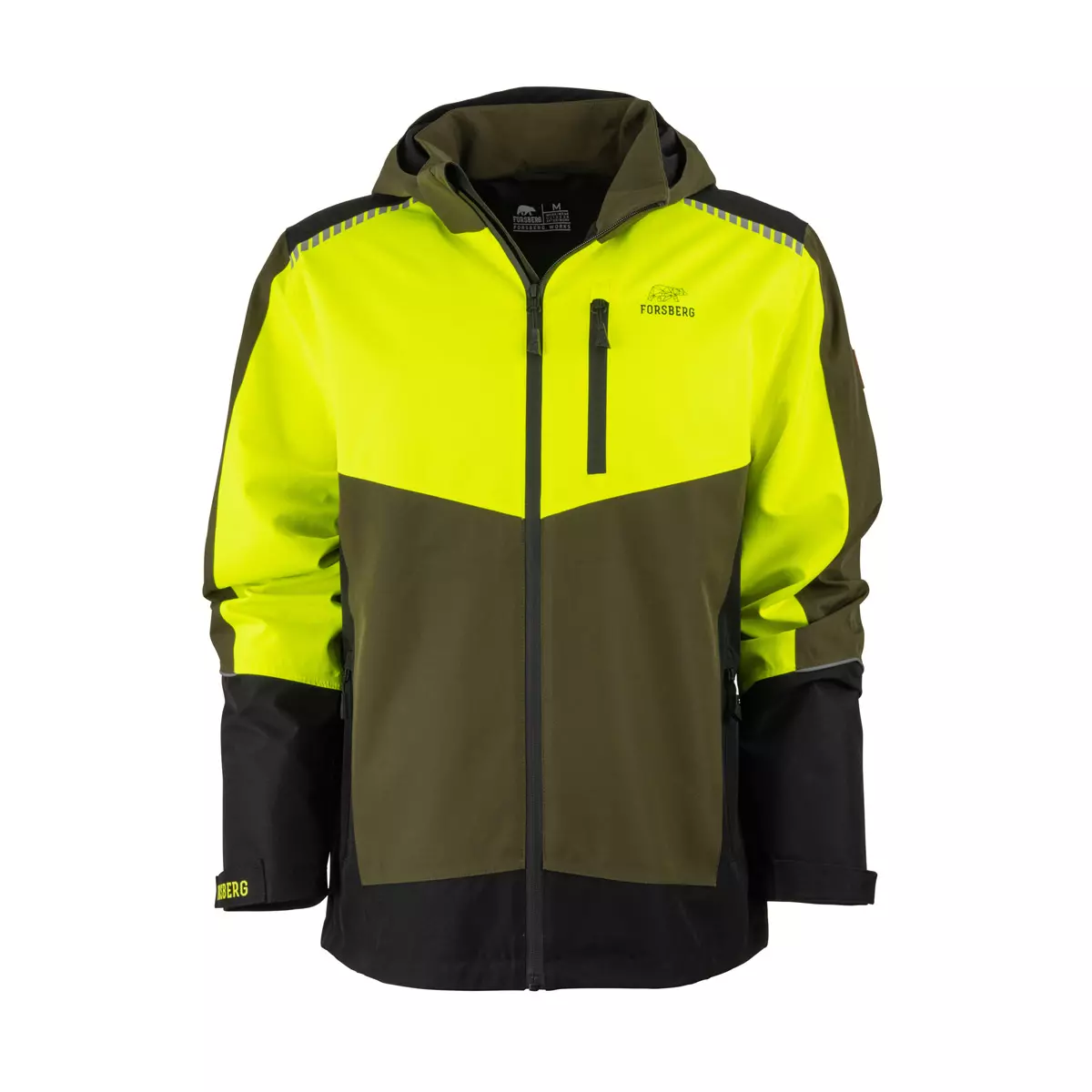
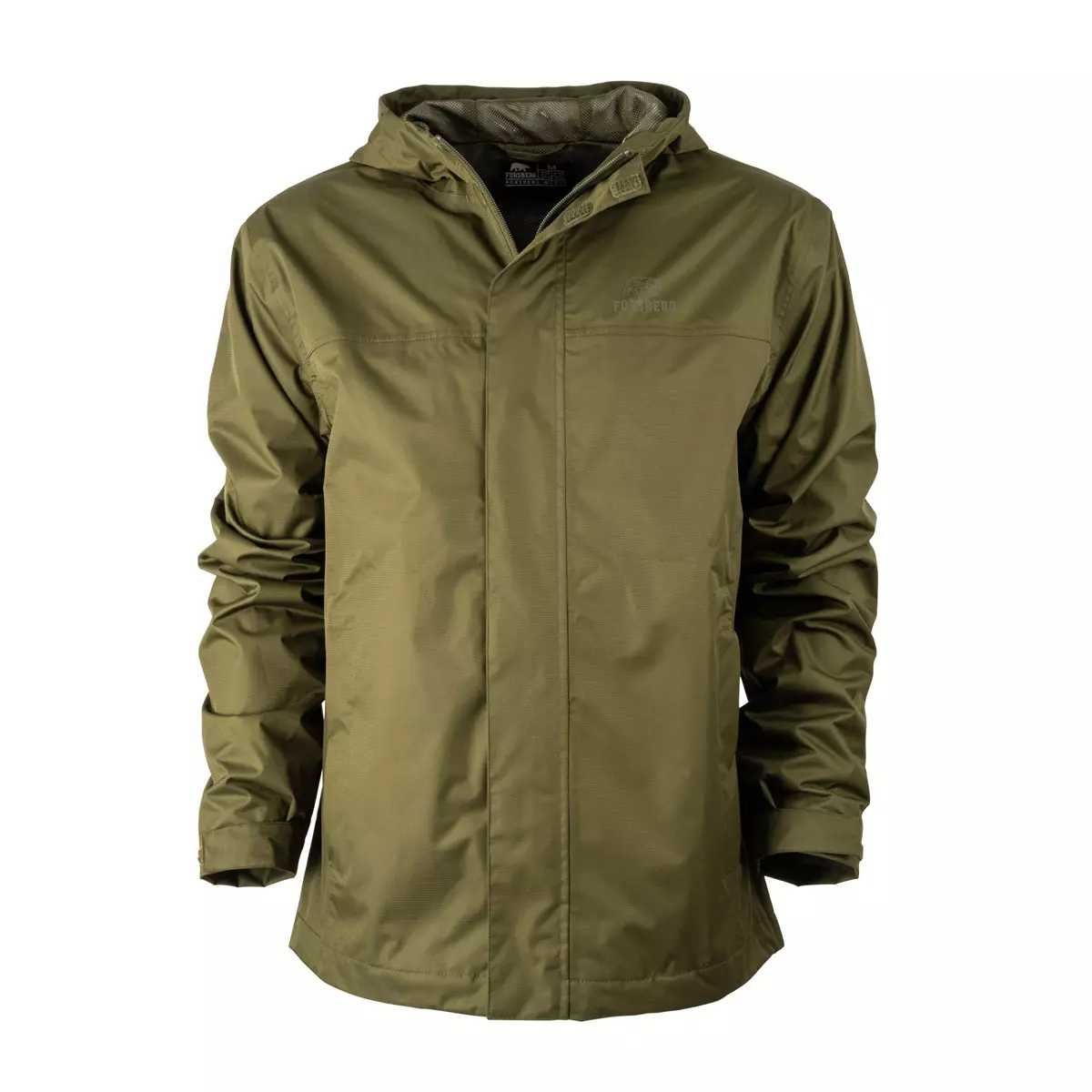
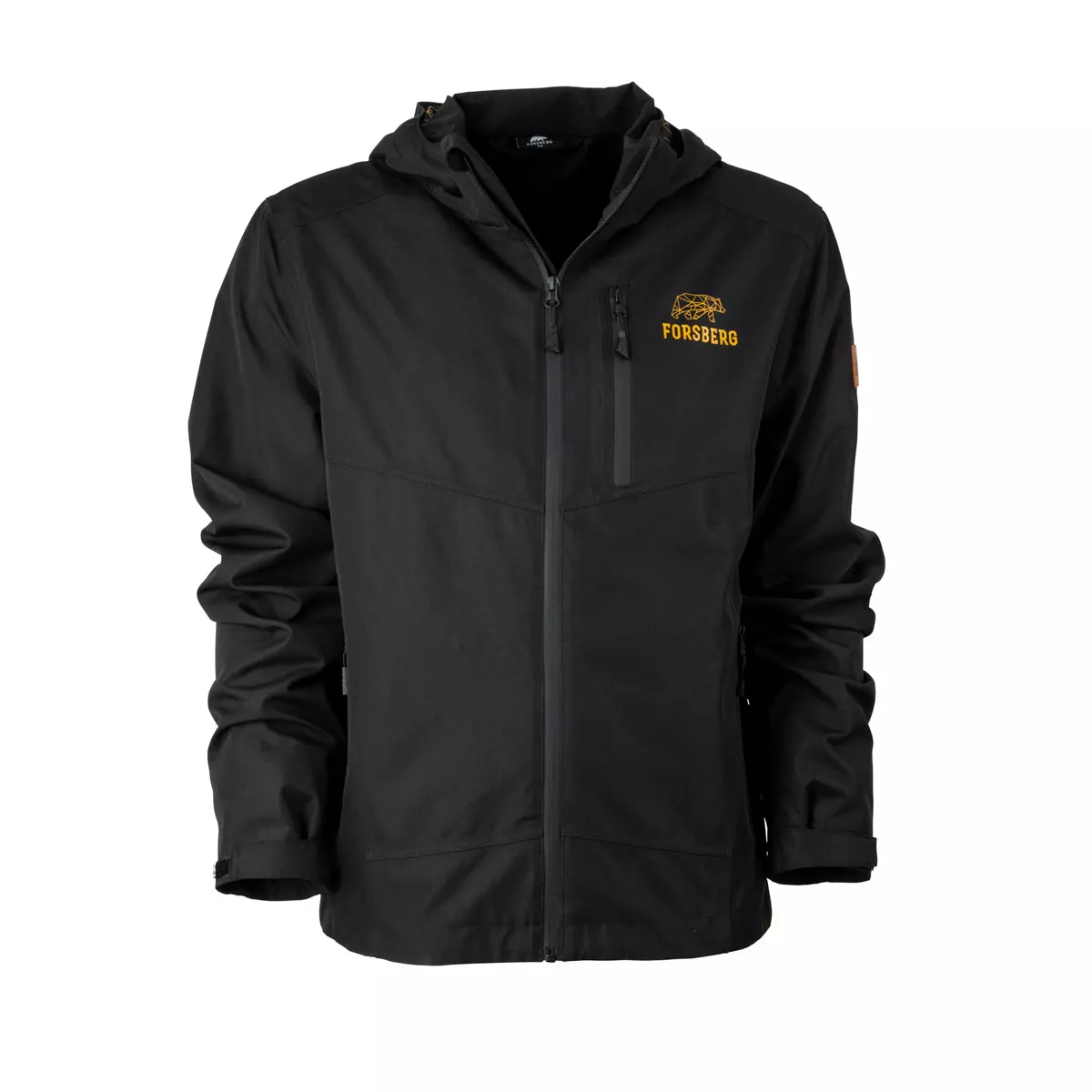
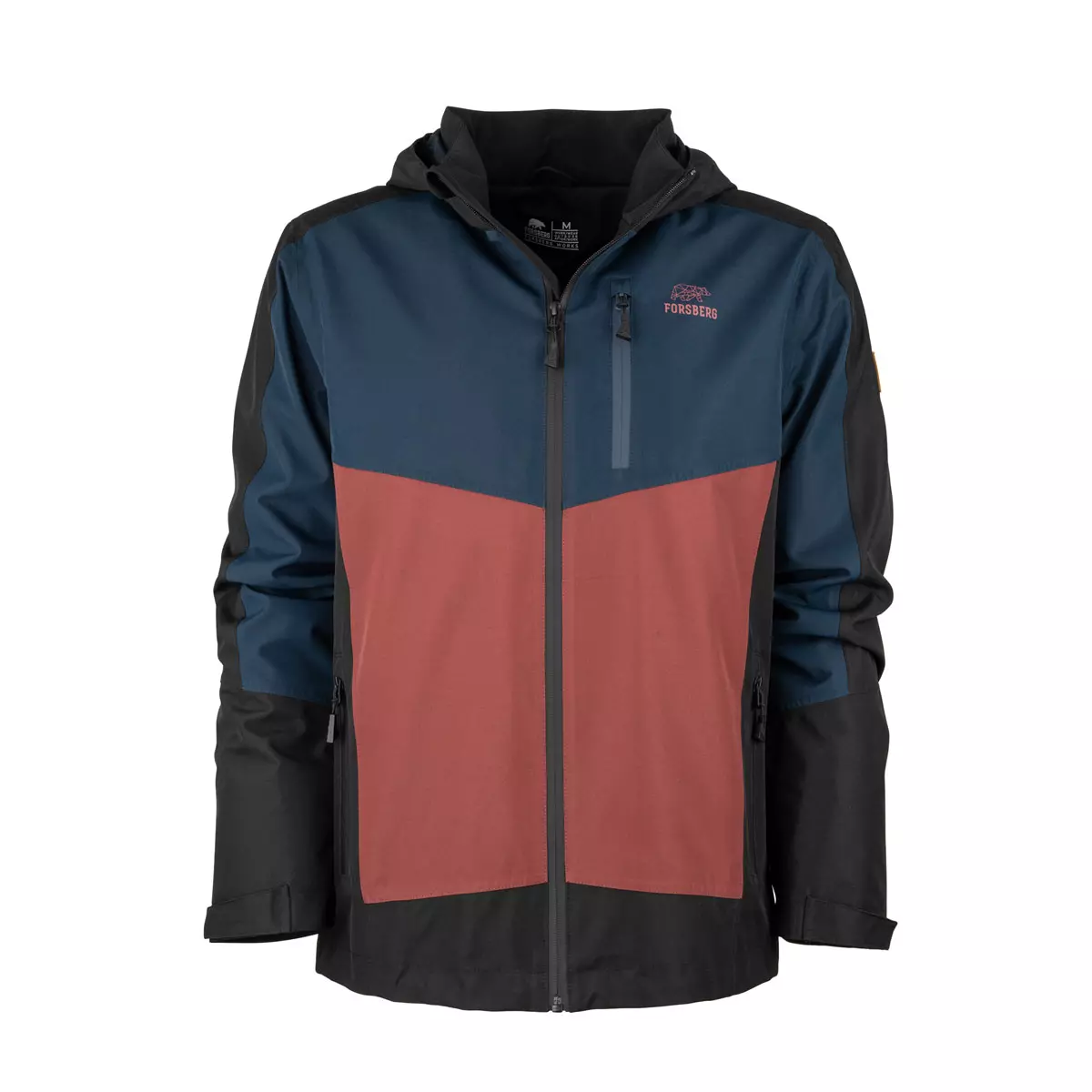
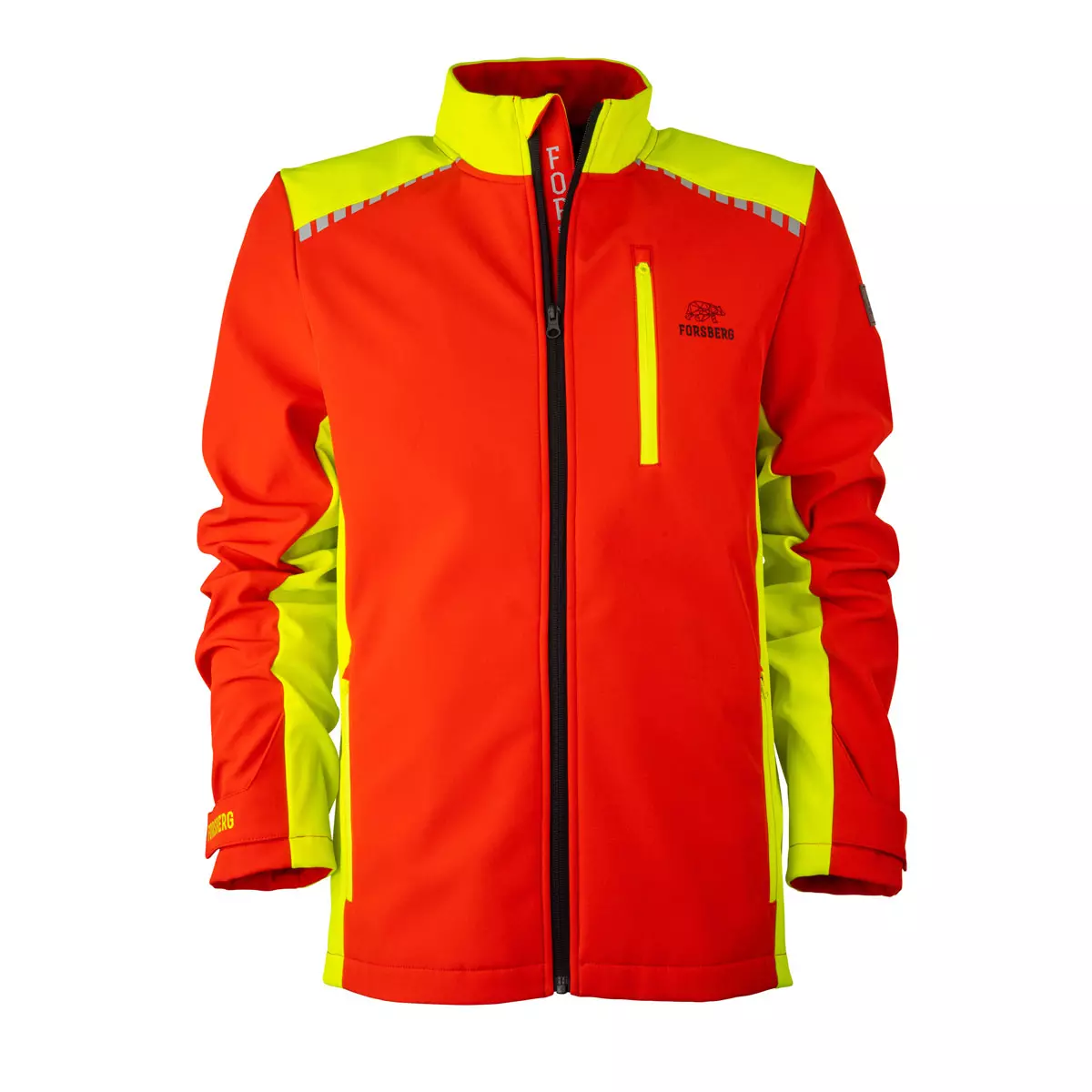
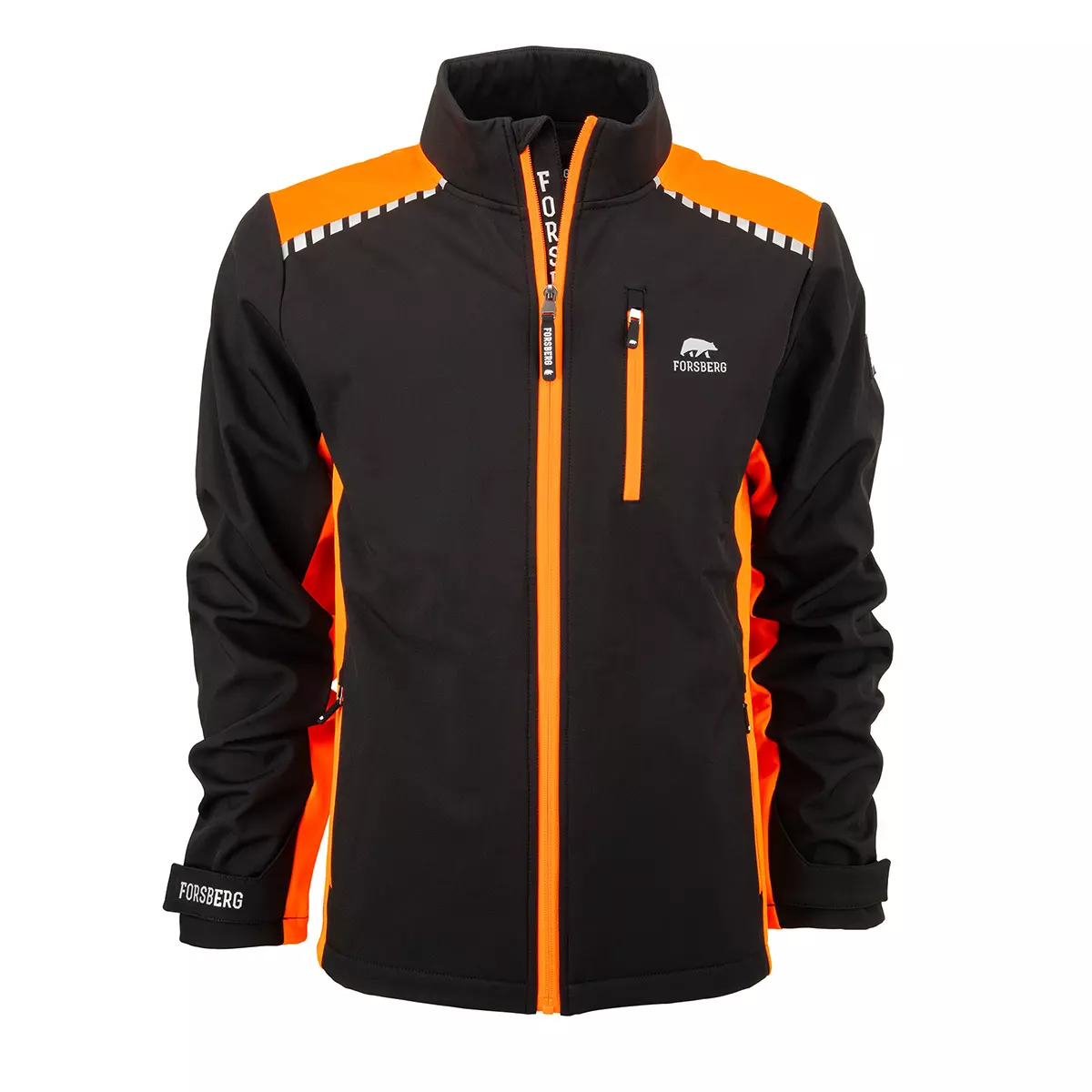
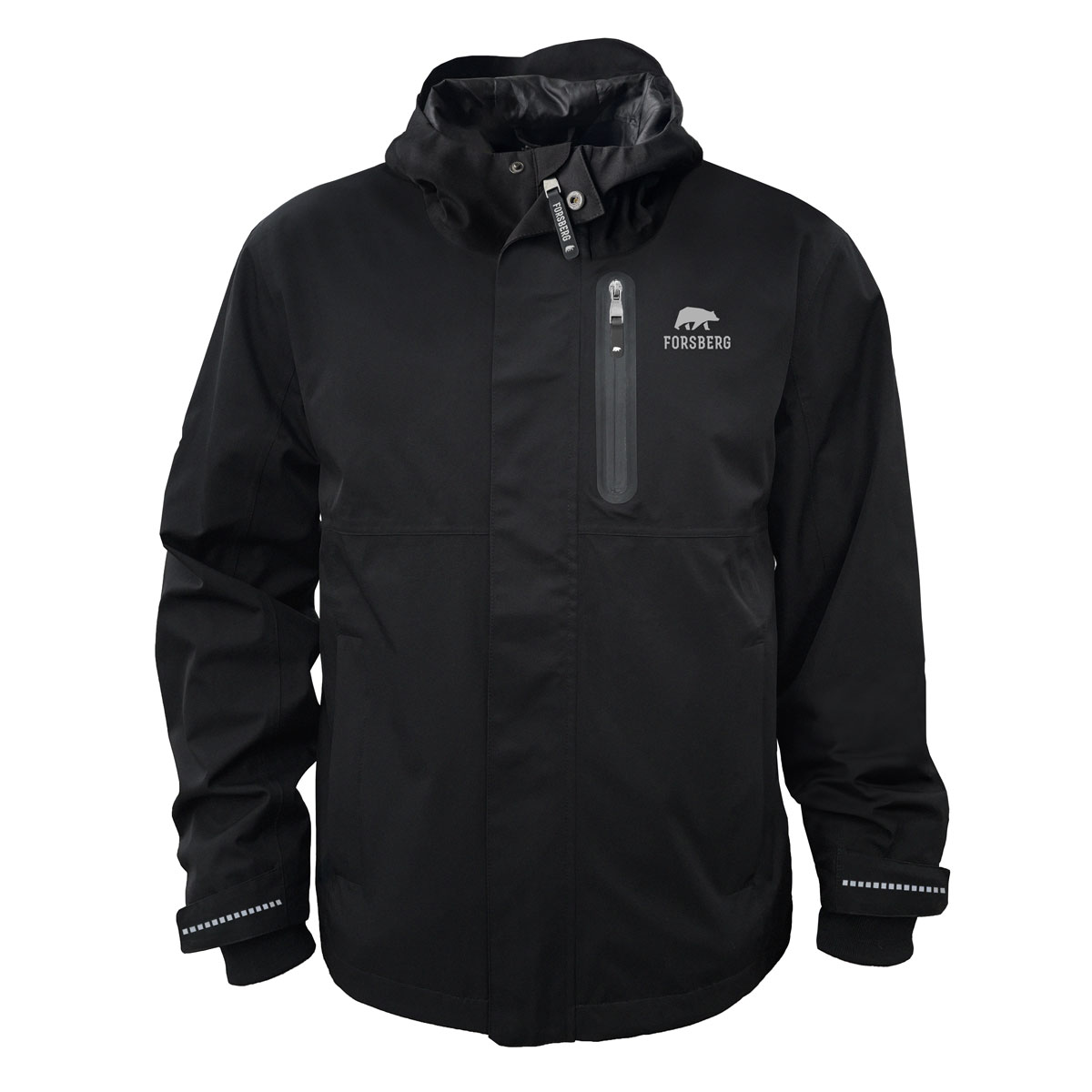
- FORSBERG® Skogar all‑weather jacket – an all‑round waterproof jacket with visible technical features and versions in hi‑vis colours for improved safety.
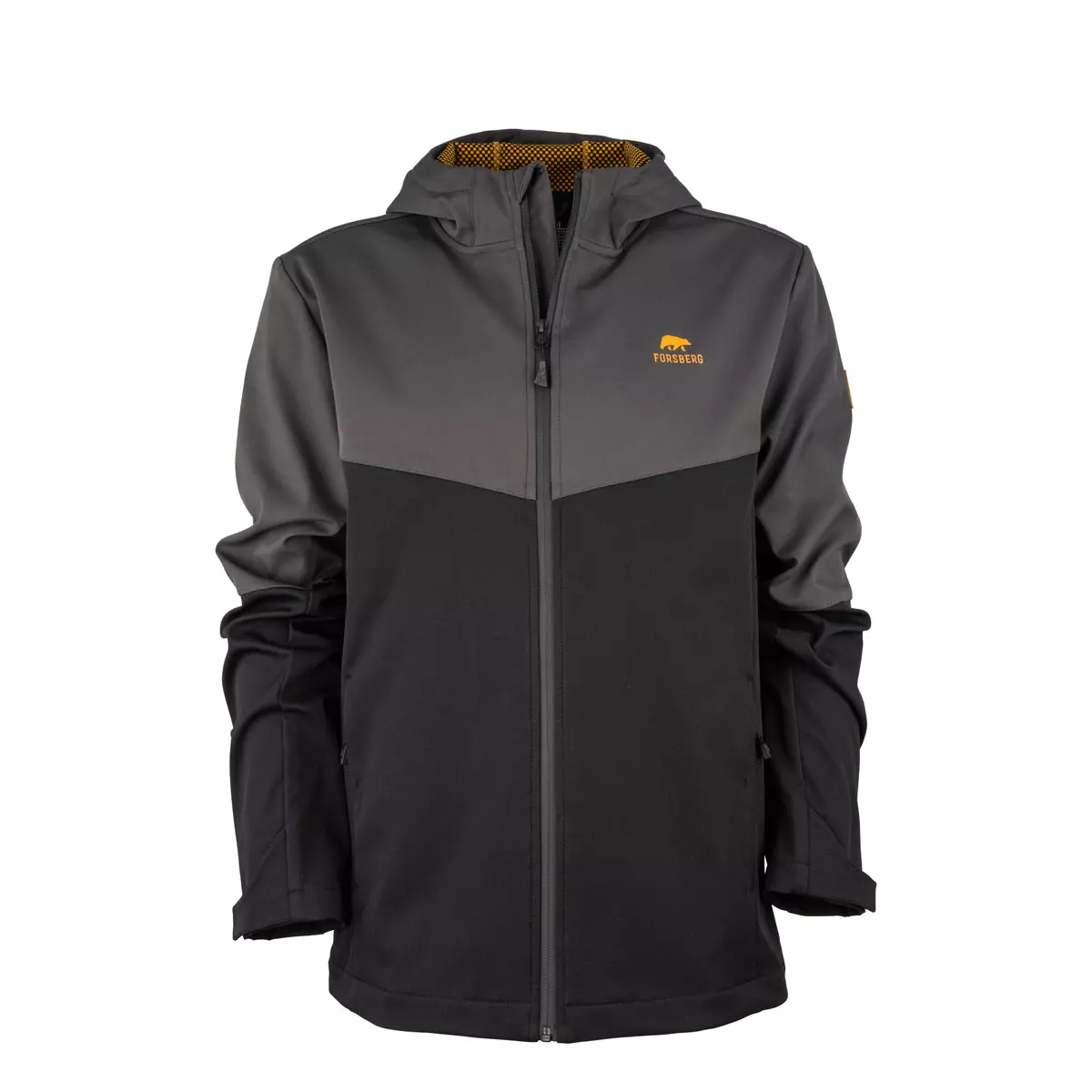
- FORSBERG® Kamrat II functional jacket – designed with a detachable hood and features like 3D‑mesh for ventilation and insulation where needed.
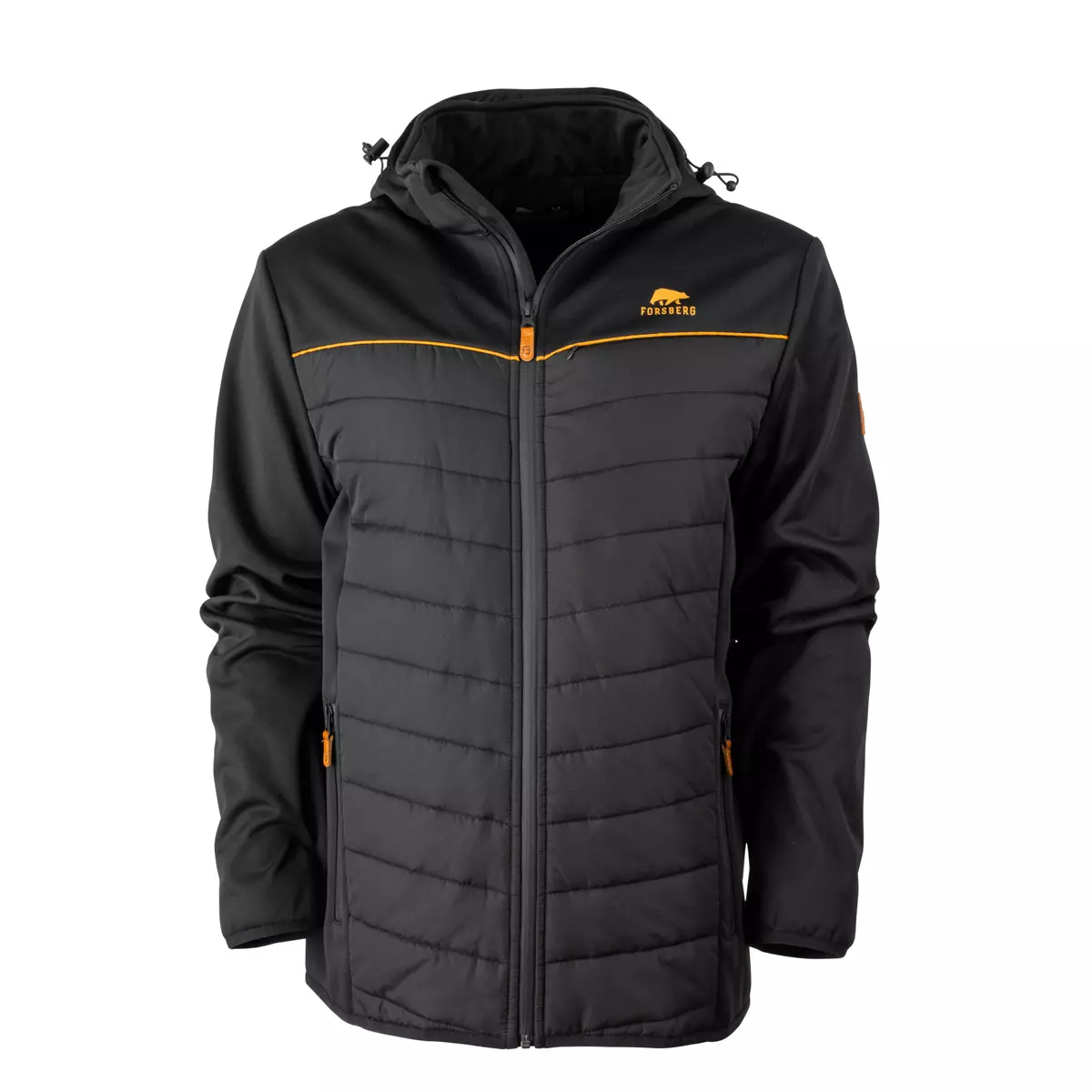
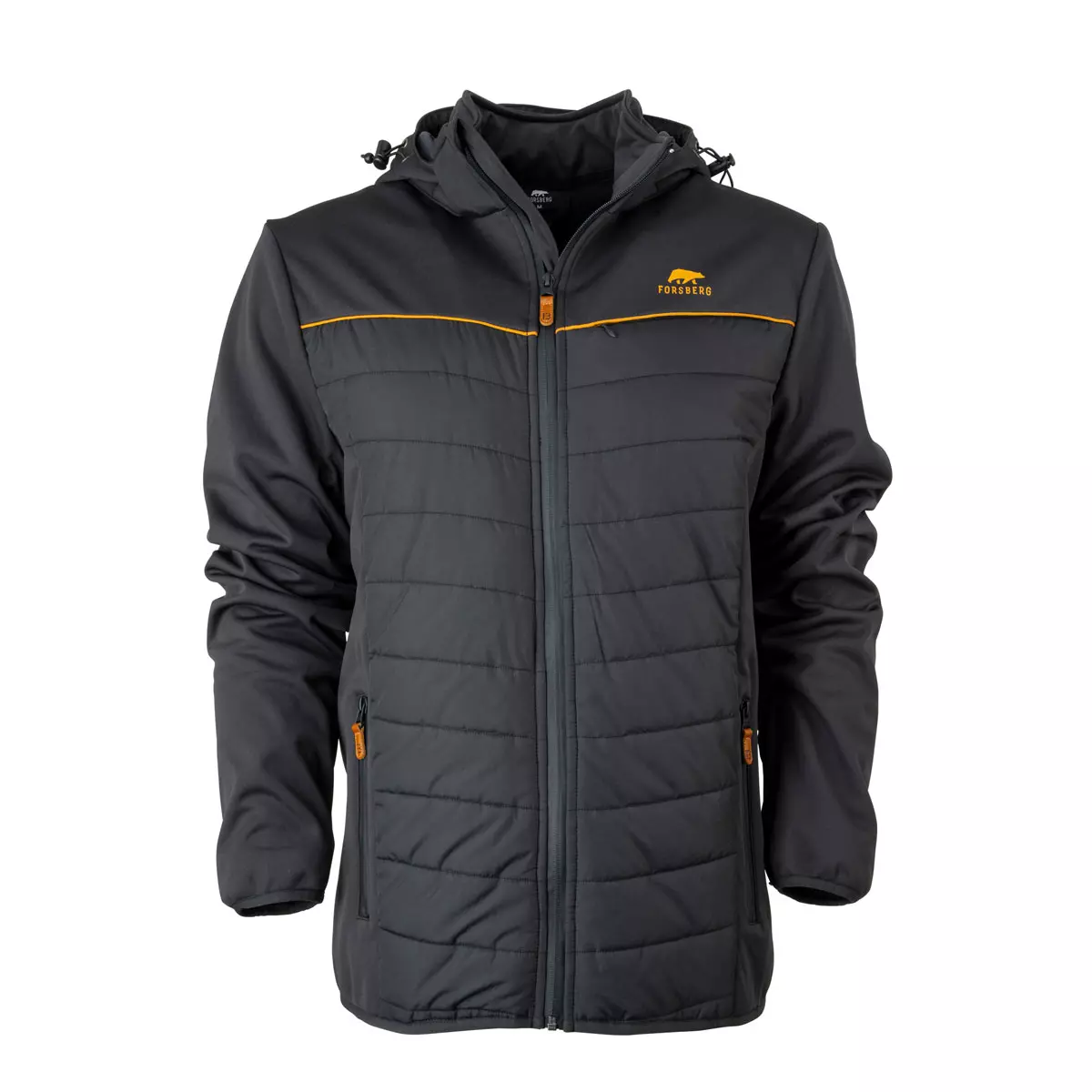
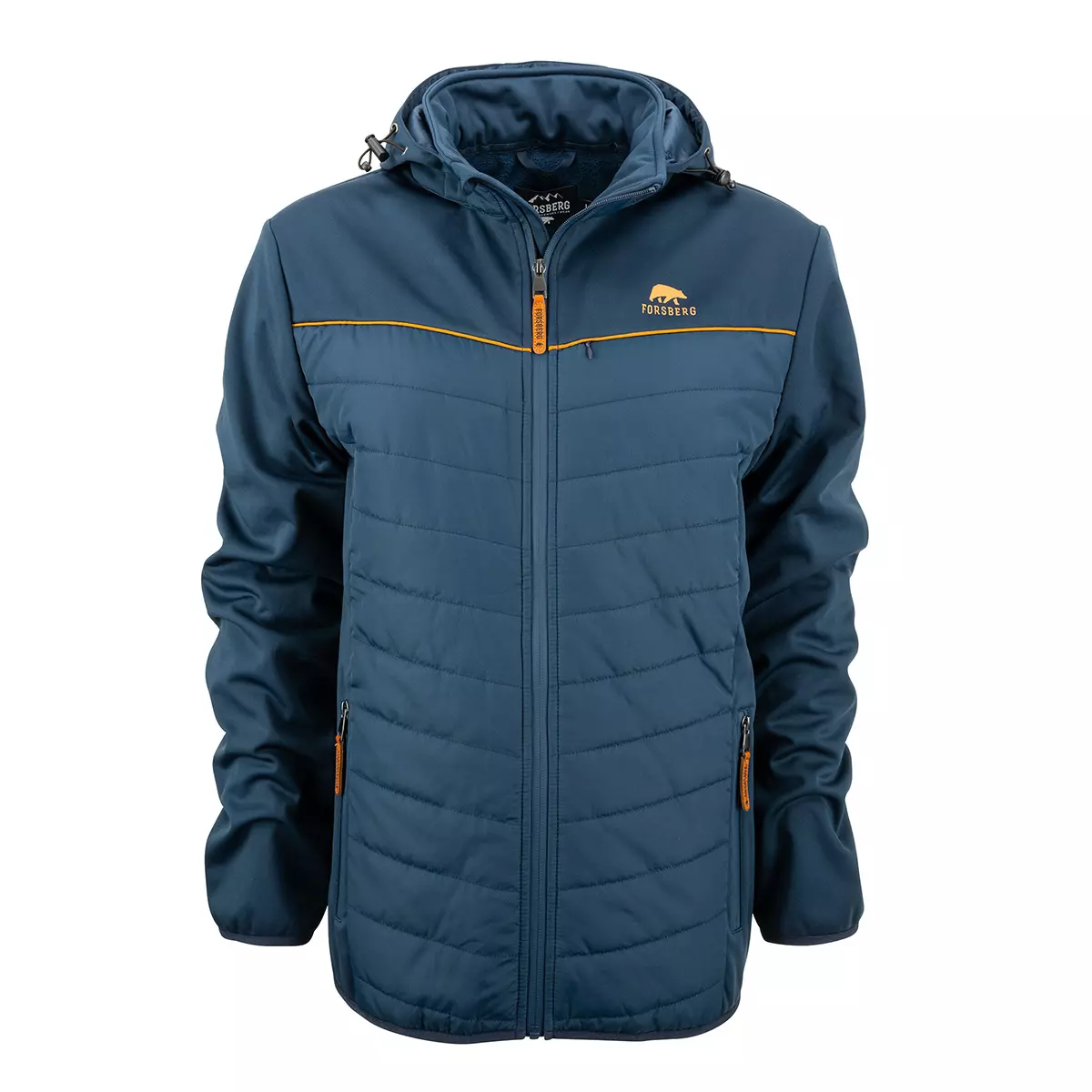
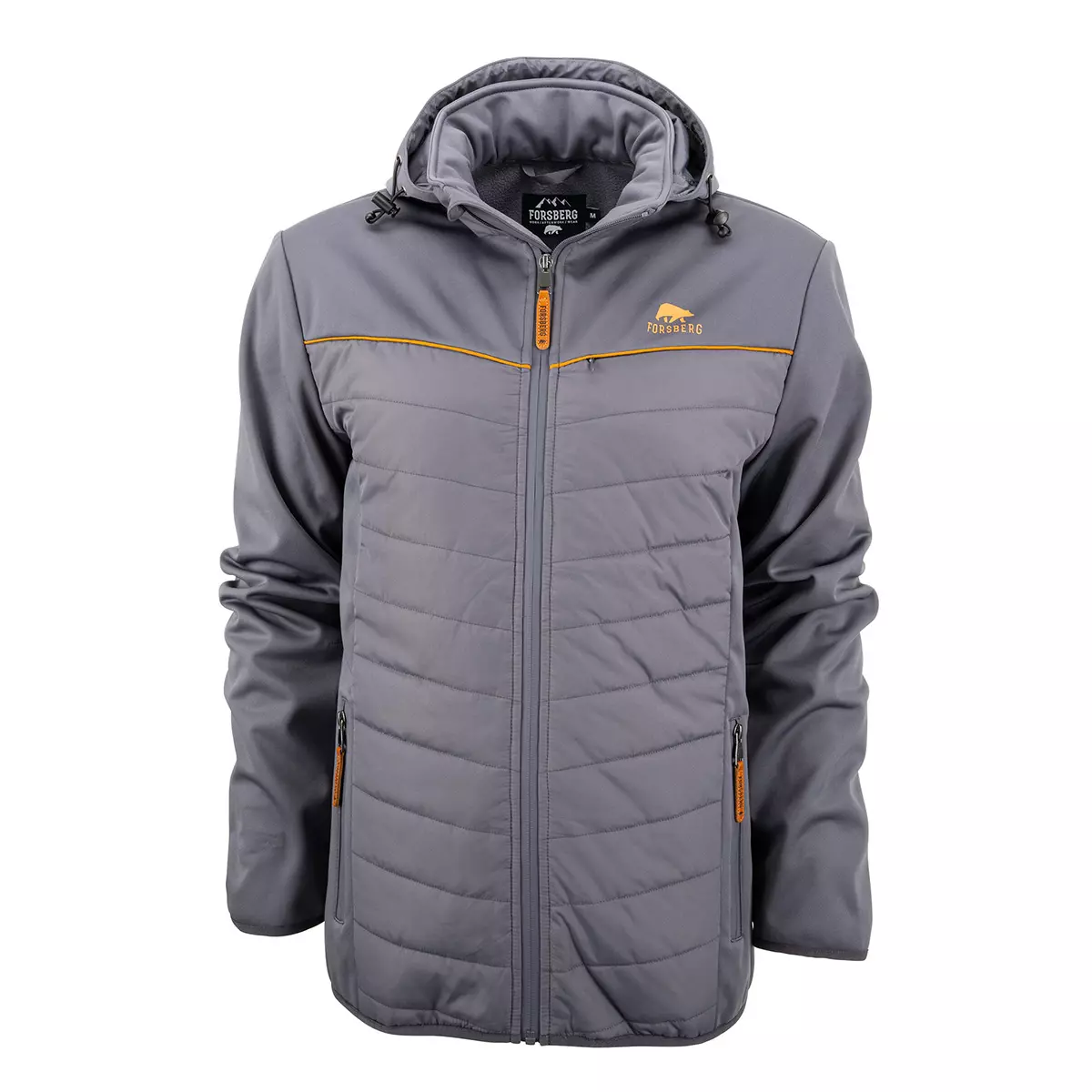
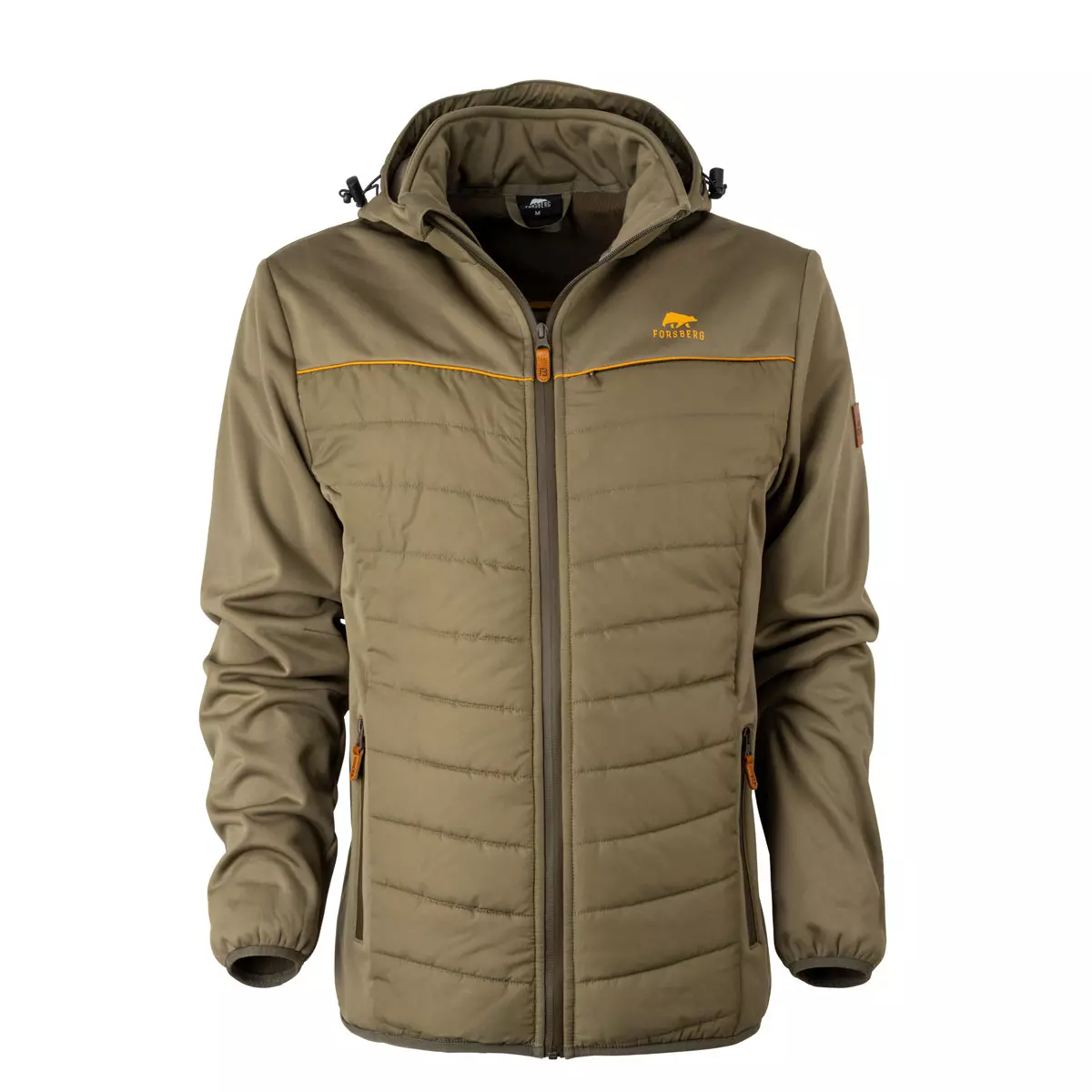
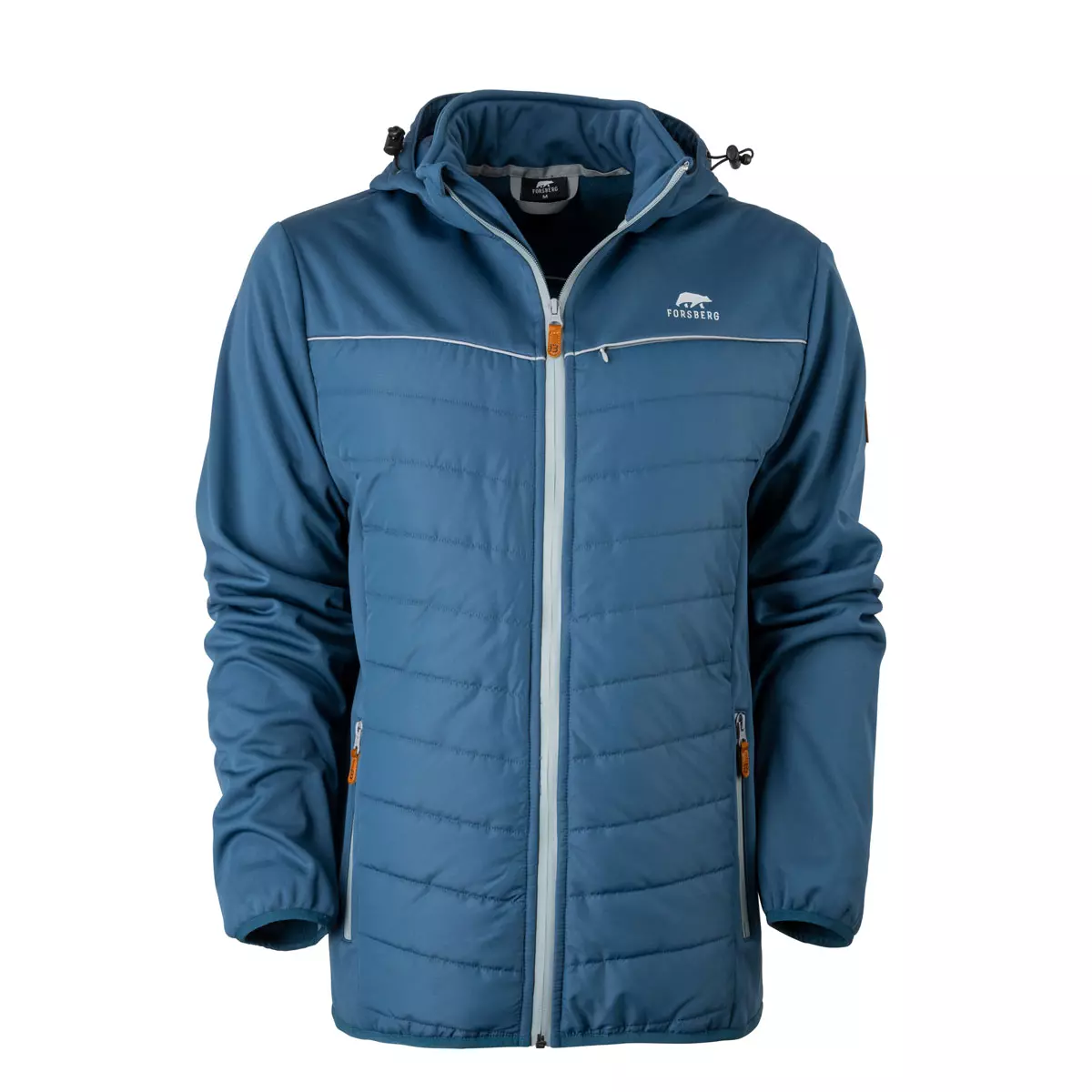
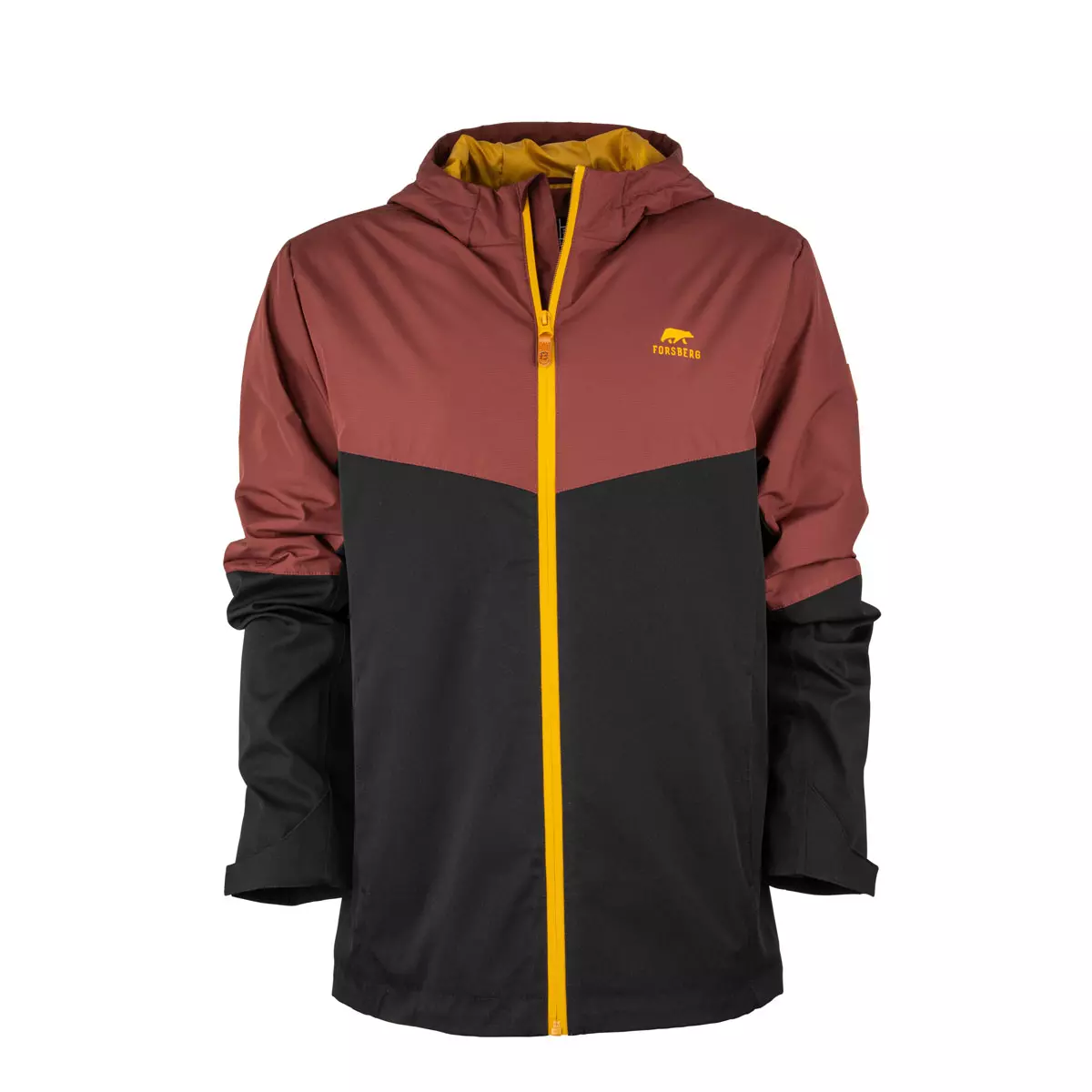
- FORSBERG® Alruut III hybrid jacket with detachable hood – a hybrid construction combining a weatherproof shell with insulated sections for colder days.
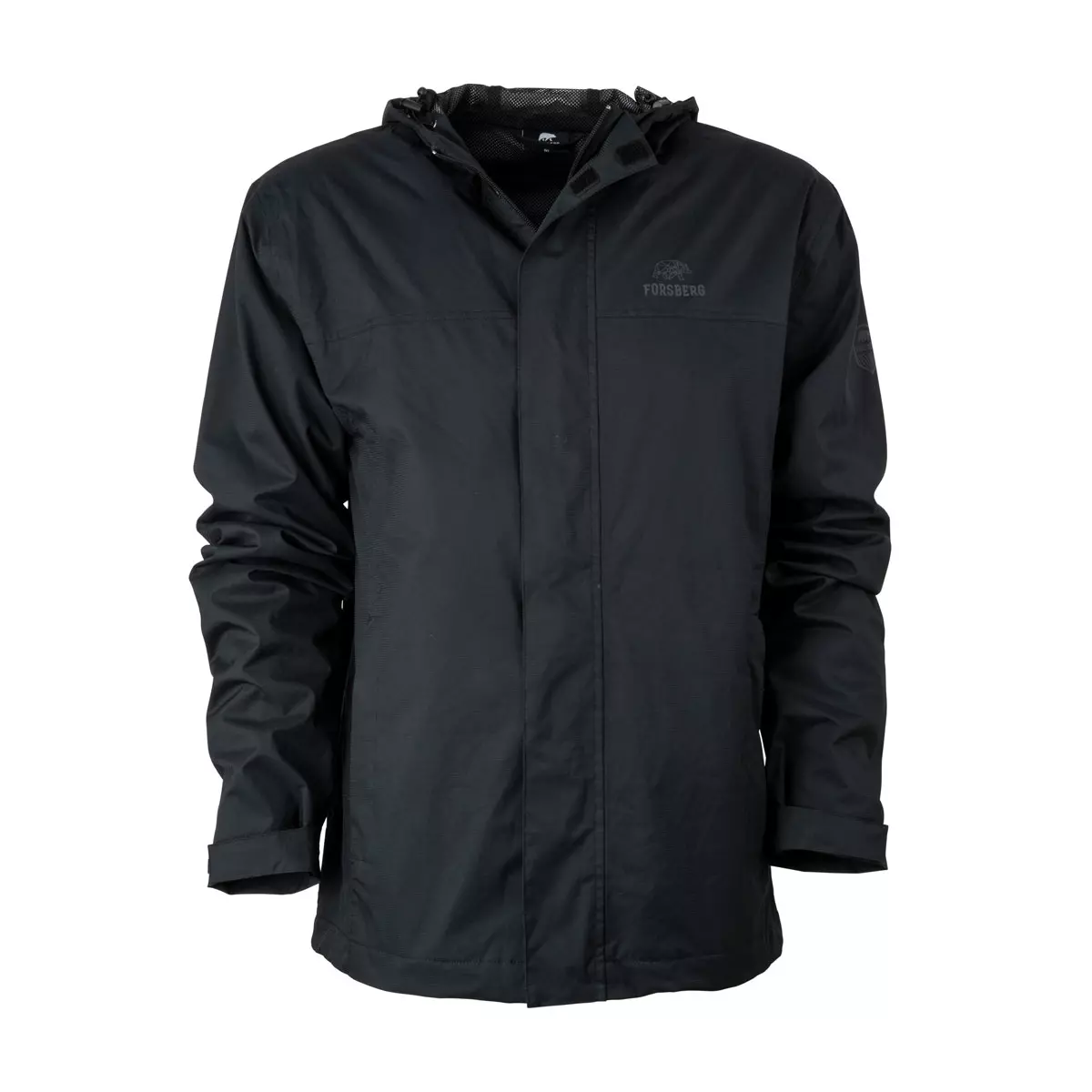
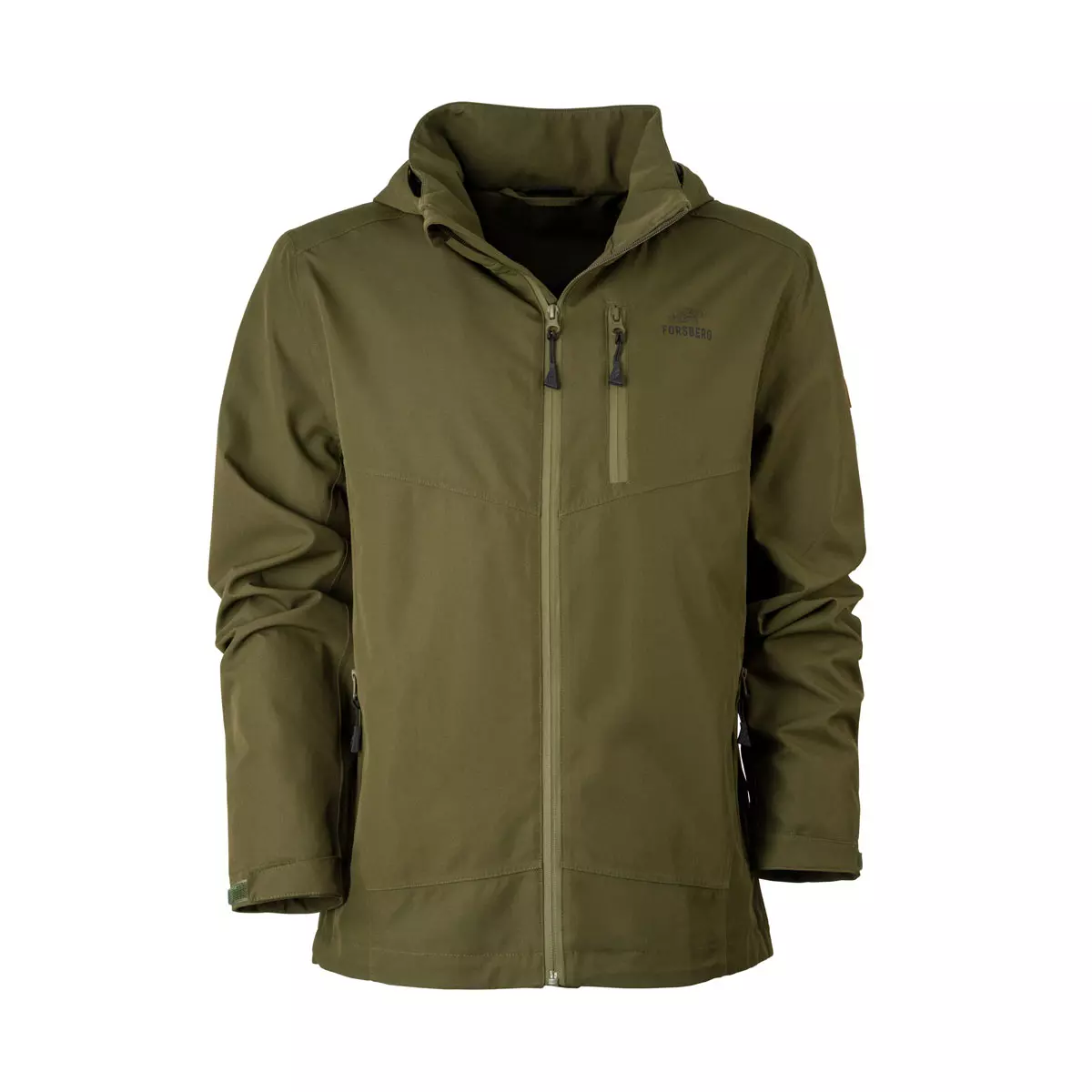
- FORSBERG® Vatten and Petrusk functional jackets – lighter all‑weather shells suitable for wet and windy conditions.
Important finish and maintenance notes: look for taped seams (for real waterproofing), YKK® zippers and sturdy hood constructions. Check the product description for explicit properties like "waterproof", "windproof" or "breathable" and for the care symbols.
How do I care for and maintain Weather protection jackets correctly?
Proper care keeps waterproofing and breathability working longer. Follow garment labels, but here is a practical step‑by‑step routine many technical advisors recommend:
- Preparation
- Empty all pockets and close zippers, flaps and Velcro.
- Brush off mud and coarse dirt; rinse heavy soiling before washing.
- Washing
- Use a technical detergent for membrane and DWR fabrics (household detergents leave residues). Brands like Nikwax Tech Wash or Grangers Performance Wash are commonly recommended, but follow the care label on your jacket.
- Wash at the temperature on the care label (typically 30–40 °C) using a gentle or technical clothing program. Do not use fabric softener.
- Re‑impregnating (DWR)
- If water no longer beads on the outer fabric, apply a spray‑on or wash‑in DWR treatment suitable for the jacket type.
- Follow product instructions: spray evenly and treat seams and high‑wear areas.
- Activation / Drying & Storage
- Some DWR treatments and technical membranes regain performance after a short, low‑heat tumble dry or gentle ironing through a cloth—only if the care label allows. Many jackets will state explicitly: "Tumble dry to reactivate DWR."
- Otherwise air‑dry in a ventilated place away from direct heat and sunlight. Store folded or hung in a dry wardrobe; avoid stuffing a damp jacket into a bag for long periods.
- Repair possibilities
- Small punctures or abrasions: specialist repair tapes and patches for outer fabrics work well.
- Worn DWR: re‑apply a DWR product rather than attempting to re‑coat the fabric.
- Seams: seam‑sealers restore waterproof seams.
- Zippers & fasteners: many jackets use YKK® zips—replacement or repair kits are widely available; a cobbler or specialist outdoor repair service can replace zips or hoods.
Practical tip: include proofing and seam sealing in your seasonal maintenance—especially after heavy use or exposure to oils and dirt, which accelerate membrane clogging.
Application examples
1) Early‑morning groundskeeper Anna begins work at dawn and moves between active tasks and waiting on ladders. She wears a lightweight FORSBERG® Vatten all‑weather jacket: the shell keeps rain out and the lining prevents chill when she stands still. Breathable fabric reduces moisture build‑up during hard work, and multiple pockets hold small hand tools.
2) Urban delivery rider Tom wears a high‑visibility Skogar all‑weather jacket with a detachable hood. The jacket’s taped seams and DWR finish keep him dry in heavy showers. Reflective details improve safety in low light, and the adjustable hem stops wind from lifting the jacket while he pedals.
These examples show how the right jacket reduces distractions, keeps the worker comfortable and helps them finish the shift in better shape.
Frequently asked questions (FAQ)
Q: What is the difference between water‑repellent and waterproof? A: Water‑repellent means a DWR finish that sheds light rain; waterproof means the fabric + membrane + taped seams prevent water penetration even in heavy rain. Check the product properties for "waterproof" and seam sealing.
Q: Can I tumble‑dry to restore DWR? A: Some jackets allow a short, low‑heat tumble to reactivate DWR. Always check the care label first; if in doubt, use a warm iron through a cloth or a dedicated re‑proofing product.
Q: How often should I wash and re‑impregnate a work jacket? A: Wash when visibly soiled or when breathability drops. Re‑impregnate when water stops beading—usually after several washes or heavy use. Seasonal checks are a good rule of thumb.
Q: Do thicker jackets keep you warmer than layering? A: Padded jackets provide immediate insulation for cold, low‑activity work. Layering (base‑layer + mid‑layer + shell) offers more flexibility for changing activity levels and is often preferred by professionals.
Q: Which jacket features matter for tradespeople? A: Durability (reinforced elbows), number and placement of pockets, detachable hood, adjustable cuffs and hem, and visible reflective elements for low‑light safety are key features.
Q: Is a membrane necessary for short showers? A: For short, light showers a well‑proofed shell with DWR can suffice. For long exposure or heavy rain, a membrane and taped seams are recommended.
Final note & internal links
If you want practical tips and product stories, read our Blog for real‑life tests and user experiences. For detailed buying and shipping terms, visit our FAQ page.
Browse our selection of weather protection jackets and find the right product for your needs.