













Work Pants – Overview & Buying Guide
Why Work Pants?
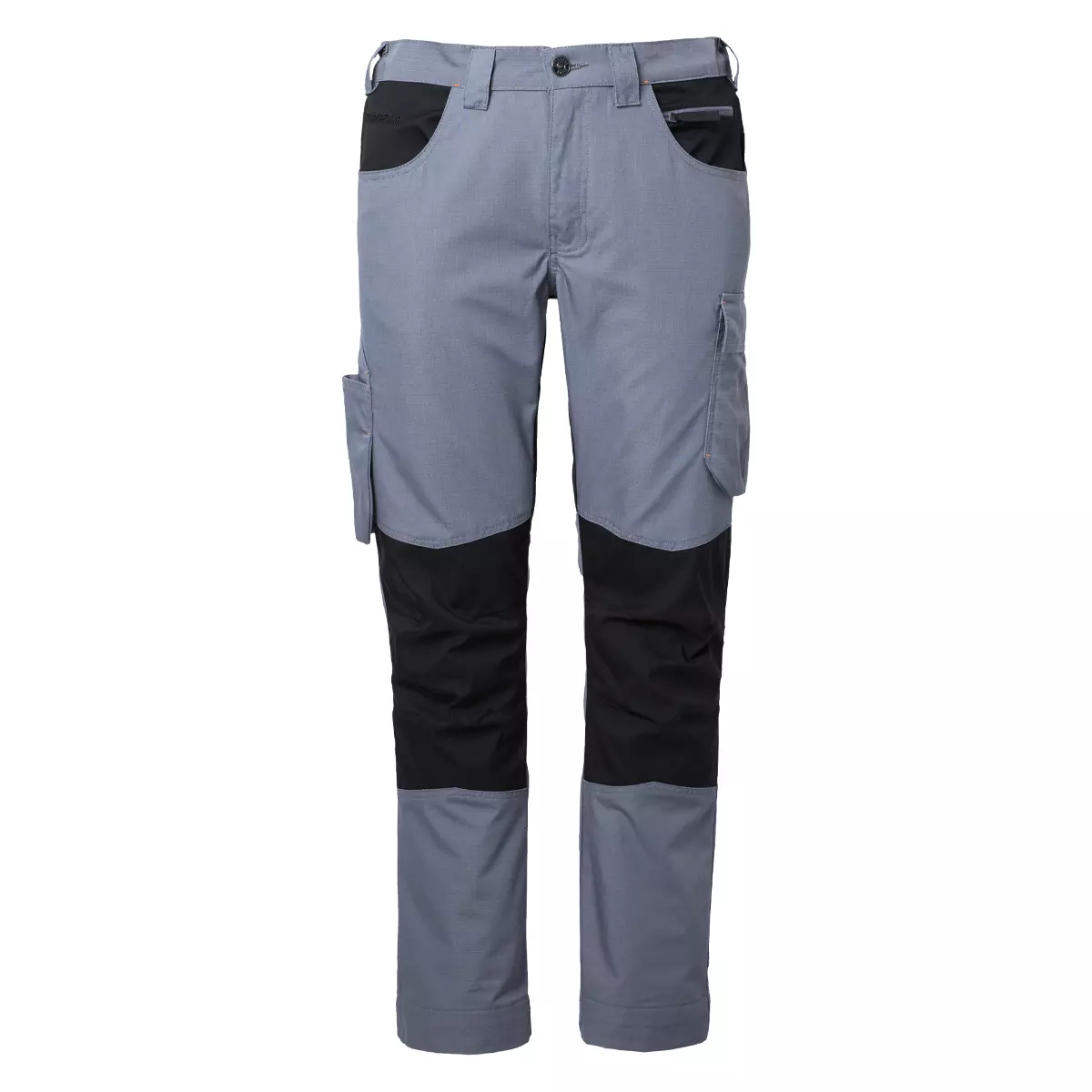
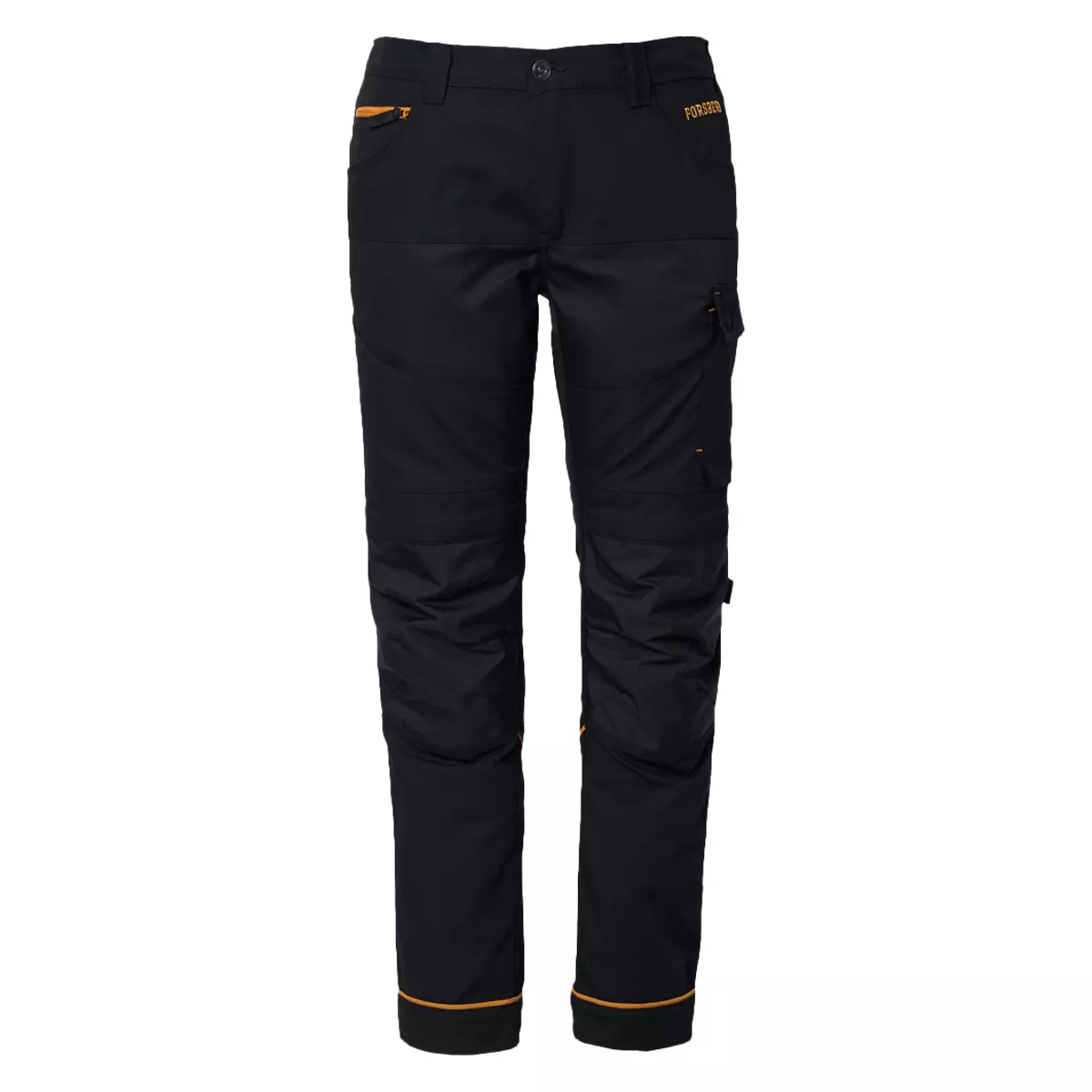
Work pants are purpose‑built trousers for people who need durable, functional clothing during tough tasks. They combine hard‑wearing fabrics, reinforced zones and practical details to resist abrasion, dirt and daily use — while keeping you comfortable.
Typical use cases
- Construction sites and trades (carpentry, plumbing, electrical)
- Workshop and assembly work
- Gardening, landscaping and outdoor maintenance
- Outdoor professionals who need freedom of movement and hard‑wearing materials
Who benefits most
- Craftspeople and site workers who need protection and pockets for tools
- Technicians and service staff requiring ergonomic movement and fit
- Hobbyists and outdoor users looking for a durable, everyday work garment
Core advantages
- Protection: reinforced knees and robust fabrics reduce wear and the risk of damage
- Comfort: stretch panels, ergonomic cuts and breathable blends for long shifts
- Longevity: Cordura® or reinforced overlays extend the life of high‑stress areas
- Functionality: tool pockets, hammer loops and knee pad compartments for real‑world use
The FORSBERG range offers models that balance Scandinavian simplicity with clear function — from budget‑friendly basics to stretch designs with targeted reinforcements.
Which materials/technologies are relevant for Work Pants?
Work trousers use a mix of classic and technical textiles depending on the model and purpose.
Common materials and constructions
- Cotton–polyester blends: durable, breathable and economical. Many basic work pants rely on these blends for comfort and abrasion resistance.
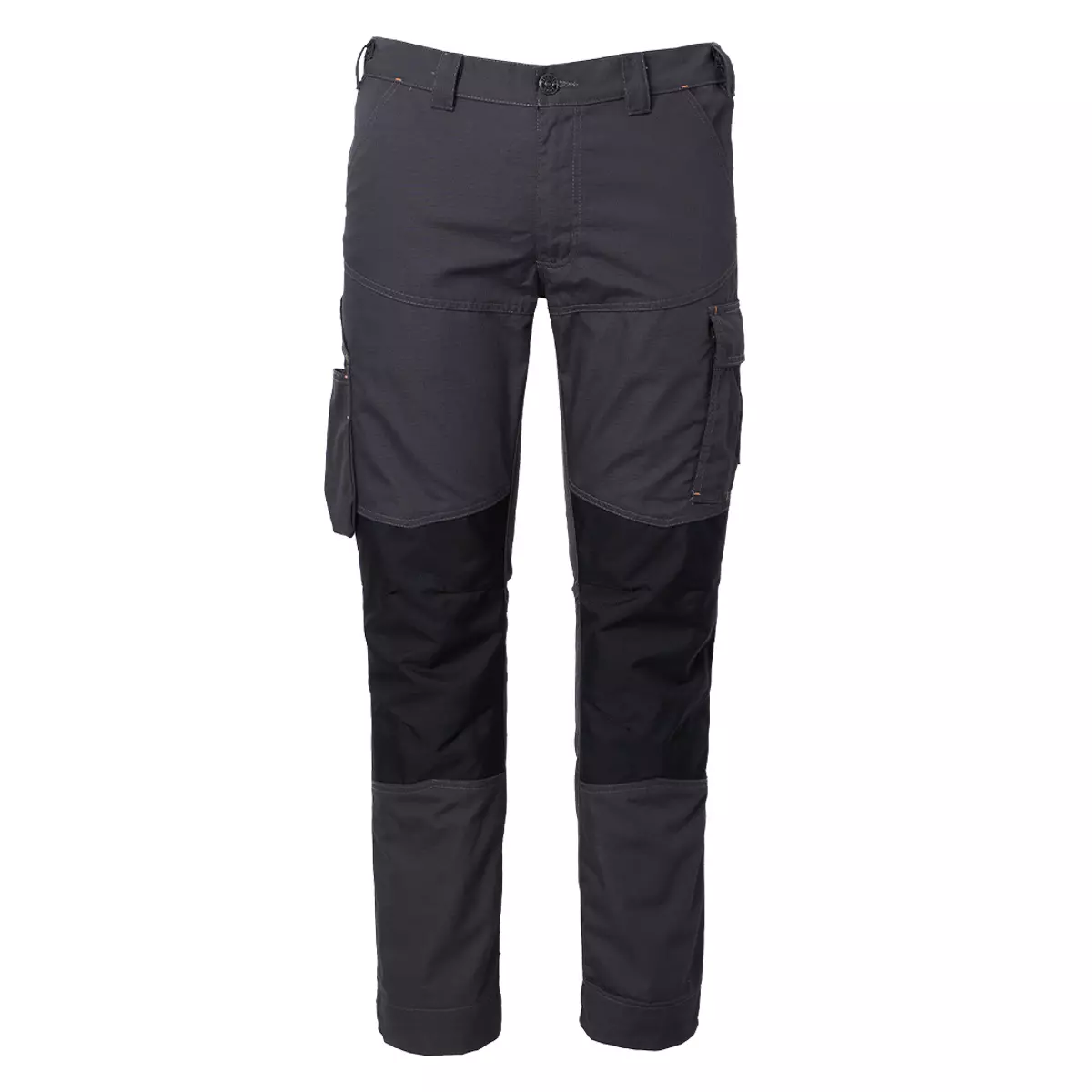
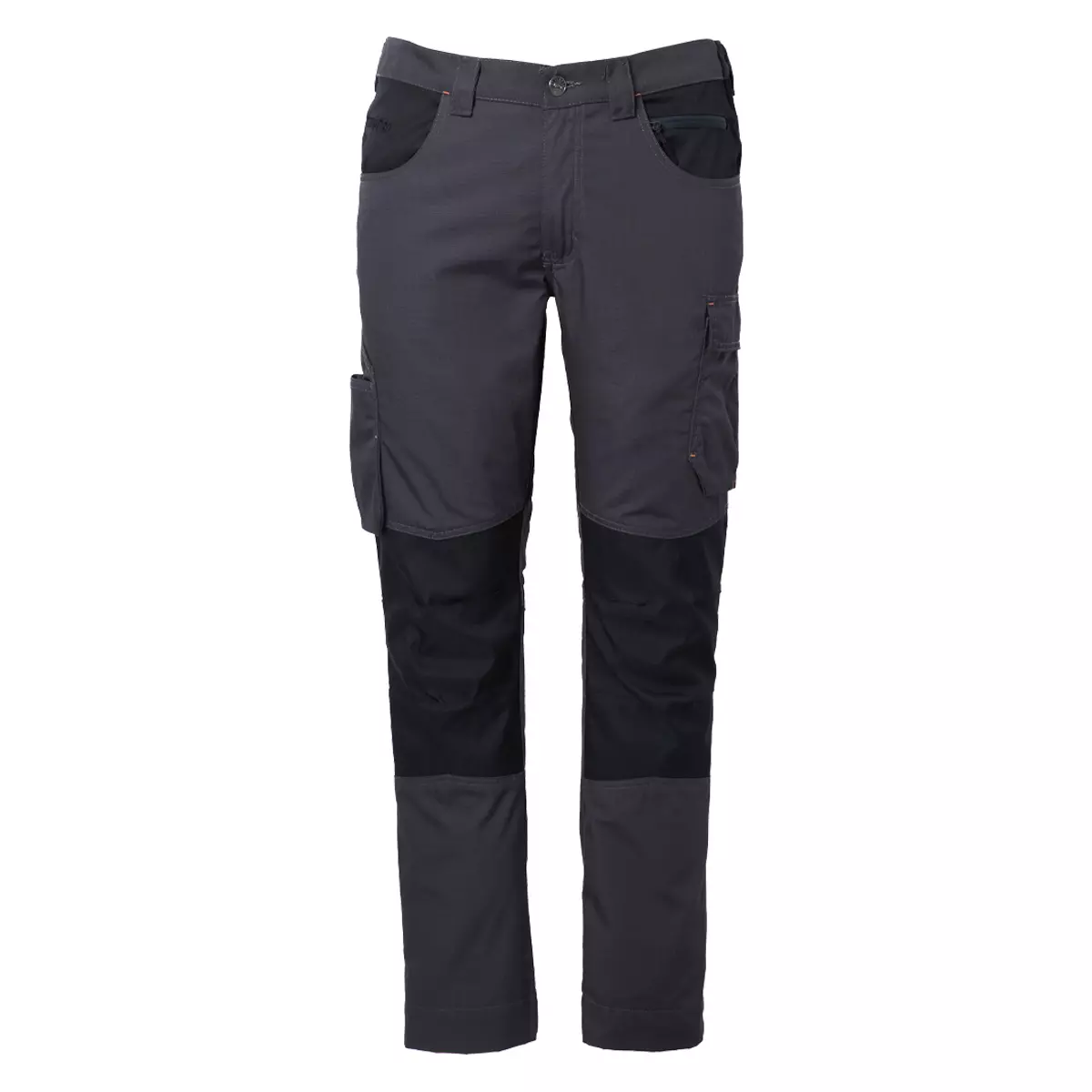
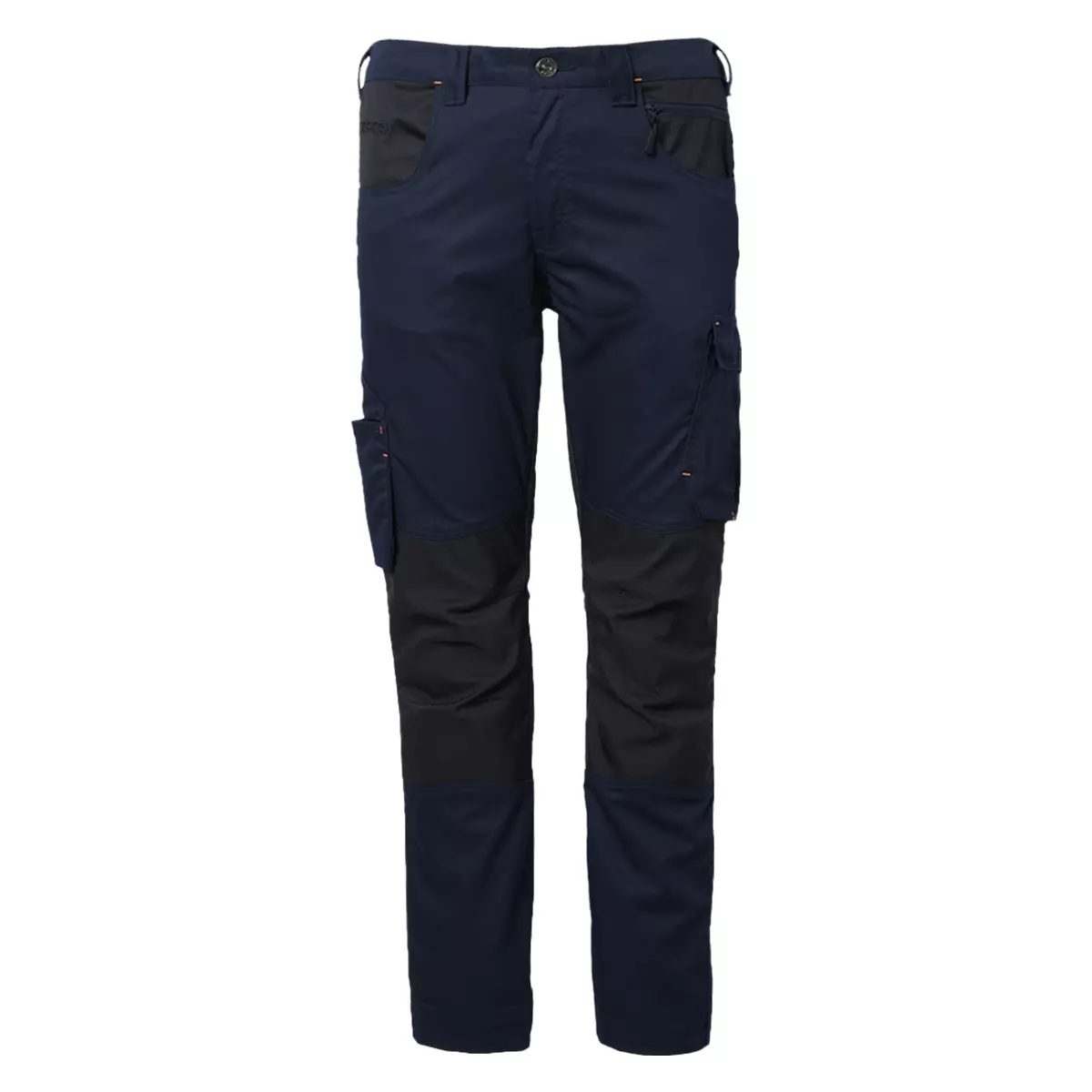
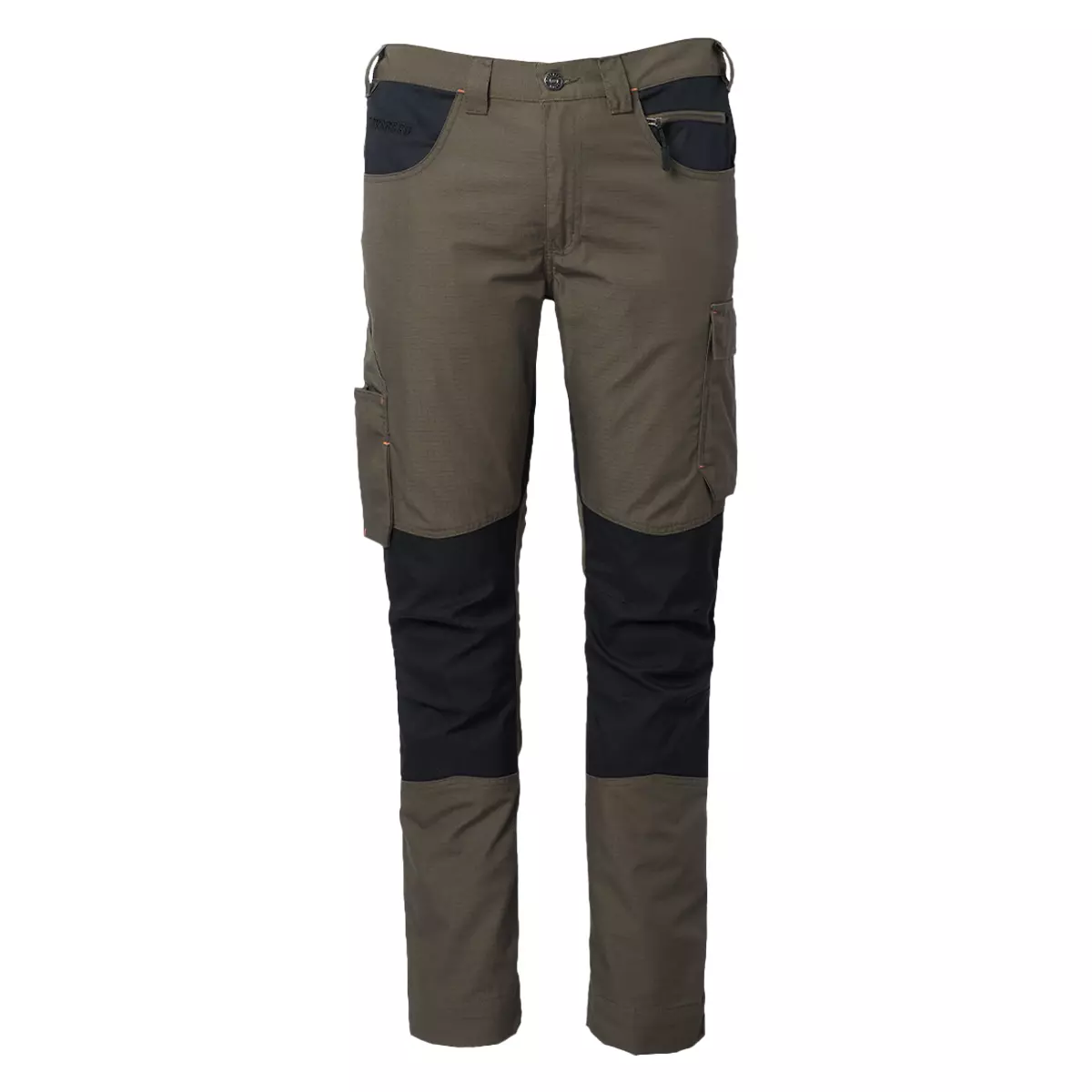
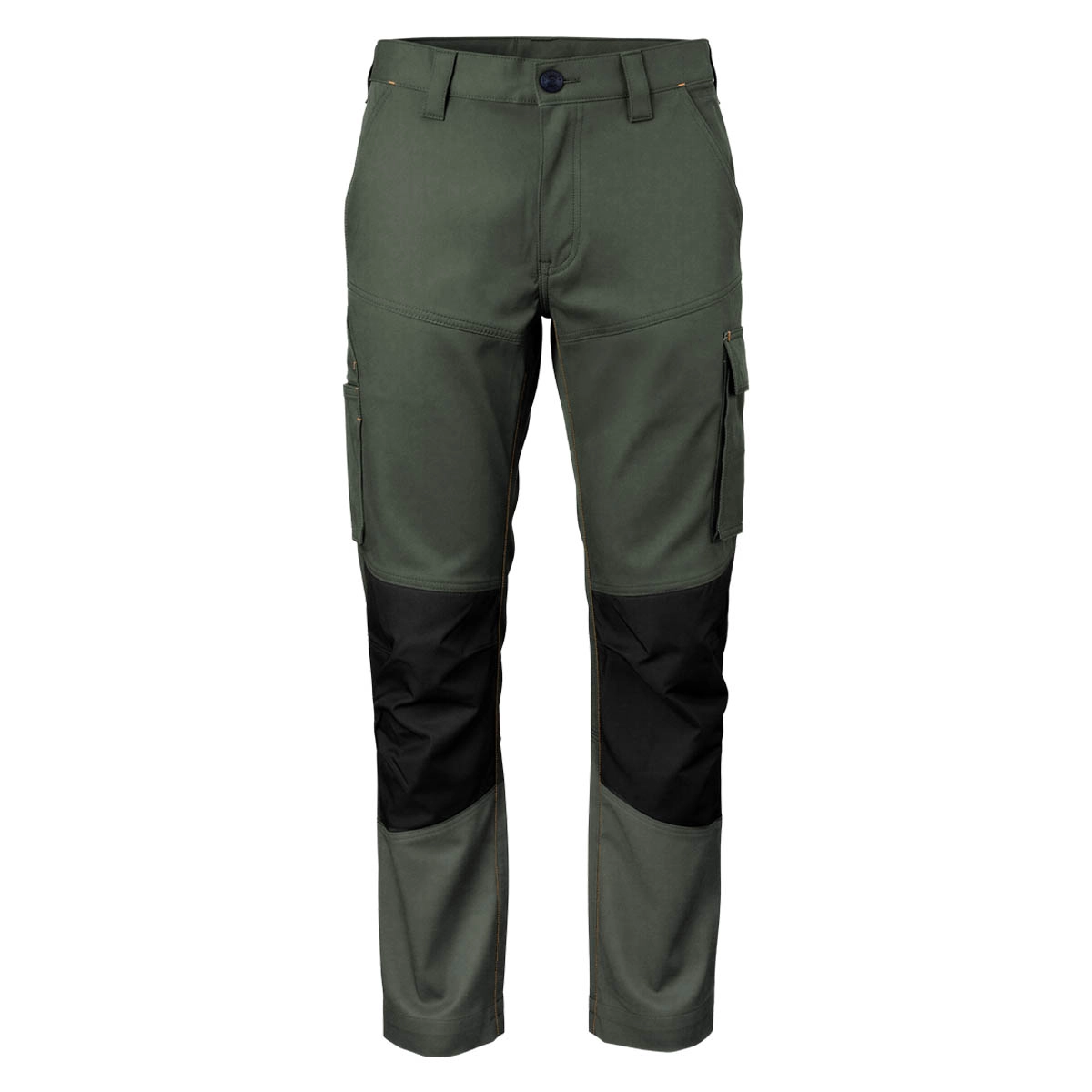
- Cordura® – a registered textile brand known for very high abrasion resistance; often used as reinforcement on knees, pockets and seat. (e.g. FORSBERG Buxa work trousers with Cordura®)
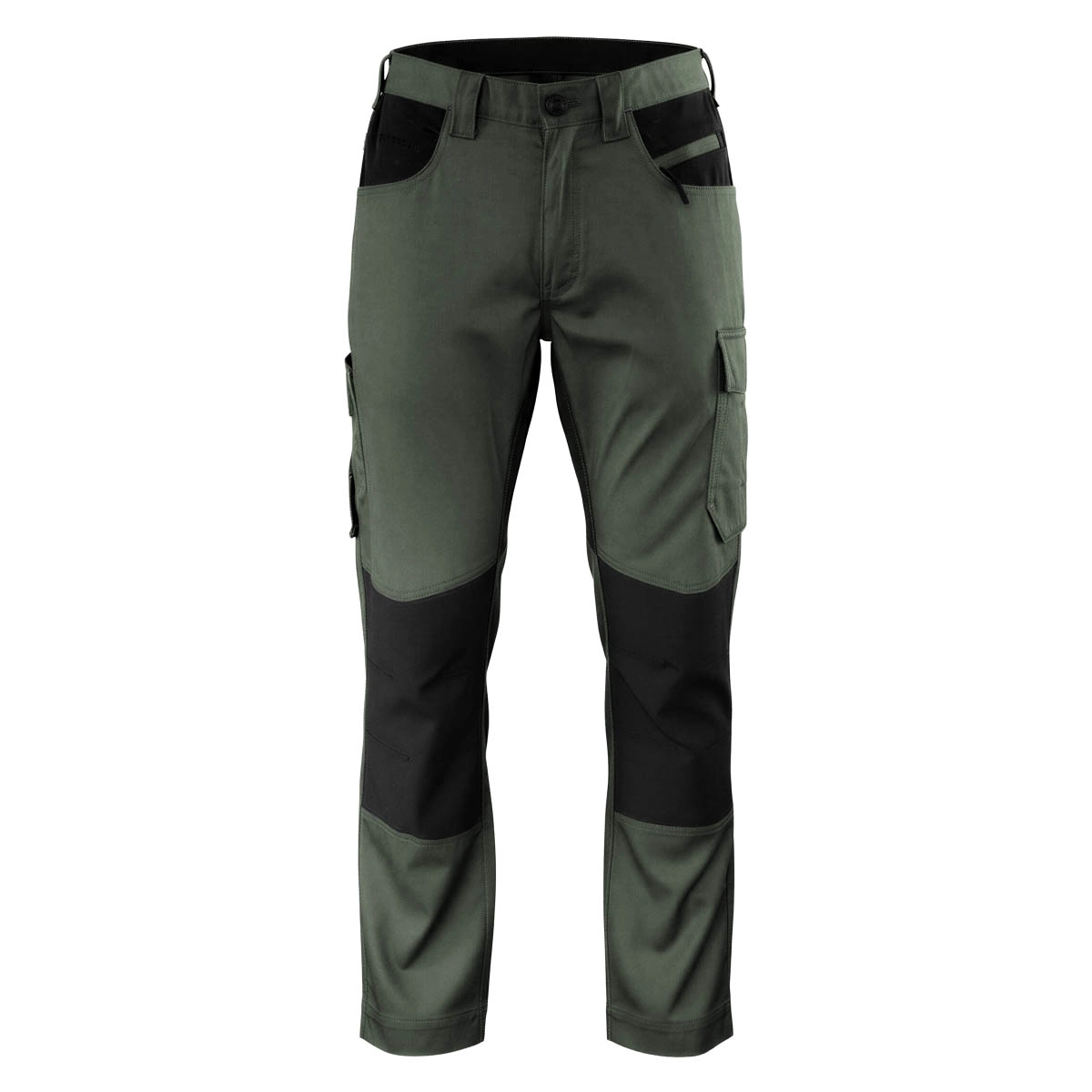
- DuraMotion® – FORSBERG’s stretch technology (also shown as DuraMotion® on product pages) that adds flexible movement zones while keeping wear resistance (e.g. Braxa and Ativa models).
- Nylon stretch / elastane zones: placed in the crotch, back yoke or behind the knees to improve mobility (seen in Lutsman and Braxa designs).
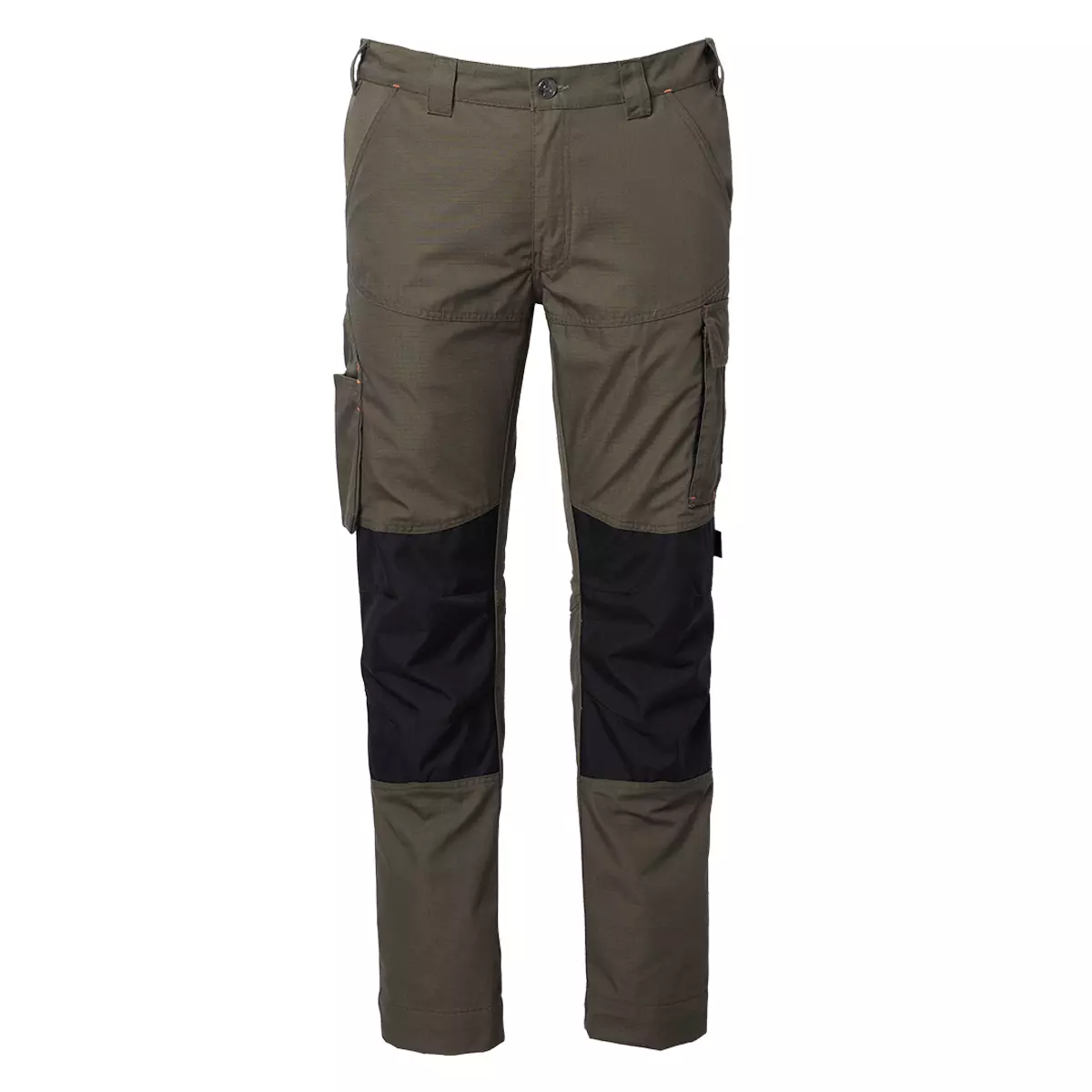
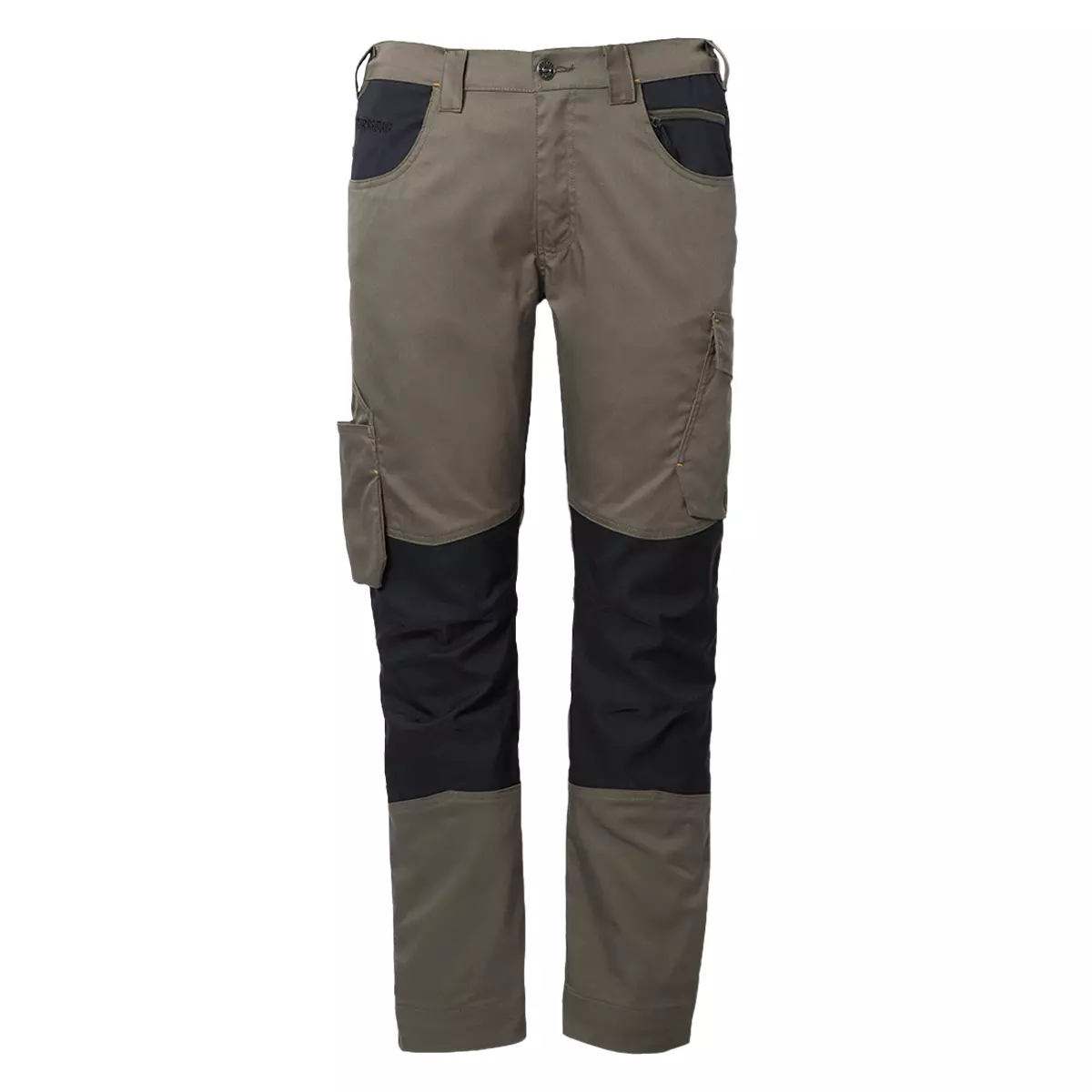
- Reinforced knee areas with pockets for replaceable knee pads: essential for trades that spend time on their knees.
Relevant concepts
- 2‑layer vs. 3‑layer: these constructions apply mainly to waterproof outerwear. Standard work pants rarely use 2‑ or 3‑layer membranes unless they are specifically waterproof overtrousers.
- Coatings and treatments: some workwear may use PU coatings or a DWR (durable water repellent) finish for light water resistance; not all work pants are waterproof.
Examples from the FORSBERG assortment
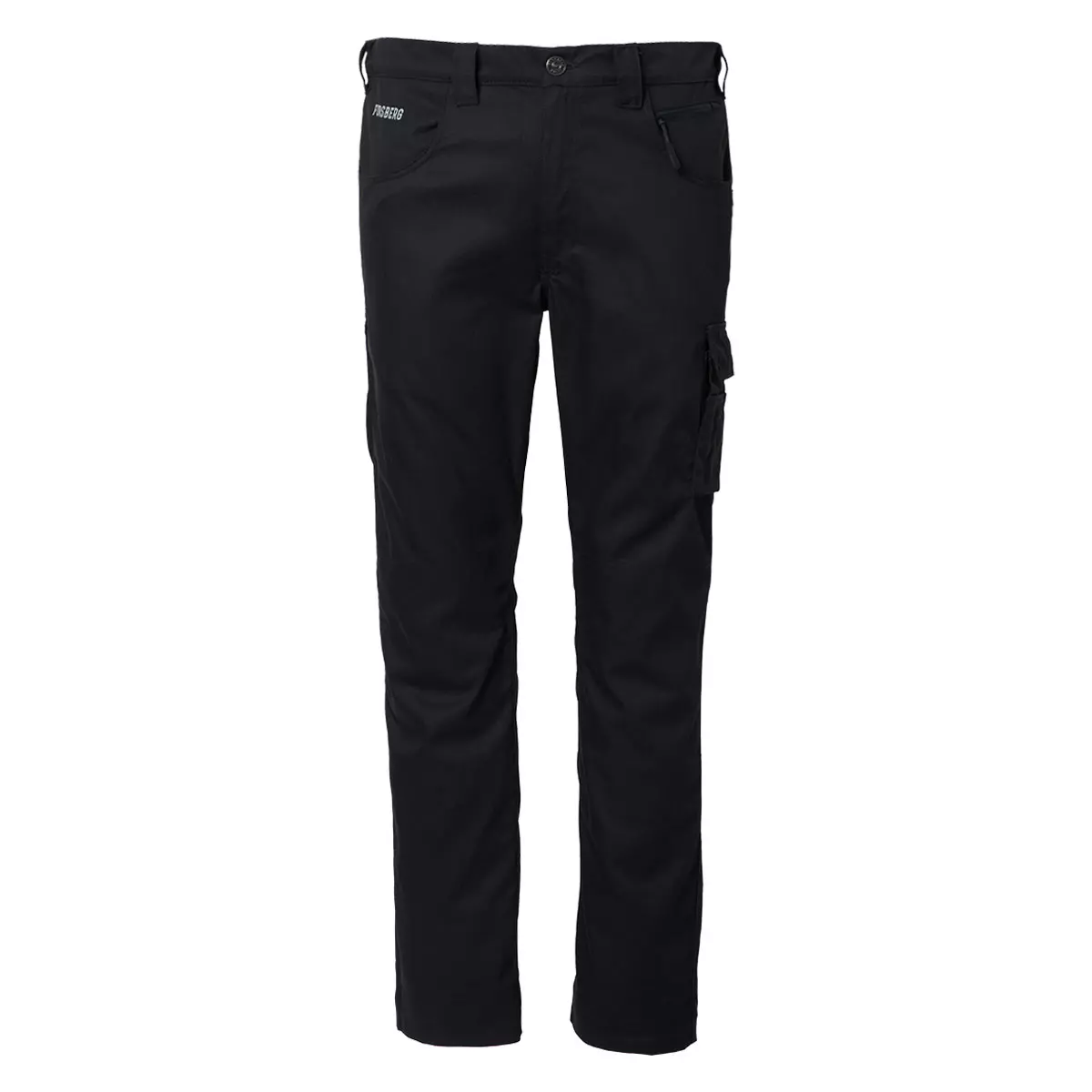
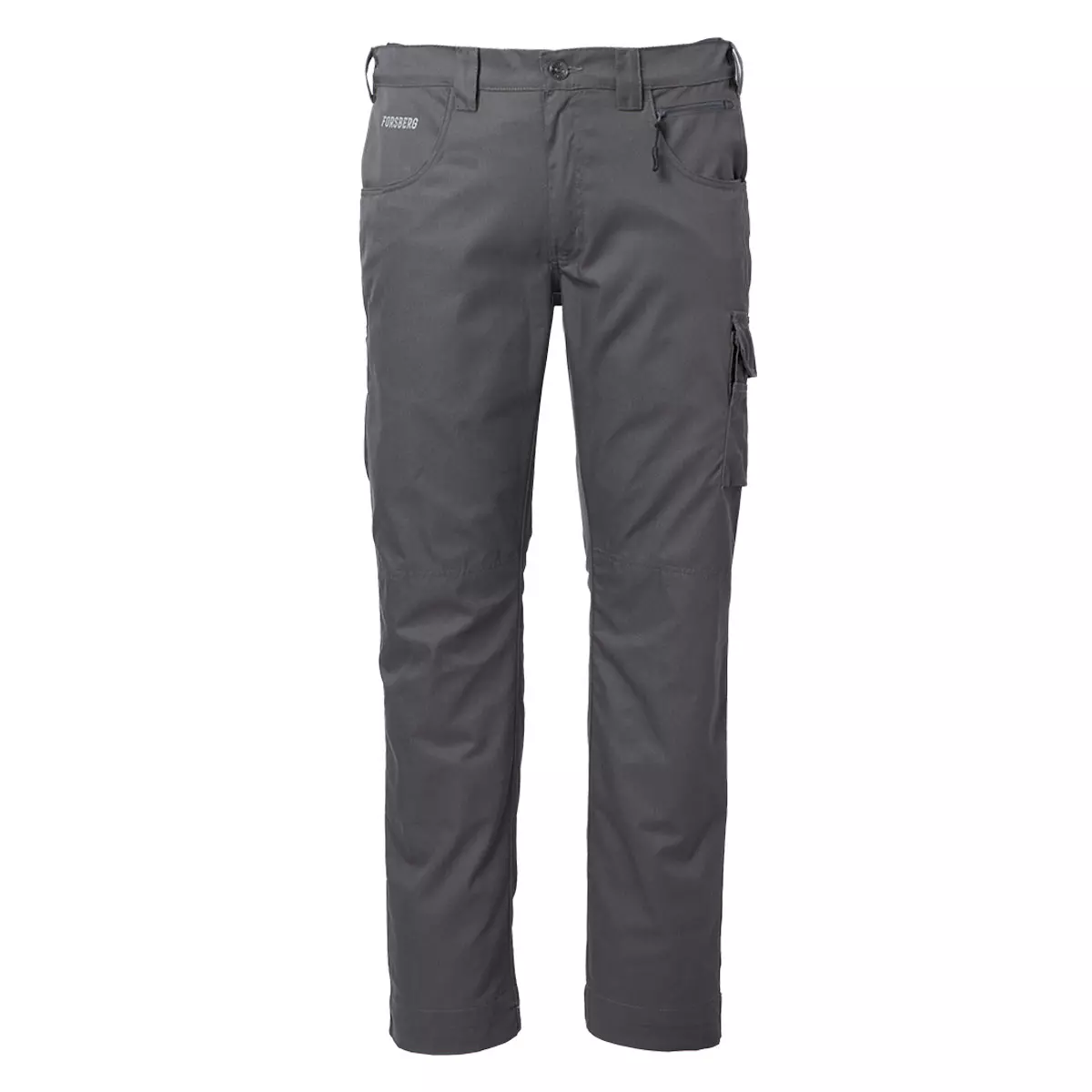
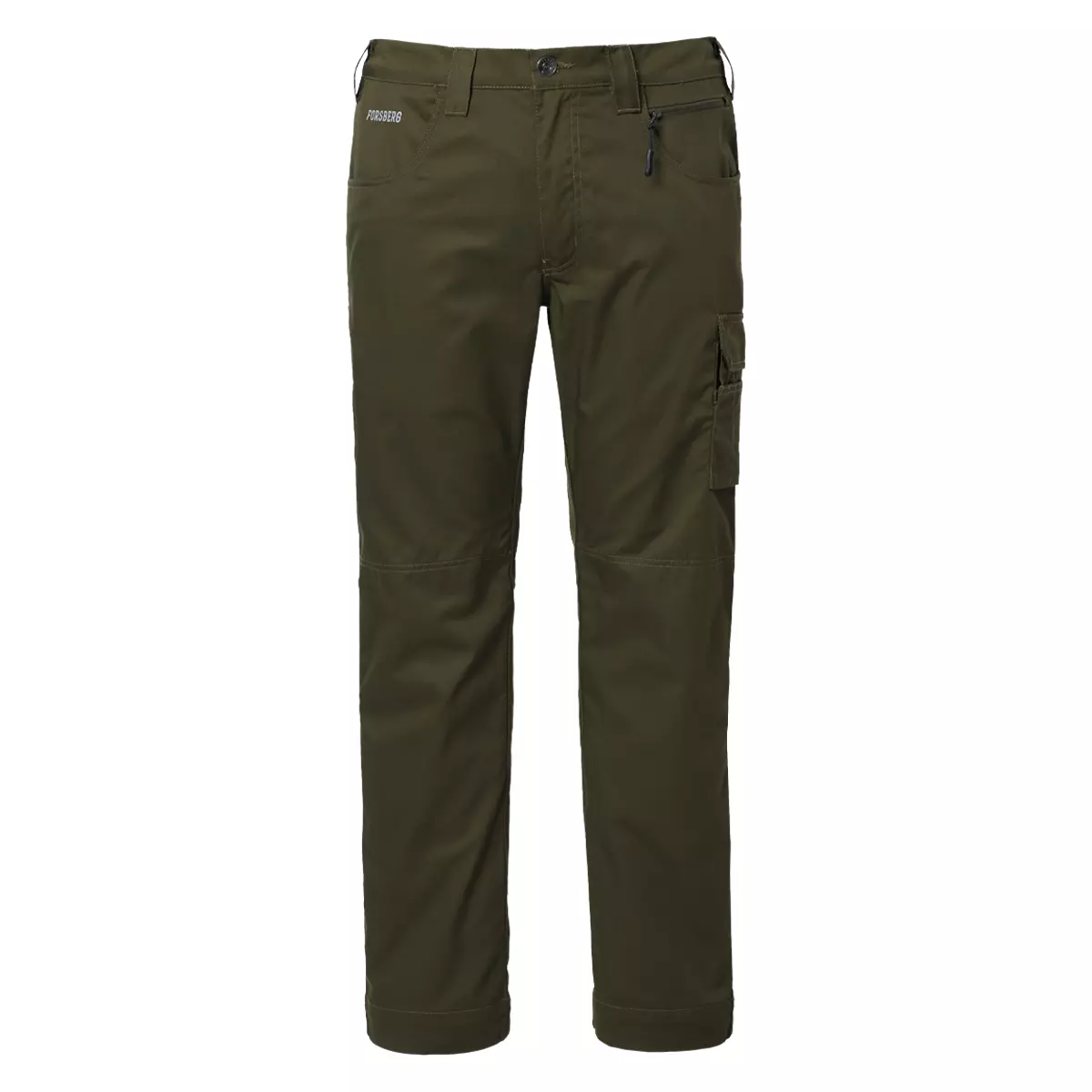
- FORSBERG Buxa work trousers with Cordura® – heavy reinforcement at stress points for extended service life.
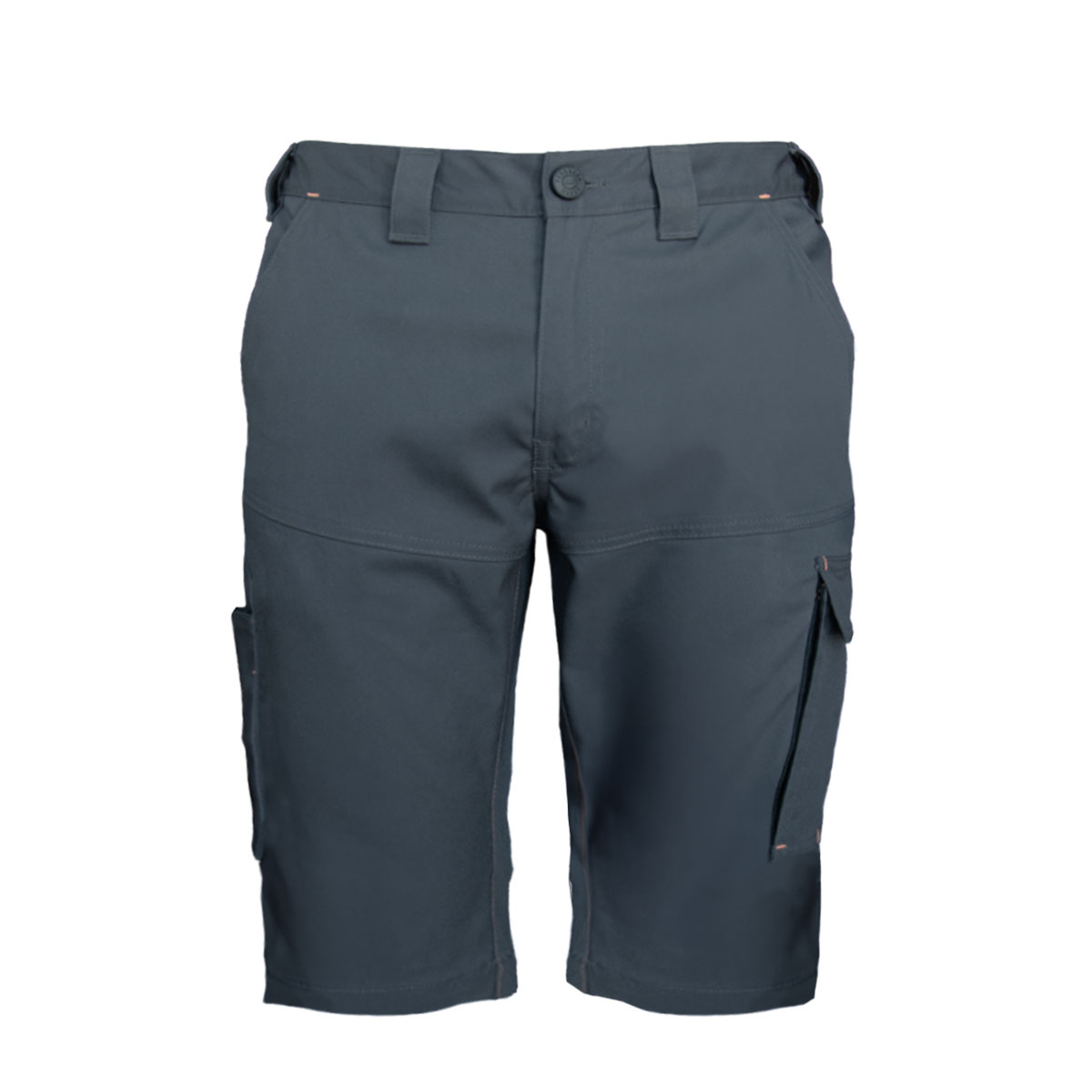
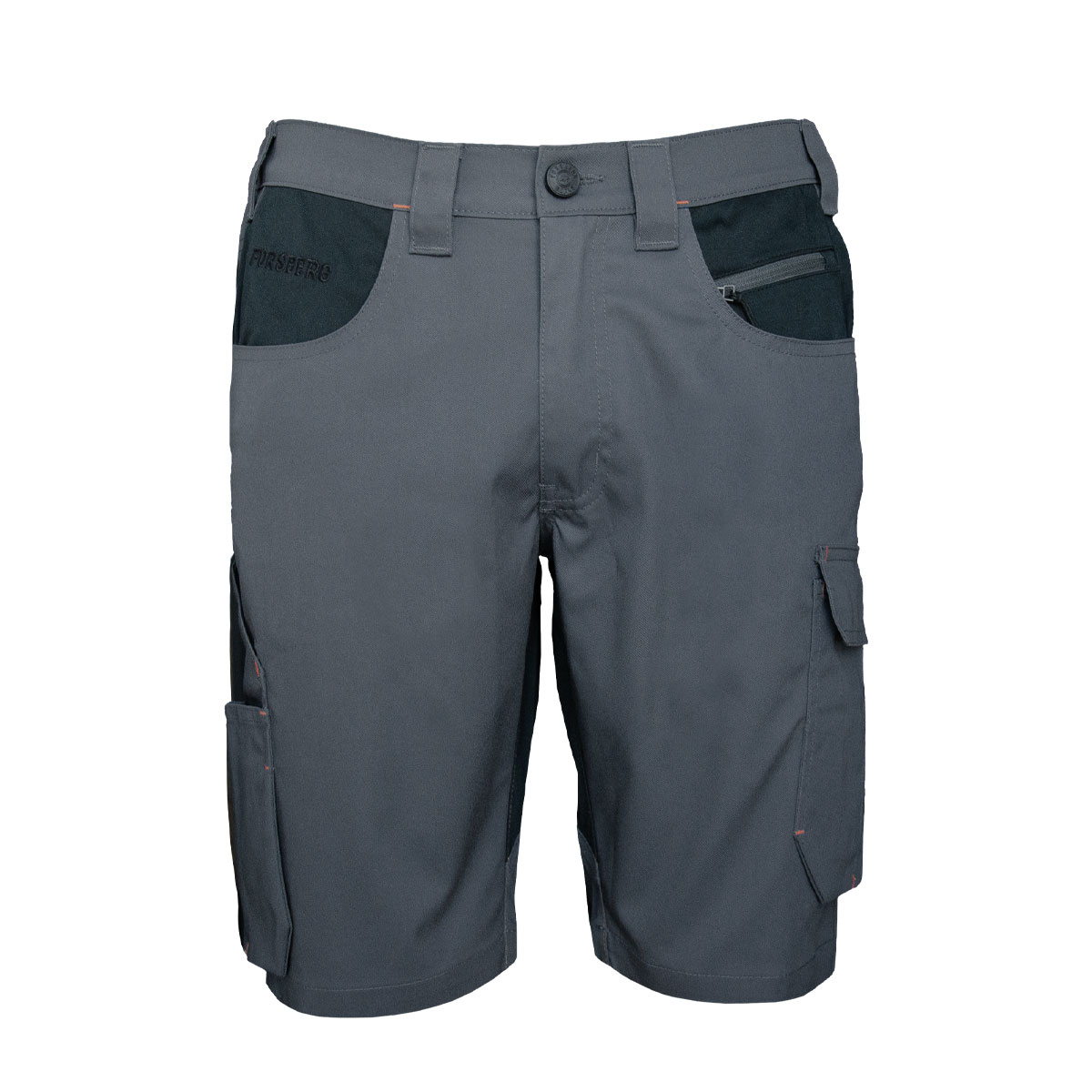
- FORSBERG Braxa work trousers / shorts – DuraMotion® stretch zones and reinforced knee area for movement and protection.
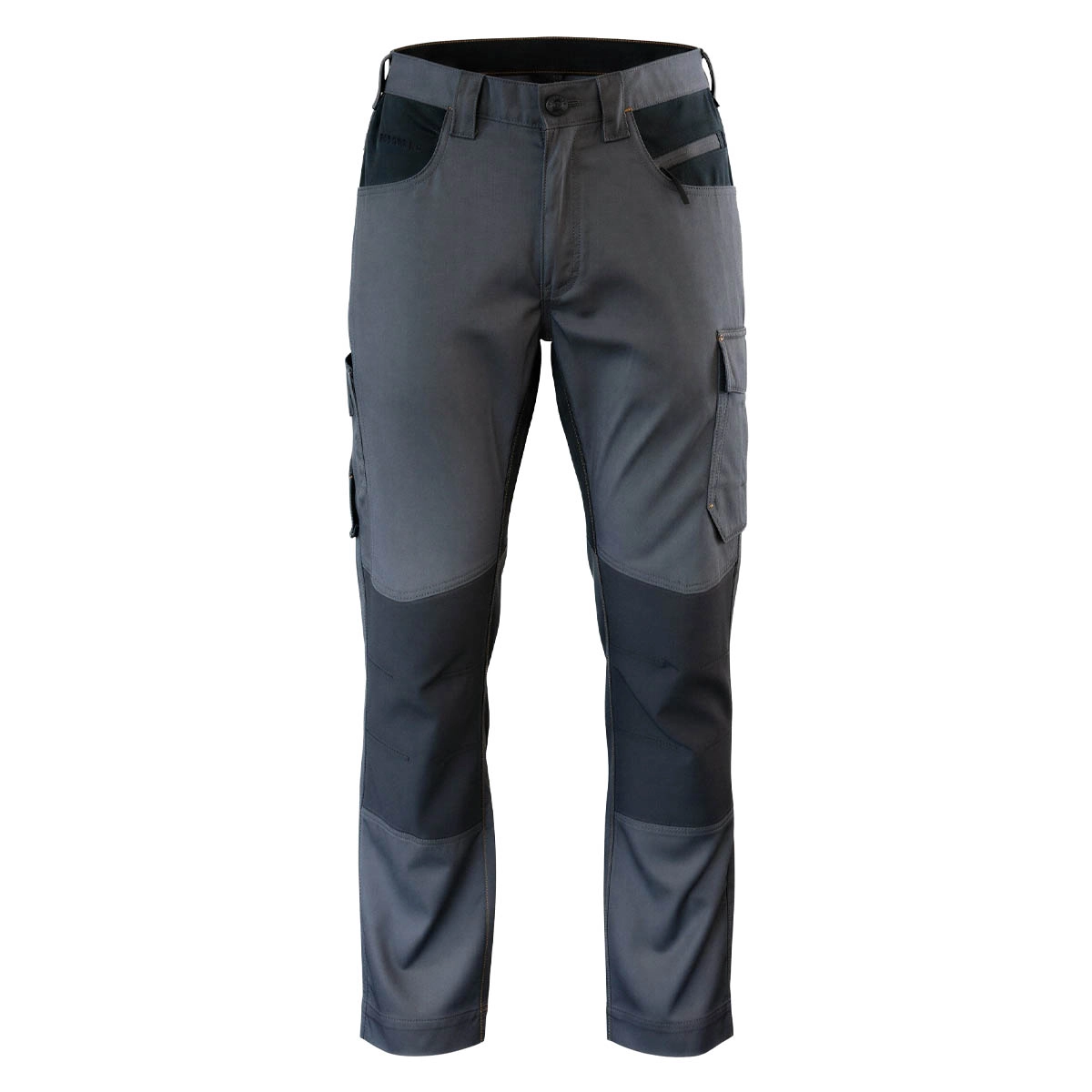
- FORSBERG Ativa Full‑Stretch work trousers – full stretch construction for mobility with protective overlays.
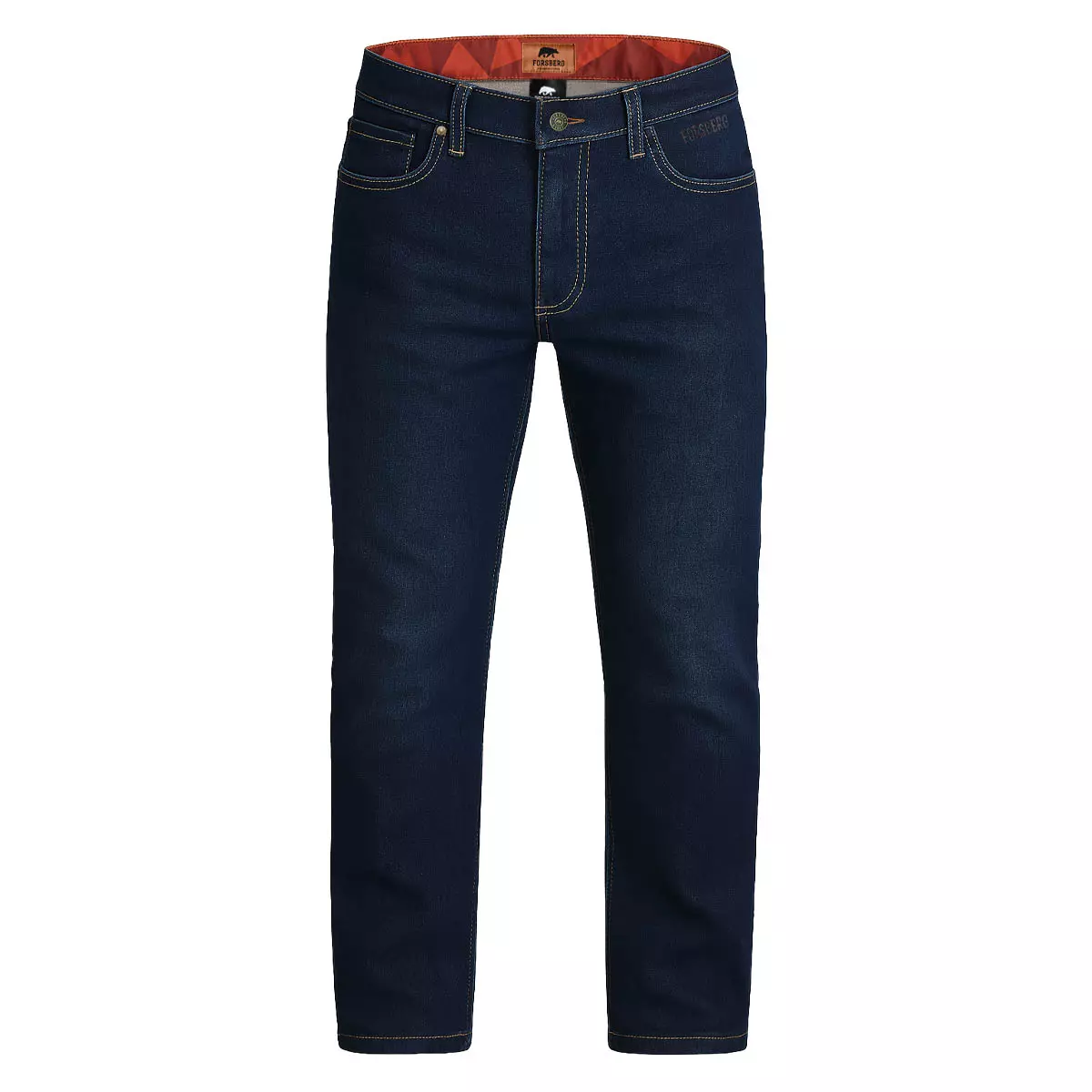
- FORSBERG Halpa – a simple, value‑oriented work pant for everyday wear.
Care notes related to materials
- Cordura® reinforcements are highly abrasion‑resistant but still benefit from gentle cleaning and avoiding harsh chemicals.
- Stretch zones (DuraMotion®, nylon/elastane) tolerate normal washing but lose elasticity with excessive heat or tumble‑drying.
How to care and maintain your work pants correctly
A short, practical step‑by‑step routine will preserve function and fit.
- Preparation
- Empty all pockets, close zips and fasten Velcro or buttoned flaps. Remove loose dirt or grit with a brush.
- If the pants have removable knee pads, take them out before washing.
- Washing
- Use a technical wash or mild detergent for functional textiles. Avoid ordinary softeners — they can reduce water repellency and clog fibres.
- Wash at 30–40 °C on a gentle program unless the care label states otherwise.
- Turn pants inside out to protect coatings and printed logos; wash with similar colours.
- Re‑proofing / impregnation
- If your trousers have a DWR finish, re‑apply a spray or wash‑in impregnation when water no longer beads up.
- Follow product instructions; many spray treatments are quick and effective for localized reproofing.
- Drying & storage
- Tumble‑dry only if the care label allows; low heat can reactivate some DWR finishes. If unsure, air dry in a ventilated place out of direct sunlight.
- Store dry and folded or hung; keep away from damp basements which can encourage mould.
- Repairs and small restorations
- Abrasion holes: small tears can be patched with iron‑on or sew‑on patches made for heavy fabrics; Cordura® patches are available.
- Seams: resew stressed seams with a strong polyester thread or have a tailor repair them.
- Coatings: for PU‑coated items, use specific seam tape or liquid seam sealer for waterproof seams.
- Knee areas: if your trousers use replaceable knee pads, swap these out when they wear through — this preserves the pant fabric beneath.
Practical tips you might get from a FORSBERG advisor
- Treat impregnated areas gently and re‑proof sooner rather than later if you work outdoors often.
- Avoid bleach or enzyme detergents which weaken fibres over time.
- Keep an inexpensive ‘repair kit’ (strong thread, spare buttons, adhesive patches) on the job to extend service life.
Use cases
Example: A carpenter on a renovation site Martin, a carpenter, spends long days lifting boards, kneeling when fitting skirting and carrying tools from van to flat. He chooses Braxa work trousers with DuraMotion® stretch zones and reinforced knee pockets. The stretch zones give him freedom when squatting and bending. Reinforced Cordura® layers on the knees and seat prevent rapid wear when he kneels on rough surfaces. Tool pockets and a hammer loop keep essentials to hand — saving time and reducing trips back to his toolbox. At the end of the week, Martin follows the care routine: brushing off grit, washing at 40 °C inside out, and replacing knee pads as needed. The result: trousers that stay comfortable and functional for seasons rather than months.
Why you benefit
- Better uptime: less time replacing faded or ripped trousers.
- Safer, more efficient work: secure pockets and ergonomic fit reduce distractions and improve productivity.
- Cost efficiency: choosing the right features (reinforcements, stretch, knee pads) avoids overpaying for unused specs.
Frequently asked questions (FAQ)
Q: What makes a good pair of work pants? A: Durability at stress points (knees, seat), a good fit with mobility (stretch zones) and practical pockets/tool loops are key. Reinforcements such as Cordura® extend life where it matters.
Q: Can I wash work pants with Cordura® reinforcements in the washing machine? A: Yes — close zips, remove knee pads and wash inside out on a gentle program at 30–40 °C with a mild detergent. Avoid fabric softener and bleach.
Q: How do I know when to re‑impregnate my trousers? A: If water no longer beads on the surface or stains set in more easily after washing, apply a DWR spray or wash‑in product according to the impregnation instructions.
Q: Do stretch zones reduce the durability of work pants? A: Properly designed stretch zones (e.g. DuraMotion®) add mobility without sacrificing abrasion resistance; they are placed where movement is needed and harder materials protect high‑wear areas.
Q: Can I tumble‑dry my work trousers? A: Check the care label. Some items allow low‑heat tumble‑drying to reactivate DWR finishes; if in doubt, air dry to preserve elastane fibres and coatings.
Q: How long do work pants typically last? A: Lifespan depends on workload and care — with proper use and repairs, reinforced work trousers can last multiple seasons. Lightweight, non‑reinforced models may wear faster in heavy use.
Q: What should I look for when buying work pants online? A: Check material composition, reinforcement details (Cordura®, knee pockets), stretch zones, sizing guidance and the care label. Product photos and model descriptions often show where reinforcements and pockets are placed.
Final note & internal links
If you want deeper tips on caring for workwear or examples from the field, have a look at our blog and FAQ pages:
- https://www.forsberg.works/en/blog/
- https://www.forsberg.works/en/footernavigation/service/faq/
Browse our selection of Work Pants now and find the right product for your needs.