

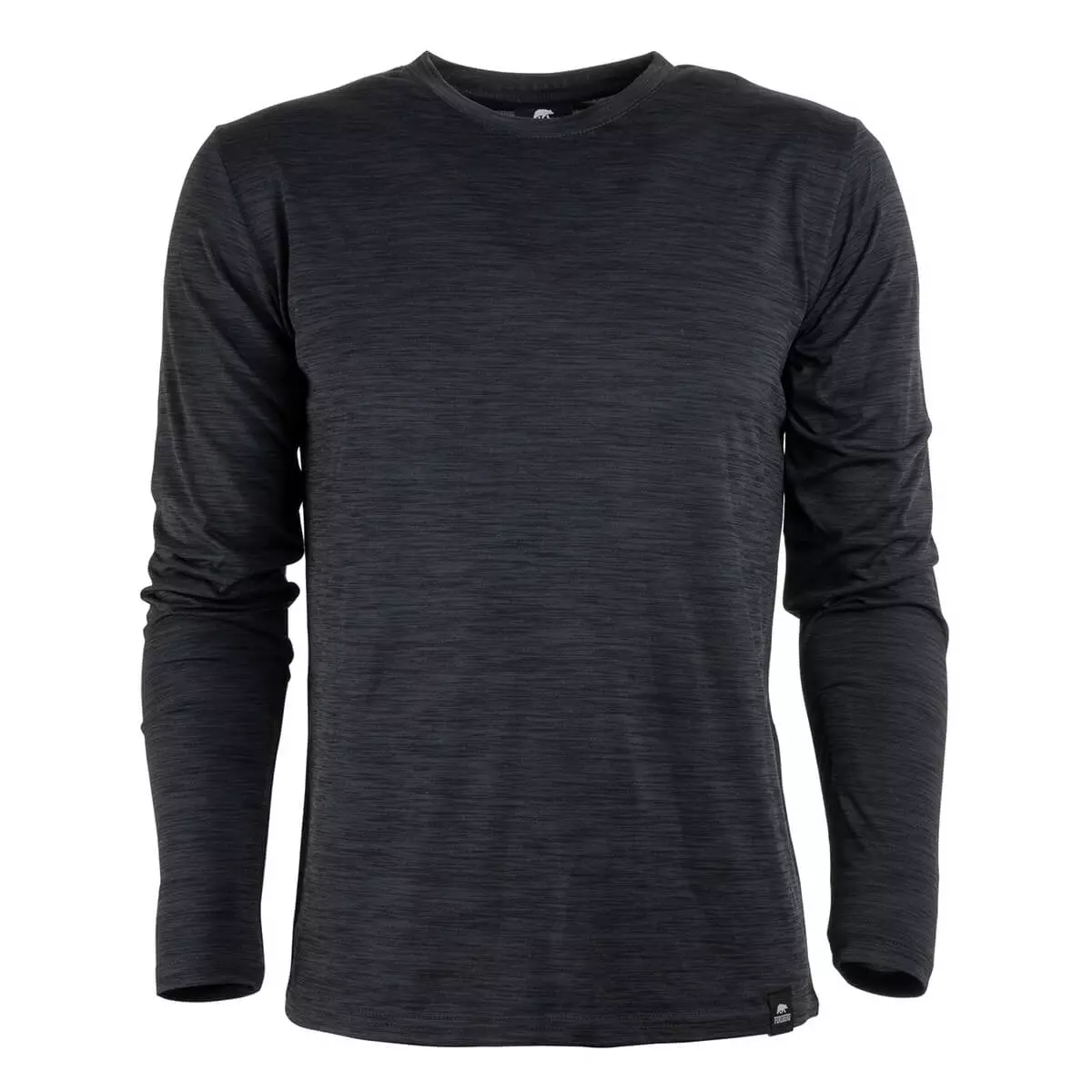

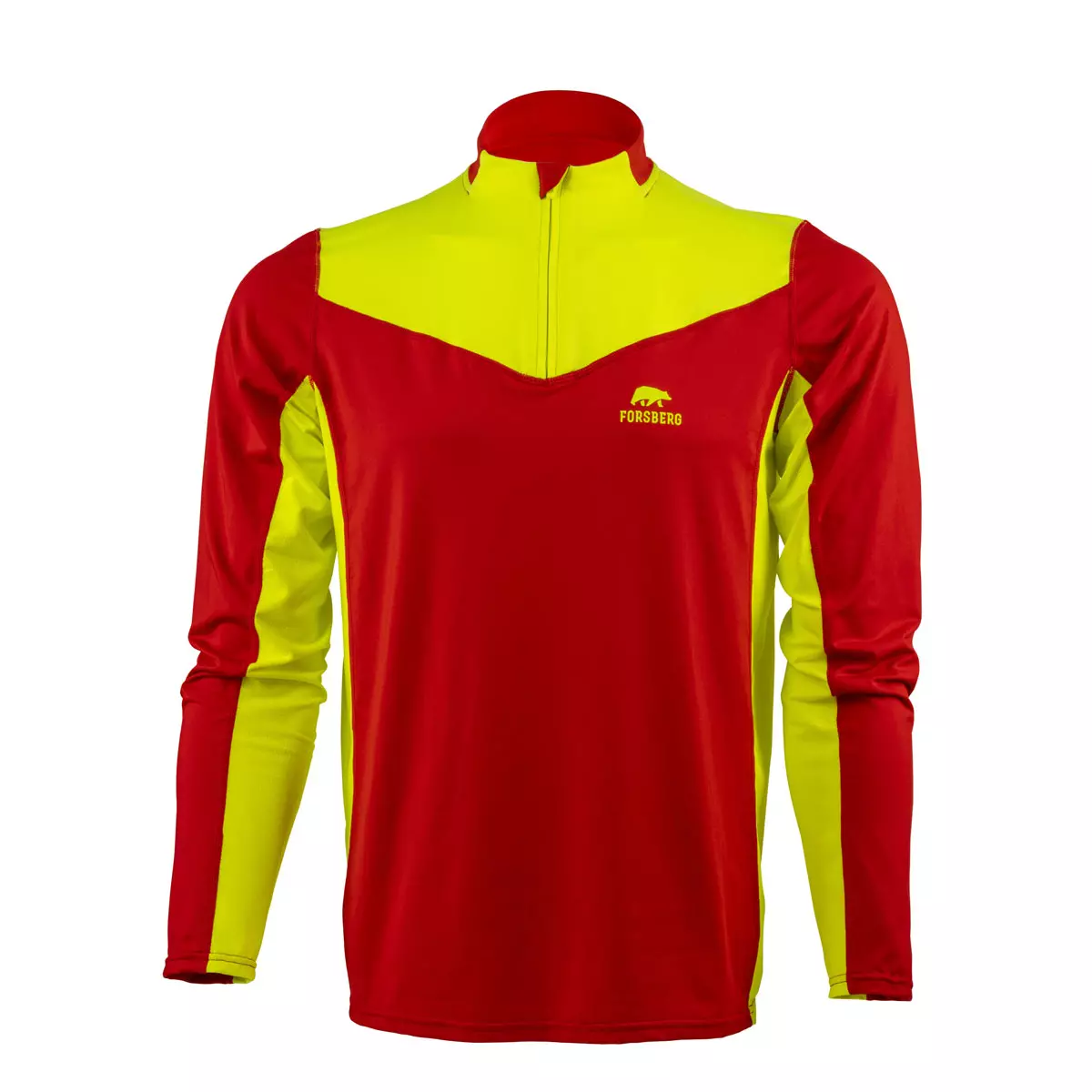
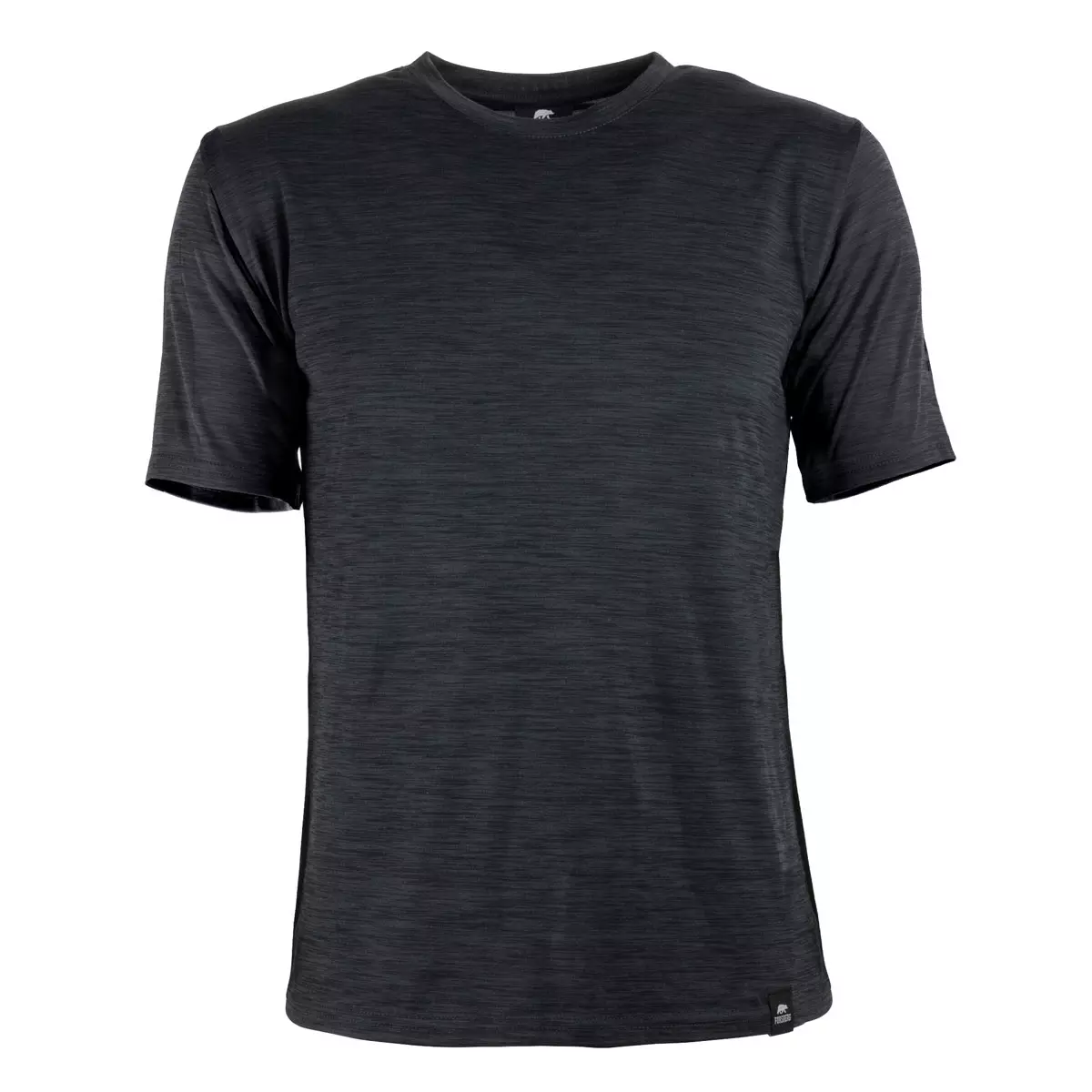

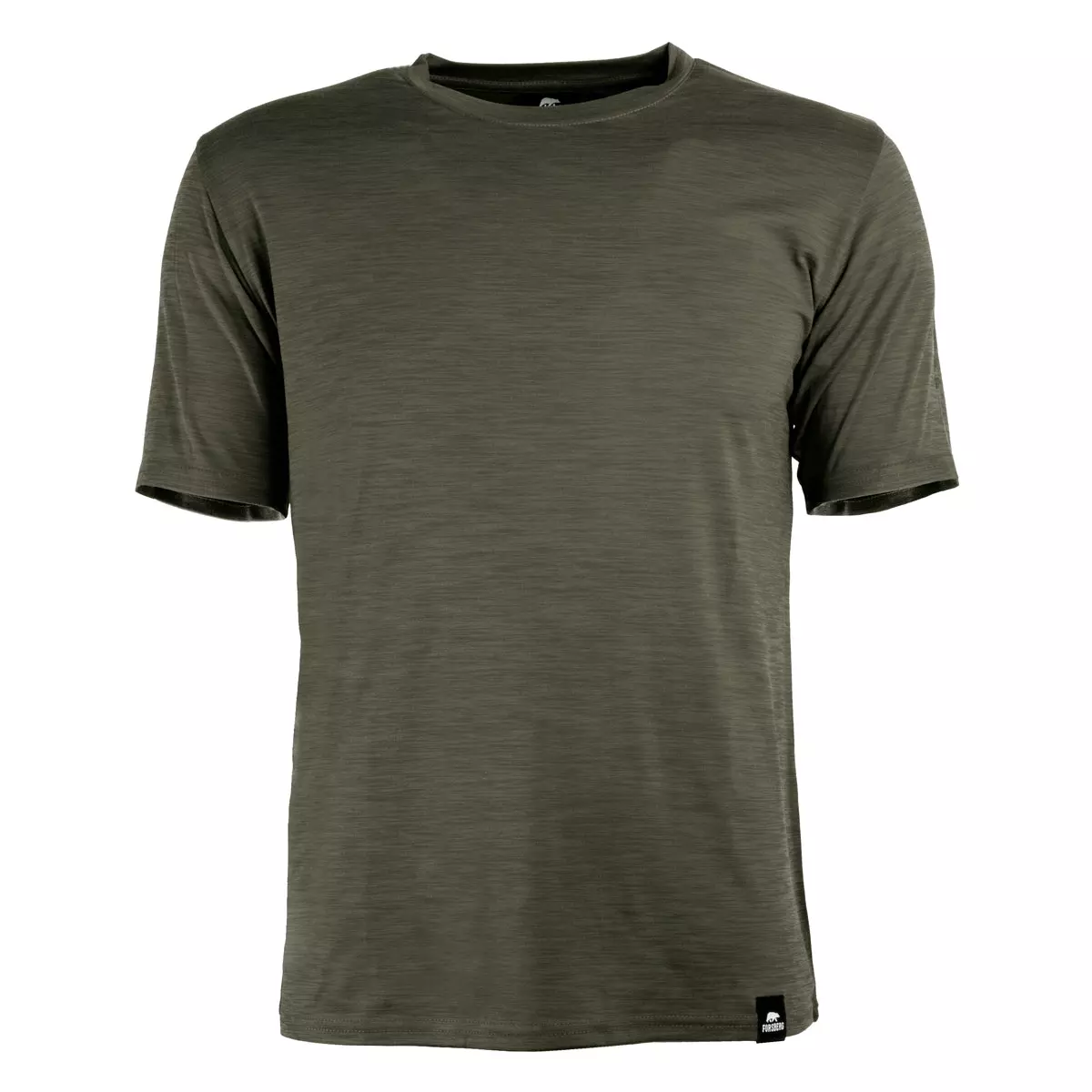
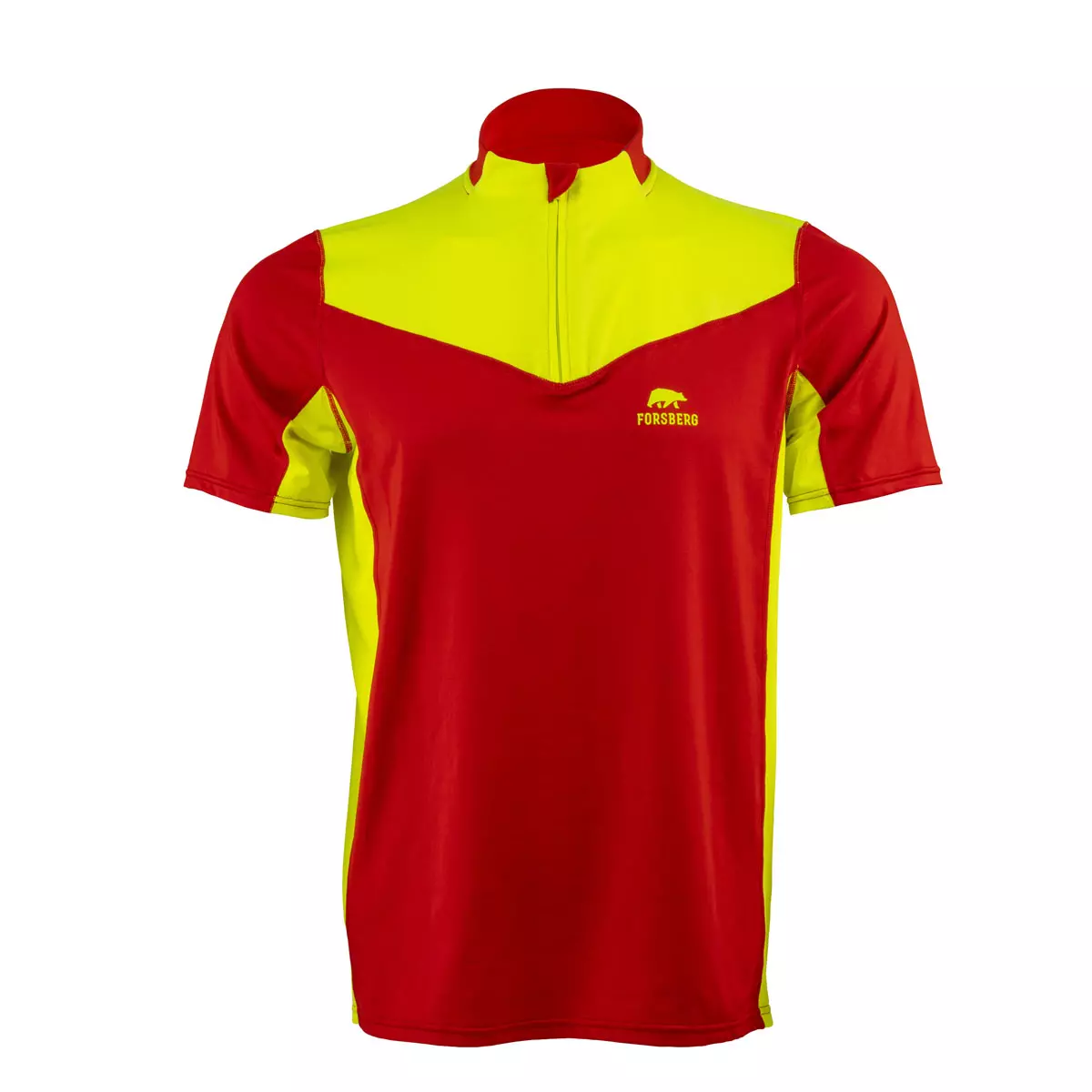
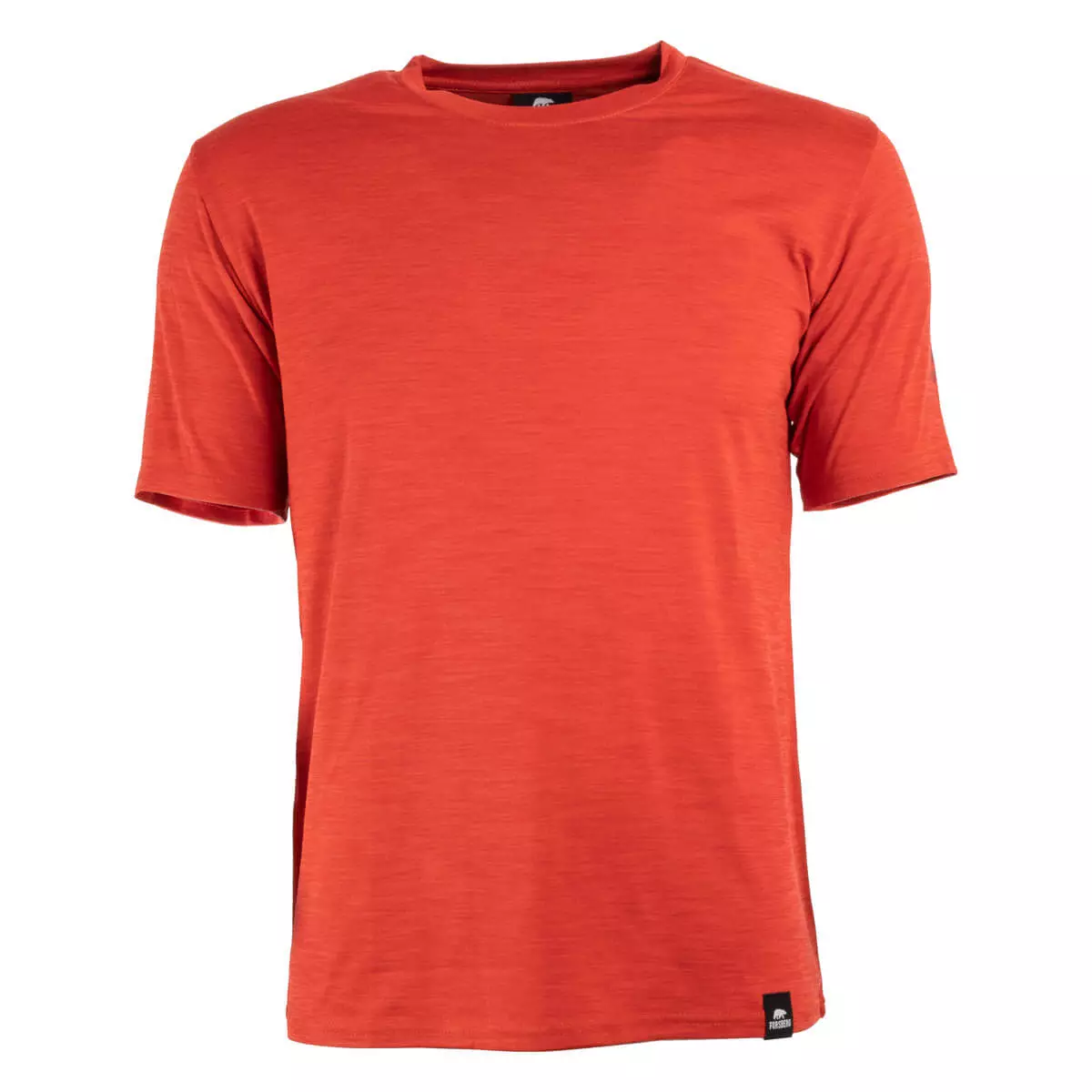

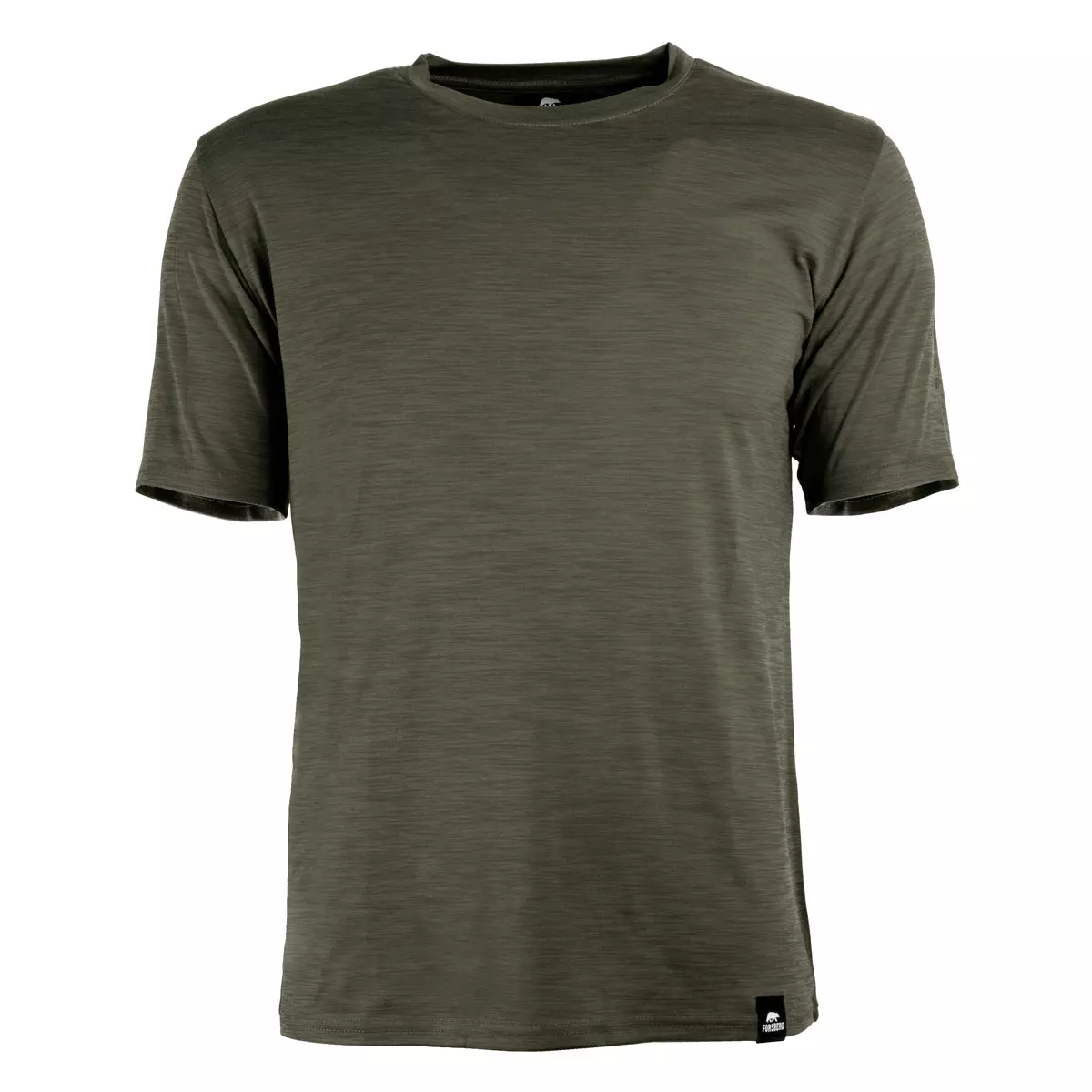
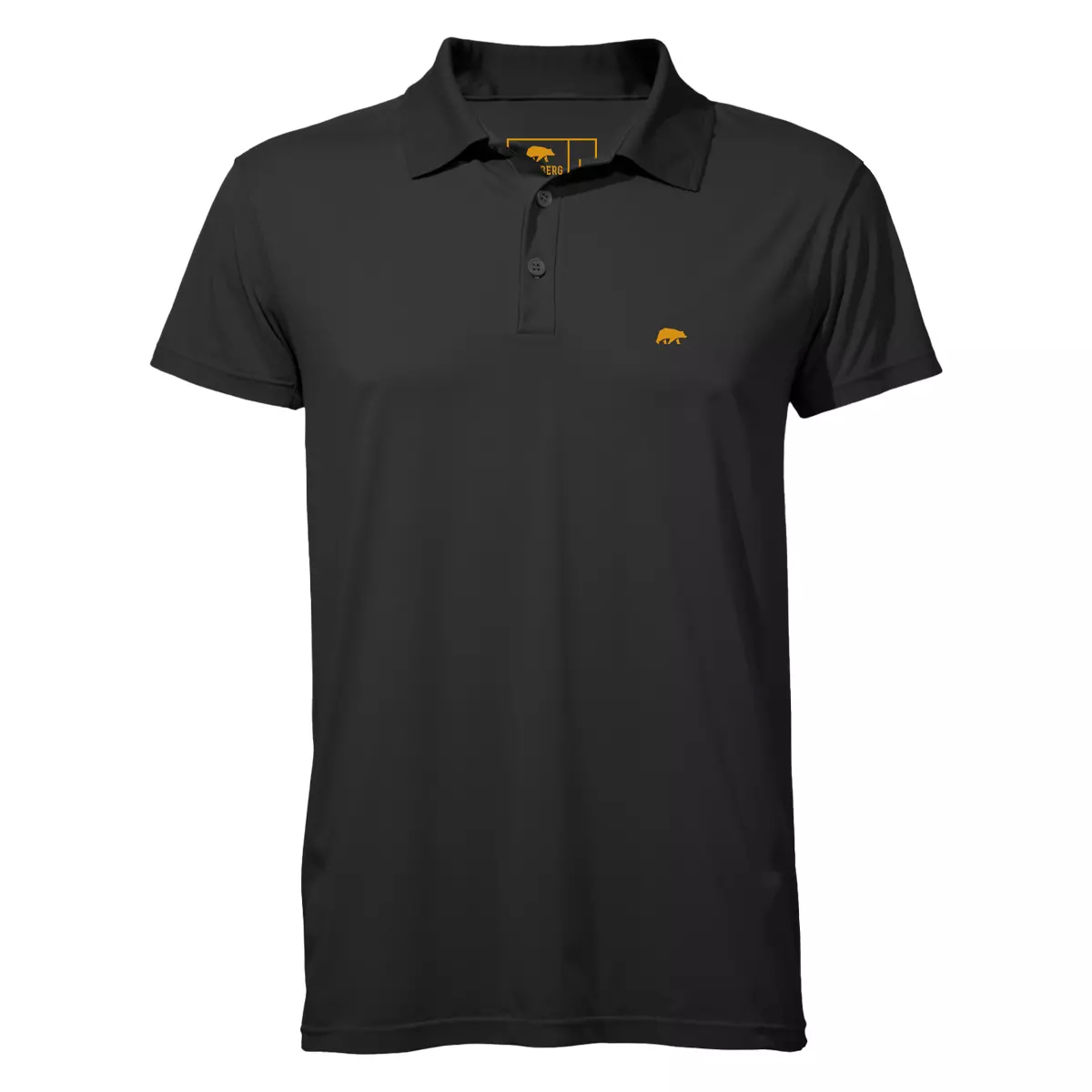

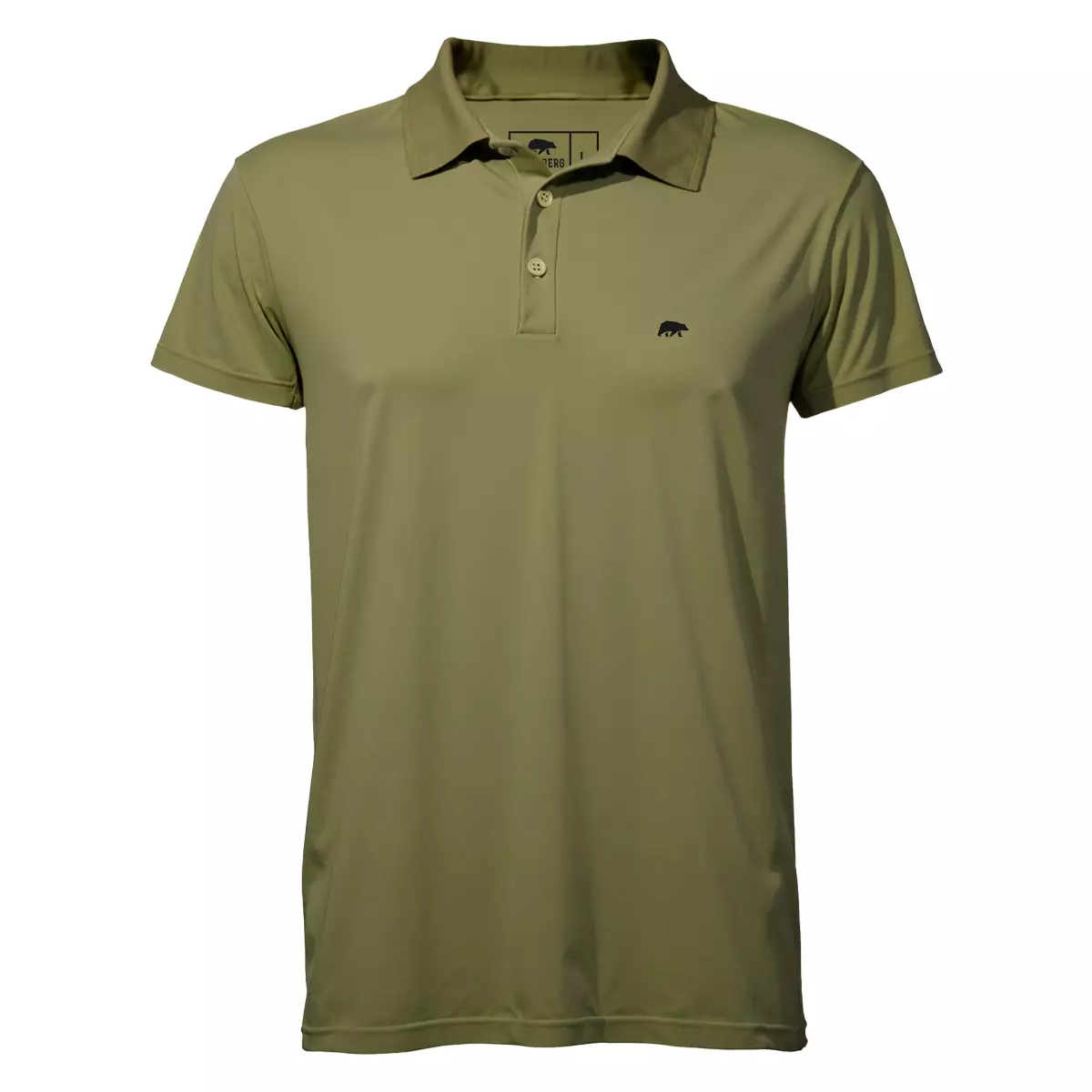

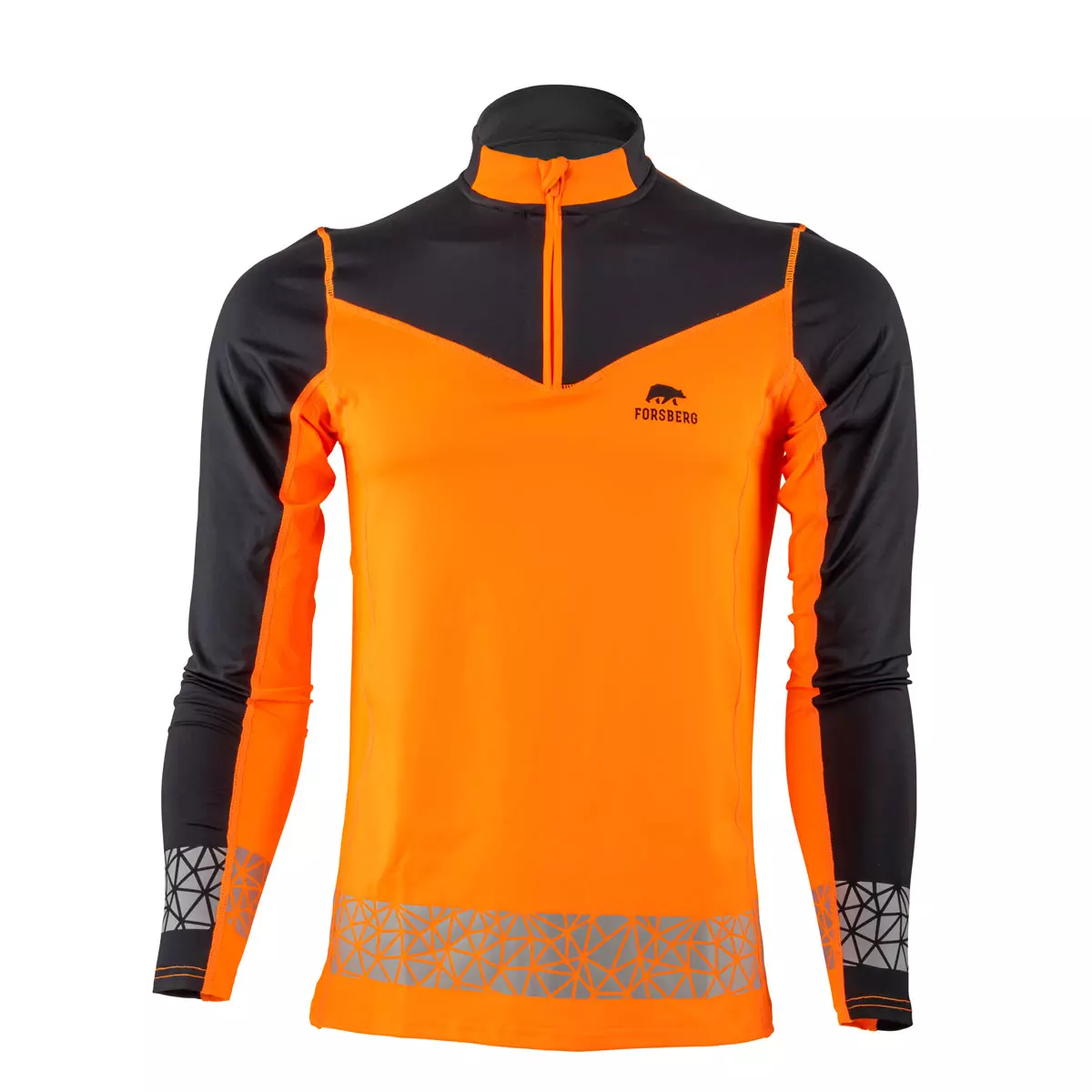
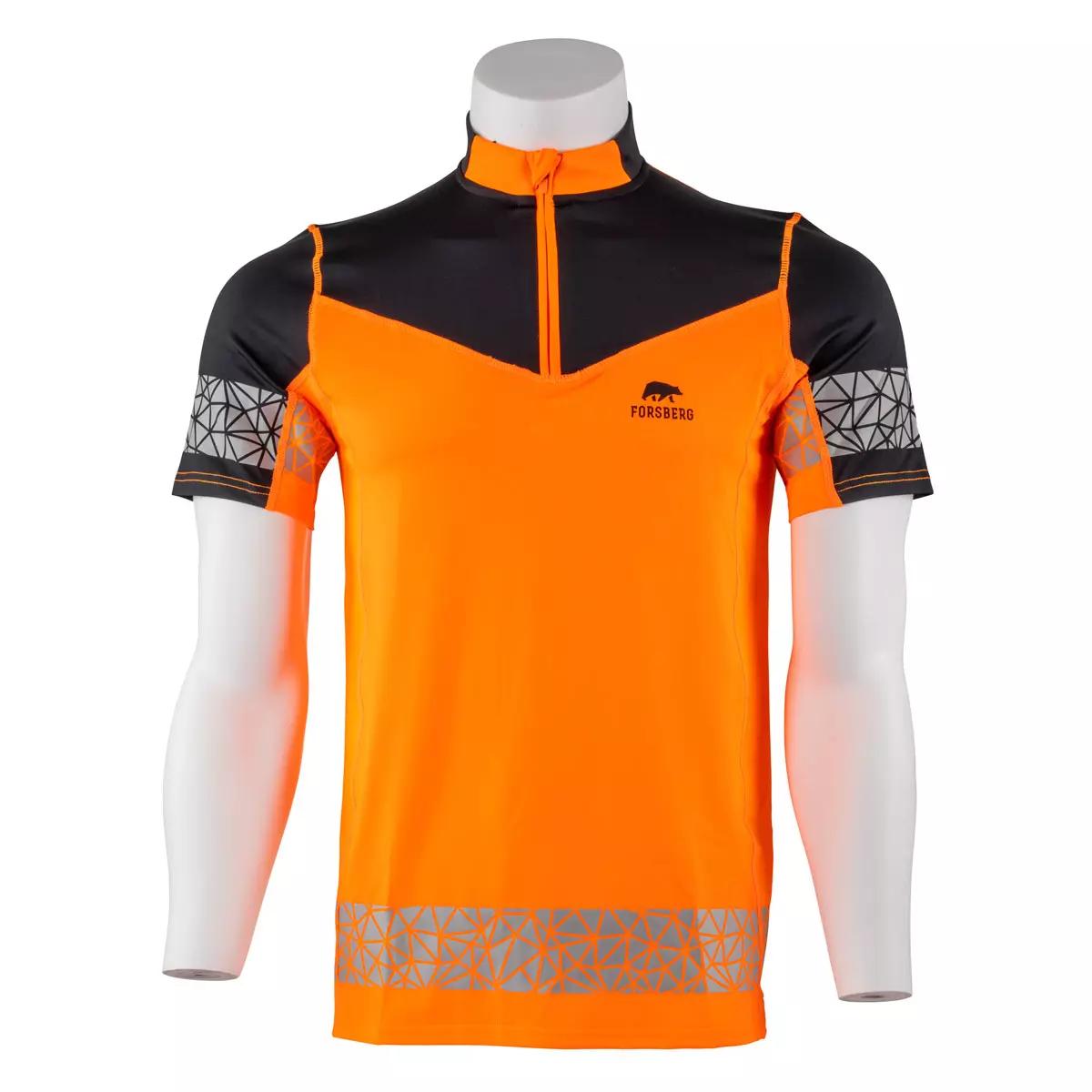

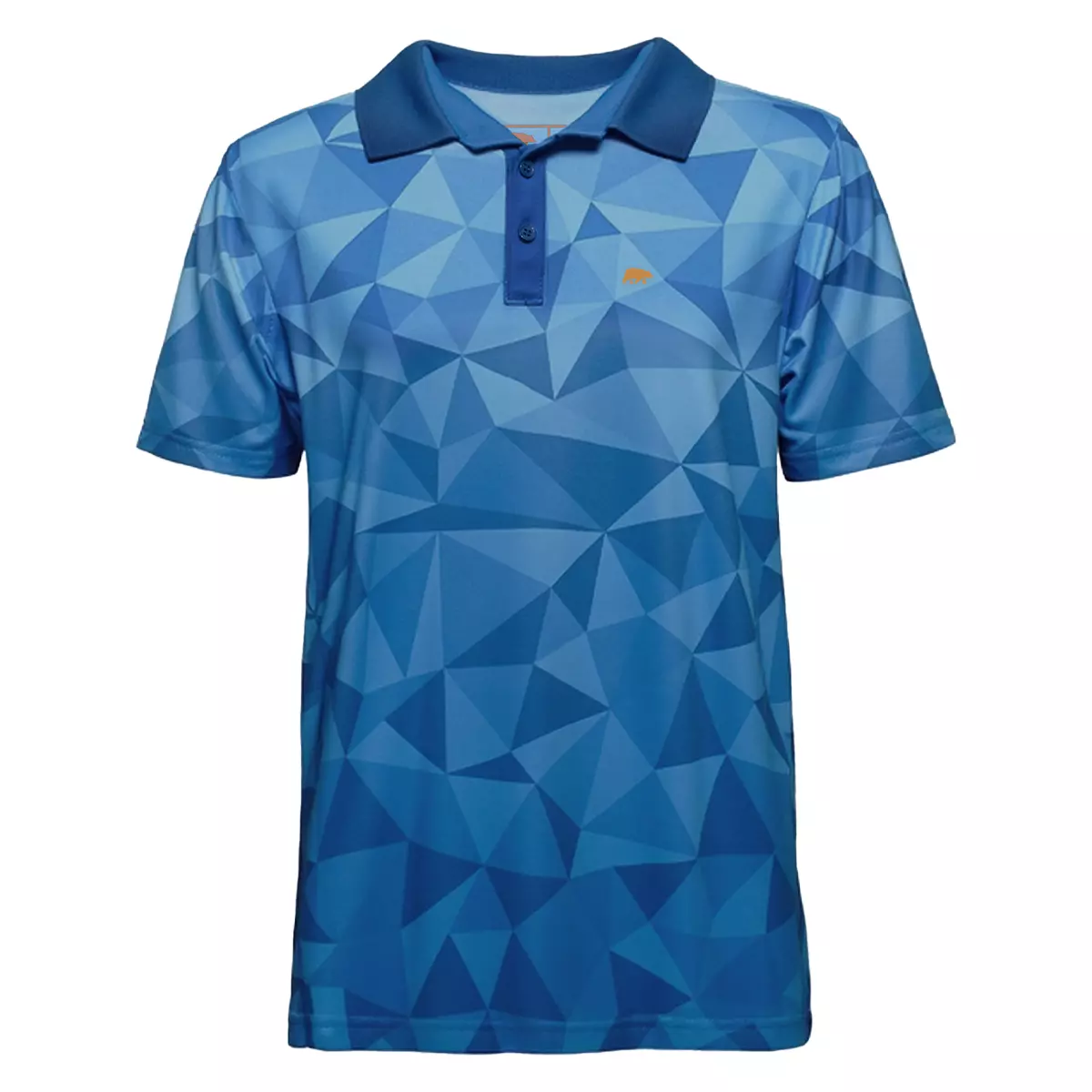
Functional shirts move sweat away from your skin, dry quickly and keep you comfortable through a full shift or workout — without the bulk of a mid-layer. The FORSBERG® range covers short-sleeve tees, long-sleeve performance tops, shirt-style cuts and polo formats, all engineered from breathable synthetic and blended fabrics for trade, outdoor and active use.
What to Know Before You Buy a Functional Shirt
Choosing the right functional shirt comes down to three things: fabric construction, cut and intended use. A shirt that works for a tiler spending eight hours on their knees needs different properties from one worn by a cyclist or a delivery driver. The sections below walk through each factor.
How Fabric Construction Determines Performance
Functional shirts rely on fabric engineering rather than membranes or heavy coatings. The key materials are:
Polyester blends form the backbone of most technical shirts. Polyester is lightweight, fast-drying and abrasion-resistant — properties that hold up after repeated washes.
Elastane (also sold as Spandex or Lycra®) appears in small percentages, typically 2–8 %. Even a low elastane content adds meaningful stretch and helps the shirt recover its shape after movement or washing.
Merino wool (used alone or blended with synthetics) regulates warmth across a wide temperature range, breathes well and reduces odour naturally. Blending it with polyester or nylon improves durability and cuts drying time.
Polypropylene suits applications where low water absorption and fast wicking are priorities — it takes on almost no moisture itself and pushes sweat to the fabric surface.
Beyond raw fibre, two construction details matter:
- Flatlock or bonded seams sit flush against the skin rather than raised, which prevents chafing during high-movement work or sport.
- Antibacterial and odour-control finishes — sometimes silver-ion-based, sometimes enzyme treatments — slow the build-up of smell during long shifts or multi-day trips.
Which Cut Suits Which Job
Not every functional shirt is cut the same way. A fitted athletic cut works well for gym sessions or cycling, where close contact with the skin maximises moisture transfer. A more relaxed trade cut gives room to reach, bend and climb without the shirt riding up.
Shirt-style functional tops with a collar (like the Skjorta II range) suit client-facing trade roles or team use, where a polo or button-collar look is expected without giving up technical performance.
Long sleeves add sun protection and a degree of warmth in transitional weather; short sleeves maximise ventilation in warm or indoor conditions.
When UV Protection, DWR and Windproof Panels Matter
Some functional shirts carry additional protective features:
UPF-rated yarns provide measurable sun protection — useful for outdoor workers and anyone spending extended time in direct sunlight.
DWR (Durable Water Repellent) is a surface treatment, not a membrane. On shirts it sheds light drizzle and morning dew rather than sustained rain. When beading stops, DWR can often be reactivated by tumble-drying on low heat or with a wash-in re-impregnator.
Windproof panels appear in some performance tops as bonded or woven PU zones. Follow the care label carefully — high temperatures can cause delamination.
The FORSBERG® Functional Shirt Range
The product range below is drawn directly from the current FORSBERG® assortment. No product has been omitted.
Svettson — Everyday Performance Tees and Long-Sleeves
The Svettson series covers the core active-wear needs of the range. Svettson functional shirt (short-sleeve, two colourways) and Svettson long sleeve functional shirt are built from lightweight polyester blends engineered for strong moisture wicking and cut for active movement. Svettson functional t-shirt (two versions) sits in the same family — a slightly more relaxed cut that works as a base layer or standalone top.
Skjorta II — Shirt-Style Technical Tops
The Skjorta II functional shirt long-sleeved and Skjorta II functional shirt short-sleeved take a shirt-collar format and pair it with breathable, performance fabrics. The cut suits trade environments, team wear and any setting where a conventional shirt look is expected but comfort and quick-dry properties still matter.
Torke — Performance Tops for Outdoor Work
The Torke long-sleeved functional shirt and Torke short-sleeved functional shirt are designed around outdoor work demands — breathable constructions with colourways suited to high-visibility contexts. The longer sleeve version adds coverage for exposed conditions.
Funktions-Poloshirt — Technical Polos
Three polo formats complete the range: Funktions-Poloshirt (two versions) and Funktions-Poloshirt blauer Allover-Polygonprint Verlauf. All three use a piqué structure combined with performance fibres — the textured weave improves airflow at the surface while the technical fibre content delivers the wicking and quick-dry properties expected from workwear.
Material and Use at a Glance
| Feature | Best suited to | What to look for |
|---|---|---|
| Polyester blend | All-day trade, active use | Fast dry, high wash durability |
| Merino blend | Variable temperatures, multi-day wear | Natural odour control, warmth regulation |
| Elastane content | High-movement work, sport | 2–8 % for stretch + shape retention |
| Flatlock seams | Skin-contact wear, physical jobs | Reduced chafing under tool belts or harnesses |
| DWR finish | Outdoor work, light weather | Reactivate when beading stops |
| Piqué structure | Client-facing roles, team wear | Better airflow; professional appearance |
| UPF yarn | Outdoor or summer work | Sun protection during prolonged exposure |
Sizes in the FORSBERG® Functional Shirt Range
The functional shirt assortment runs from S through to 4XL, covering the full range of trade and active body types. Sizes S, M, L, XL, XXL, 3XL and 4XL are available across the collection, though individual models may vary — check the product page for the exact size run of each style.
Caring for Functional Shirts Correctly
Proper care preserves wicking performance and extends the life of technical fabrics significantly.
Before washing: close all zips and Velcro, turn the shirt inside out. Rinse or brush off heavy surface soiling before it goes into the machine.
Washing: use a specialist technical or sportswear detergent — standard powder detergents leave residues that block fibre channels. Skip fabric softener entirely; it coats fibres and kills wicking performance. Wash at 30–40 °C on a gentle programme with moderate spin speed.
Drying: air-dry in the shade where possible. Avoid prolonged exposure to direct sun, radiators or high tumble-dryer temperatures unless the care label explicitly allows it.
DWR maintenance: when water no longer beads on the surface, apply a wash-in or spray re-impregnator designed for technical wear, then activate with low-heat tumble drying or a warm iron according to the product instructions.
Storage: fold or hang in a dry, ventilated space. Sealed plastic bags trap moisture and accelerate fabric degradation over time.
FAQ: Functional Shirts
What makes a functional shirt different from a regular cotton T-shirt? Functional shirts are made from synthetic or blended technical fabrics — typically polyester, elastane or merino wool — engineered to move moisture away from the skin, dry quickly and retain their shape after repeated washing. A standard cotton T-shirt absorbs sweat and holds it against the body, which causes chilling after exertion and slows drying significantly. Functional shirts are specifically constructed to prevent that, making them more suitable for physical work, active sport or extended outdoor use.
Can I wear a functional shirt as workwear on a construction site? Functional shirts work well as workwear on construction sites when durability, quick-dry performance and freedom of movement are priorities. The key is choosing a cut designed for trade rather than sport — a more relaxed silhouette with room to reach and bend. Shirt-collar styles like the Skjorta II range suit environments where a professional appearance matters. For any site with high-visibility requirements, check whether the shirt's colourway meets EN ISO 20471 or use it under a certified hi-vis layer.
Why should I avoid fabric softener when washing functional shirts? Fabric softener deposits a coating on individual fibres that physically blocks the microscopic channels responsible for wicking. Functional shirts move moisture by pulling it along and through the fabric structure — once those channels are coated, the wicking mechanism stops working regardless of the fibre quality. Even one wash with softener can noticeably reduce performance. Use a dedicated technical or sportswear detergent instead, and wash at 30–40 °C on a gentle cycle to preserve fibre integrity.
What is DWR and how do I reactivate it on a functional shirt? DWR (Durable Water Repellent) is a surface treatment applied to the outer face of a fabric that causes water to bead and roll off rather than soak in. On functional shirts it handles light drizzle rather than sustained rain — it is not a waterproof membrane. Over time and washing, DWR degrades. Reactivation is straightforward: apply a wash-in or spray re-impregnator formulated for technical wear, then tumble-dry on low heat or press with a warm iron according to the product label to bond the treatment back to the fibres.
What is the difference between the Svettson, Skjorta II and Torke ranges? Functional shirts in the Svettson series prioritise active performance — lightweight polyester constructions with strong wicking for sport and physical trade work. The Skjorta II range takes a shirt-collar format suited to client-facing roles and team use while retaining technical fabric benefits. The Torke series is positioned around outdoor work, with colourways and breathable constructions suited to exposed environments. Polos in the Funktions-Poloshirt range use a piqué structure for improved airflow and a smarter look while maintaining quick-dry performance.
What percentage of elastane should a functional shirt have for physical work? Functional shirts for physical work benefit from an elastane content in the 2–8 % range. That proportion is enough to allow unrestricted movement — reaching overhead, bending, kneeling — without the fabric pulling tight or riding up. Higher elastane content is common in compression or sport-specific garments; for general trade use the lower end of that range usually suffices. The elastane also helps the shirt recover its shape after washing, which matters for garments washed frequently over a working week.
How do merino wool blends compare to pure polyester in a functional shirt? Functional shirts in merino blends regulate temperature more effectively than pure polyester across a wider range of conditions — the natural fibre absorbs a small amount of moisture while continuing to insulate, which prevents the clammy feeling that can occur with full synthetics in fluctuating temperatures. Merino also reduces odour more naturally over multi-day wear. The trade-off is slower drying and reduced abrasion resistance compared to polyester; blending merino with synthetic fibres addresses both weaknesses while retaining the thermal and odour benefits.
Verfasst von Michael Korinek, Sales Management — Zuletzt aktualisiert: 12. Juni 2026