















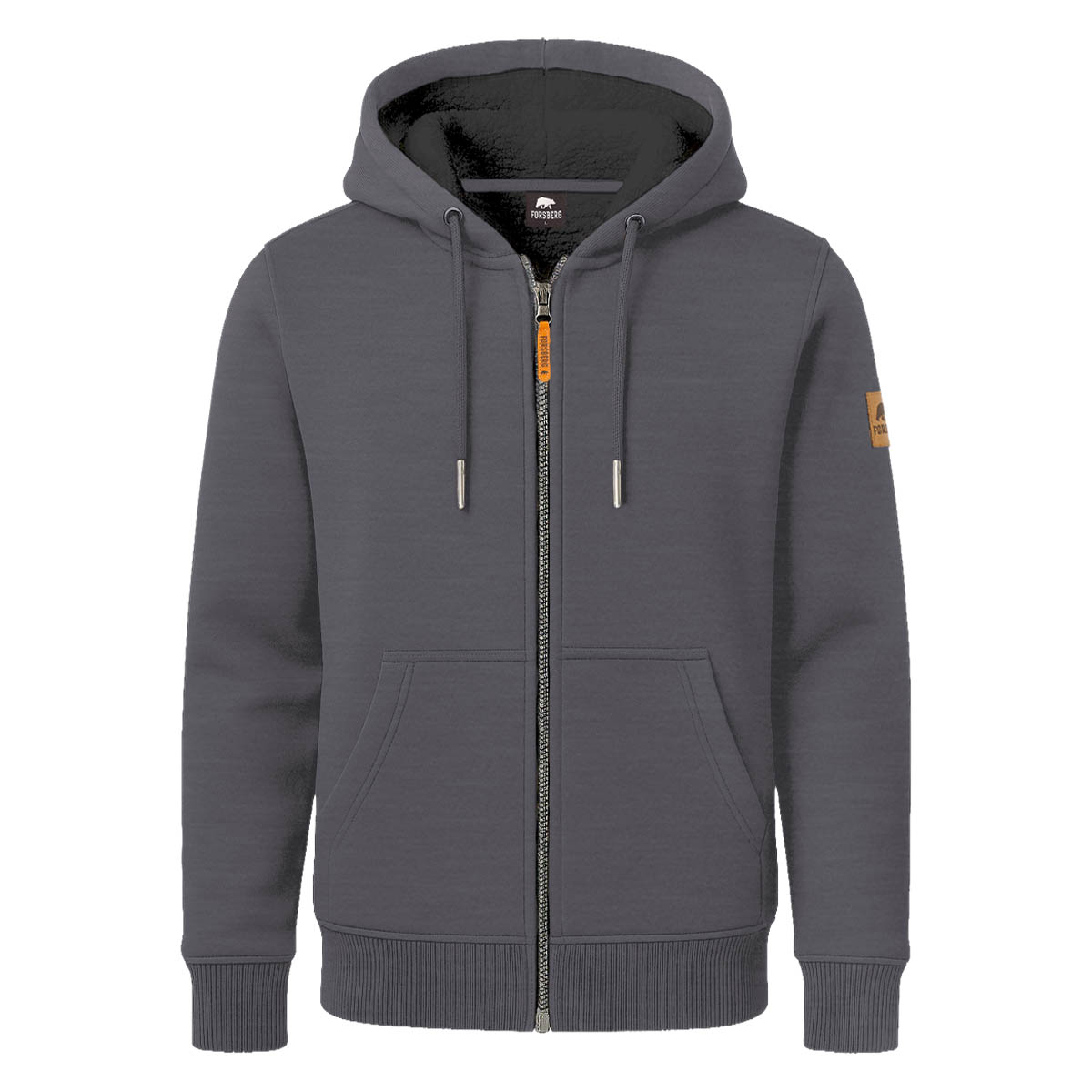
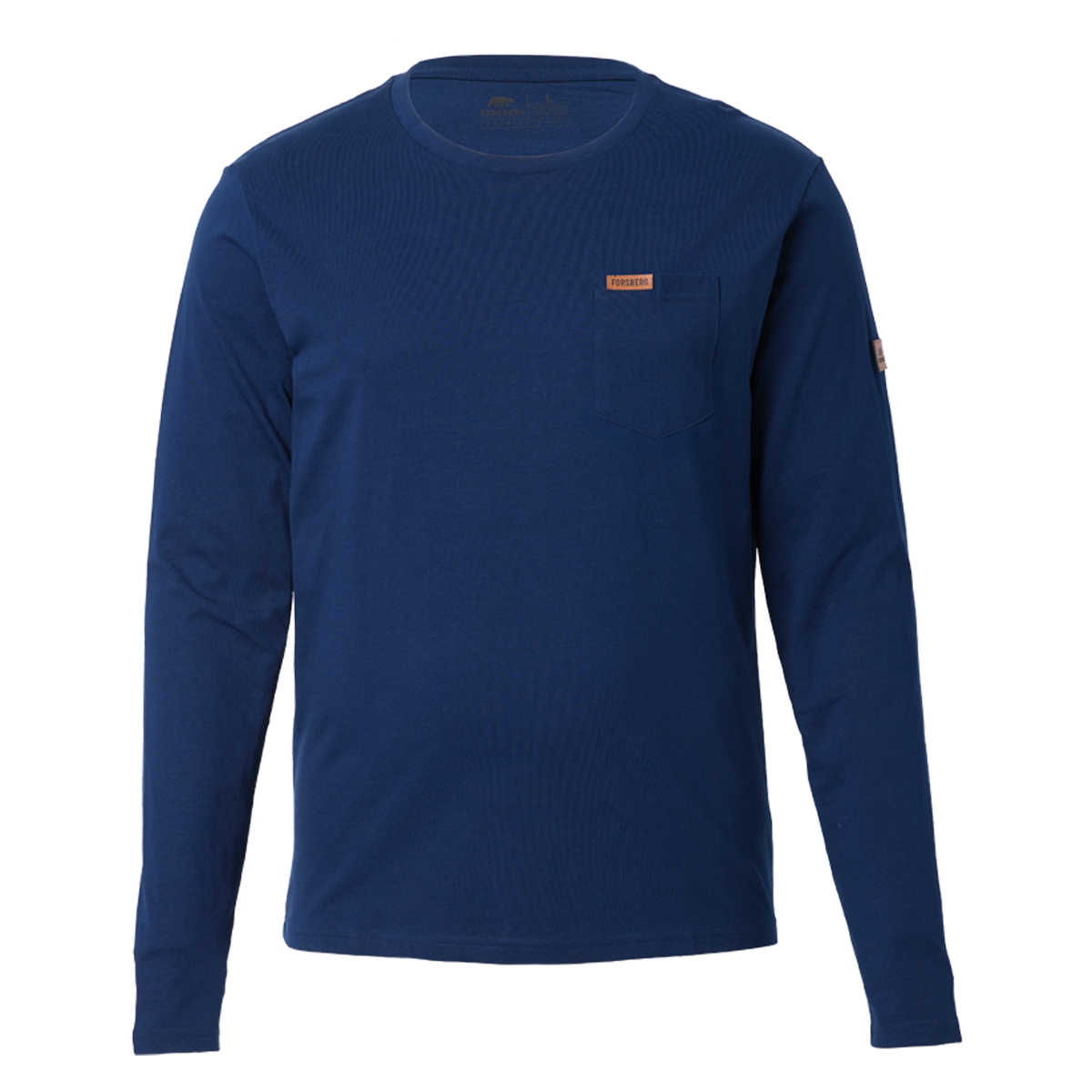

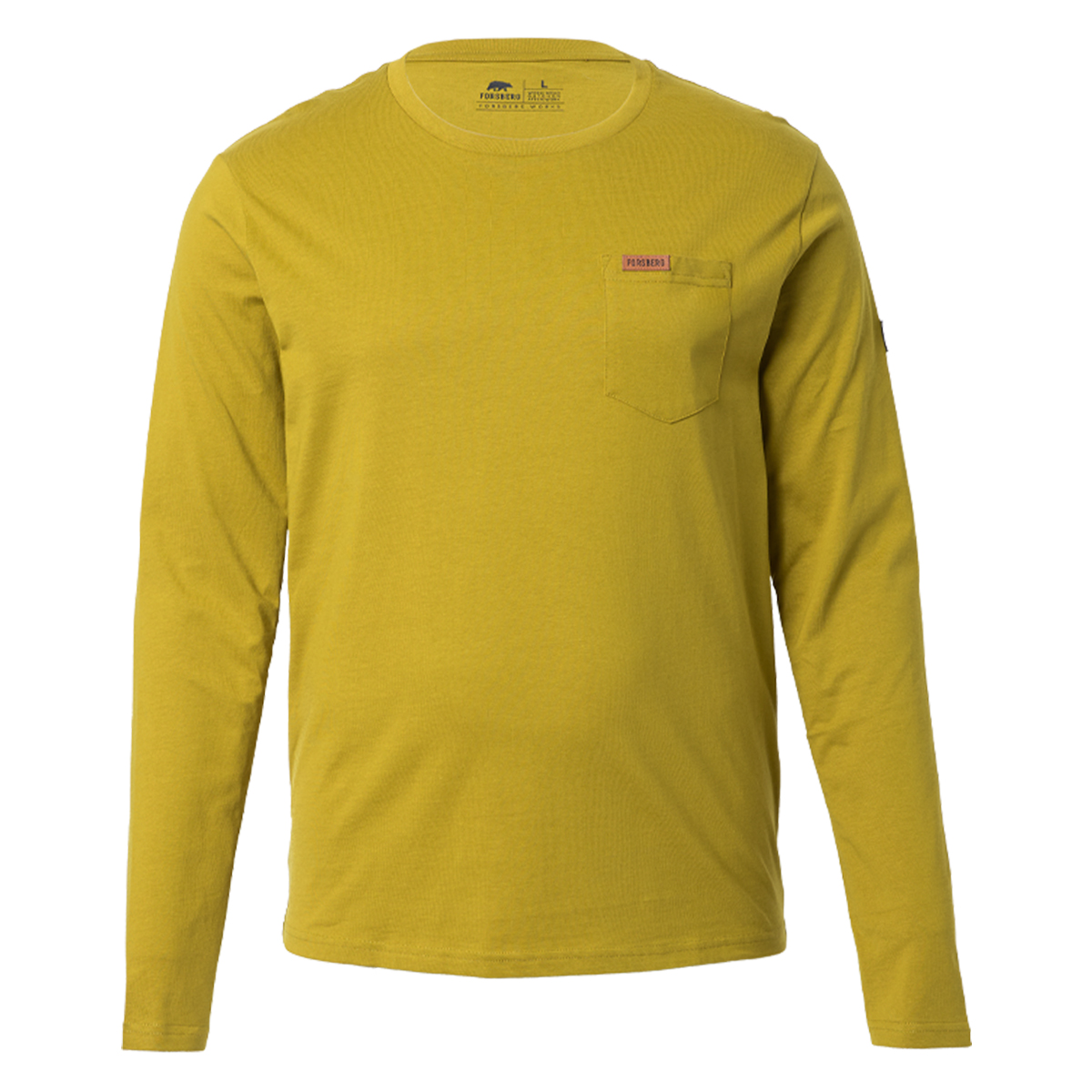
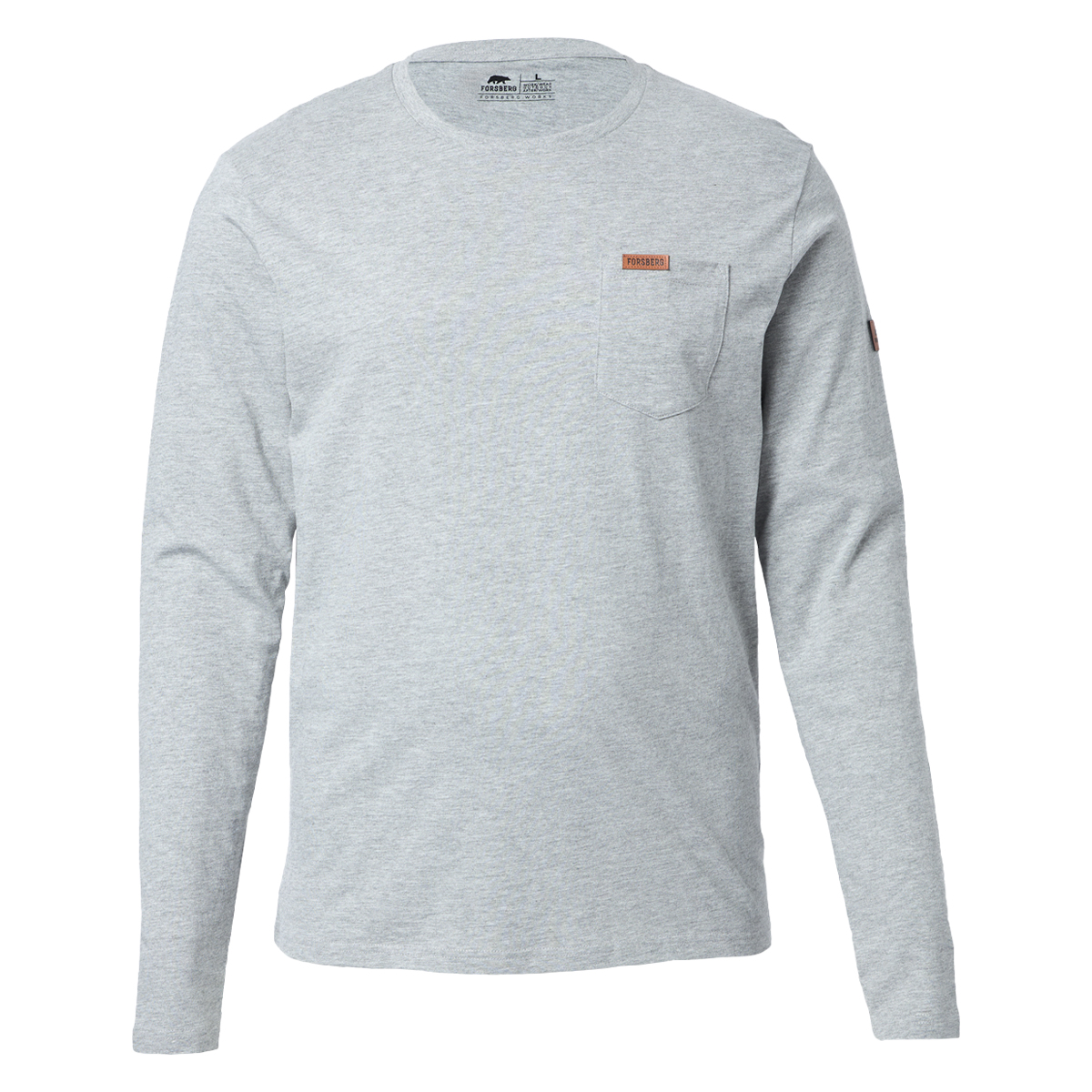
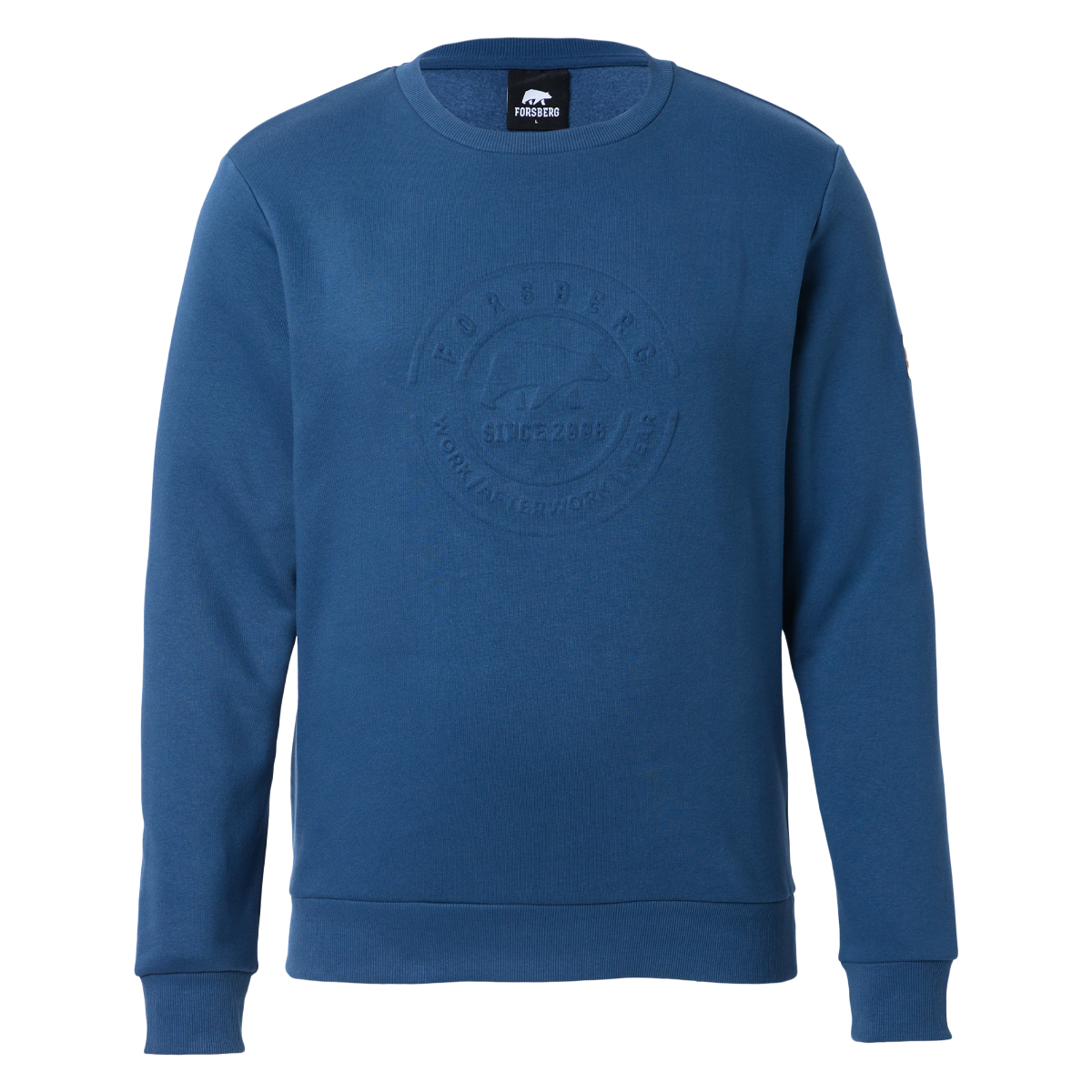

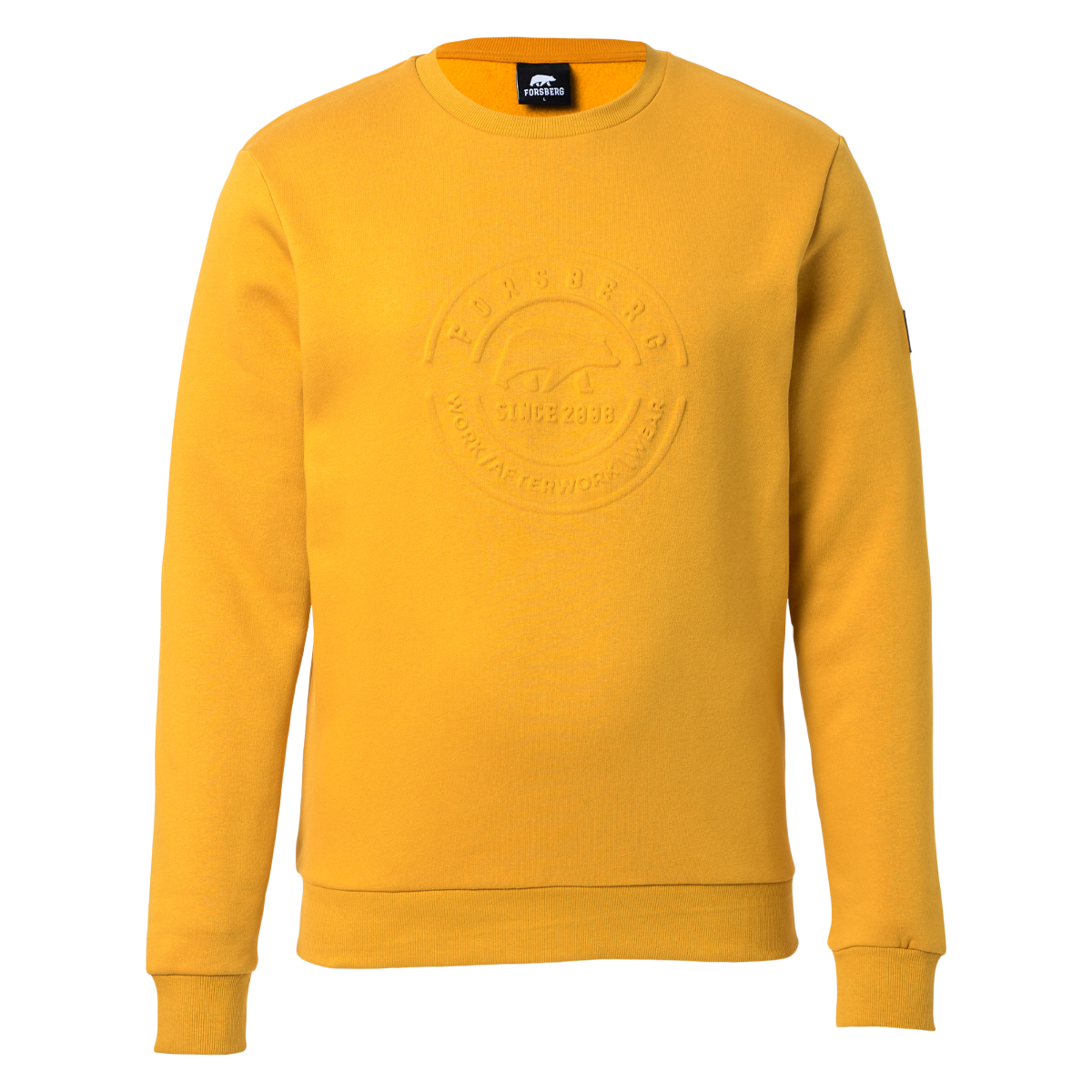

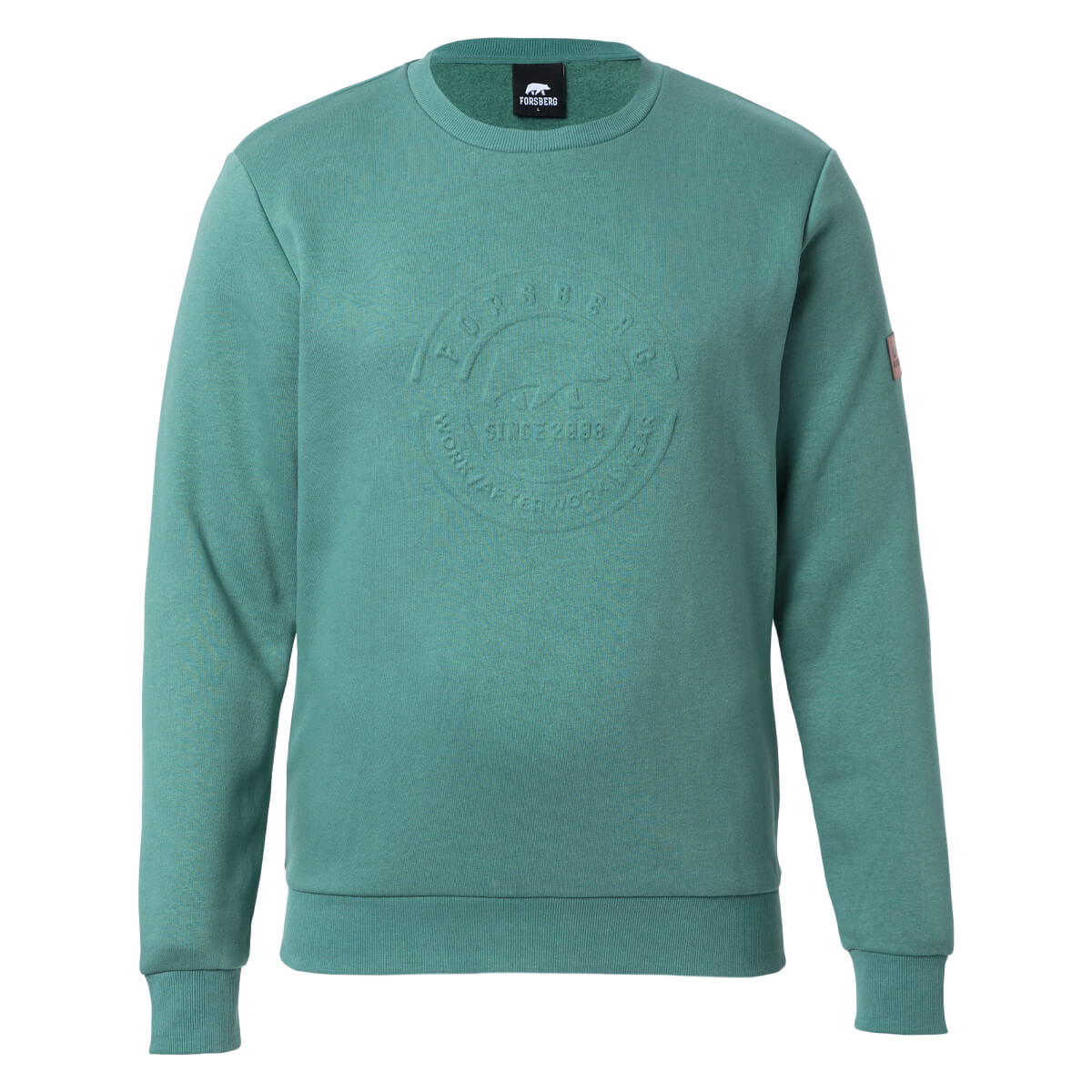
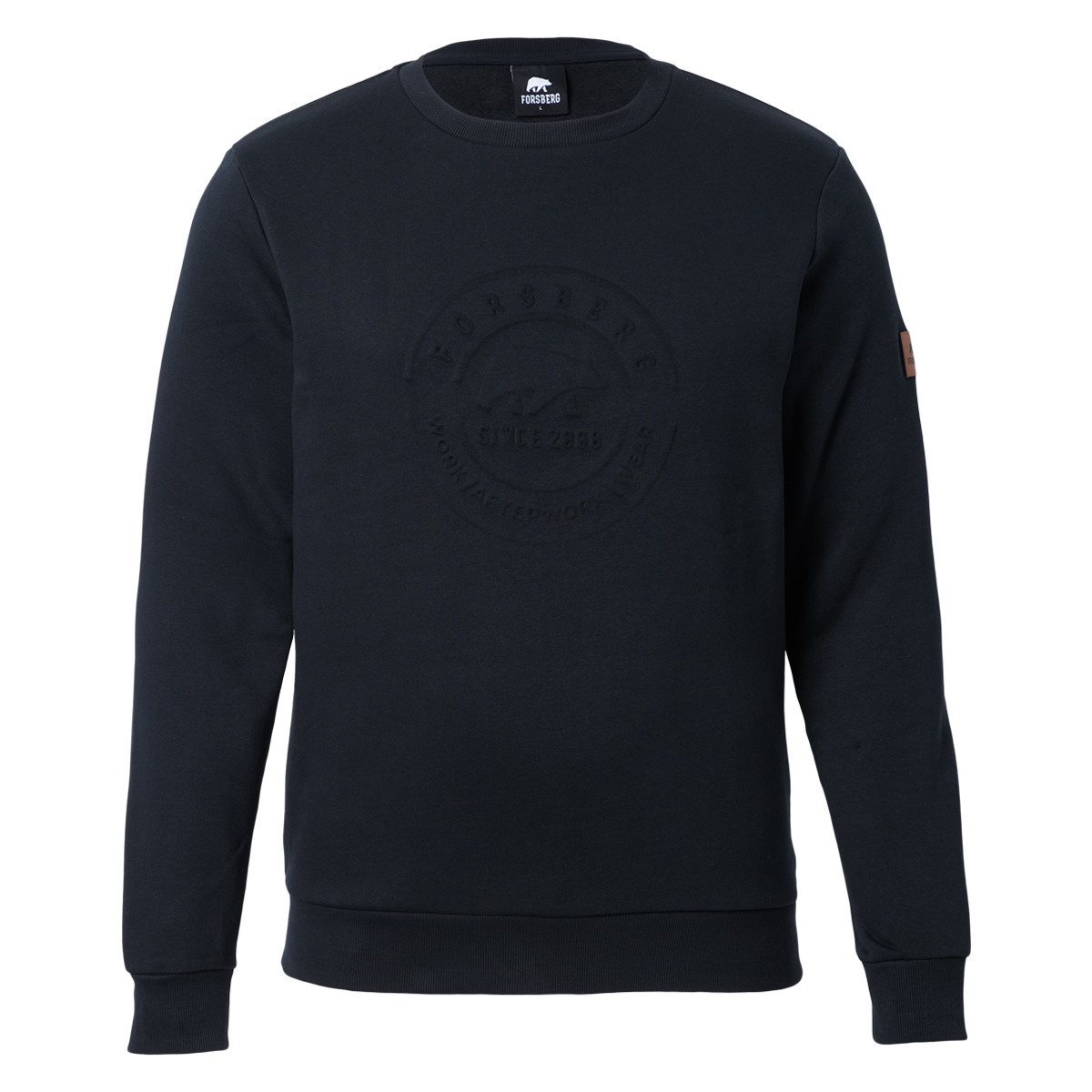



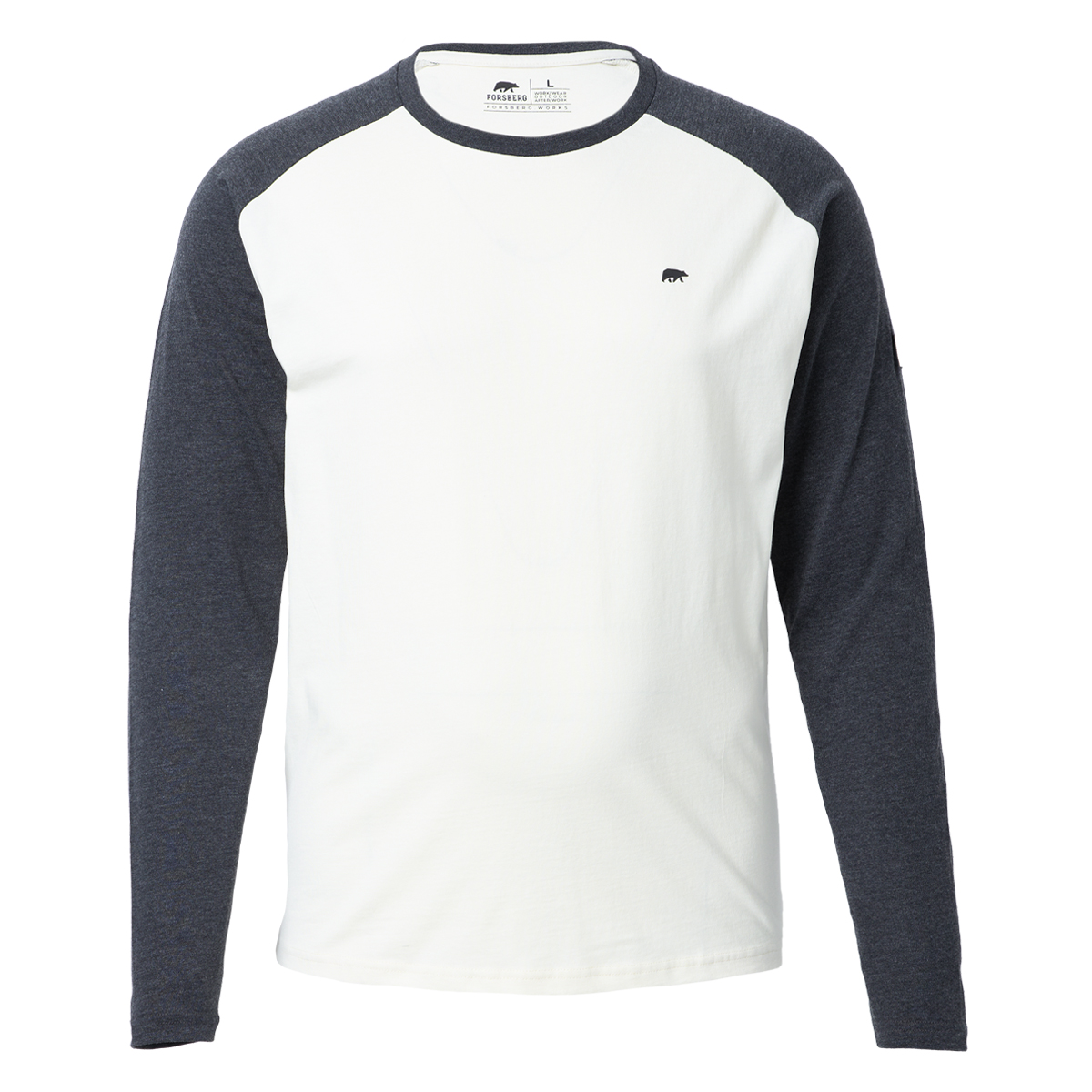
Sweatshirts – Overview & Buying Guide
Why Sweatshirts?
Sweatshirts are soft, mid-weight tops designed for comfort and freedom of movement. In a work context they combine casual styling with robust construction, making them suitable both on site and off the clock. Typical uses include workshop and warehouse work, light outdoor tasks, service jobs and everyday wear for commuting or breaks.
Target groups are craftsmen, service staff, gardeners and anyone who needs a comfortable, hard‑wearing top that can be layered. Sweatshirts perform well where ease of movement, insulating warmth and low maintenance are required.
Advantages at a glance:
- Protection: provide a thermal layer and moderate abrasion resistance in everyday work situations.
- Comfort: soft inner fleece or brushed backing for a pleasant next‑to‑skin feel.
- Durability: blended fabrics and reinforced seams reduce pilling and wear.
- Functionality: practical fits, ribbed cuffs and hems, varied sizes and colours for team or private use.
Many pieces in the current FORSBERG range are cut casually for a relaxed look, with some models offering a tailored fit for a neater silhouette. Sizes usually range from S up to 3XL or 4XL; for an oversize look choose one size up.
Which materials/technologies are relevant for sweatshirts?
Sweatshirts are most commonly made from cotton and cotton‑blend knits. Important materials and technologies include:
- Cotton / Cotton blends: natural cotton gives breathability and a comfortable hand. A standard work sweatshirt often uses a cotton‑polyester blend to balance comfort and durability. On this site you will find styles made from 60% cotton / 40% polyester — a proven practical mix for workwear.
- Polyester: increases tear and colourfastness, reduces shrinkage and speeds up drying. Blending with cotton improves robustness while keeping softness.
- Organic cotton: gentle on skin and more sustainable; used in some women’s two‑tone models.
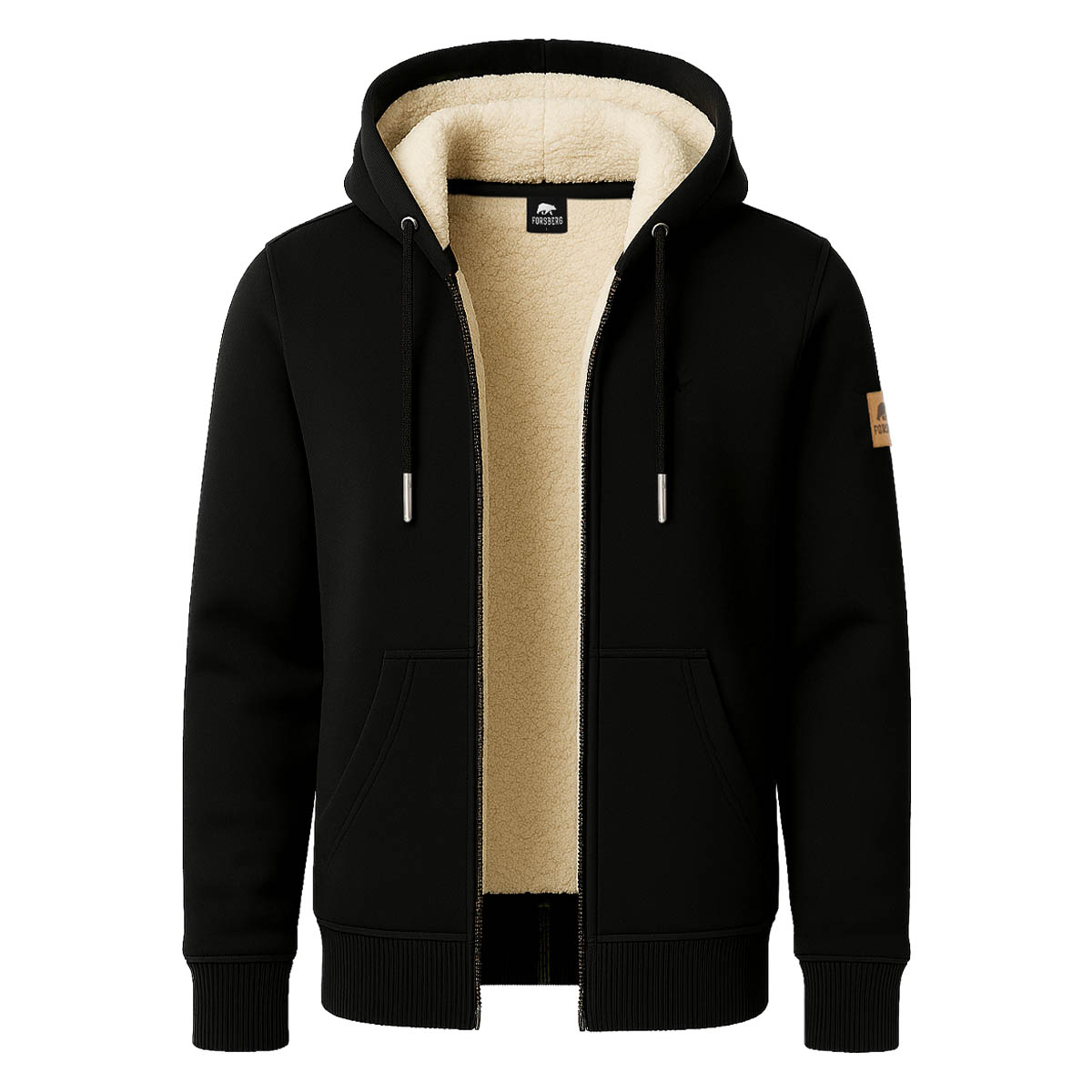
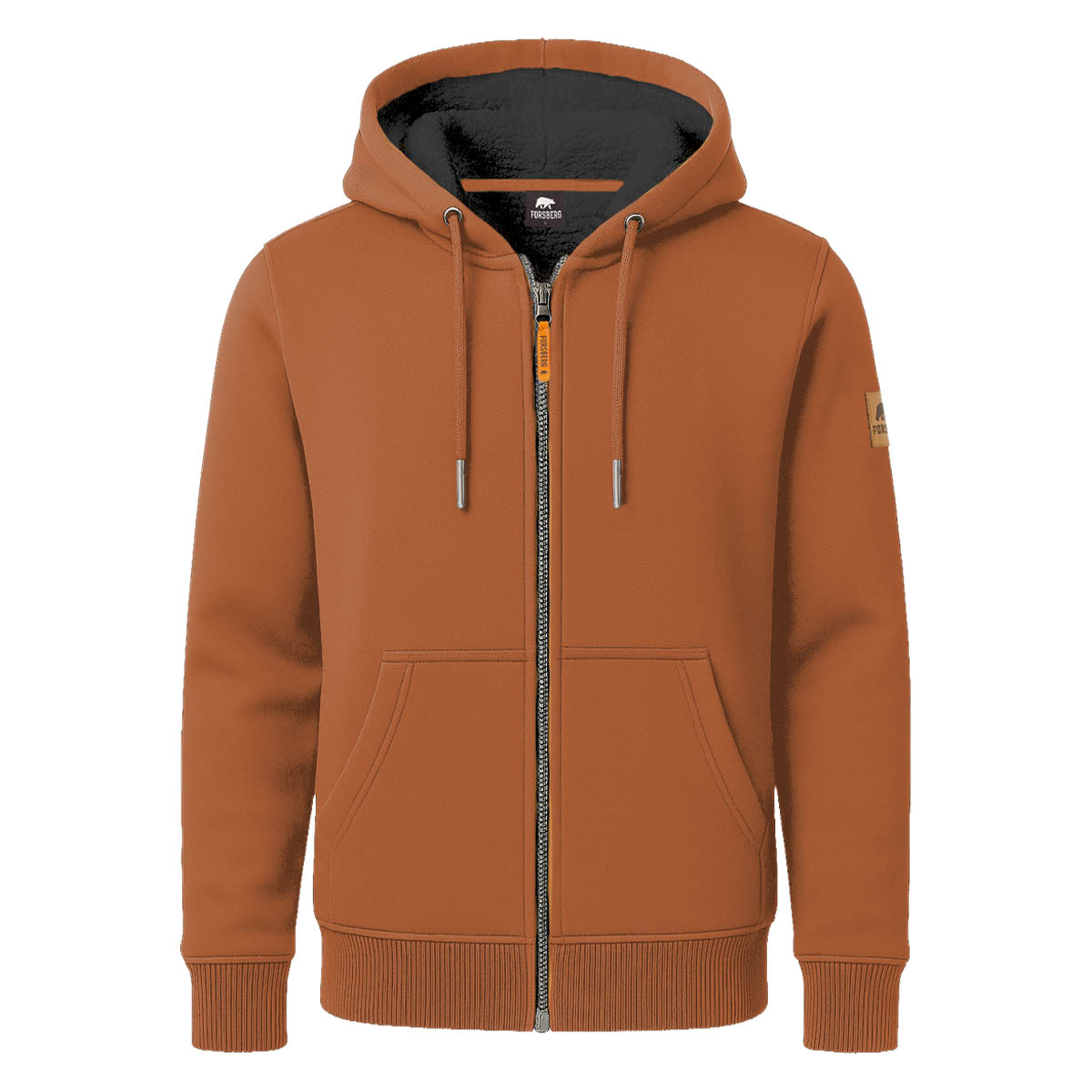
- Brushed fleece (brushed inside): many models have a soft, fleecy interior that traps heat and feels comfortable against the skin.
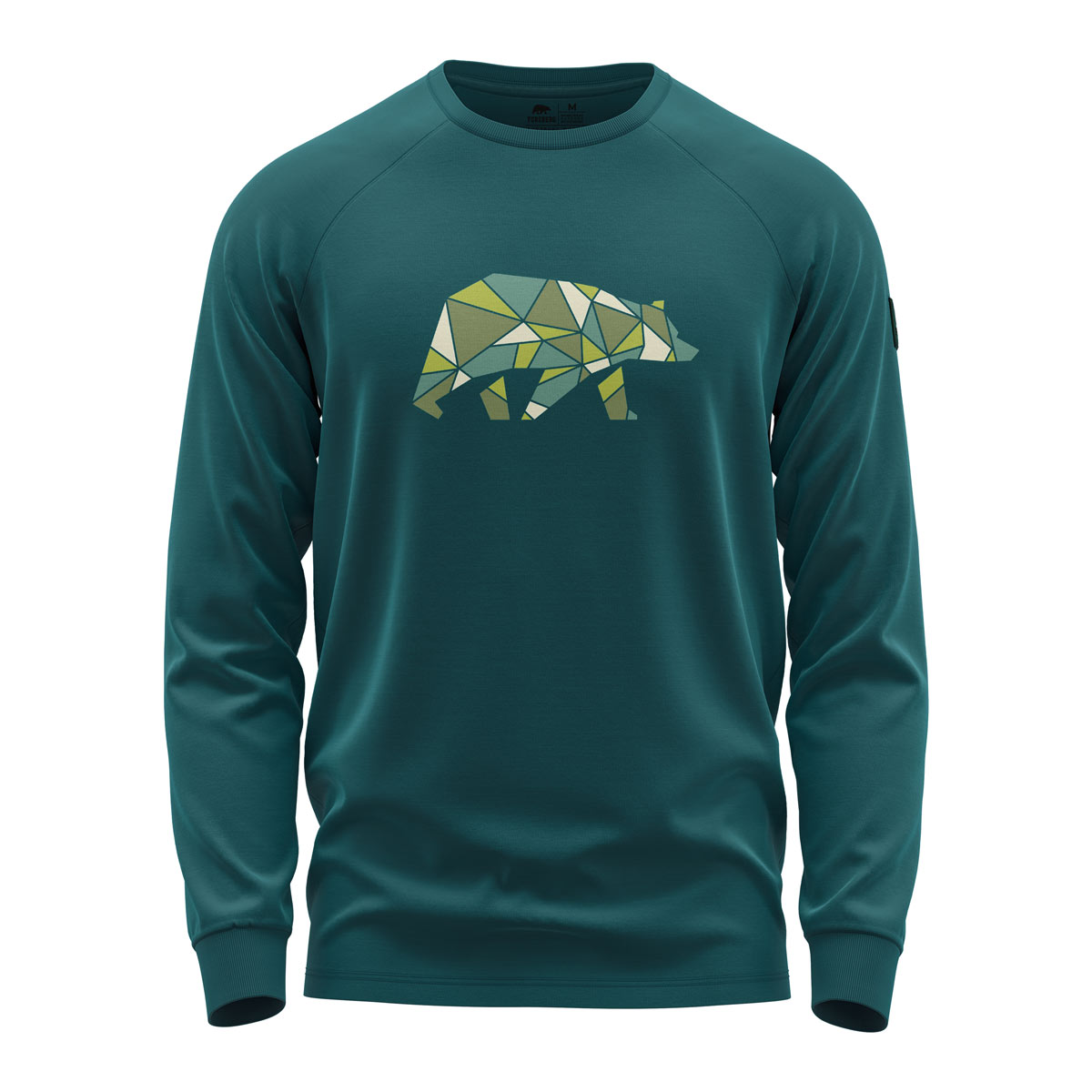
- French terry: looped knit often used for lighter sweatshirts and long sleeves; it breathes well and dries relatively quickly.
Examples from the assortment:
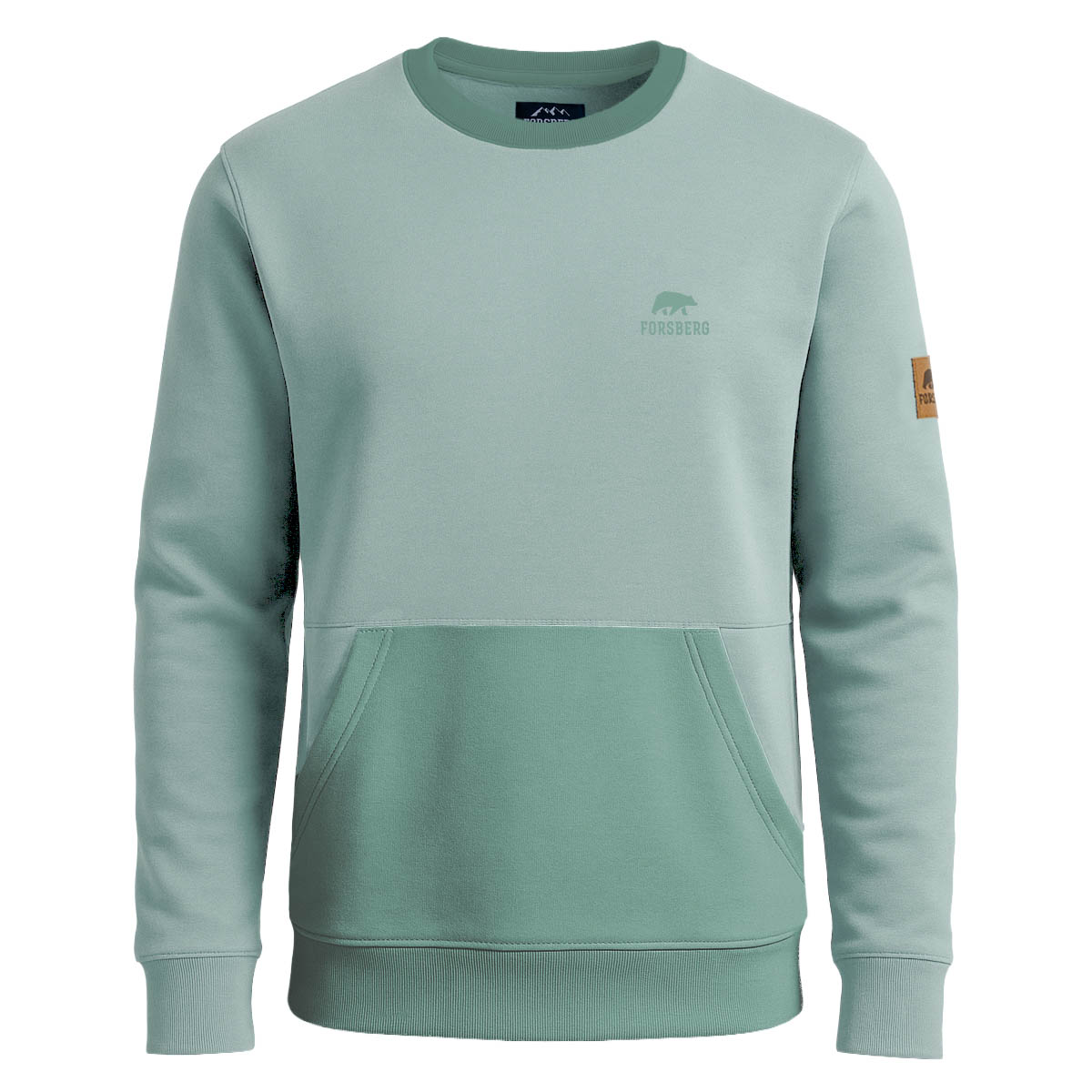
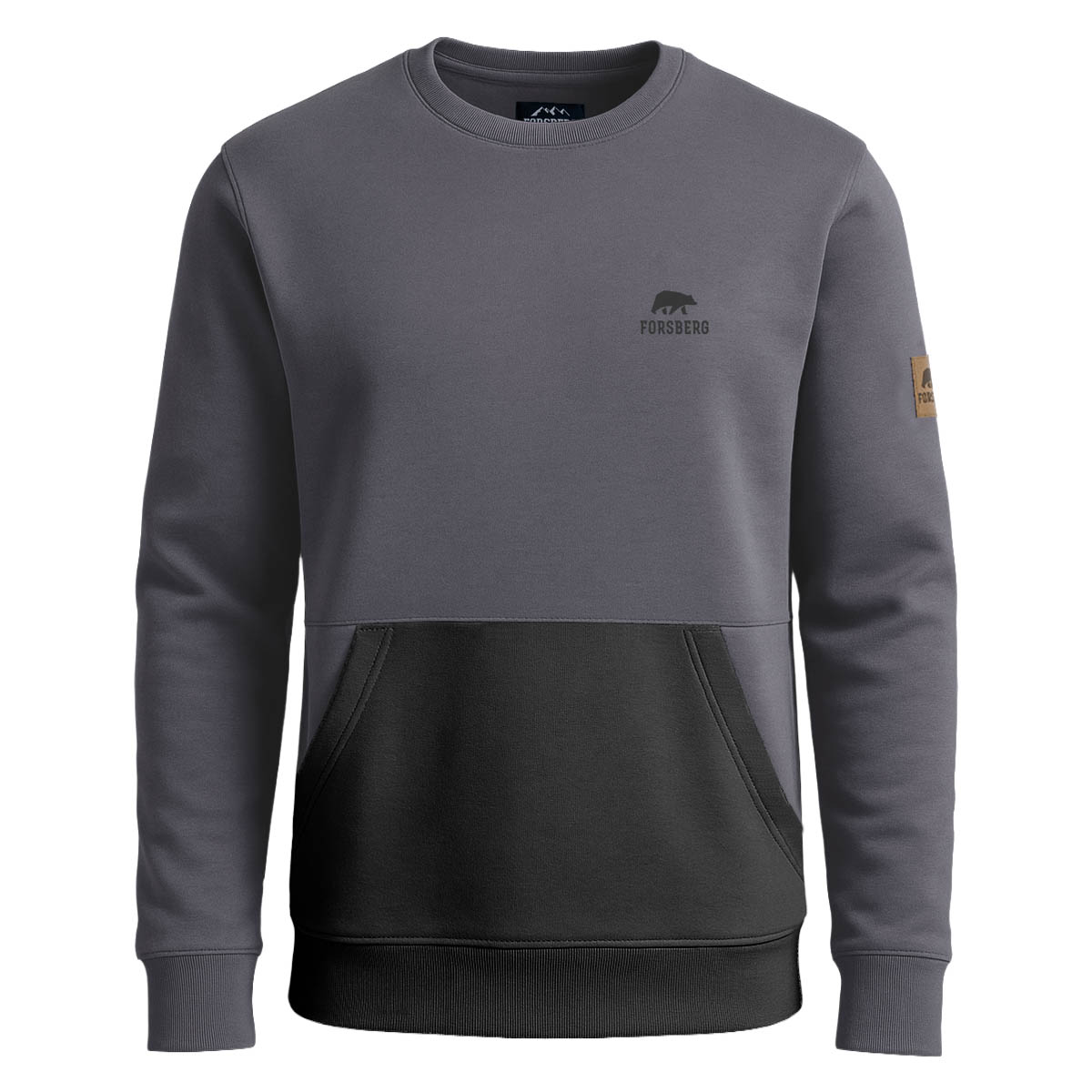
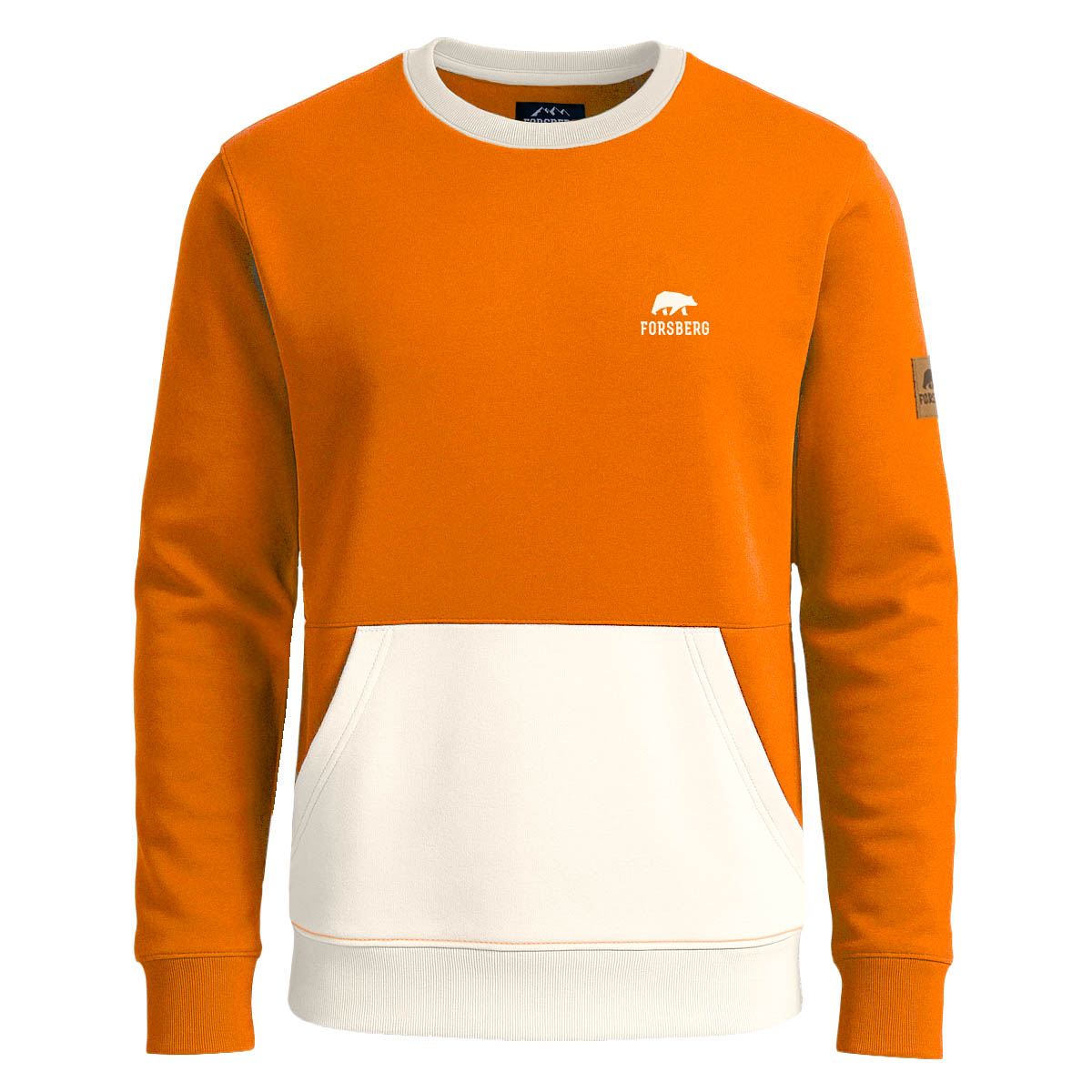
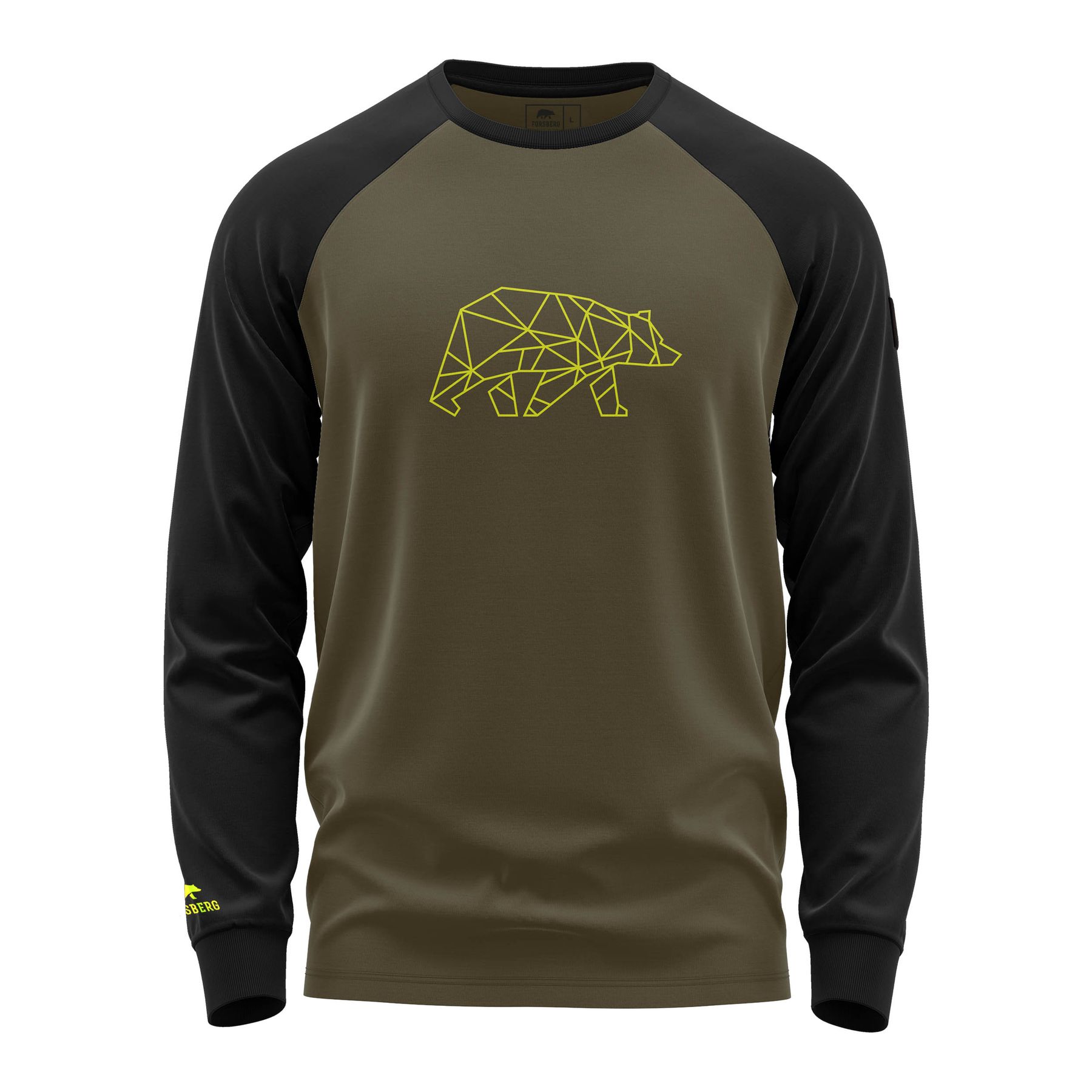
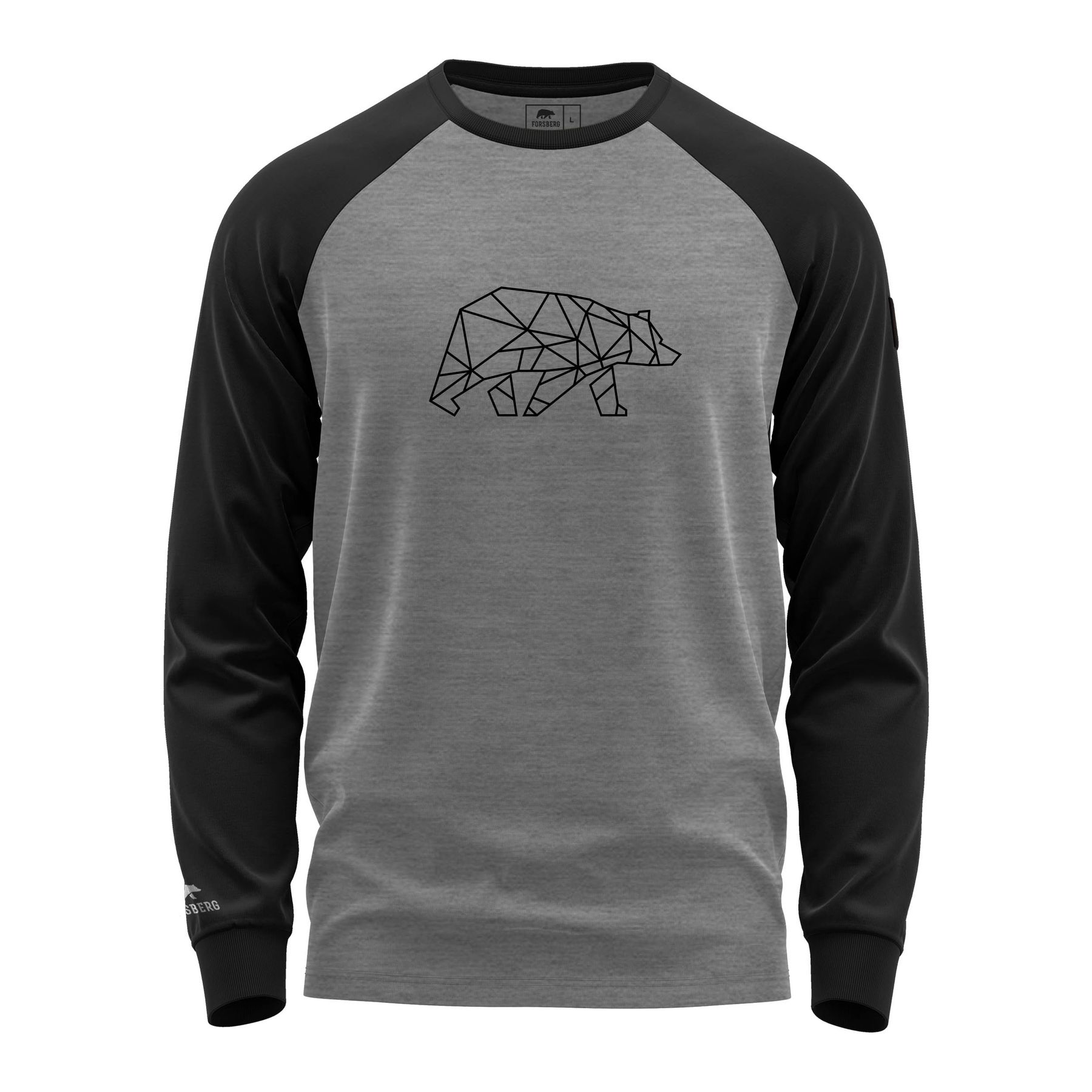
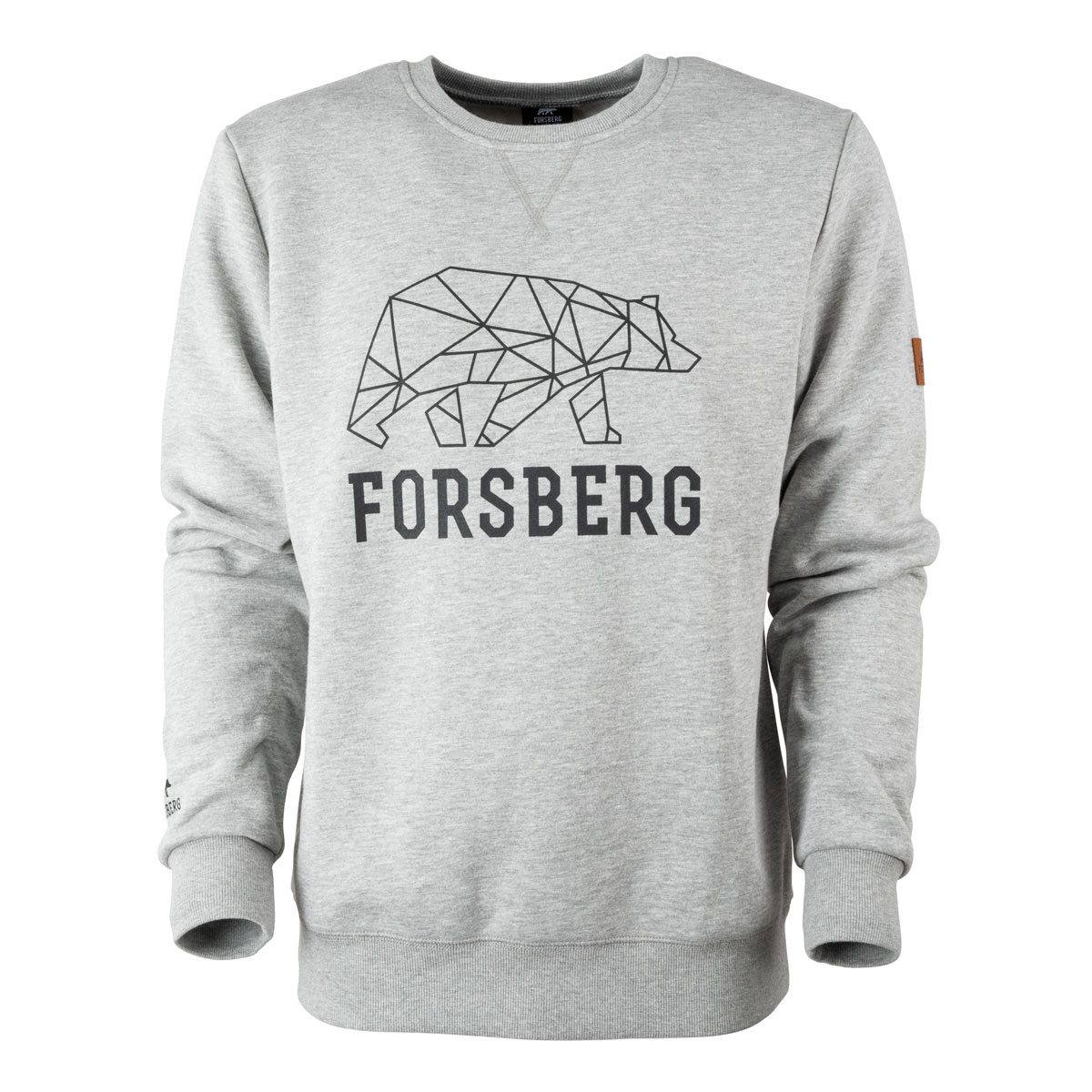
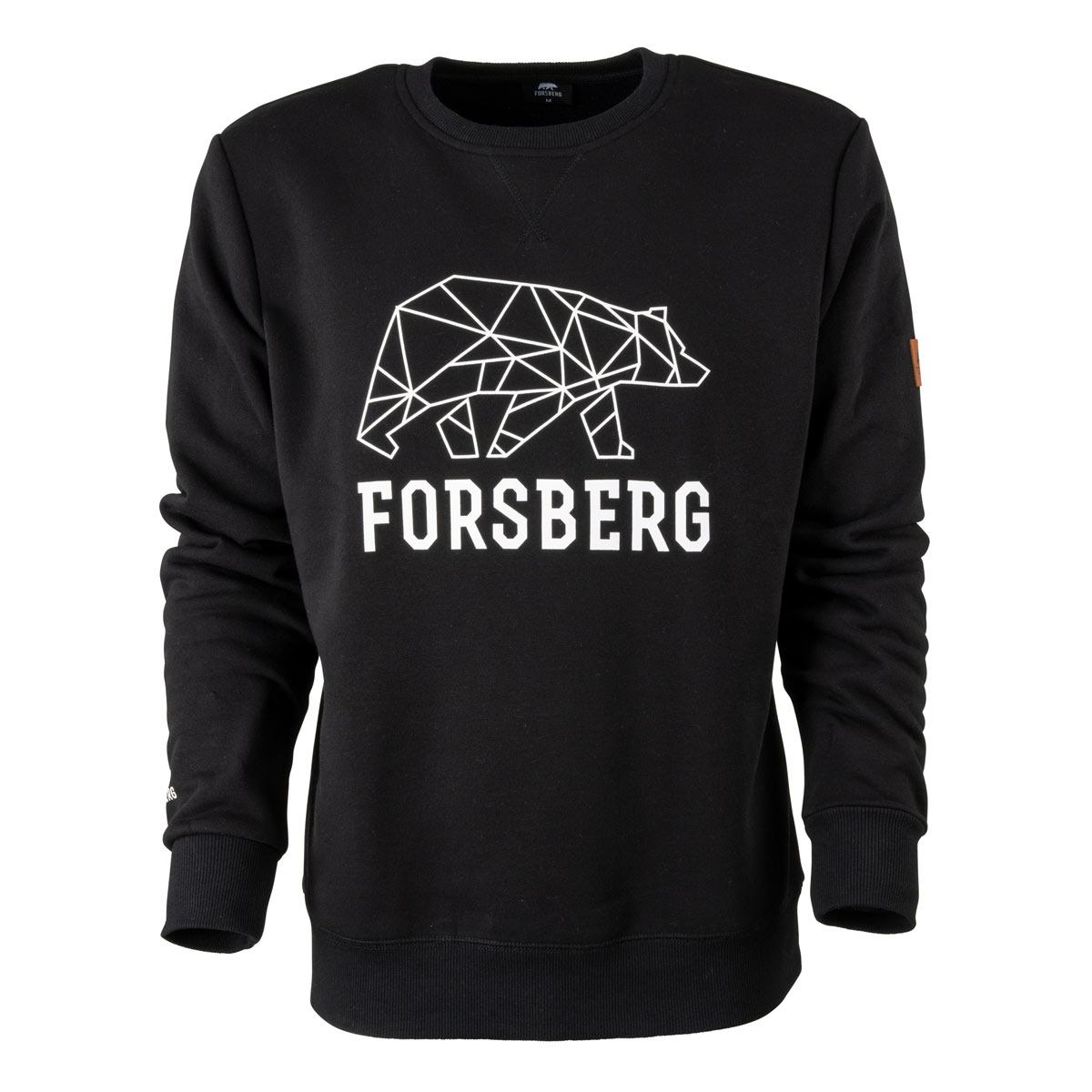
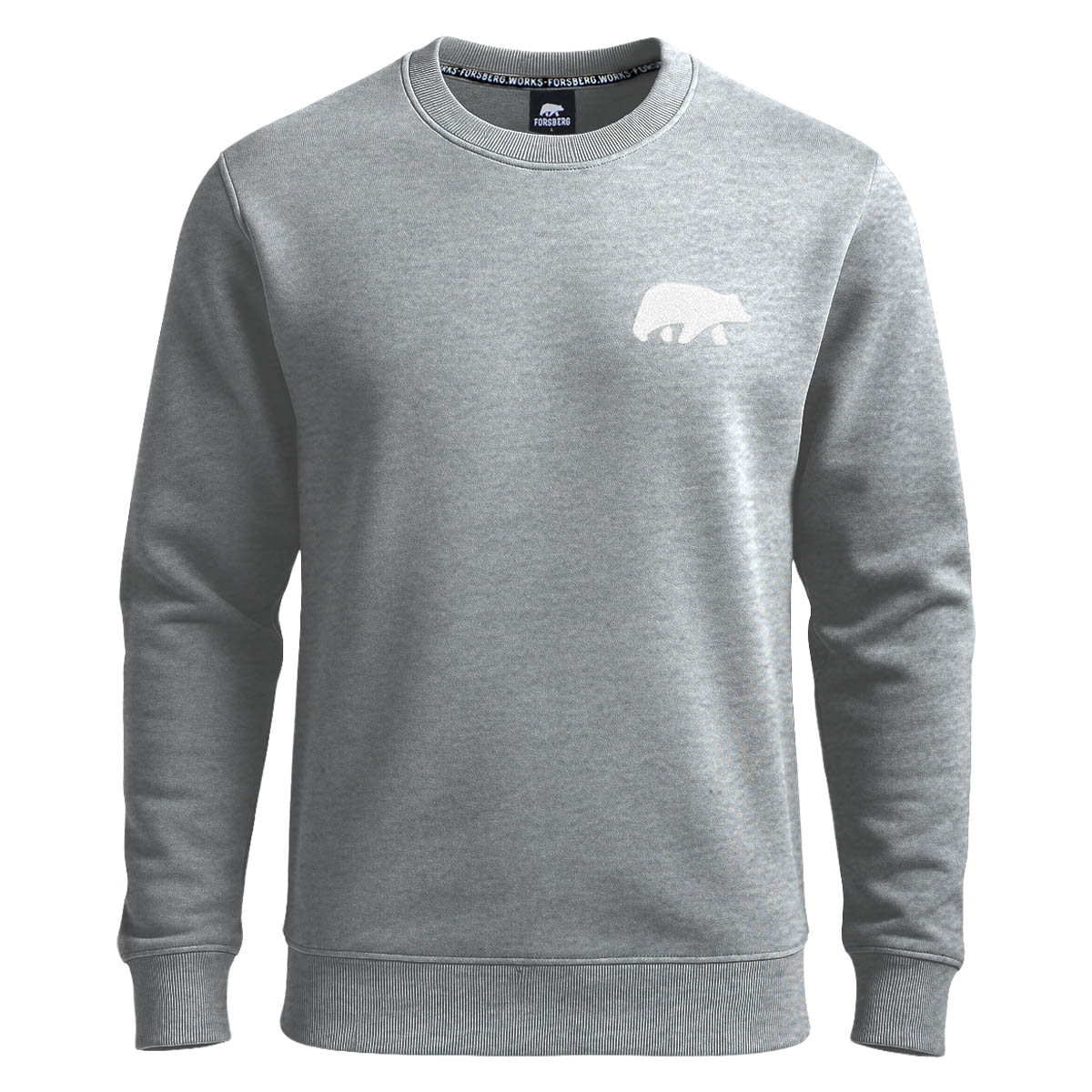
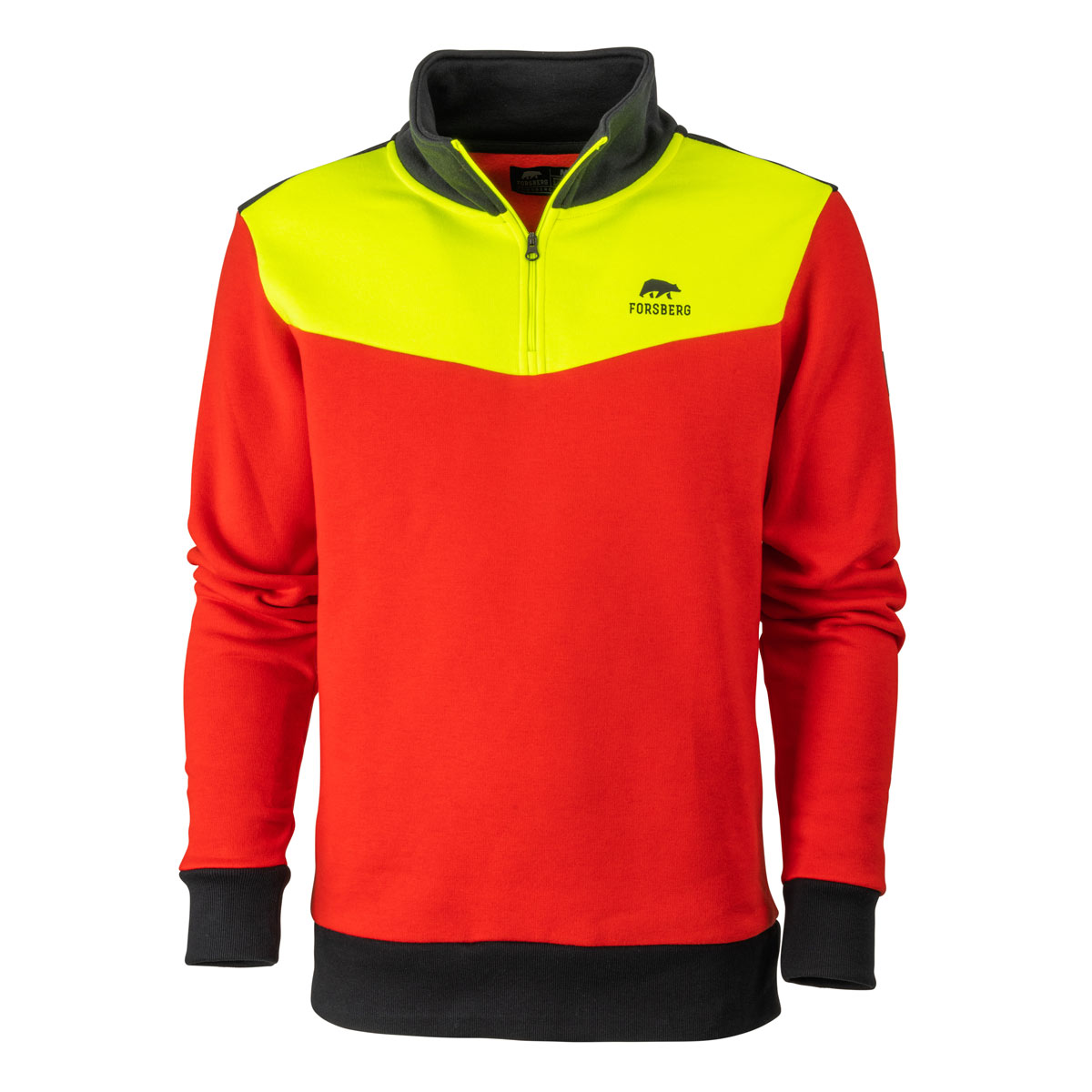
- FORSBERG™ Bertson logo sweatshirt — heavier feel, cosy brushed inside, classic crewneck with logo print; robust for everyday work and leisure.
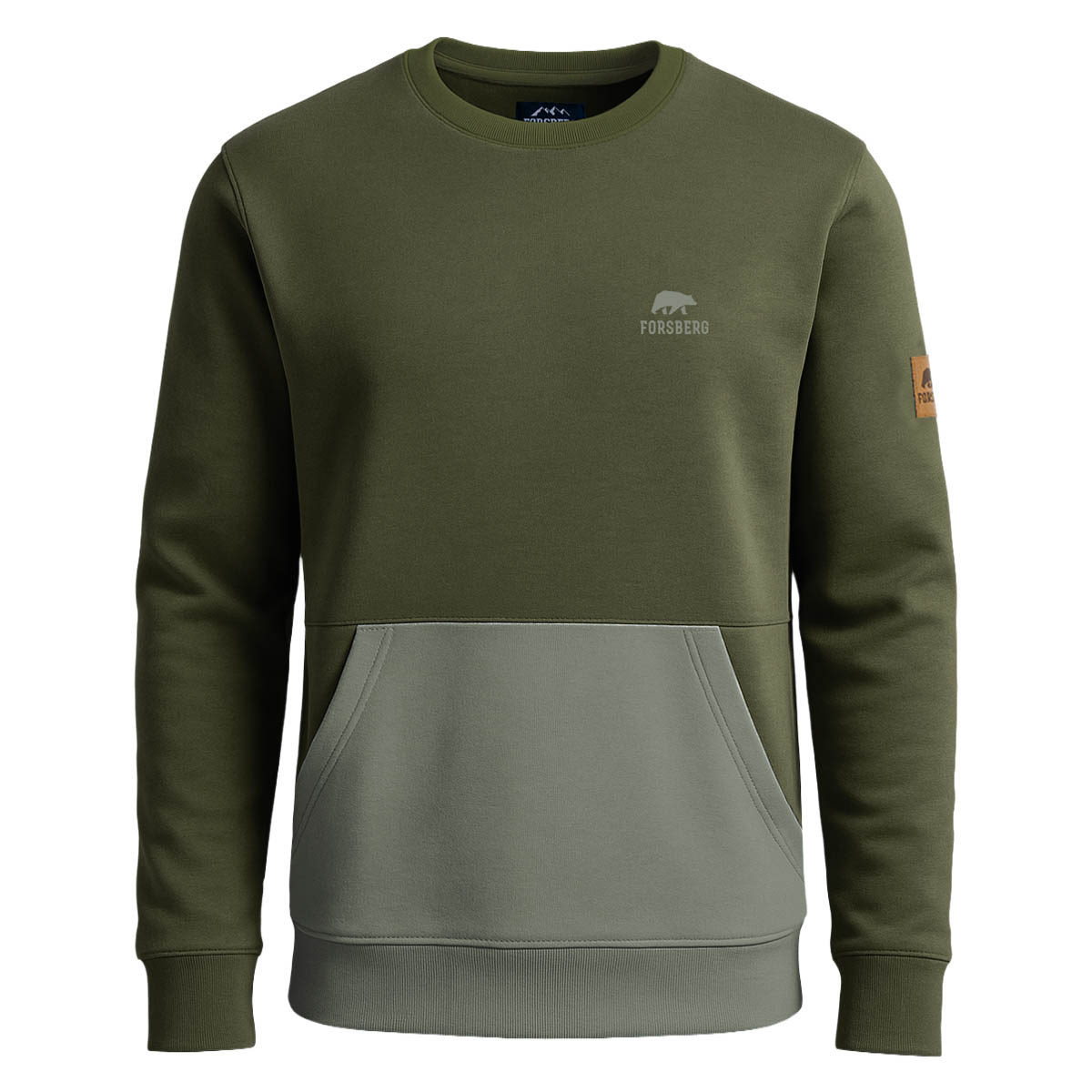
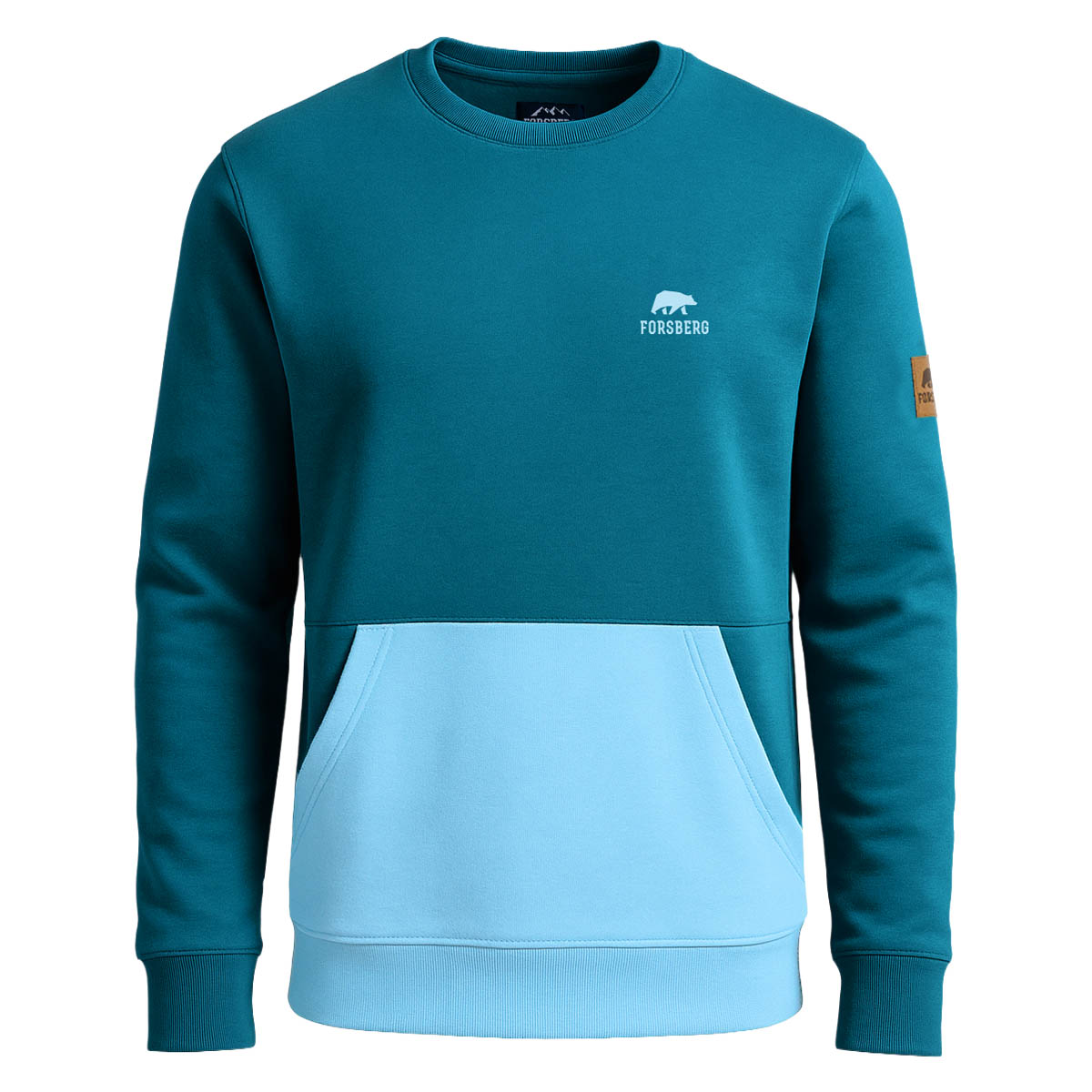
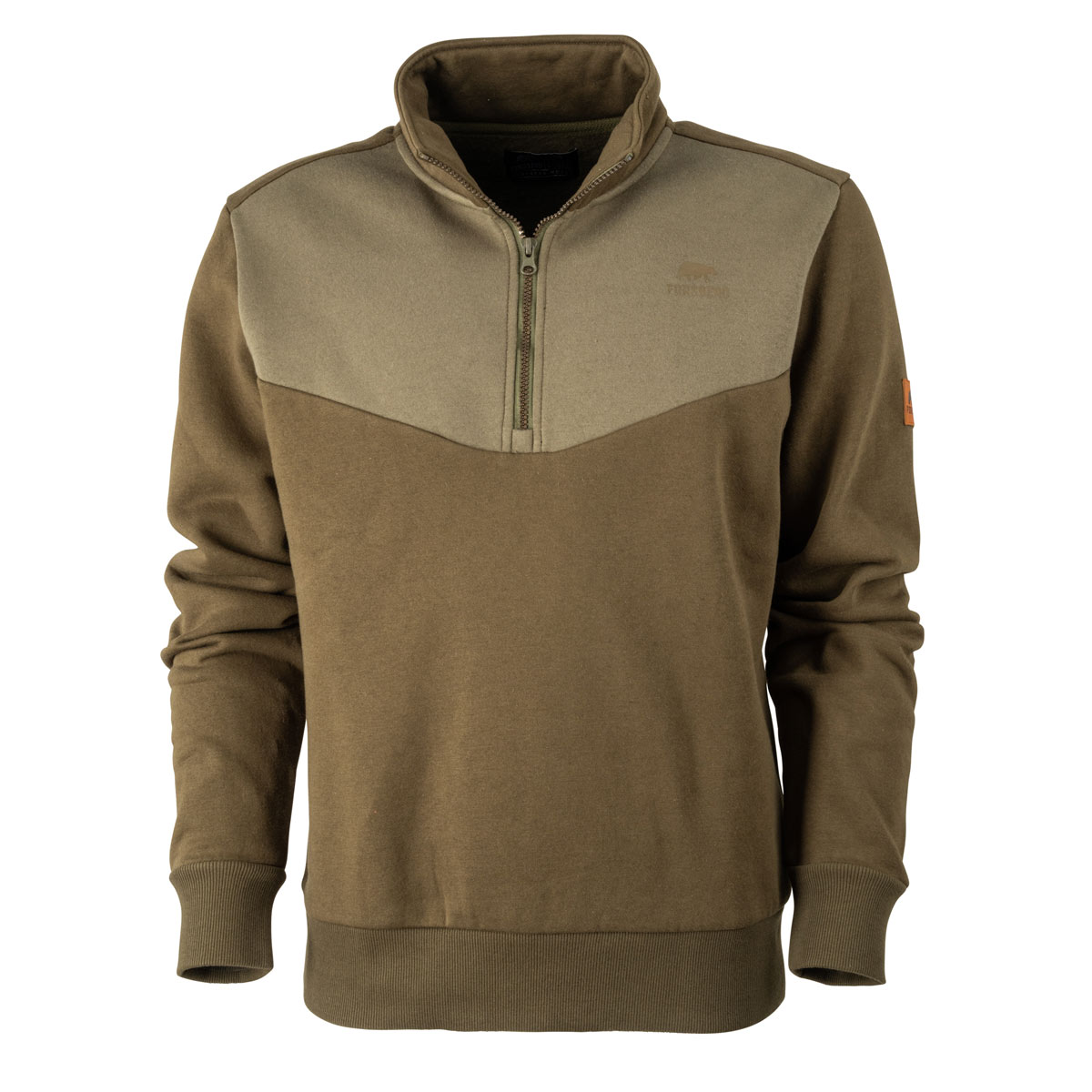
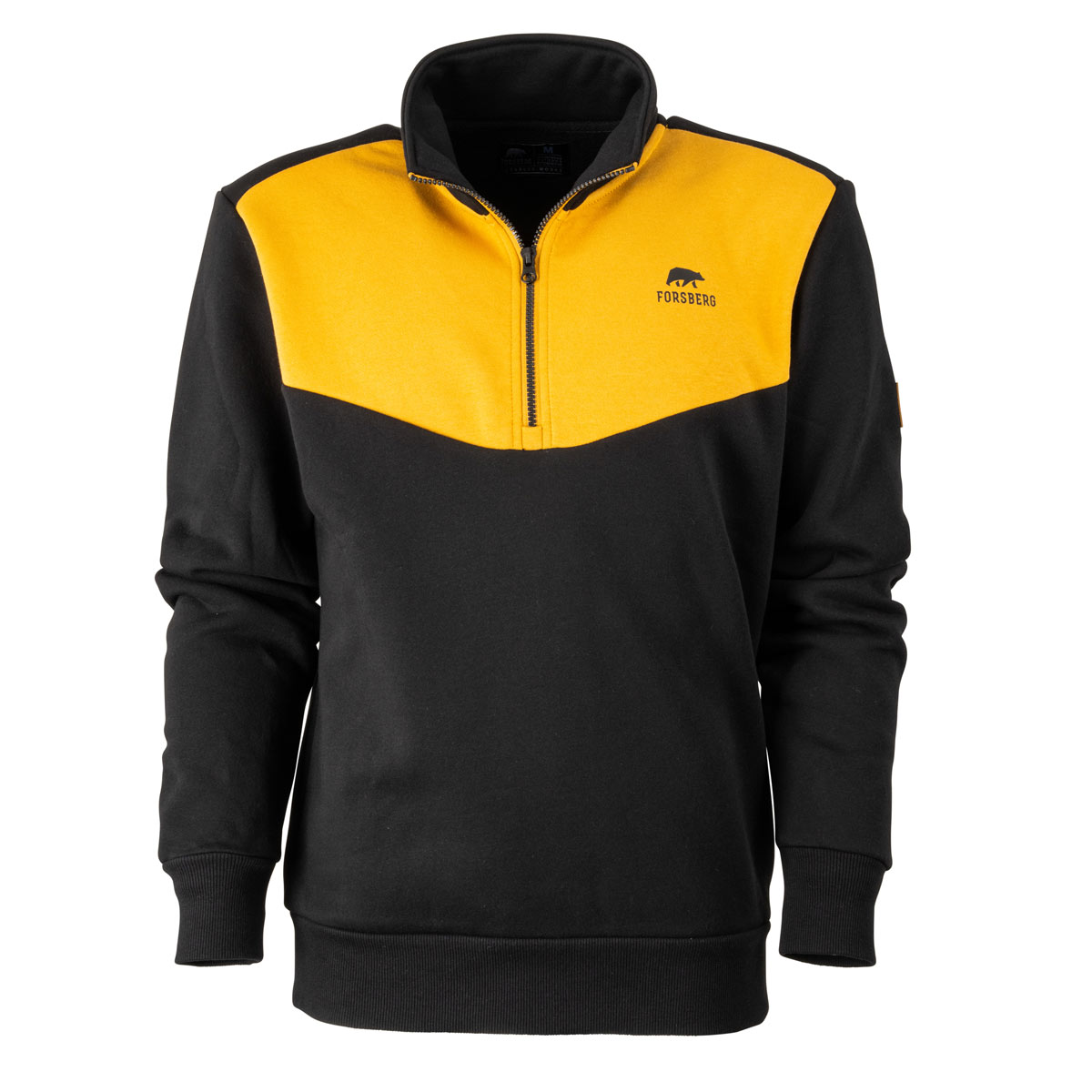
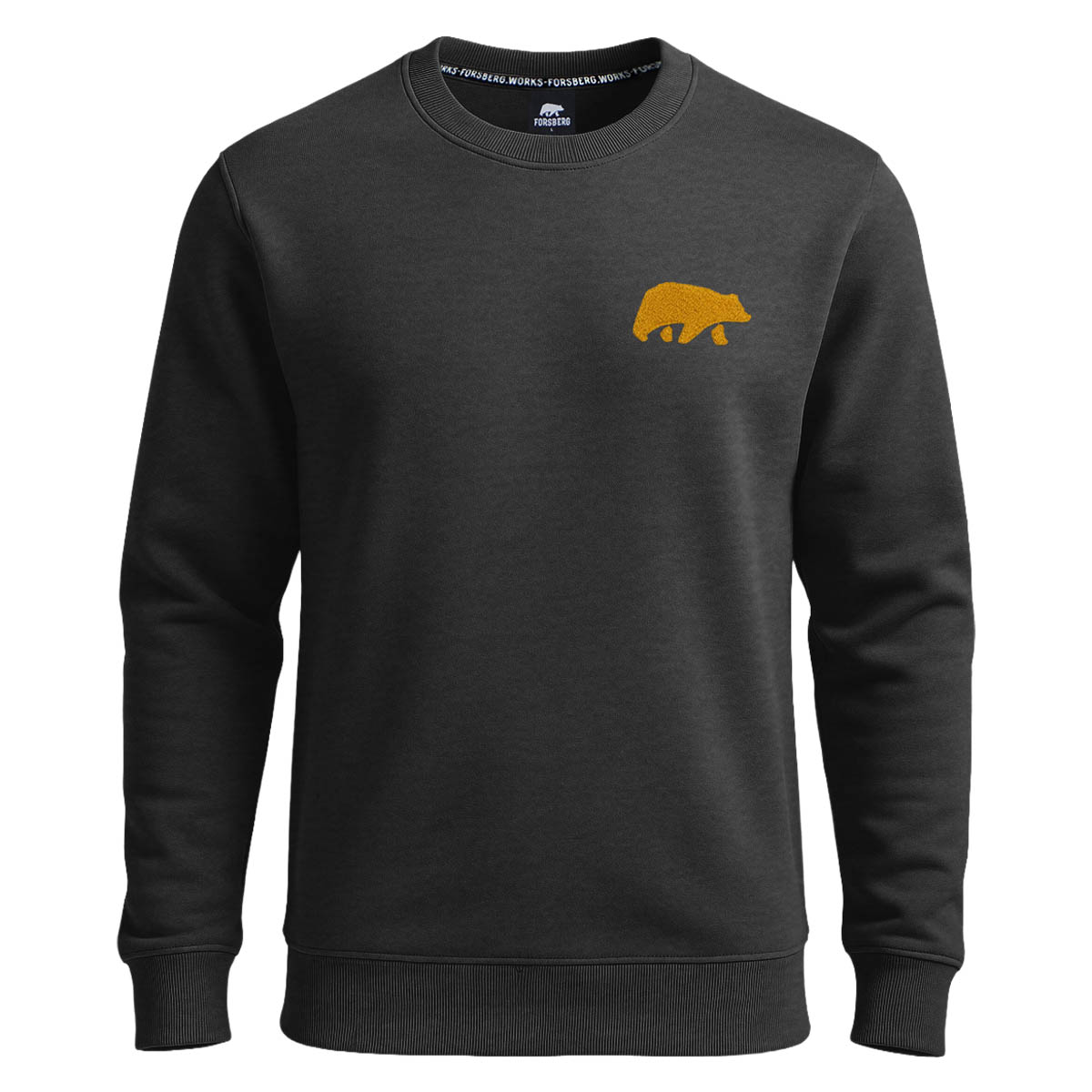
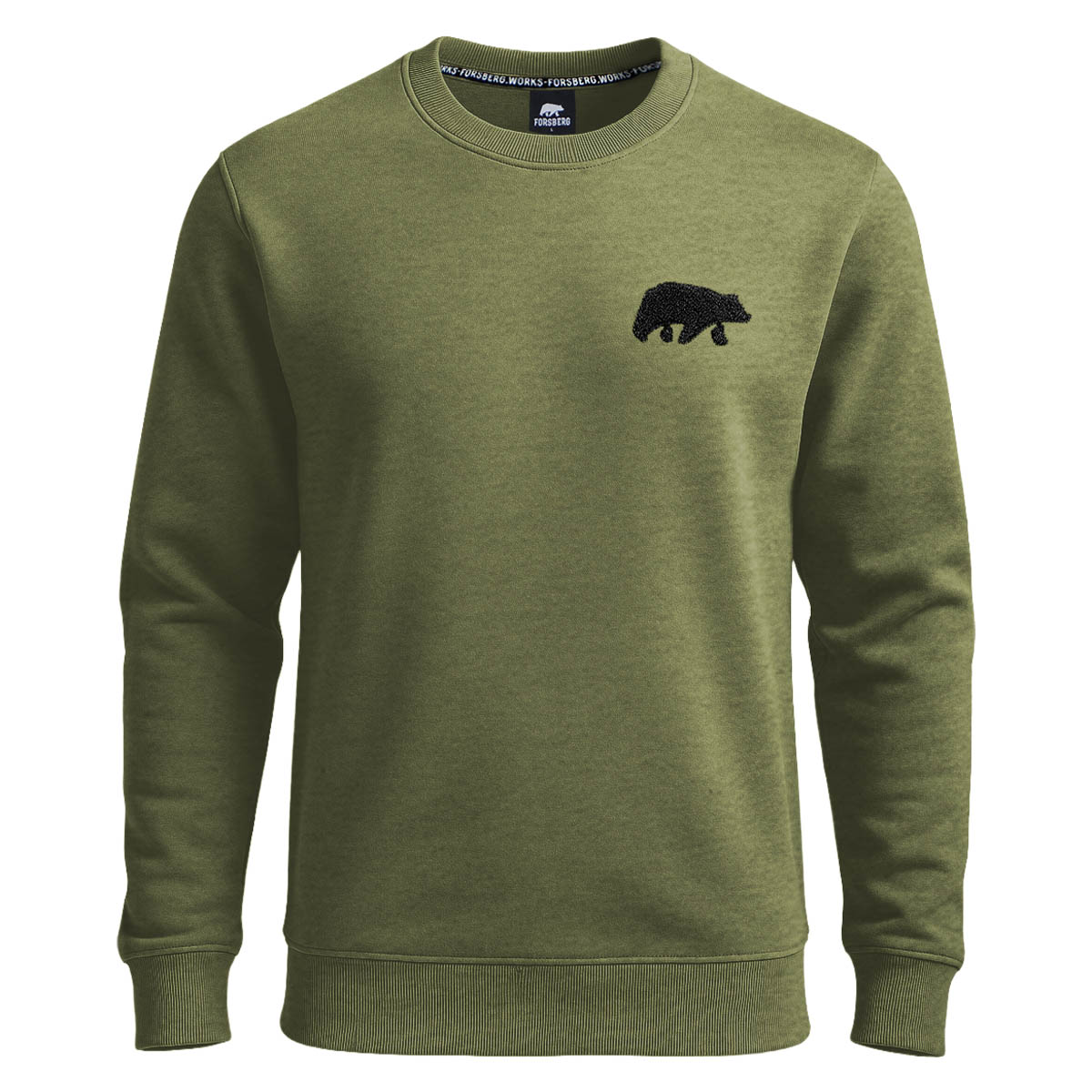
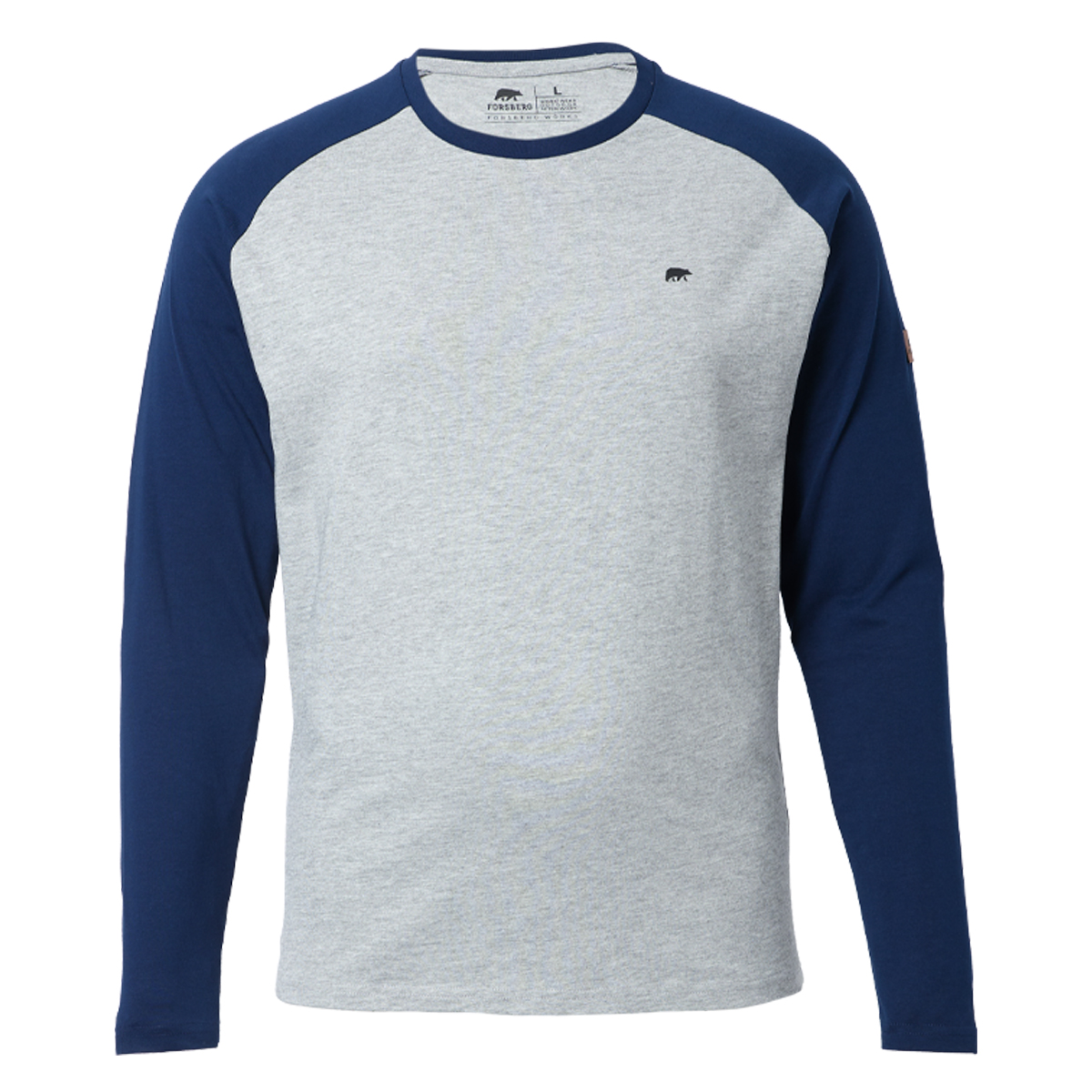
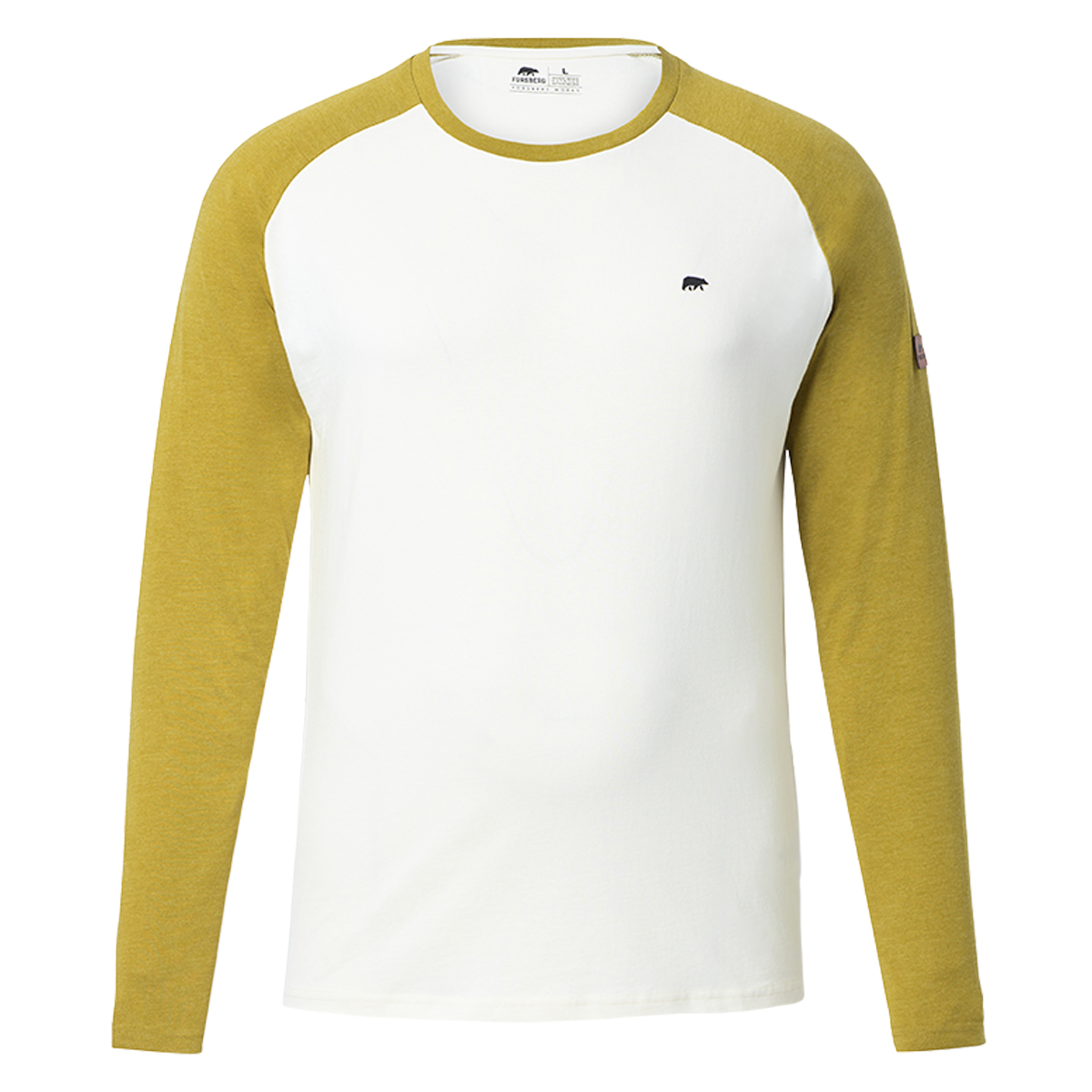
- FORSBERG™ Tureson / Alvarson sweatshirts — offer varied colourways (olive, black, blue, mint) and modern two‑tone designs; some are slightly oversized for a relaxed fit.
Construction notes:
- Ribbed cuffs and hems keep the garment in place during movement.
- Reinforced seams at high stress points extend lifetime.
- Treatments: some sweatshirts may carry stain‑resistant or easy‑care finishes. Where weather protection is required, consider layering with a wind‑ or water‑resistant jacket rather than relying on a sweatshirt coating.
2‑layer or 3‑layer constructions are generally relevant to outer shells and jackets rather than classic sweatshirts. For sweatshirts the focus is on knit structure and lining rather than membrane technology.
How do I care for and maintain sweatshirts correctly?
Follow these steps to keep a sweatshirt looking and performing well:
- Preparation
- Close zips and turn the garment inside out to protect prints and prevent pilling.
- Remove loose dirt and crumbs with a soft brush or shake out before washing.
- Washing
- Use a mild detergent suitable for coloured garments or a special wool/cotton wash for delicate blends.
- Wash at low temperatures (30–40 °C) unless the care label allows higher; colder washes preserve colour and fibres.
- Use a gentle or normal programme depending on soiling. Avoid heavy overloading of the machine to reduce abrasion.
- Impregnation / Finish
- Most sweatshirts don’t need DWR or textile impregnation—these are for outerwear. If a specialist finish has been applied (e.g. stain guard), follow the product care note.
- If you apply a textile protector, choose a PFC‑free spray and test on a seam area first.
- Drying & storage
- Air‑dry flat or on a hanger in a well‑ventilated place away from direct heat or sunlight to avoid shrinking and fading.
- Tumble dry only if the care label permits; low heat can slightly restore DWR finishes but is usually unnecessary for sweatshirts.
- Store folded or on a wide hanger; long term, keep garments in a dry closet away from damp and pests.
- Repair options
- Small holes or worn areas can be patched from the inside with matching fabric or iron‑on patches.
- Stretched cuffs can sometimes be taken in by a tailor or by resewing the ribbing.
- Replace damaged zippers (for zip sweatshirts) with a seamstress or by using repair kits.
Practical tips from specialist retailers:
- Check each garment’s care label; FORSBERG items often have blend‑specific instructions.
- Turn printed or logo sweatshirts inside out; this significantly lowers the risk of print cracking.
- For mixed fibre blends (cotton/polyester) avoid fabric softeners, which can reduce moisture transport and make the fabric feel less soft over time.
Use case examples
Example: A gardener on a cool spring morning
- The gardener wears a medium‑weight FORSBERG sweatshirt in olive over a breathable base layer. The brushed inside keeps the core warm while the cotton‑polyester mix resists light abrasion from moving branches and tools. If it gets sunny and warm, a zip fleece or light jacket worn over the sweatshirt can be opened quickly — the sweatshirt remains comfortable for the whole morning and washes easily after a muddy afternoon.
Why this benefits the user:
- Flexibility: easy to layer for changing weather.
- Comfort: soft inner lining prevents chafing during long work periods.
- Practicality: robust blend washes well and holds colour after repeated use.
Frequently Asked Questions (FAQ)
Q: What fabric mix is best for work sweatshirts? A: A cotton‑polyester blend (for example 60/40) is a pragmatic choice: cotton gives comfort, polyester adds durability and faster drying. For a maximum natural feel, choose organic cotton, but expect a bit more wear compared with blends.
Q: Can I wear a sweatshirt as outerwear in wet weather? A: Sweatshirts are not waterproof. For wet or windy conditions, use a waterproof or windproof jacket as an outer layer and reserve the sweatshirt as an insulating mid layer.
Q: How do I avoid pilling on my sweatshirt? A: Turn the garment inside out before washing, use a gentle programme, avoid overloading the machine and wash similar fabrics together. If pilling occurs, use a fabric shaver carefully.
Q: What size should I choose for an oversize look? A: If you want an oversized fit, choose one size larger than your usual size. Check the product size charts provided on each item page for exact measurements.
Q: Are FORSBERG sweatshirts suitable for logo printing or team clothing? A: Yes. Many products carry a chest logo or offer clean surfaces suitable for additional printing. Check the specific product page for placement and material recommendations.
Q: Can I tumble dry a cotton blend sweatshirt? A: Only if the care label permits it. Generally, air‑drying is safest to avoid shrinkage and to protect prints and finishes.
Q: How do I repair a small hole near a seam? A: Reinforce the inside with a small fabric patch and stitch across the seam, or take it to a tailor for a neat repair.
Final note & internal links
For practical advice on returns and shipping see our Shipping and returns page, and for trend and styling ideas visit our Blog.
Browse our selection of sweatshirts now and find the right product for your needs.