
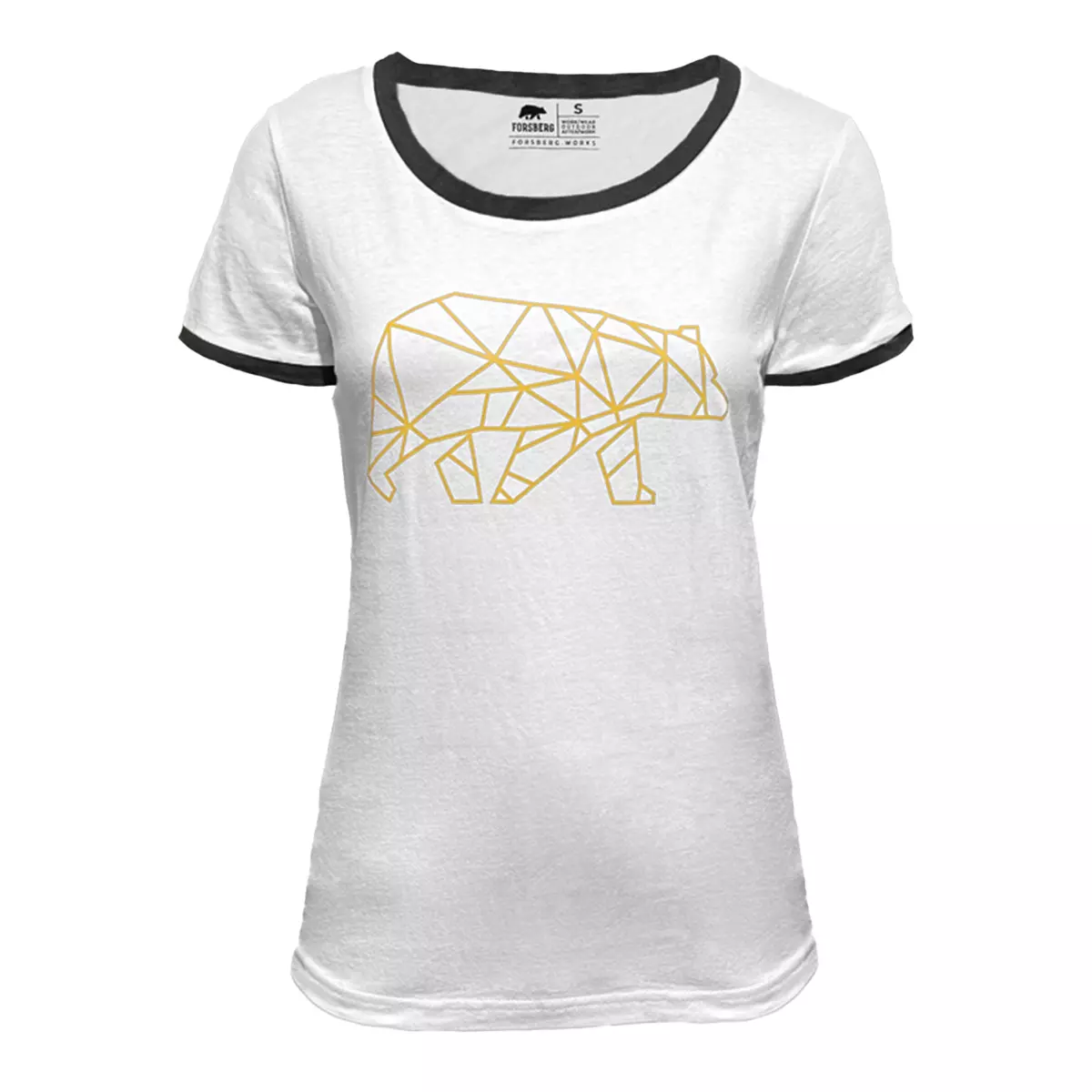

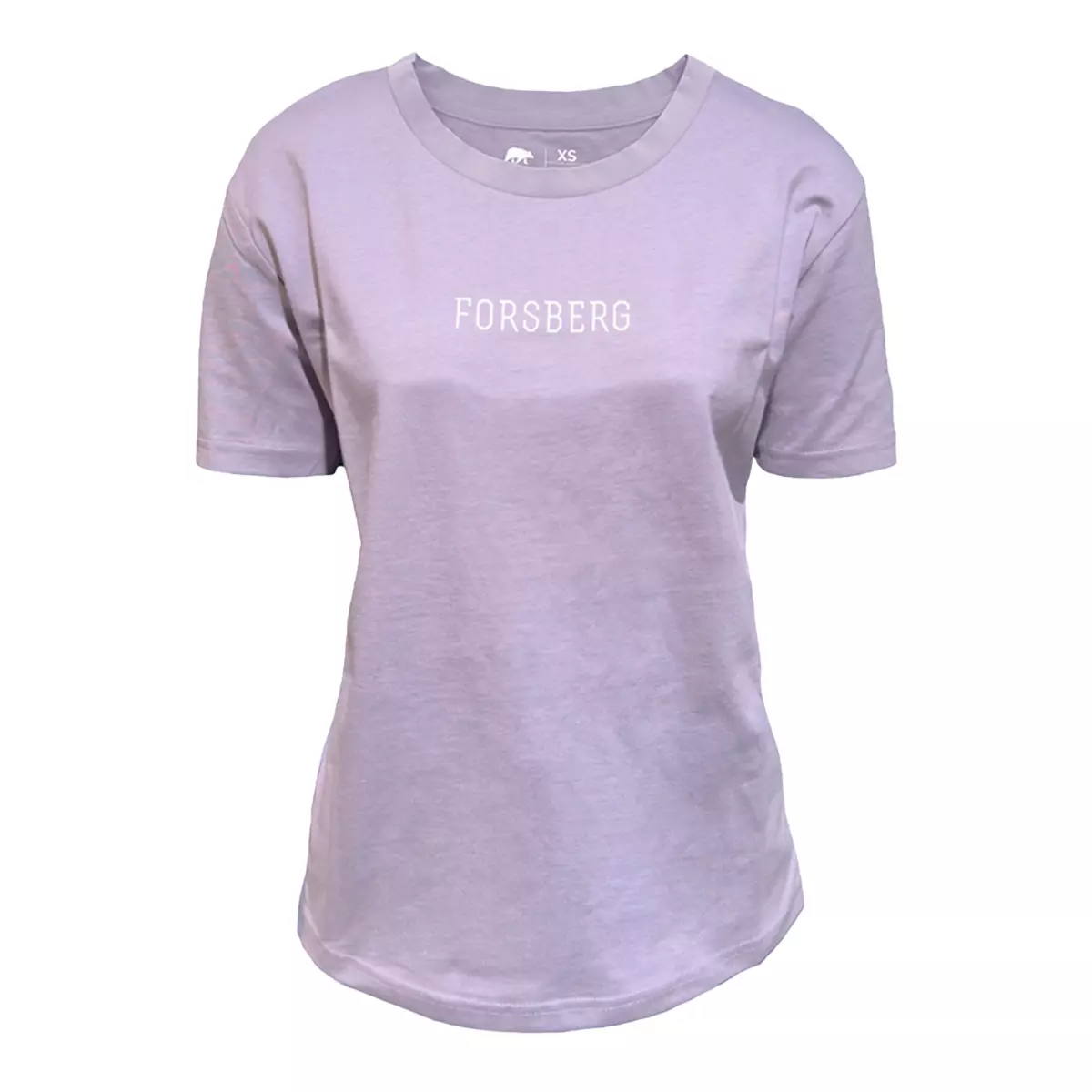


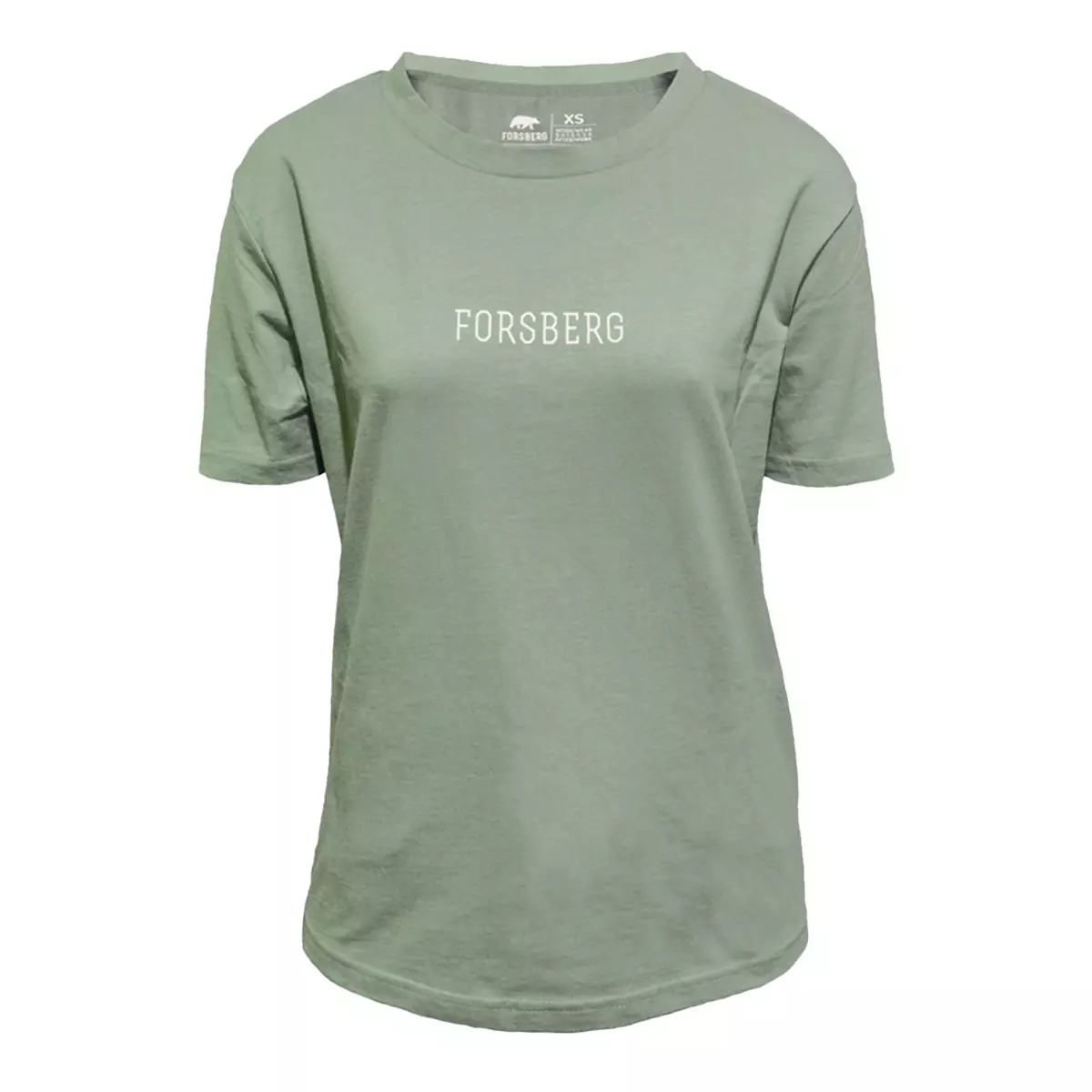
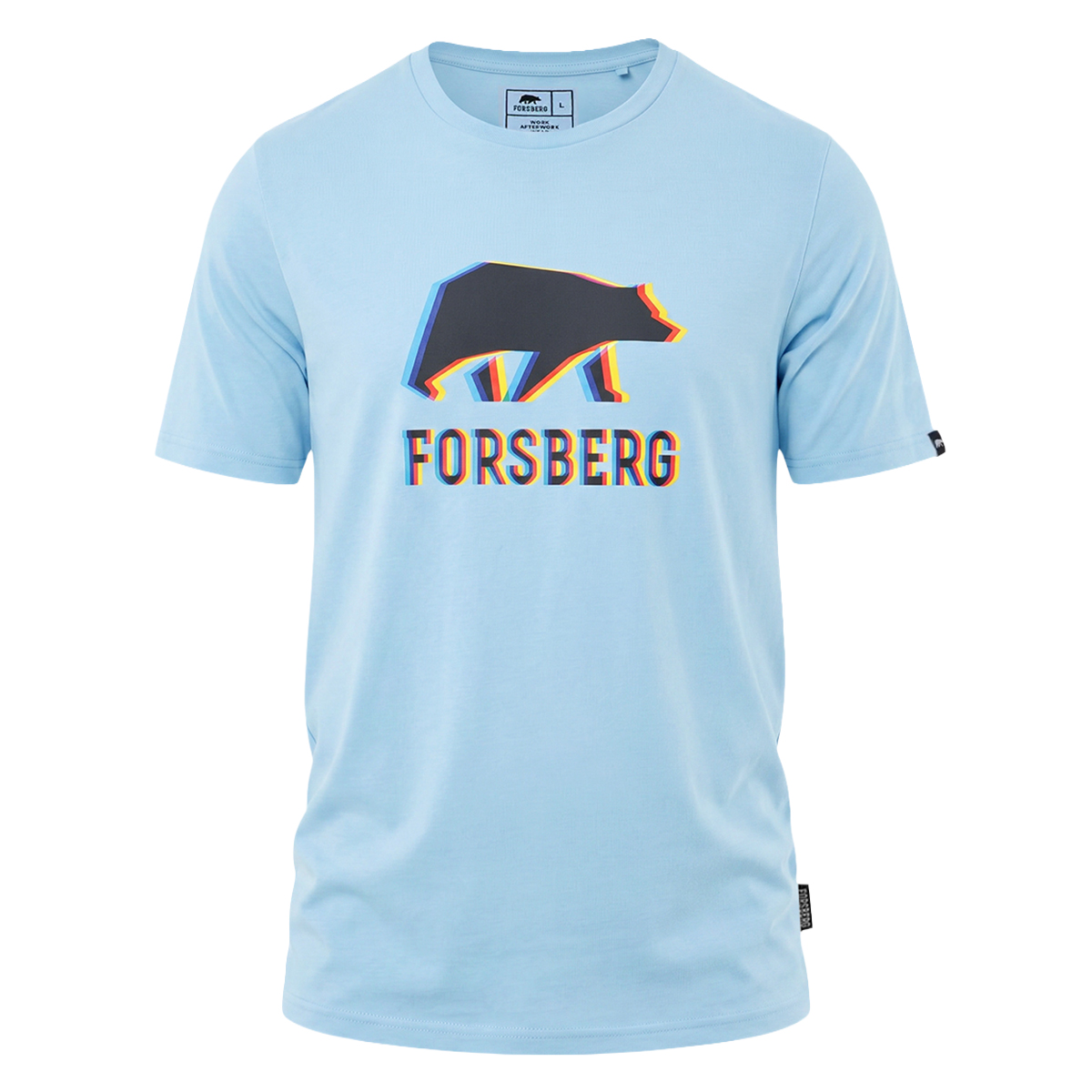

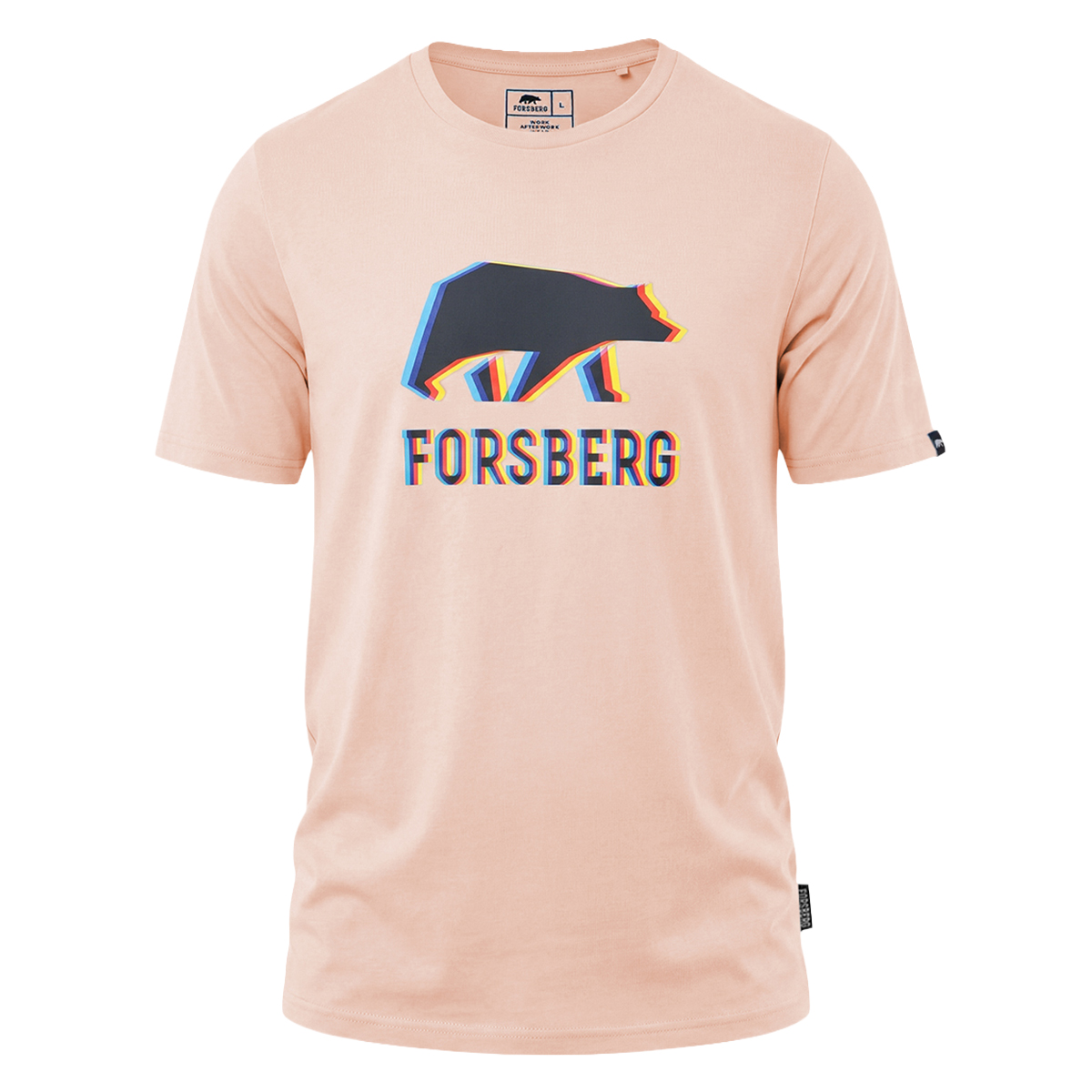

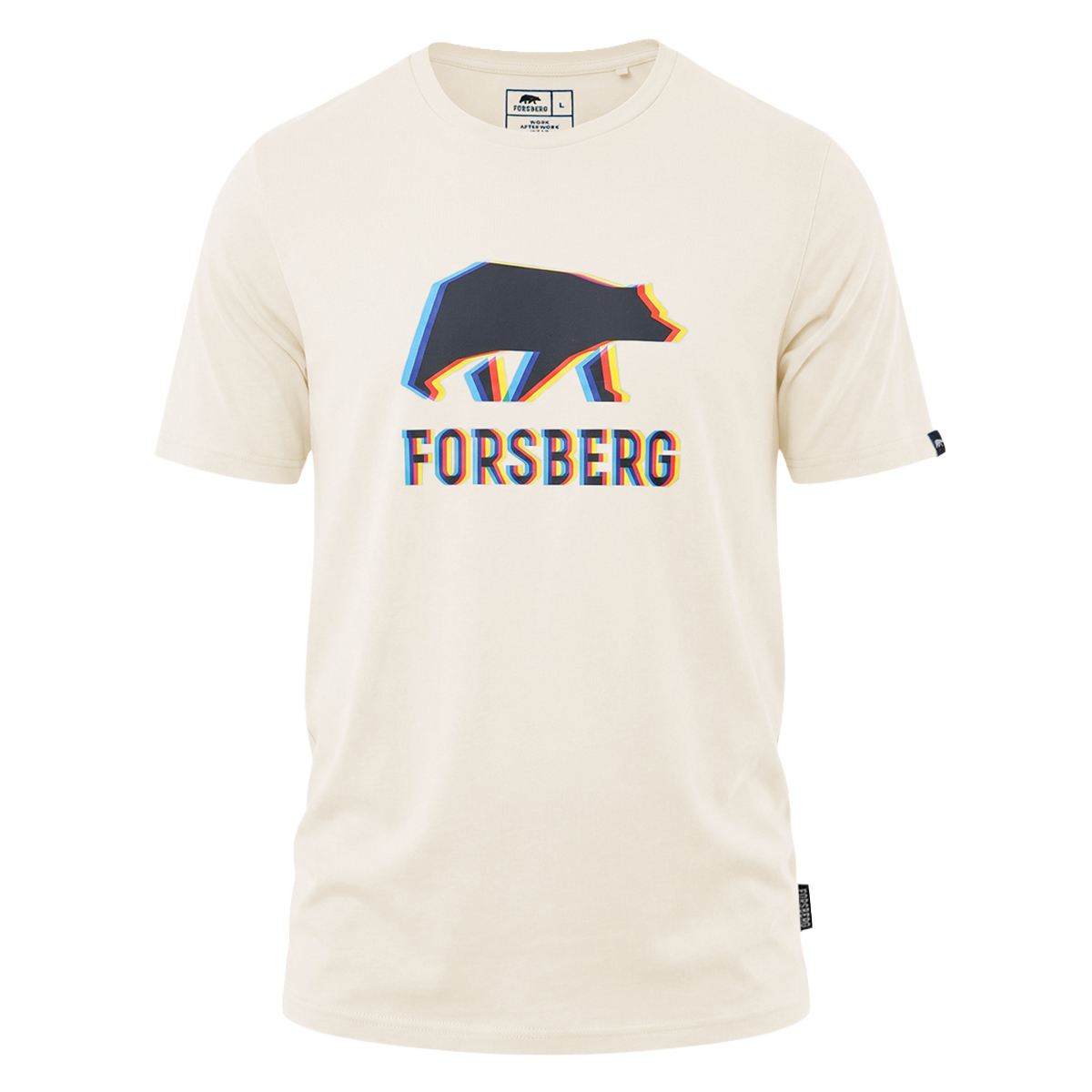

Women's workwear T-shirts from FORSBERG combine a feminine cut with practical construction — cotton-blend fabrics, reinforced seams and prints or logos that hold up to repeated washing, making them a reliable choice across trades, field work and casual business wear.
What Makes a Women's Work T-Shirt Worth Buying?
A T-shirt designed for work does more than cover your back. The difference between a fashion tee and a workwear tee shows up after fifty washes, on a long site day or when you need a top that moves from morning deliveries to a client meeting without looking exhausted. FORSBERG women's T-shirts are built around three practical priorities: durability, comfort across long shifts and a cut that fits without restricting movement.
Which Fabric Construction Should You Choose?
The fabric mix determines almost everything — how a tee breathes, how long it holds its shape and how it handles abrasion.
Cotton-polyester blends are the most common construction in workwear T-shirts. Cotton delivers softness and breathability; polyester adds dimensional stability, faster drying and resistance to stretching out at the collar and shoulders. A typical blend sits somewhere between 50/50 and 65/35 cotton-to-polyester.
Elastane (also called spandex) appears in small percentages — usually 2–7% — to give the fabric stretch and shape retention. For active roles such as site inspections, logistics or fieldwork, that stretch means the tee moves with you rather than pulling across the back or shoulders.
Technical polyester knits are lightweight, moisture-wicking and quick-drying. These fabrics pull sweat away from the skin and release it through the outer surface, which matters when you're moving between indoor and outdoor environments or working physically demanding shifts.
Organic cotton options offer a softer hand feel and a lower environmental footprint. They're comfortable for long wear but dry more slowly than synthetic blends — a practical consideration for physically active roles.
What Construction Details Add Durability?
Fabric weight and content are only part of the story. Construction details determine where and how a T-shirt fails over time:
- Reinforced seams at stress points — shoulders, armholes and side seams — resist splitting under repeated movement and laundering.
- Double-knit panels at high-abrasion zones (shoulders, upper back) add resistance without bulk.
- Mesh inserts at the back or underarm improve airflow for physically demanding work.
- Set-in or taped neck seams maintain shape and prevent collar distortion after washing.
Prints and chest logos that hold up to washing use heat-transfer or screen-print processes with flexible inks — turning garments inside out before every wash significantly extends print life.
Finishes and Treatments on Workwear T-Shirts
What Is a DWR Finish and Do T-Shirts Need One?
DWR stands for durable water repellent — a surface treatment that causes light moisture to bead and roll off the fabric rather than soaking in. On a T-shirt, a DWR finish is not standard, but it appears on some performance models where light rain resistance matters alongside breathability. The treatment is applied to the outer fabric surface and does not affect the feel of the inner face against skin.
DWR treatments degrade with washing and heat. To restore them: wash with a technical or mild detergent (no fabric softener), then apply a textile DWR spray re-impregnator. Reactivate by tumble-drying on a low setting or pressing carefully through a cloth with a warm iron.
Why Fabric Softener Damages Work T-Shirts
Fabric softener coats fibres with a waxy layer that blocks moisture transport and reduces the effectiveness of DWR and anti-odour finishes. For workwear T-shirts — particularly those with technical knit constructions — avoiding fabric softener extends both performance and lifespan.
Material Comparison: Which T-Shirt Fabric for Which Job?
| Fabric Type | Key Strengths | Best For | Watch Out For |
|---|---|---|---|
| Cotton-polyester blend | Durability, shape retention, easy care | Trade work, site visits, casual business | Slower drying than full synthetic |
| Cotton-polyester + elastane | Stretch, comfort, shape recovery | Active fieldwork, logistics, mixed roles | Slightly higher care requirement |
| Technical polyester knit | Moisture-wicking, lightweight, fast-drying | Outdoor tasks, physical work, warm environments | Less soft against skin than cotton |
| Organic cotton | Soft feel, breathability | Long office days, lower-intensity roles | Slowest drying, less shape stability |
Sizing and Fit
How FORSBERG Women's T-Shirts Fit
FORSBERG women's T-shirts are cut with a feminine silhouette — narrower at the waist and shaped through the torso — while maintaining enough room across the shoulders and back for unrestricted movement. The current range runs from XS through to XXL, covering the majority of women's workwear size requirements. Models with an elastane content offer additional freedom of movement across the full size range.
How to Care for Women's Work T-Shirts
Proper laundering protects fabric integrity, seam strength and any technical finishes. Follow these steps:
- Before washing: Turn printed and logo tees inside out. Close zips on other garments in the load to avoid snagging. Brush off loose dirt or grit.
- Washing: Use a mild or technical-fabric detergent. Wash at 30–40 °C on a gentle cycle. Do not use fabric softener.
- Drying: Air-dry on a hanger away from direct sunlight. Tumble-dry on a low heat setting only if the care label permits — low heat also helps reactivate DWR finishes.
- Re-impregnation (where applicable): After washing a tee with a DWR finish, apply a textile spray re-impregnator and reactivate as directed.
- Storage: Store in a dry, well-ventilated space. Avoid sealing tees in airtight plastic bags for extended periods.
Practical care tips: Wash similar colours together. Pre-treat grease marks with a gentle degreaser or a small amount of washing-up liquid before laundering. Remove pilling with a fabric comb. For persistent odours, a short soak in an oxygen-based, colour-safe cleaner works well before the main wash cycle.
Women's T-Shirts in Practice: Two Workday Scenarios
Site visit to client meeting — one top, two contexts. A project manager starts the morning on a construction site wearing a fitted FORSBERG logo T-shirt under a lightweight fleece. The cotton-blend fabric handles the physical morning without feeling heavy. By midday, in a client meeting, the tee still looks tidy — no excess creasing, no odour. The seams hold their shape and the logo print remains sharp.
Active fieldwork in variable weather. An environmental inspector chooses a technical polyester-knit tee for a full day of outdoor survey work. The wicking fabric pulls sweat away from the skin during uphill sections and dries quickly after a light rain shower — meaning she stays drier and warmer than she would in heavy cotton.
FAQ: Women's T-Shirts for Work
What material lasts longest in a women's workwear T-shirt? A cotton-polyester blend — typically 50/50 to 65/35 — with reinforced seams at the shoulders and armholes delivers the best combination of durability and shape retention for regular workwear use. Adding a small elastane percentage (2–5%) improves shape recovery after repeated washing without significantly shortening the garment's service life. Avoid wringing or high-temperature tumble-drying, which accelerate fabric breakdown regardless of blend.
How do I restore a DWR water-repellent finish on a T-shirt? Women's T-shirts with a DWR finish should be washed with a technical or mild detergent — never with fabric softener, which degrades the treatment. After washing, apply a textile DWR re-impregnation spray evenly across the dry or damp fabric. Reactivate by tumble-drying on a low setting for 20–30 minutes, or press carefully through a cotton cloth with a warm iron. Repeat after every five to ten washes.
Can I use fabric softener on performance T-shirts? No. Fabric softener deposits a waxy coating on the fibres that blocks moisture transport in technical knits and reduces the effectiveness of DWR and anti-odour treatments. Women's workwear T-shirts — especially those with polyester or elastane content — maintain performance and finish longevity significantly longer when washed without softener.
How often should a work T-shirt be replaced? Women's workwear T-shirts typically last several seasons with proper care. Replace a tee when the fabric thins noticeably, seams split or cannot be sewn, the collar distorts permanently, or the garment loses its shape and no longer fits correctly. Prints that crack or peel significantly do not affect fabric function but may be a reason to retire the garment from client-facing roles.
Do printed logos wear out faster with frequent washing? Yes — print durability depends on the process and care. Heat-transfer and high-quality screen prints hold up well when garments are turned inside out before washing, laundered at 30–40 °C on a gentle cycle and air-dried rather than tumble-dried at high heat. Avoiding bleach and fabric softener preserves print flexibility. Prints on FORSBERG women's T-shirts are designed for repeated laundering under correct care conditions.
What size range do FORSBERG women's T-shirts come in? The current FORSBERG women's T-shirt range covers XS through to XXL. Models with elastane content offer additional stretch across the size range, which is useful if you fall between sizes or need unrestricted movement for active roles. Refer to the size guide on the product page for chest, waist and length measurements before ordering.
Are FORSBERG women's T-shirts suitable for both work and off-duty wear? Yes. The feminine cut, clean logo designs and quality cotton-blend fabrics mean these tees work across work shifts, casual business environments and leisure time. The construction is practical enough for physical work — reinforced seams, abrasion-resistant knit, durable prints — while the fit and finish make them comfortable for everyday wear outside working hours.
Written by Michael Korinek, Sales ManagementLast updated: June 2025