





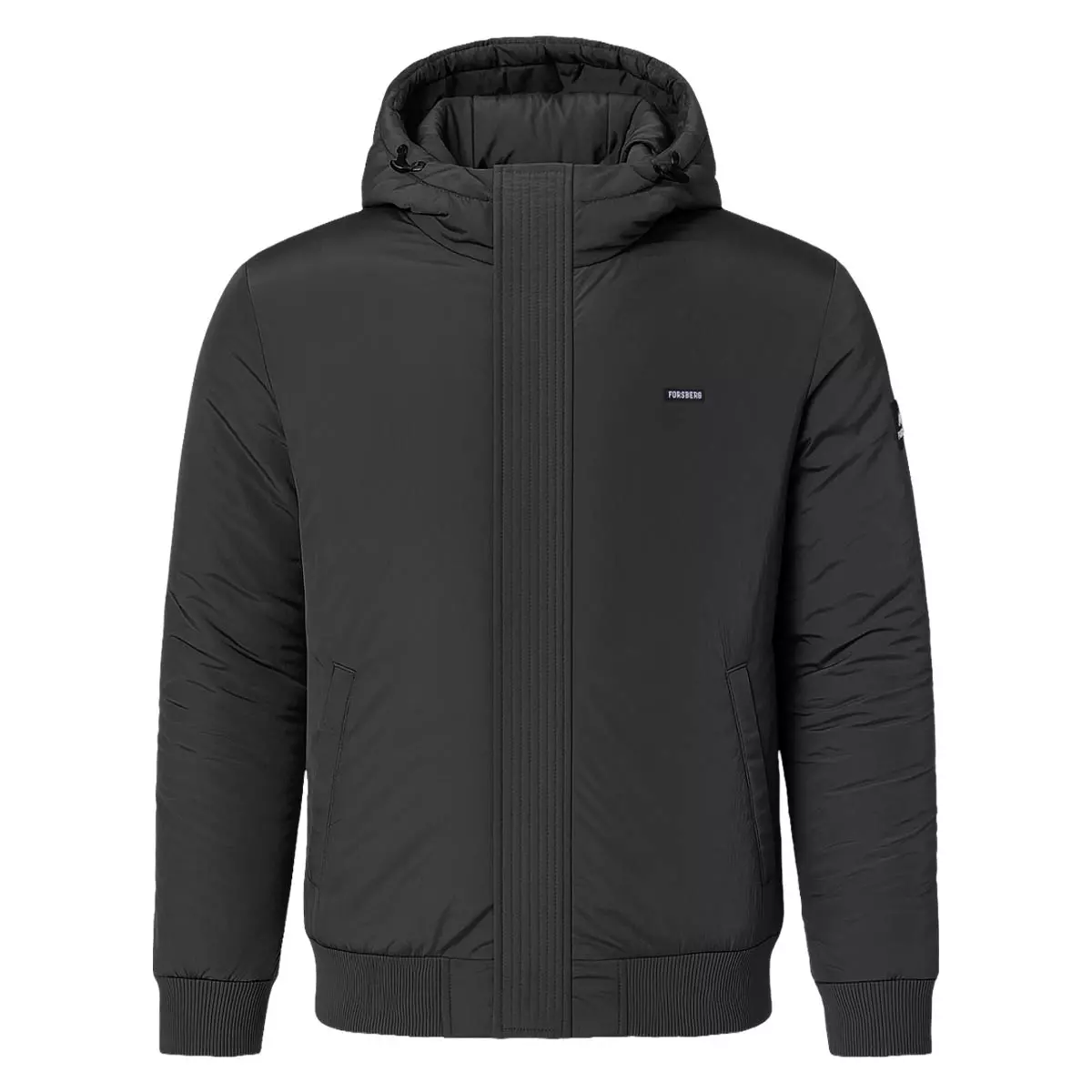
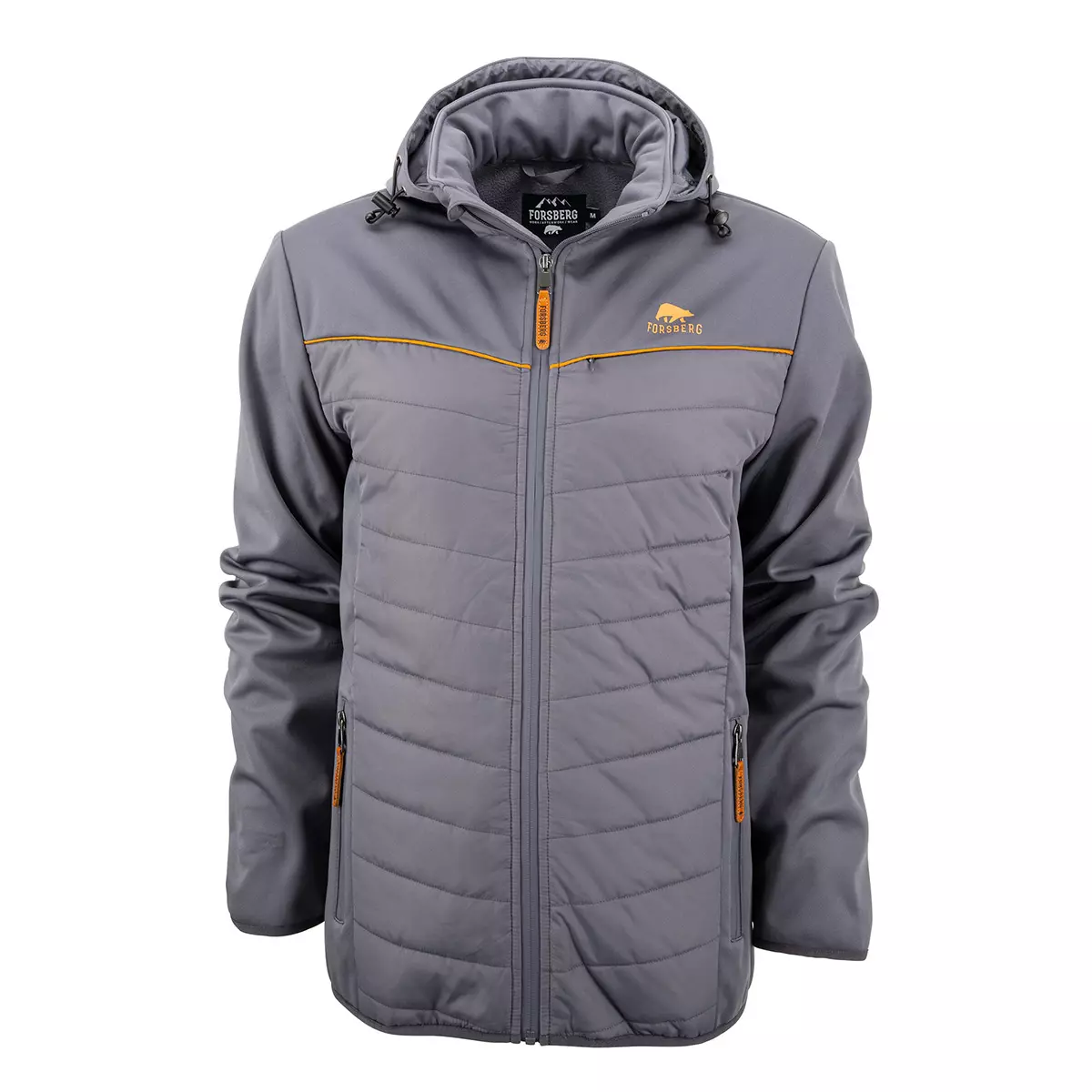
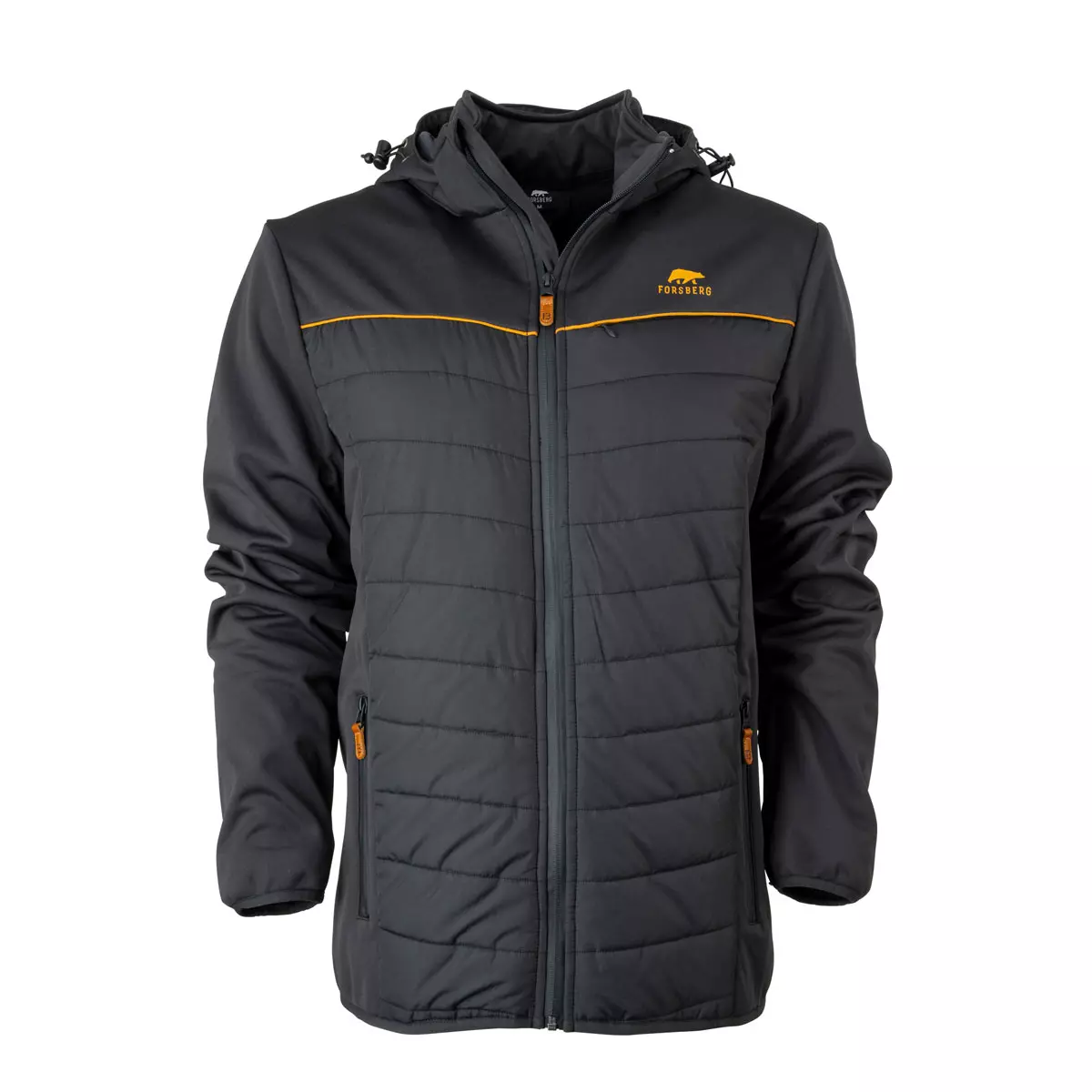
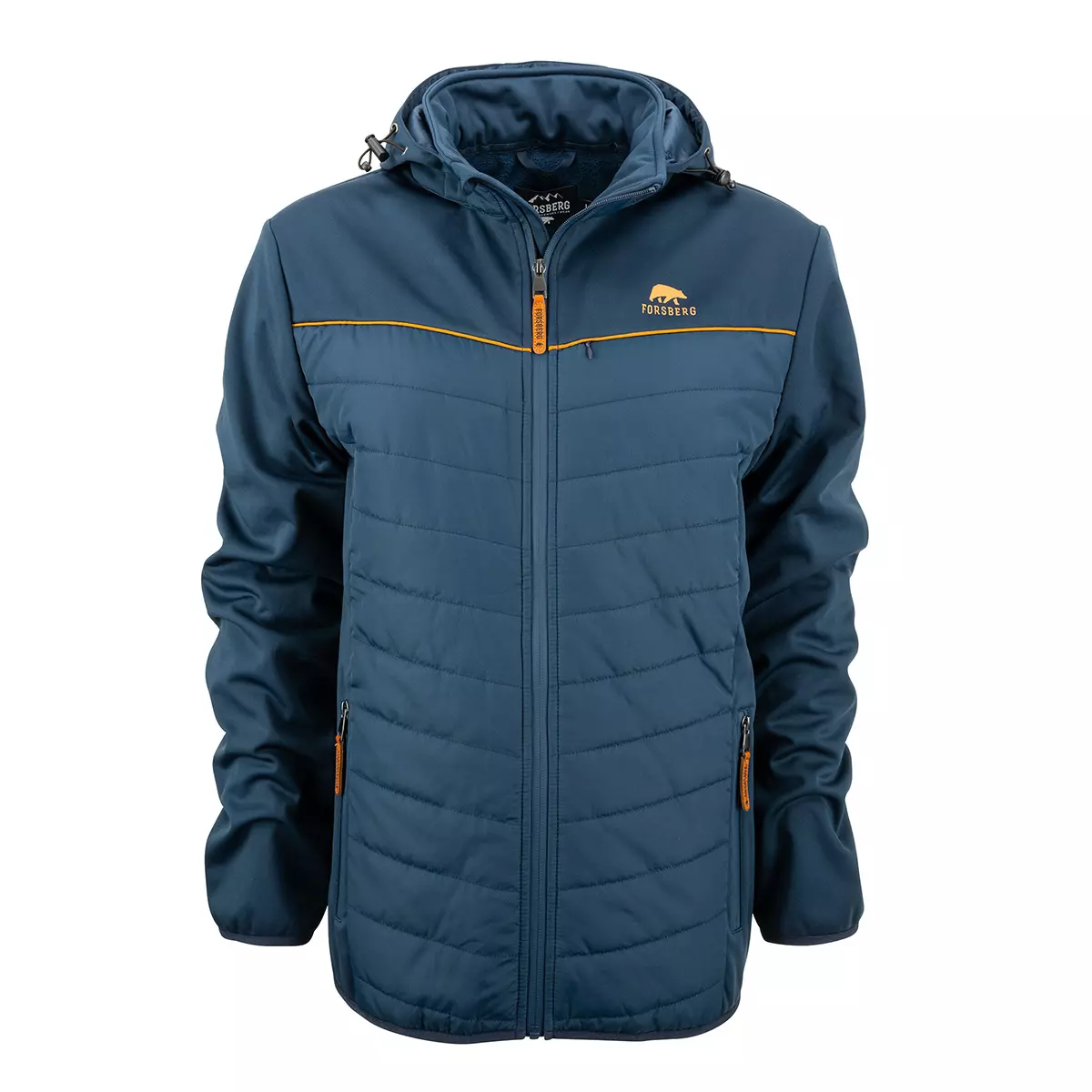

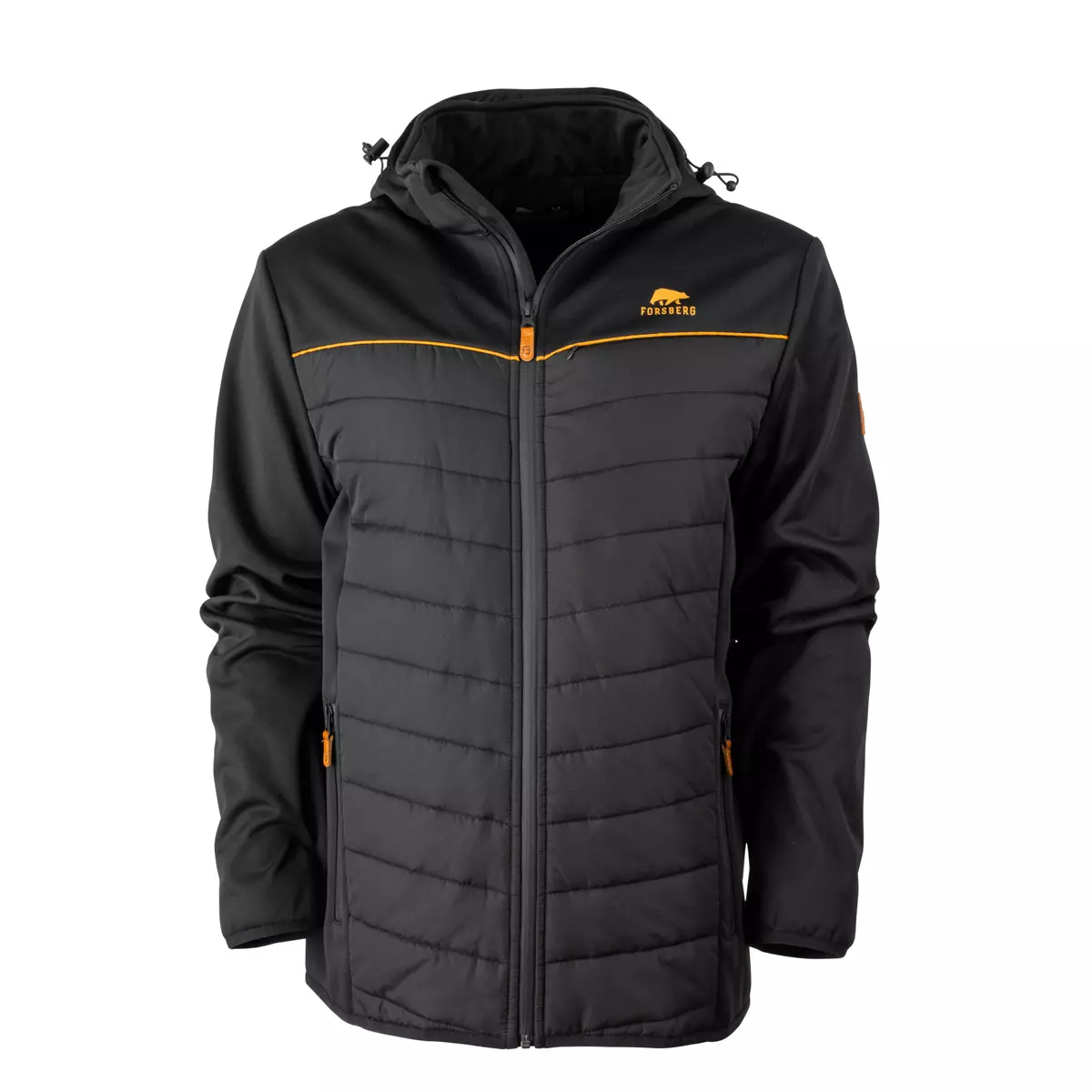
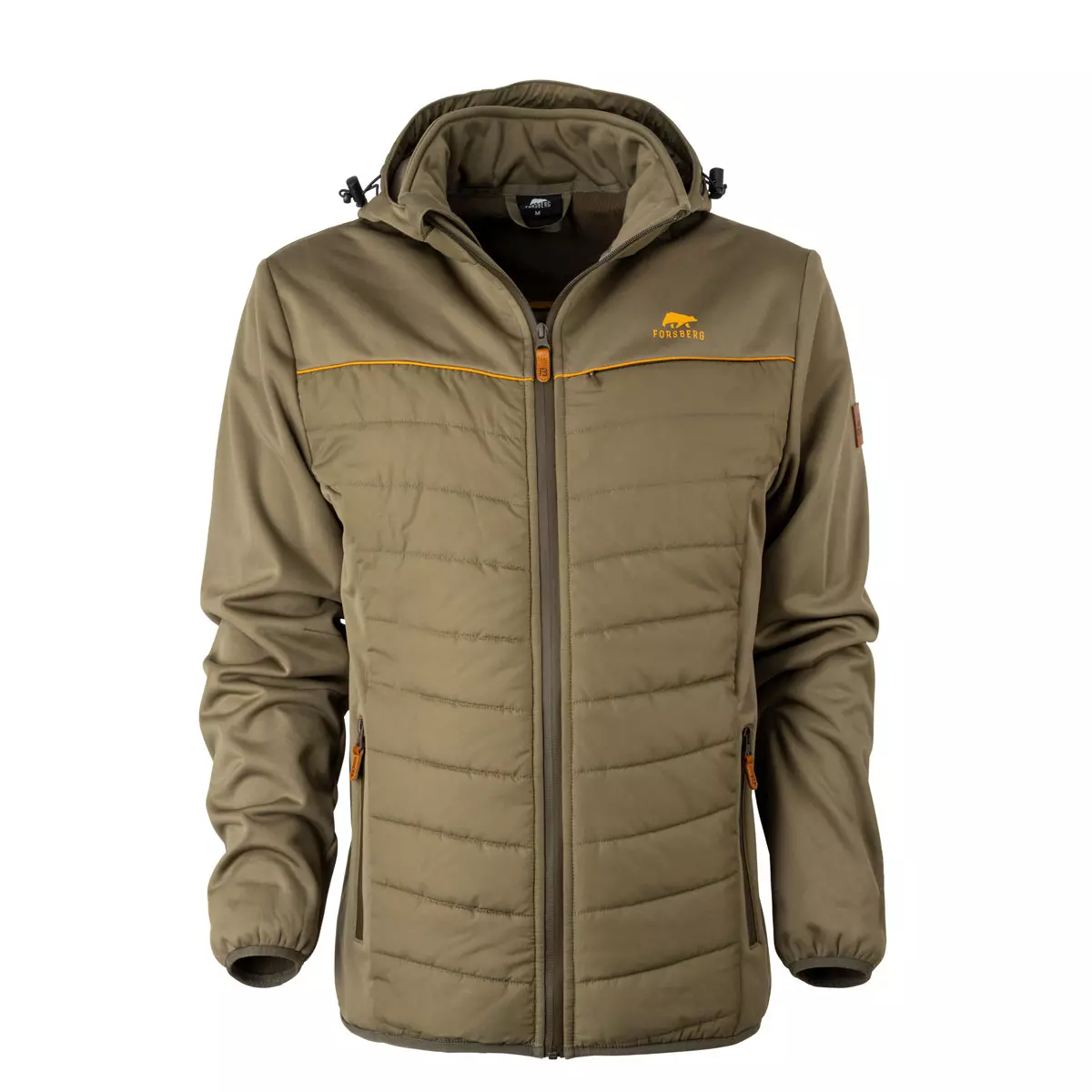

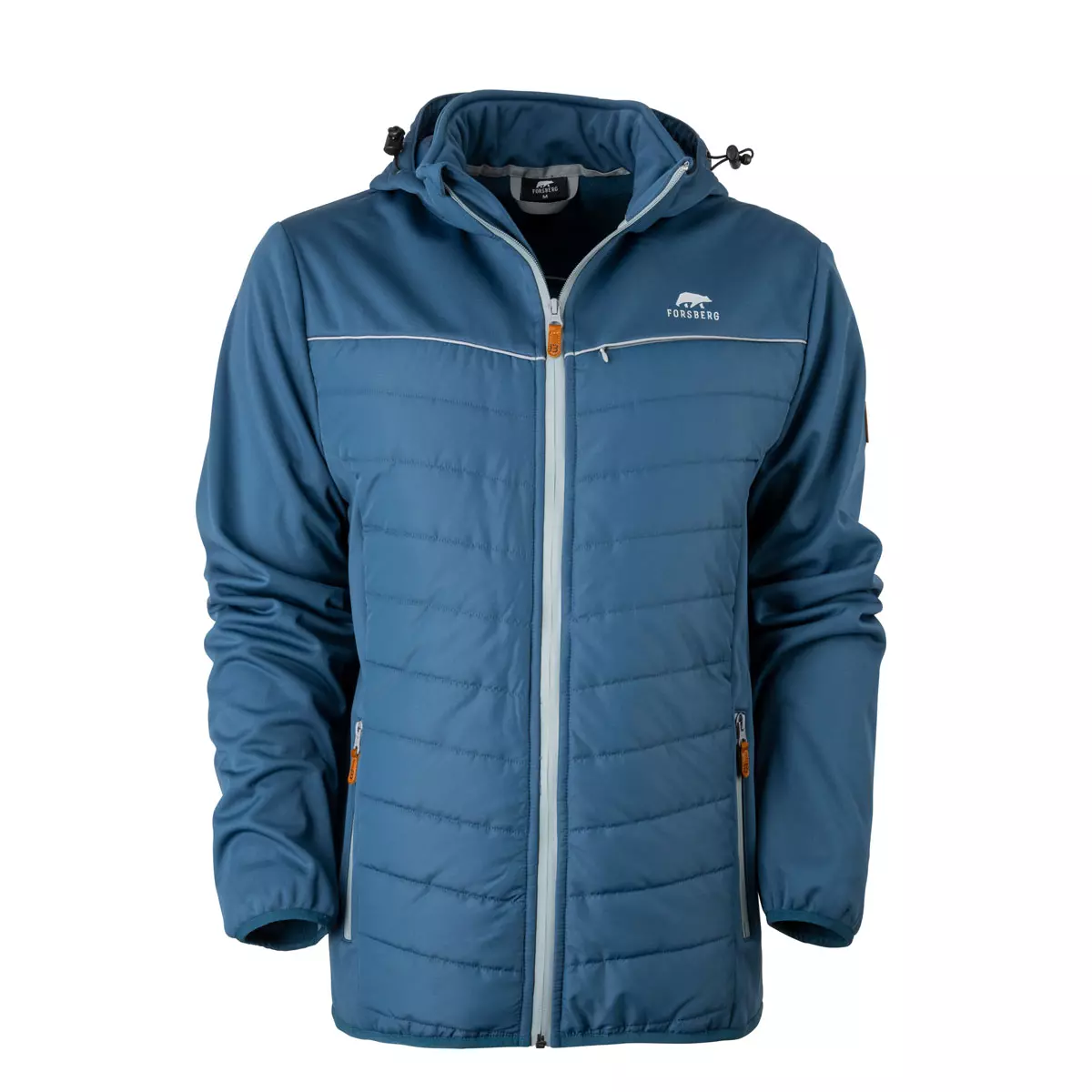
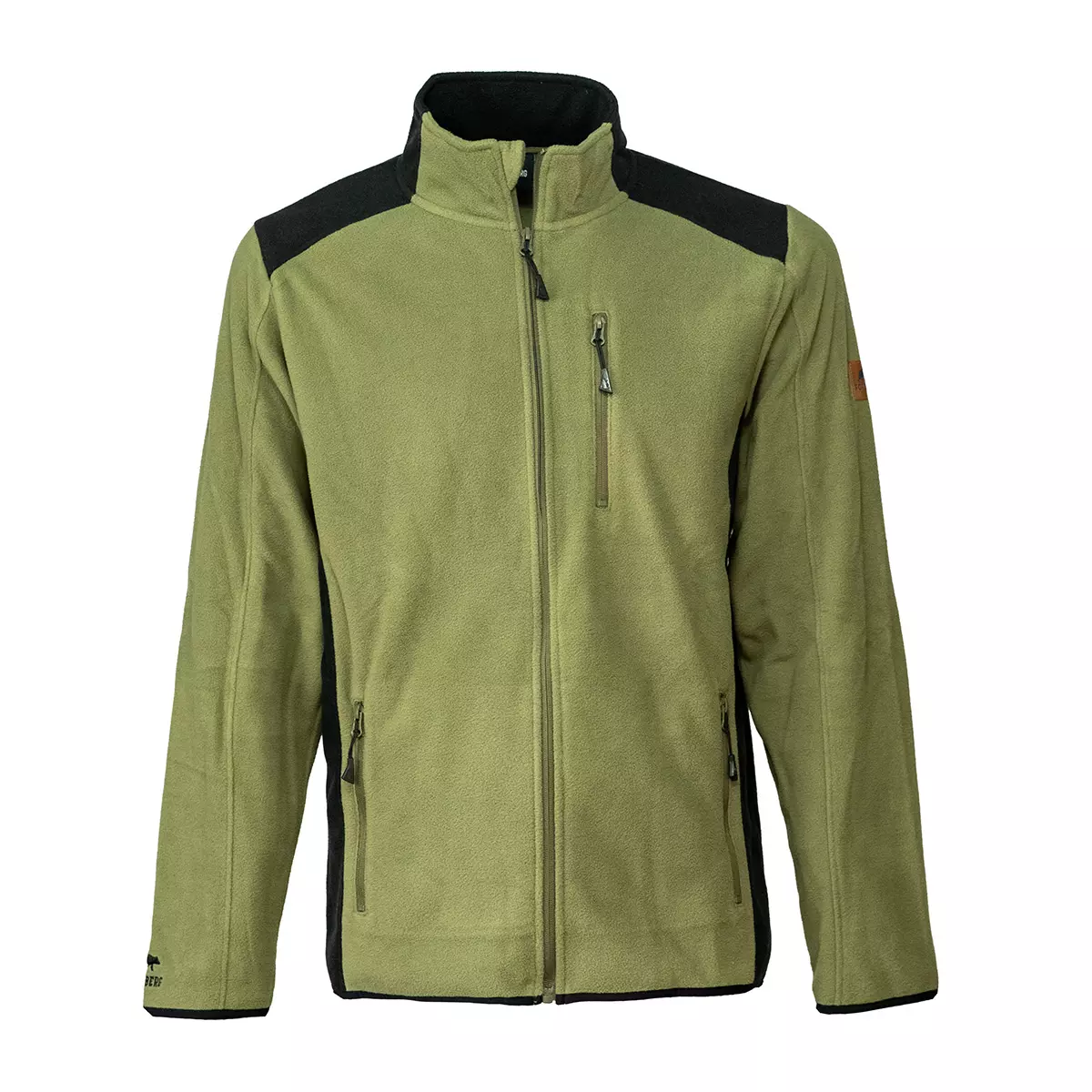

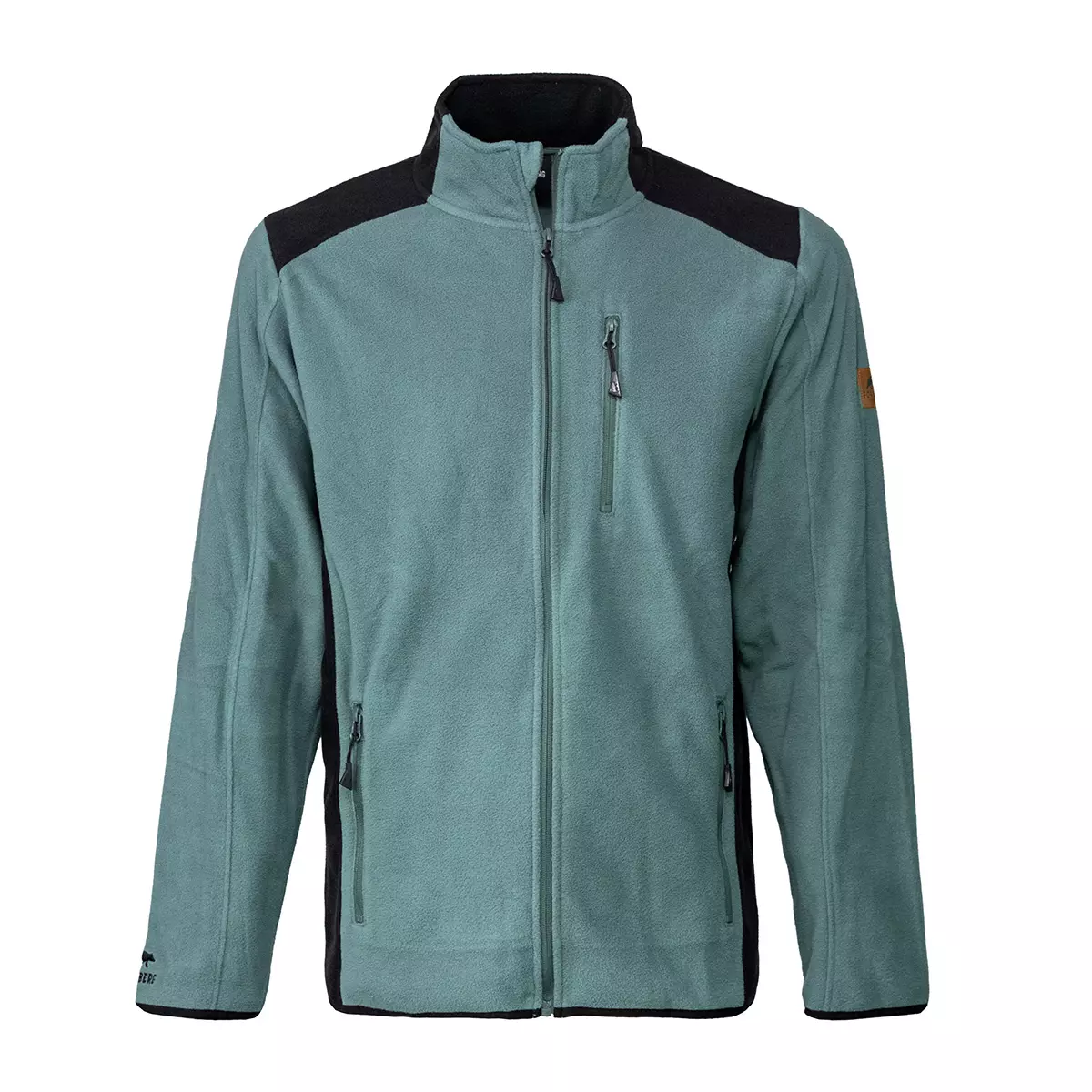

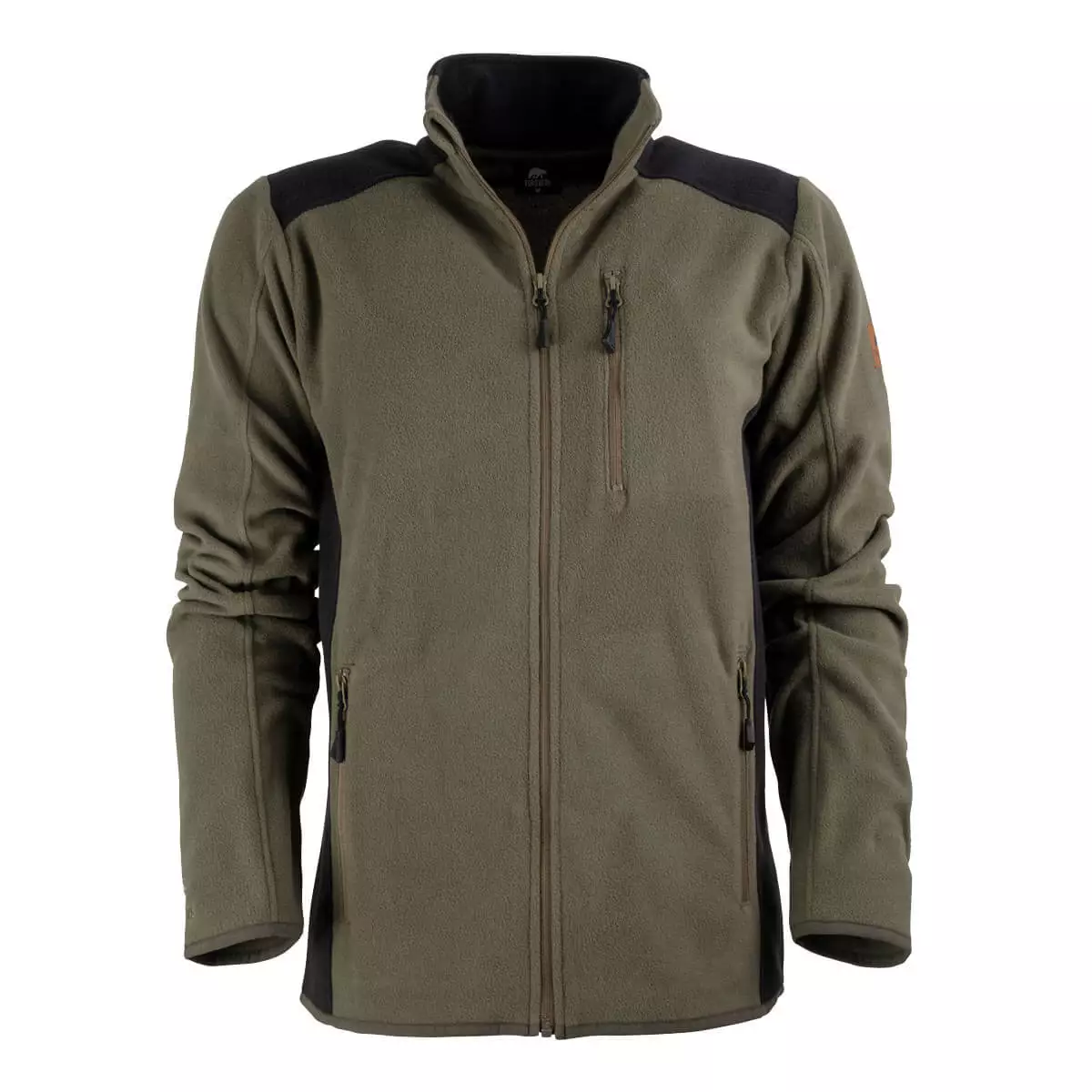

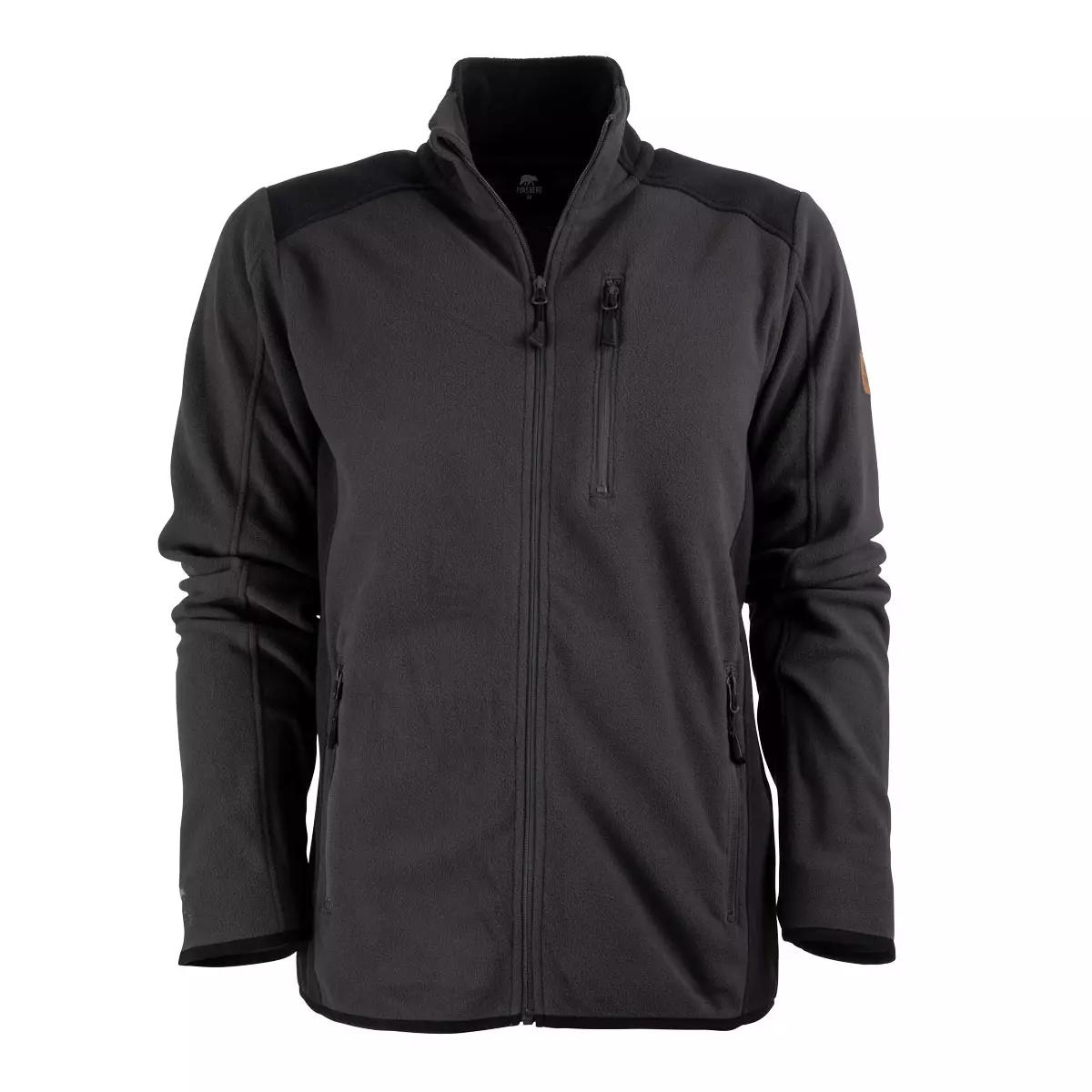


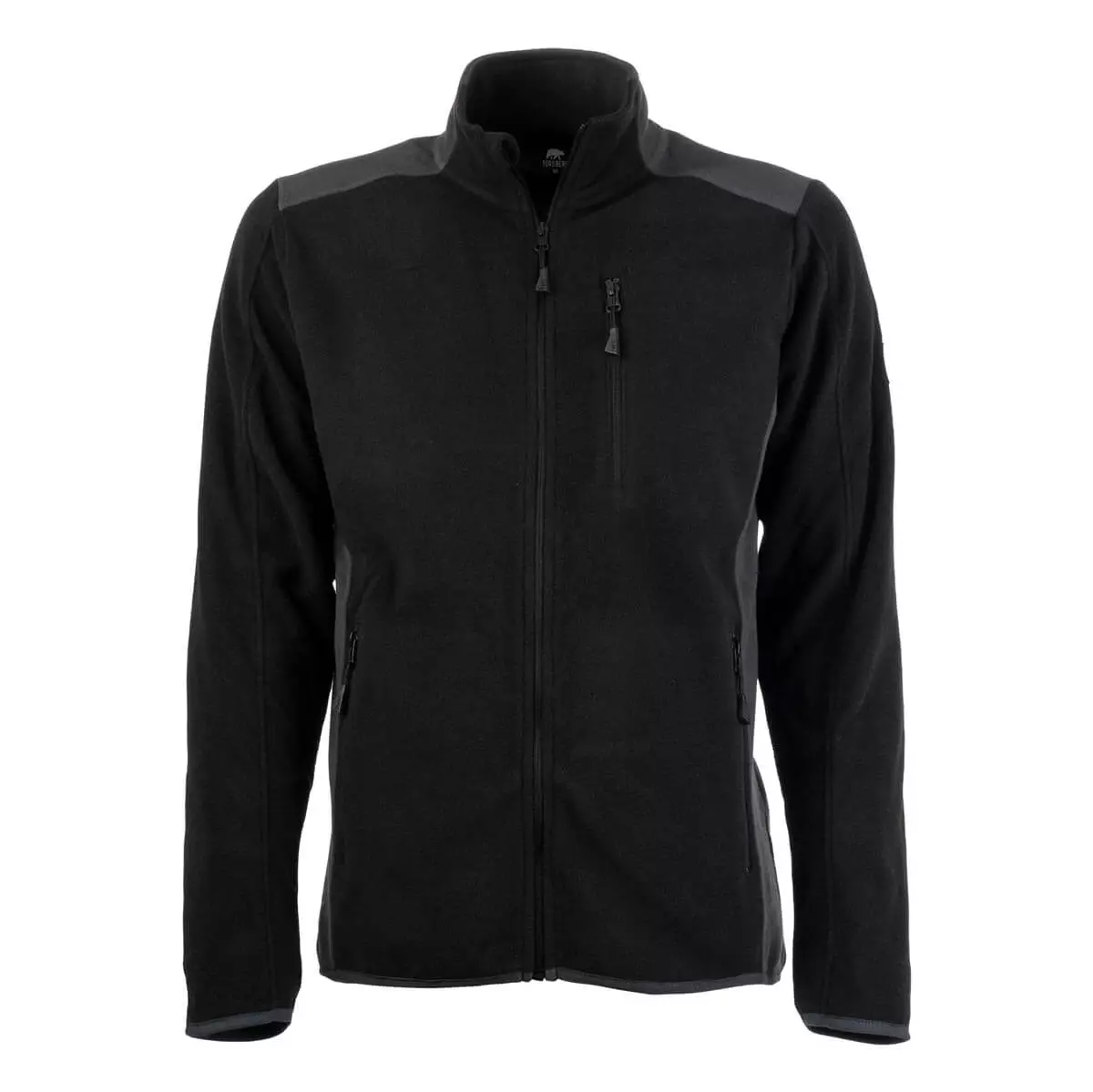

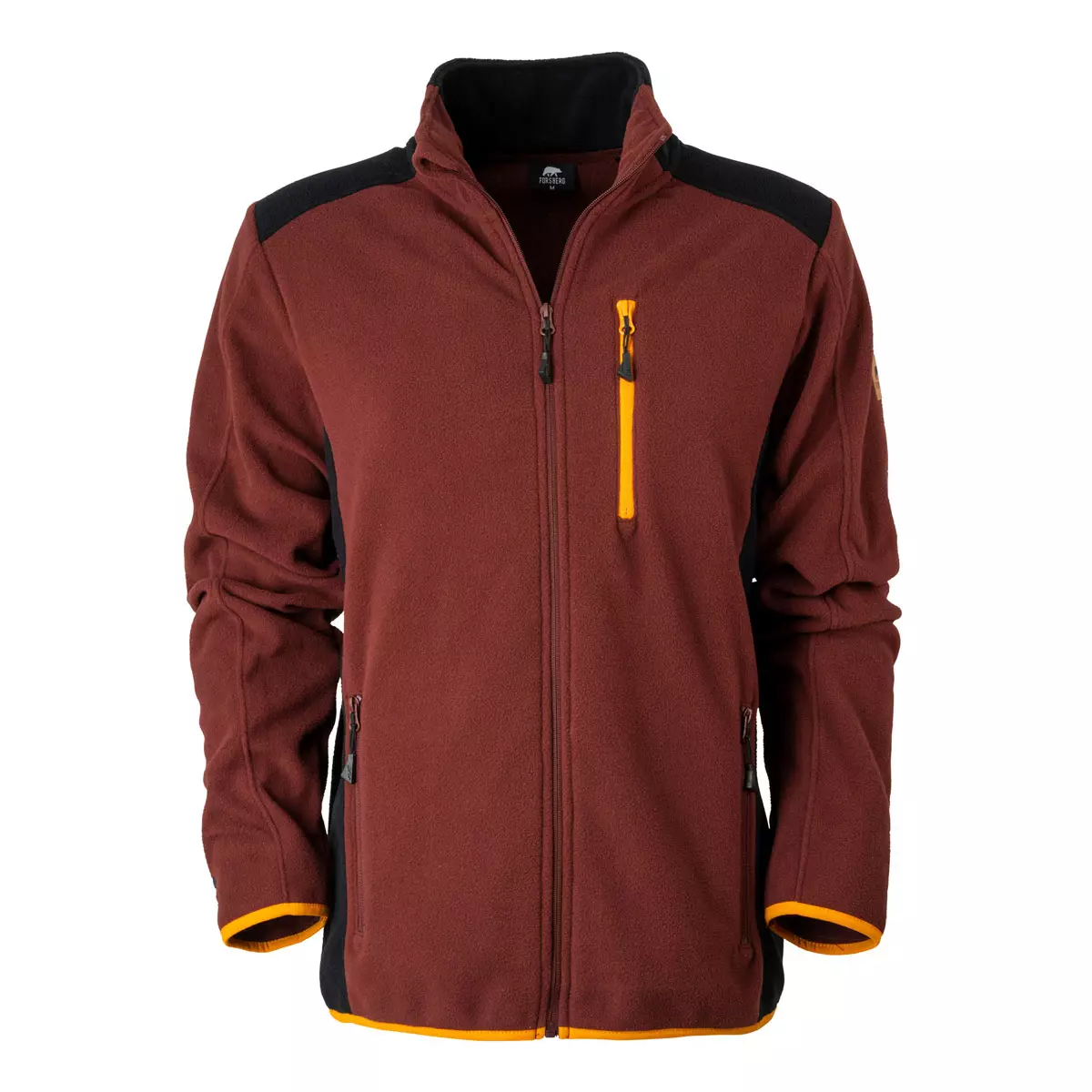
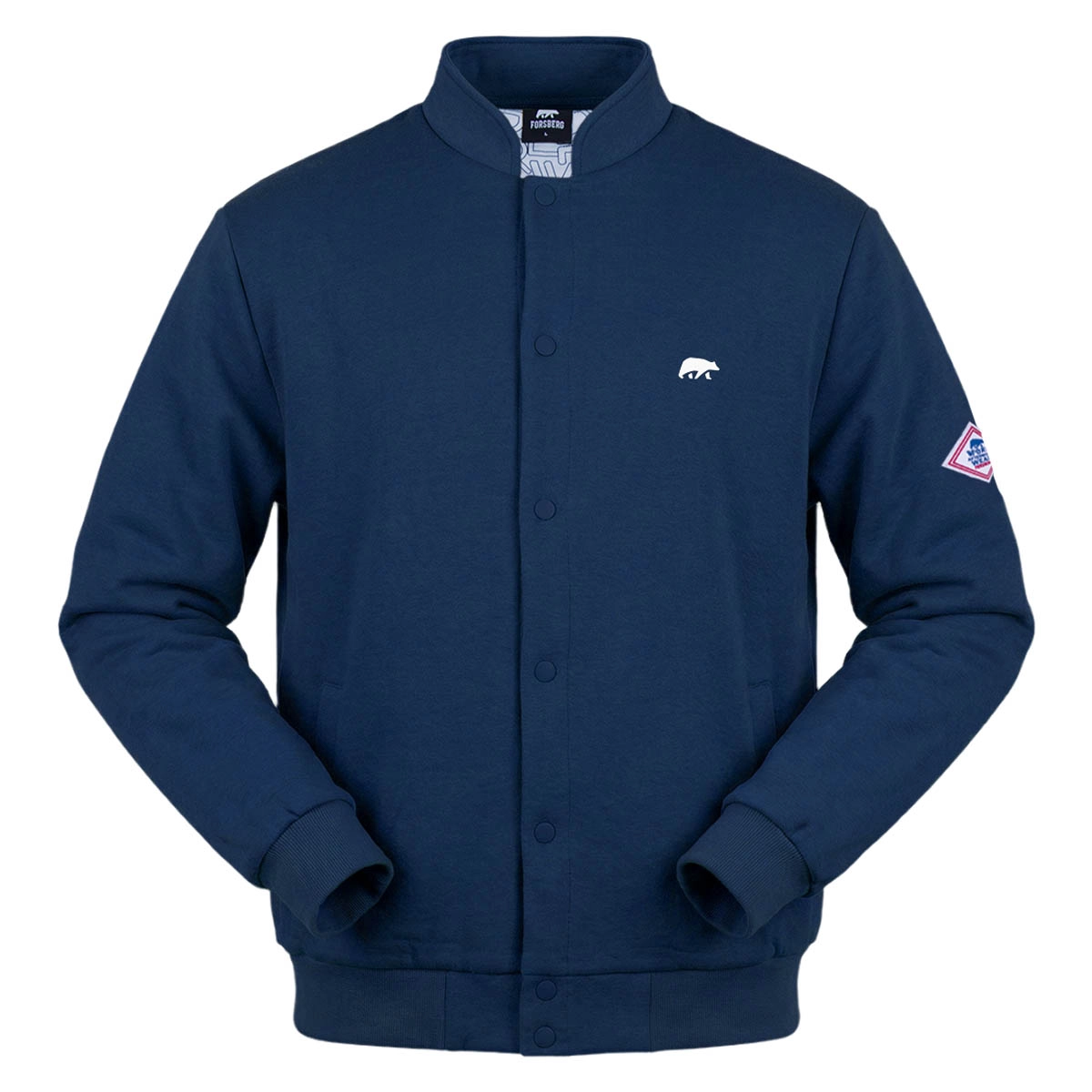
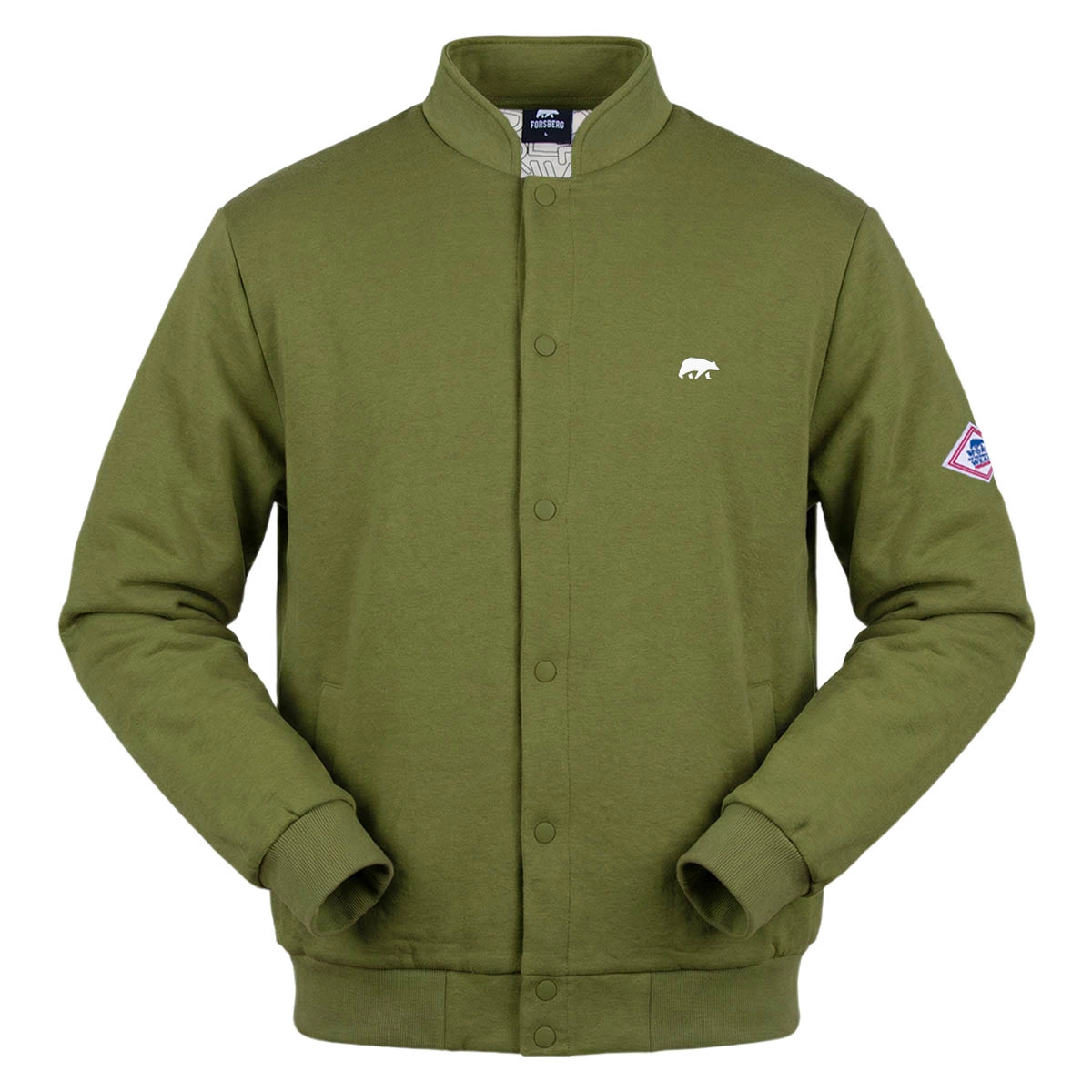

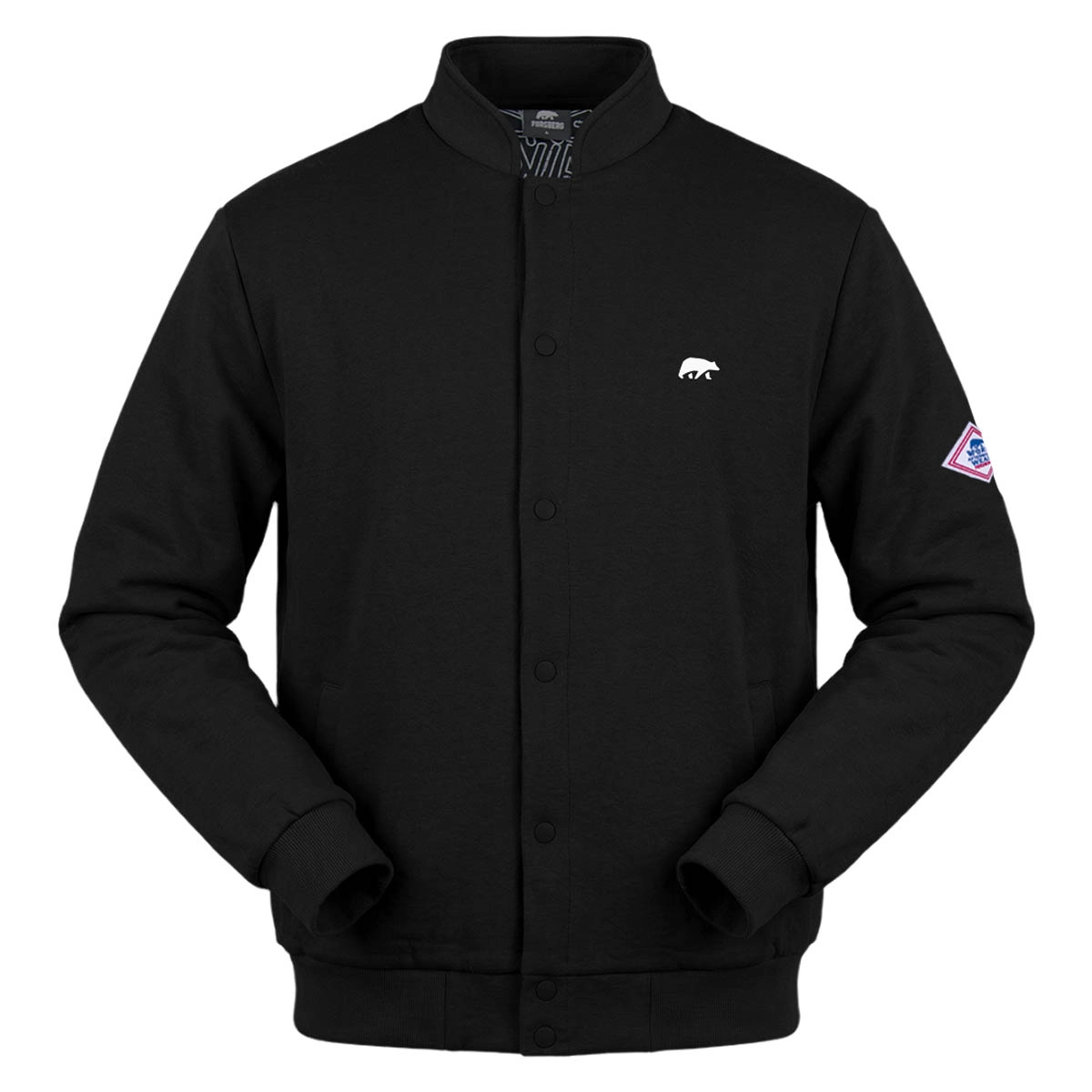
Work jackets built for outdoor trades combine weather protection, thermal insulation and practical storage in a single garment. FORSBERG's range covers fleece mid-layers, softshell jackets, all-weather outer shells and insulated winter jackets — each cut for freedom of movement across construction, forestry, logistics and hands-on outdoor work.
What Makes a Work Jacket Different from Casual Outerwear
A work jacket earns its keep through construction and materials that casual outerwear rarely matches. Reinforced wear points, tool-friendly pocket layouts, ergonomic cuts that allow overhead reach without riding up — these are the details that separate a proper workwear jacket from a general-purpose one. The FORSBERG range is built around exactly that premise: Scandinavian practicality, durable fabrics and designs that hold up shift after shift.
Which jacket type suits which working conditions
The right jacket depends on two questions: how cold is it, and how active are you? A softer insulating piece suits a site worker who generates body heat. A fully waterproof shell suits someone standing exposed on a roof or directing traffic. A lightweight fleece works as a packable mid-layer under a hardshell on colder days.
Here's how the main jacket types map to working conditions:
- Fleece jackets — breathable, lightweight, fast-drying; suited to active work in dry or mild conditions, or worn as a mid-layer
- Softshell jackets — elastic, wind-resistant and partly water-repellent; suited to high-movement tasks in changeable weather
- All-weather / functional jackets — membrane or coated outer layer; suited to outdoor work in rain and wind
- Hybrid and padded jackets — combine insulation panels with stretch zones; suited to mixed activity in cold conditions
- Winter jackets — full insulation, weatherproof outer; suited to stationary or low-activity work in cold temperatures
Understanding the materials and technologies used
Work jacket materials are worth knowing before you buy. A few key terms:
Softshell is a stretch-woven fabric that resists wind and light rain while allowing full movement. It suits dynamic work but is not fully waterproof.
Fleece is a knitted synthetic fabric — lightweight, warm, quick-drying and breathable. It works as insulation under a shell or as a standalone in milder temperatures. Velour-type fleece is particularly abrasion-resistant.
Membranes (PU-based or PTFE-based laminates) create a waterproof yet breathable barrier bonded to the outer fabric. 2-layer construction bonds the membrane to the outer fabric and uses a separate inner lining — more affordable and lightweight. 3-layer construction bonds the membrane directly between outer fabric and an inner scrim, producing a more durable, higher-performing result suited to demanding conditions.
DWR (Durable Water Repellent) is a surface coating that causes water to bead and roll off. It is not waterproofing on its own — it works in combination with a membrane. DWR degrades with washing and wear; restore it with a spray-on or wash-in re-proofer after laundering.
DuraMotion is a registered FORSBERG technology applied to high-stress areas — reinforced material zones at points that take extra abrasion or flexion during physical work.
How to choose between fleece, softshell and shell
Three variables drive the decision: temperature, precipitation and activity level.
| Condition | Recommended jacket type |
|---|---|
| Mild, dry, active work | Fleece jacket or fleece vest |
| Cool, windy, mobile work | Softshell jacket |
| Rain and wind, outdoor | All-weather / functional jacket |
| Cold, mixed activity | Hybrid jacket with insulation panels |
| Cold, stationary, exposed | Insulated winter jacket |
Where conditions shift throughout a shift, a fleece mid-layer under an all-weather shell is the most adaptable combination.
Layering on the job: mid-layer and outer shell together
Layering matters on site. A fleece or knitted fleece vest worn under a functional jacket traps warmth while allowing the outer layer to handle moisture. Hybrid jackets with insulated front panels and stretch side panels already solve this for moderate cold. For deep winter or stationary cold work, a dedicated insulated jacket with a lined hood provides the full protection needed.
Detachable hoods add versatility — the jacket works under a hard hat or helmet without the bulk of a fixed hood, and you can reattach it when conditions demand.
The FORSBERG Work Jacket Range
All-weather and functional jackets
The Allwetterjacke mit Brusttasche is a waterproof outer layer with a chest pocket designed for outdoor work in rain. The Vatten all-weather jacket and Skogar all-weather jacket extend the all-weather selection, the Skogar at the more substantial end of the range for demanding outdoor exposure.
The Petrusk functional jacket and Kamrat II functional jacket sit in the functional shell category — cut for working movement with weather protection built in.
Fleece jackets, vests and knitted fleece
The Brodir III functional fleece jacket is a practical mid-layer option available across the range. The Bjarkir fleece jacket and Haakon fleece jacket offer entry-level fleece warmth for milder conditions. The Yulgran II knitted fleece jacket brings a structured knitted fleece construction for those who prefer that texture and weight.
Knitted fleece options include the warm knitted fleece jacket (available in multiple colourways) and the Lönna Knit Fleece Vest Forest as a body-warmer alternative. The Vardir fleece vest rounds out the vest selection.
For cardigans: the warm cardigan with breast pocket provides an open-front layering option, while the Forestry cardigan with reinforcements is built specifically for forestry work — reinforced at wear-critical points for that environment.
Hybrid, padded and winter jackets
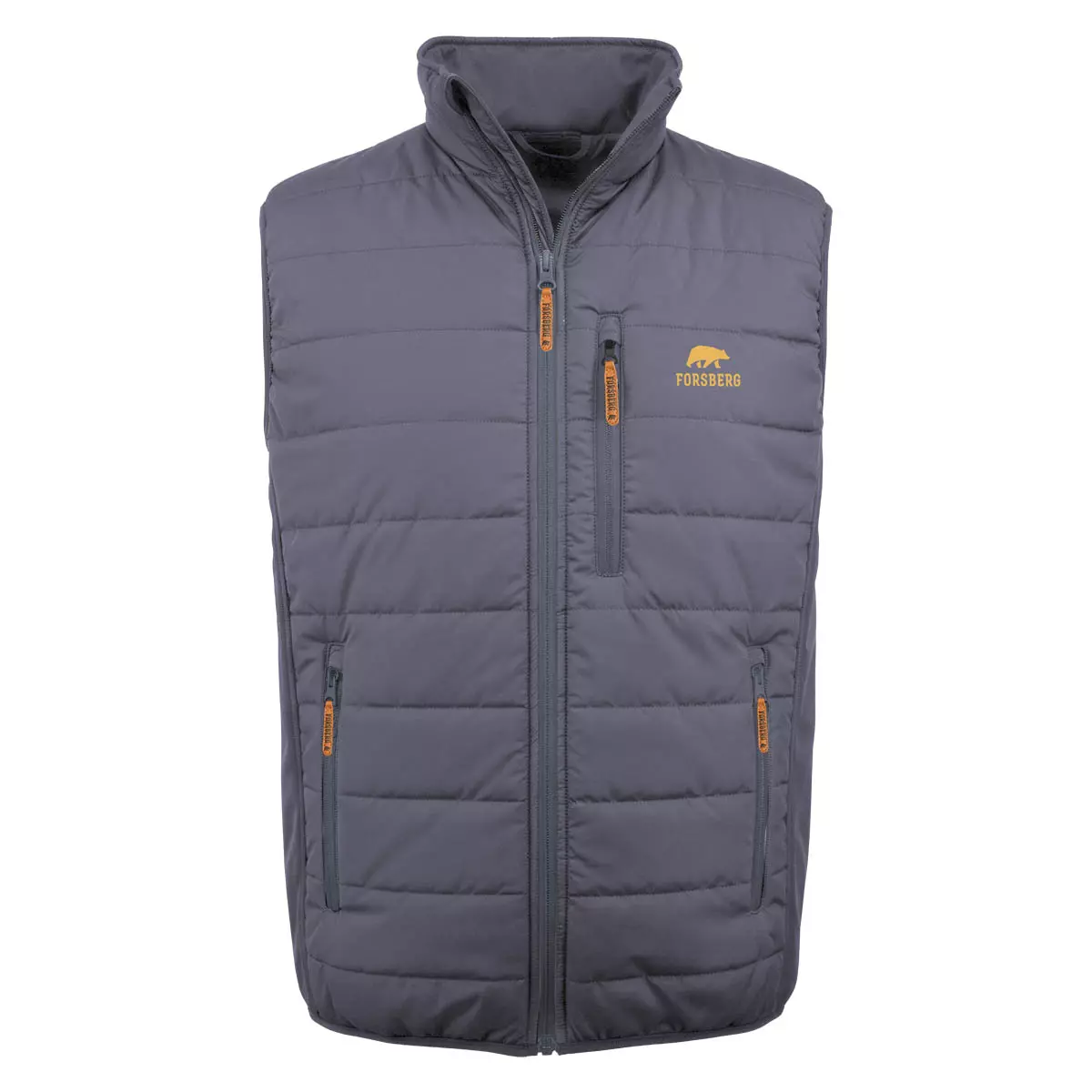
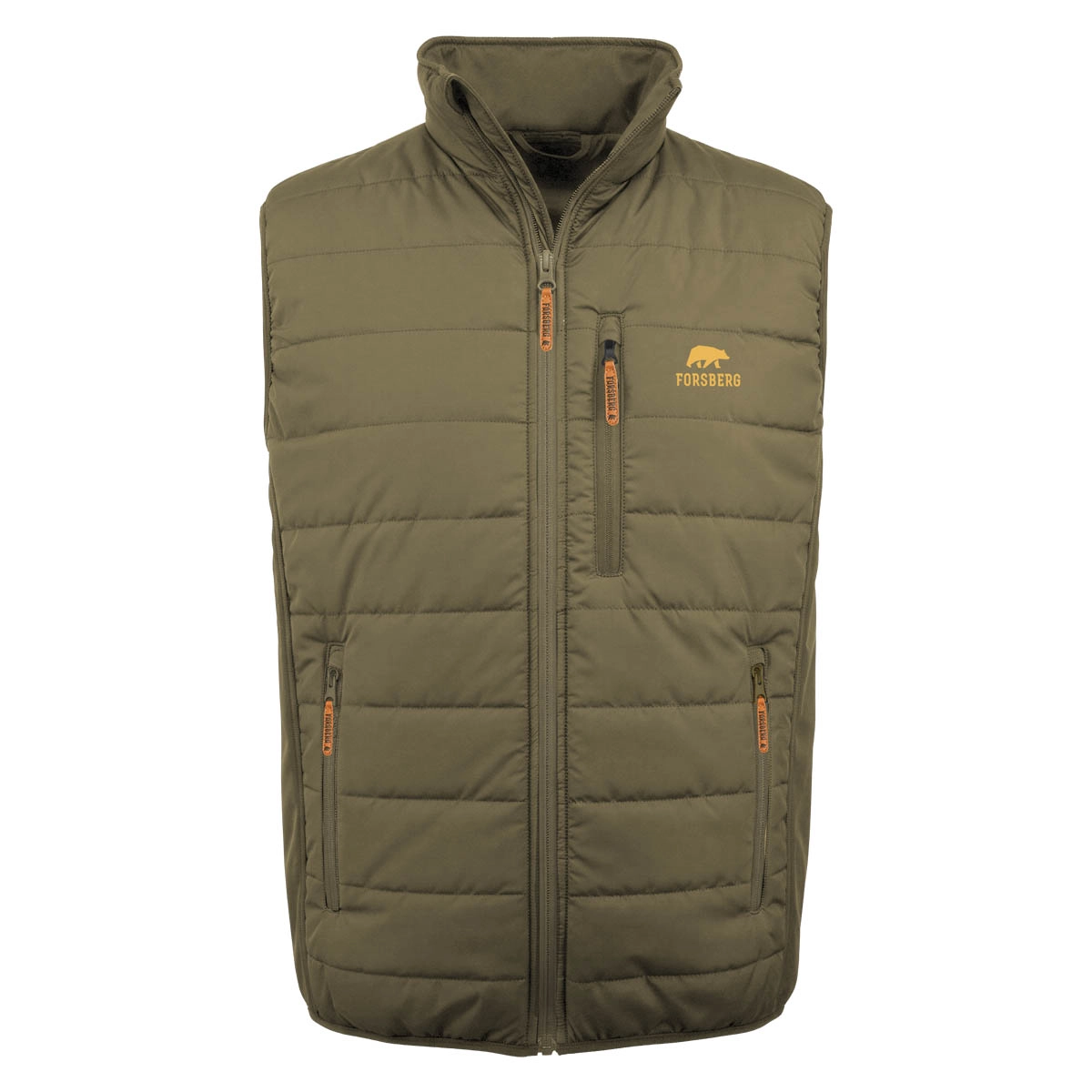
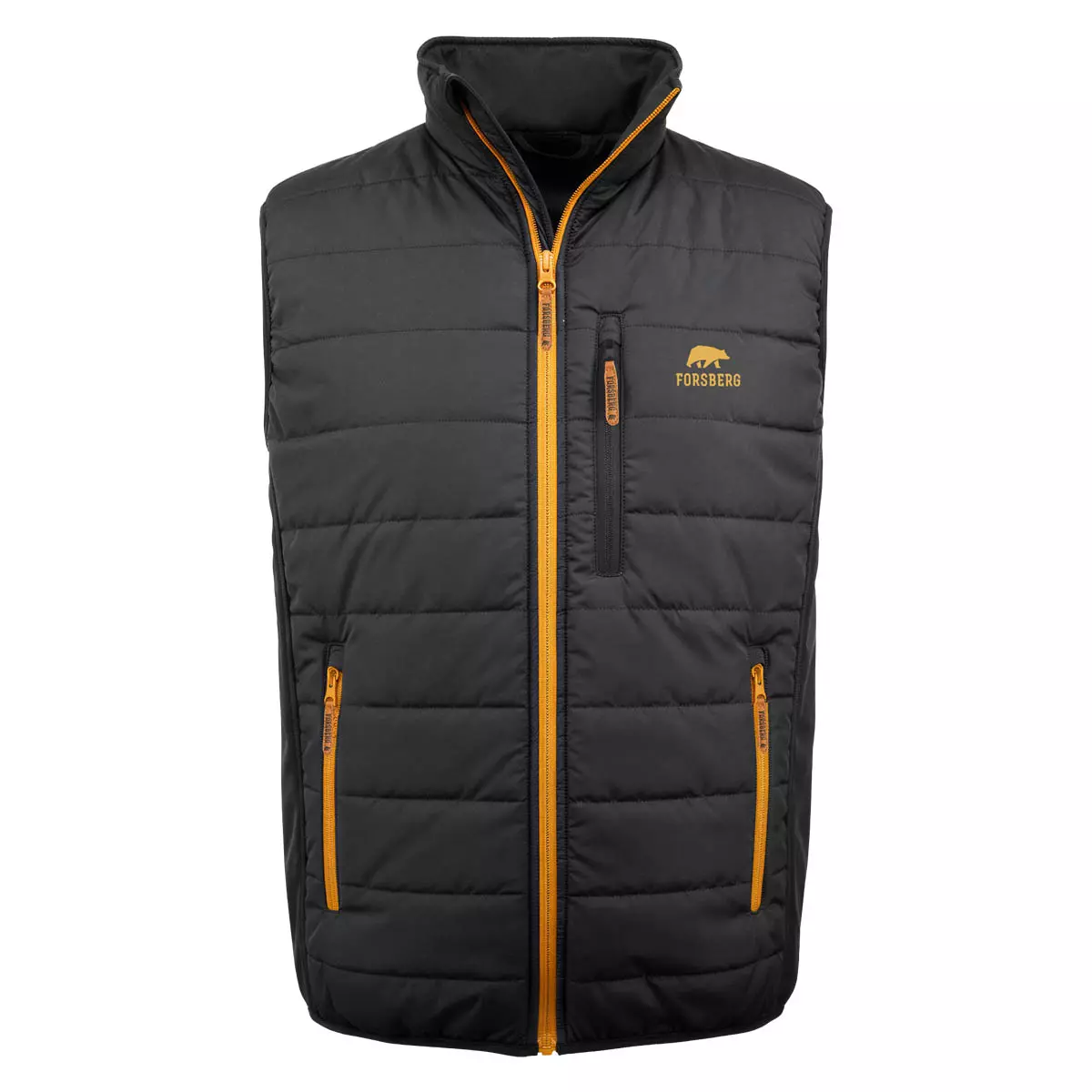
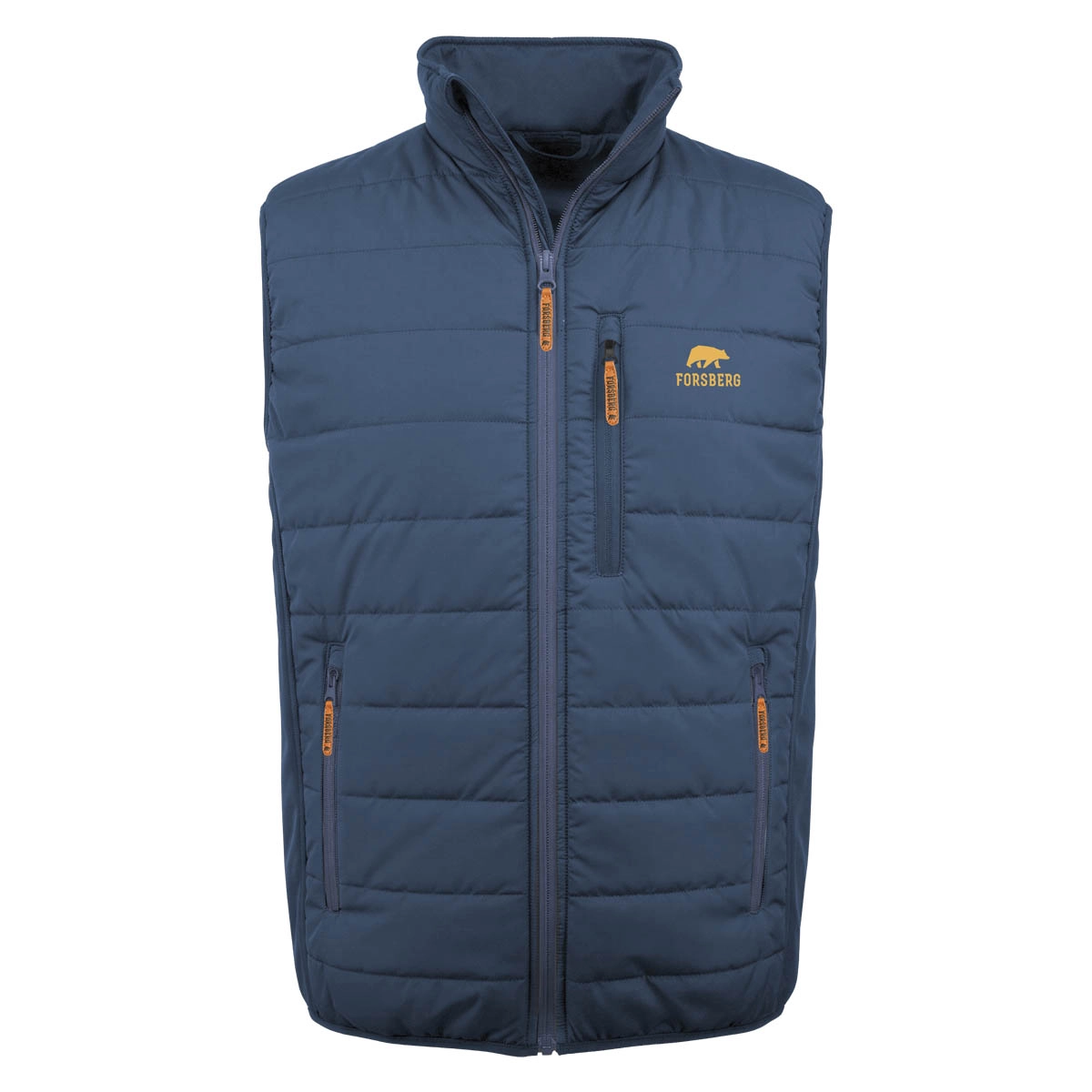
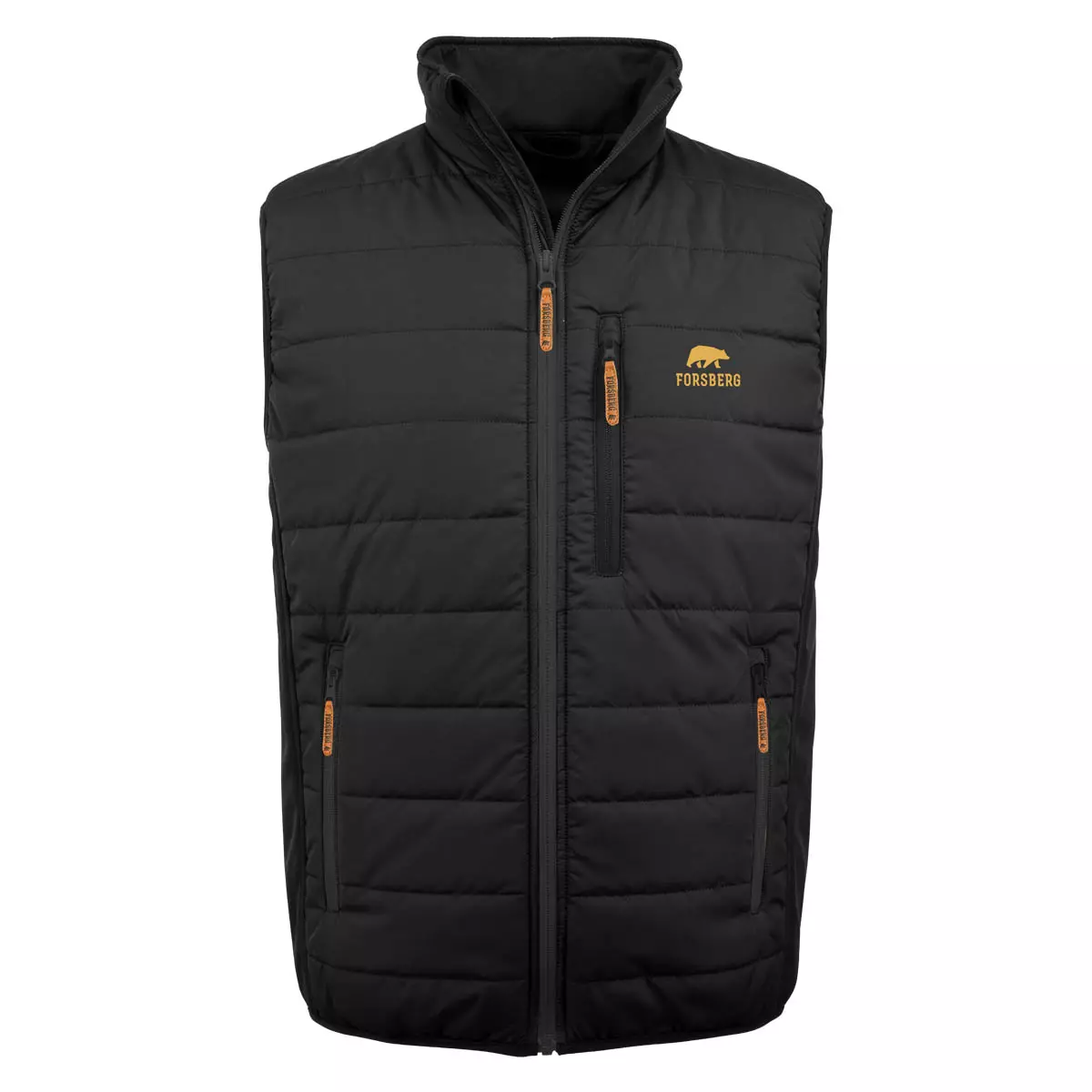
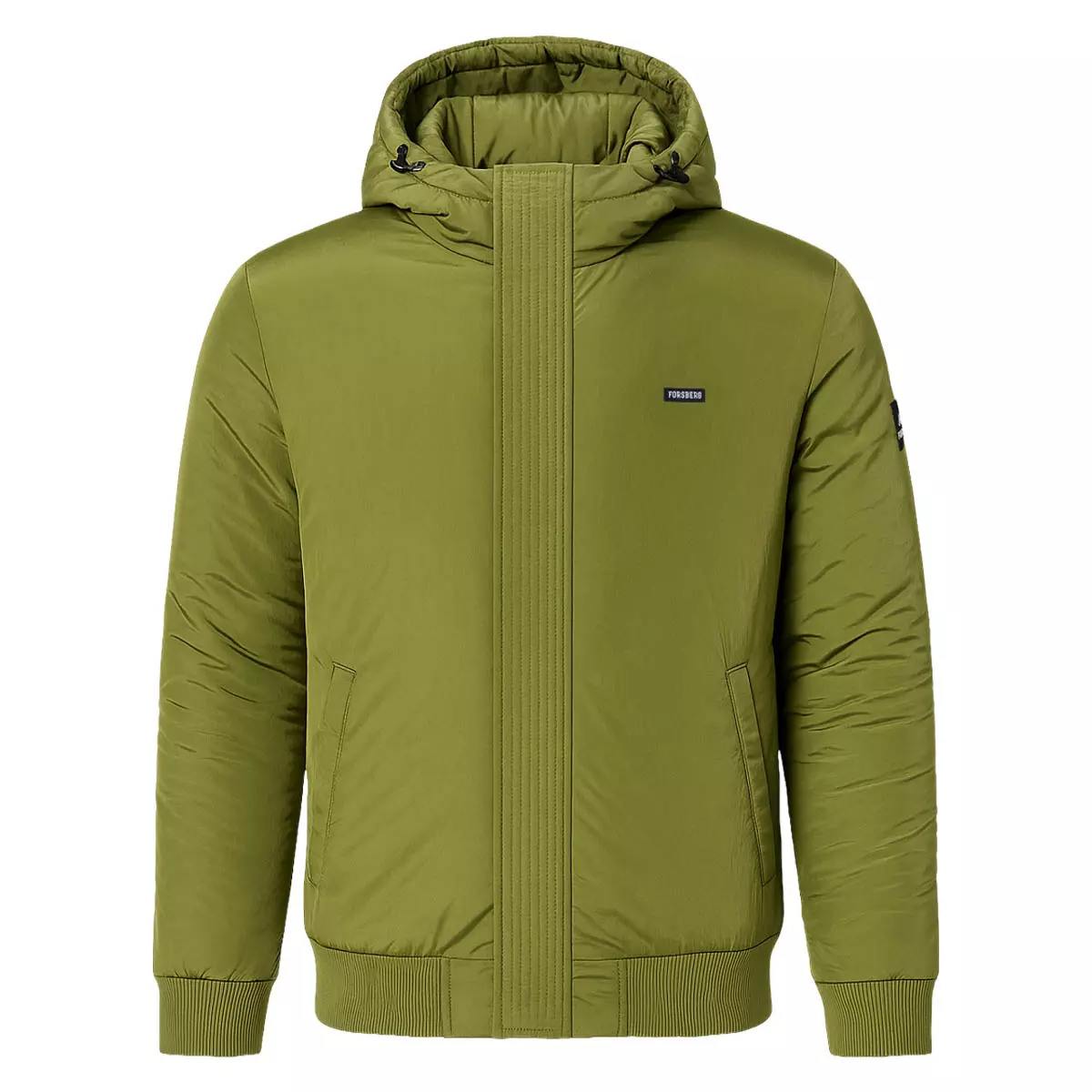
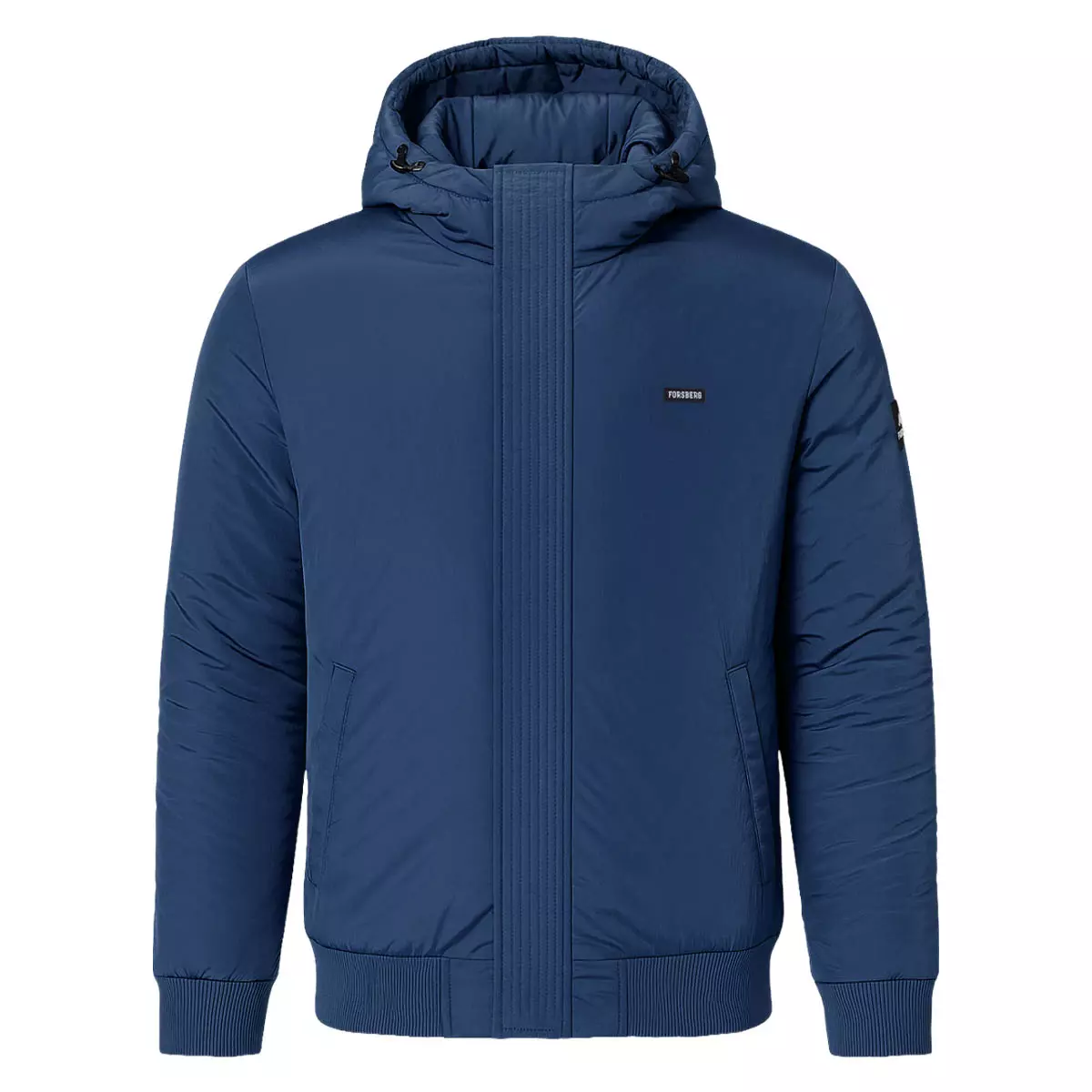
The Alruut III hybrid jacket with detachable hood combines insulation zones with stretch panels and the practical option of removing the hood for helmet-compatible wear. The Skrovva III padded technical vest concentrates core warmth without restricting arm movement — suited to active tasks in cold conditions.
The Winter jacket with lined hood delivers full insulation for cold-weather stationary work. The Skogman II lined flannel shirt sits at the cross-section between shirt and jacket — a lined, heavier flannel suited to layering or standalone wear in cool conditions.
Caring for Your Work Jacket
How you launder a work jacket directly affects its lifespan and performance. For DWR-coated shells and functional jackets: wash on a low temperature (30 °C or as labelled), avoid fabric softener — it blocks the DWR coating — and tumble dry on low or hang-dry. After several washes, re-activate or replace the DWR with a wash-in or spray-on re-proofer.
Fleece jackets wash well on a gentle cycle at 30–40 °C. Avoid high heat in the tumble dryer — it can damage the pile. PU-coated garments need a gentle cycle; PU layers can crack under abrasion or repeated high-temperature washing.
For the Skogman II lined flannel shirt and cardigans, follow the care label — flannel and mixed-weave fabrics can shrink at high temperatures.
FAQ
What type of work jacket is suited to outdoor work in rain?
Work jackets built for wet outdoor conditions use a waterproof membrane or PU coating combined with sealed or taped seams. Look for all-weather or functional jacket categories — the Vatten all-weather jacket, Skogar all-weather jacket and the functional shells in the FORSBERG range are designed for exactly this. A DWR surface treatment helps water bead off the outer fabric, but full waterproofing comes from the membrane or coating beneath it, not the DWR alone.
What is the difference between a softshell work jacket and a fleece jacket?
A softshell work jacket uses a woven or stretch-woven outer fabric that resists wind and repels light rain while allowing freedom of movement — suited to dynamic tasks in changeable conditions. A fleece jacket uses a knitted synthetic pile fabric: it is lighter, highly breathable and dries quickly, but offers little wind or rain resistance on its own. Fleece works well as a mid-layer under a shell or as a standalone in dry, mild conditions.
Can I wear a fleece vest under a work jacket?
Yes — wearing a fleece vest or padded vest under a functional shell is a practical layering approach for colder working days. The vest insulates the core while leaving full arm mobility, and the outer shell handles wind and rain. The Vardir fleece vest and Skrovva III padded technical vest in the FORSBERG range are both cut to layer comfortably under a functional or all-weather jacket without restricting movement.
What does DuraMotion mean on FORSBERG jackets?
DuraMotion is a registered FORSBERG technology that applies reinforced material to high-wear zones on a garment — areas that take extra abrasion or mechanical stress during physical work. On jackets this typically covers stress points at seams, elbows or pocket openings. The reinforced zone uses a more durable fabric construction to extend the usable life of the garment in demanding work environments.
How do I restore the water repellency of my work jacket?
The DWR (Durable Water Repellent) coating on a functional work jacket degrades with washing and general wear. To restore it: wash the jacket as directed on the care label (low temperature, no fabric softener), then tumble dry on low heat — warmth reactivates residual DWR. If water no longer beads on the outer surface after that, apply a spray-on or wash-in re-proofer designed for outdoor and workwear fabrics. Repeat this process every few wash cycles.
Are FORSBERG work jackets available with a detachable hood?
Yes — the Alruut III hybrid jacket with detachable hood is specifically designed with a hood that can be removed for work requiring a hard hat or safety helmet. A fixed hood creates bulk and fit issues under a helmet, so a detachable design gives you weather protection when you need it and a clean collar profile when working in PPE.
What is the difference between 2-layer and 3-layer jacket construction?
In a 2-layer work jacket, the waterproof membrane is bonded to the outer fabric, with a separate inner lining hanging loose inside. This construction is lighter and more affordable, suited to lighter-duty outdoor use. In a 3-layer construction, the membrane is bonded between the outer fabric and an inner scrim in a single laminate — the result is more durable, packs flatter and performs better under sustained wear and abrasion, making it the more robust choice for demanding site conditions.
Written by Sabrina Merkle, Dispatcher — Last updated: June 2025