



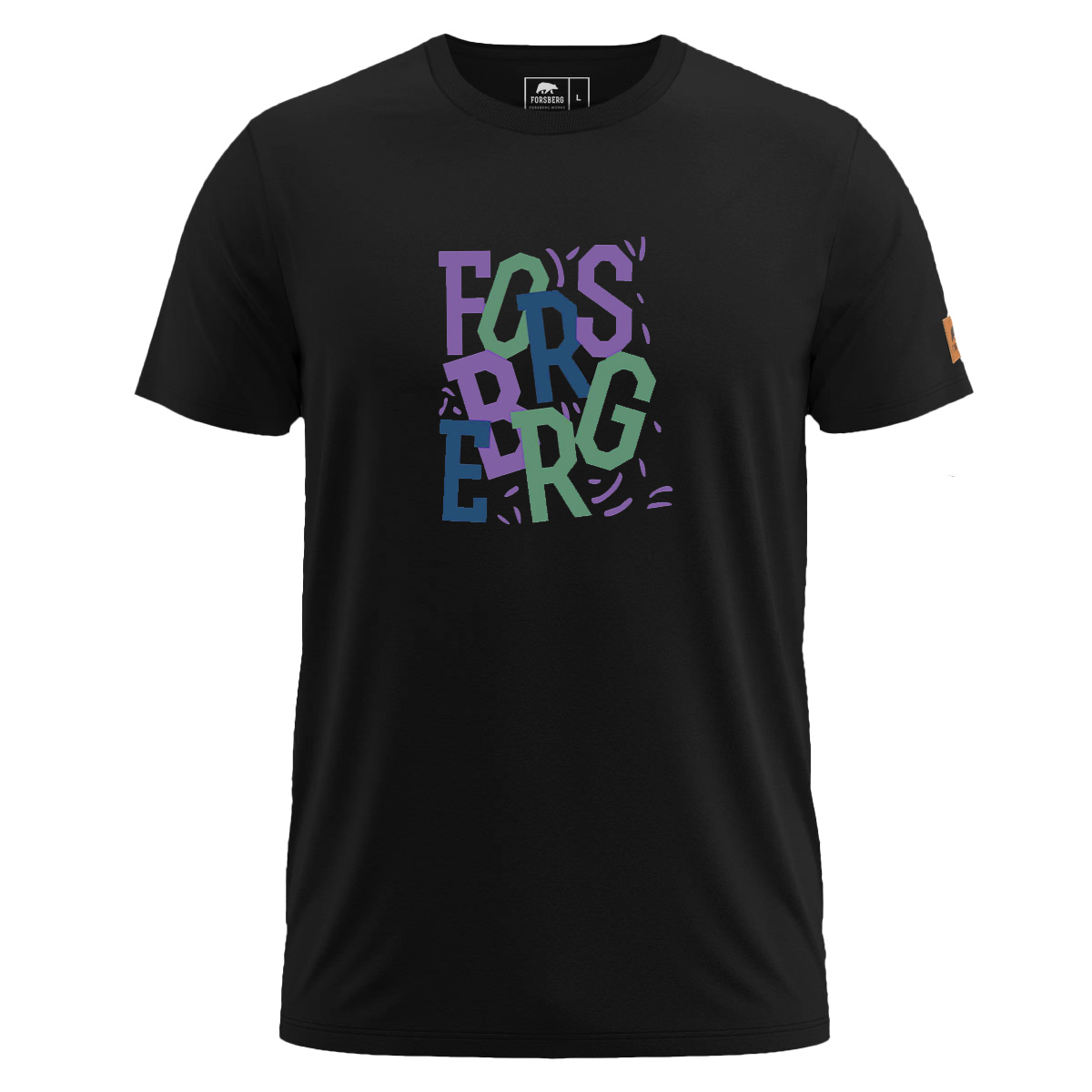
Work Tops for Every Job: T-Shirts, Hoodies, Polos & More
Work tops sit between your base layer and outer shell — and getting that layer right makes a real difference across a long shift. FORSBERG tops are cut for movement, built from materials chosen for the job at hand, and designed to hold up wash after wash. Whether you reach for a lightweight cotton tee on a warm site day or layer up with a fleece hoodie on a cold morning, this range covers both ends of that spectrum.
What Separates a Work Top from an Ordinary Shirt
The difference shows in the details. Reinforced seams resist the kind of stress that comes from reaching, lifting and twisting repeatedly. Chest pockets sit at a height that actually works when you need to stow a pen or small tool quickly. Cuts are generous across the shoulders without being baggy everywhere else — because a top that rides up or restricts movement is a top you'll stop wearing within a week.
Cotton and cotton blends deliver the softness and breathability most people want for everyday site work or office-adjacent roles. Technical polyester blends — often combined with a small percentage of elastane — move moisture away from the skin and dry faster, which matters on active or physical jobs. Fleece-lined sweatshirts and hoodies add insulation without bulk, making them a sensible midlayer when the temperature drops.
Choosing the Right Top for Your Working Conditions
The right fabric depends less on preference and more on what you actually do during the day.
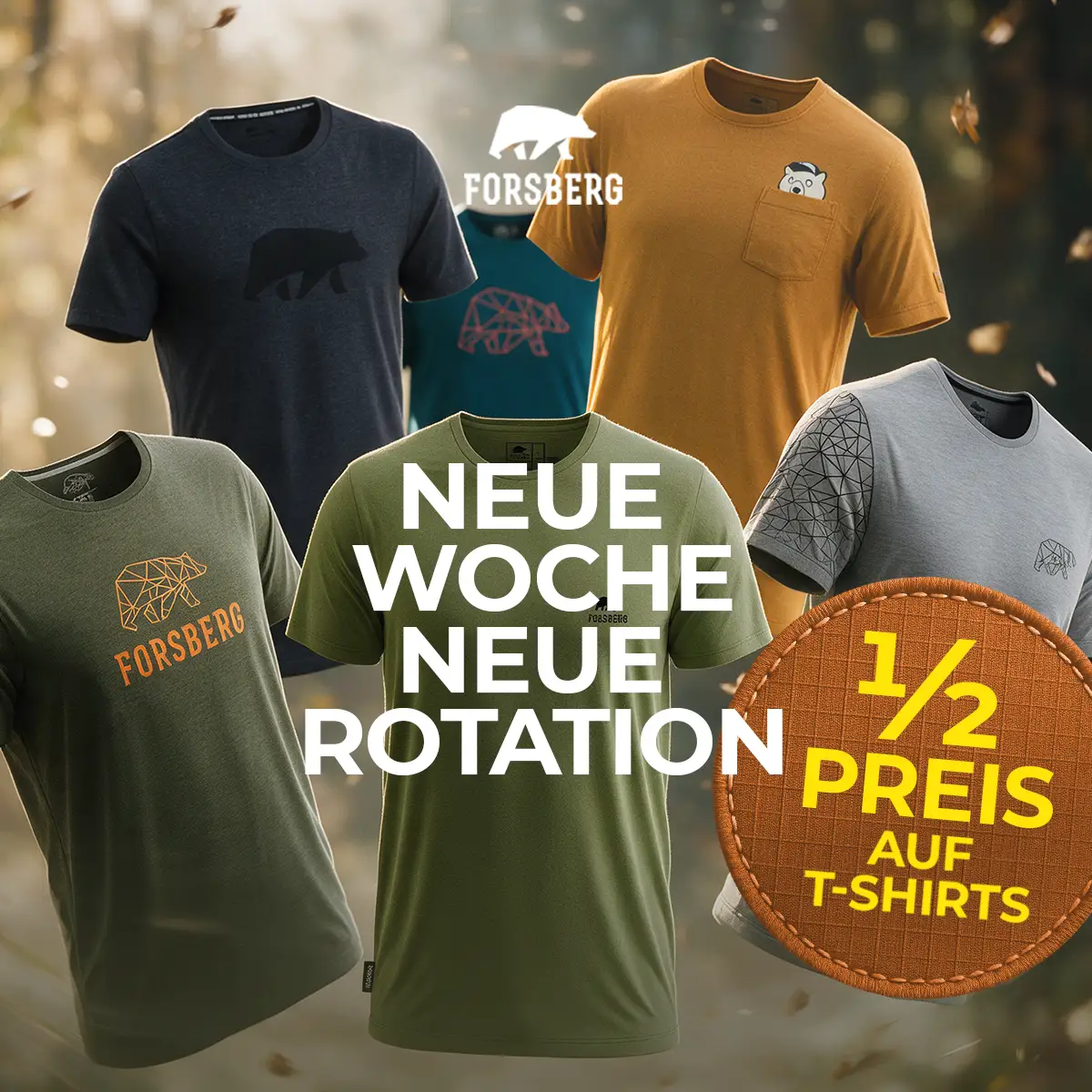
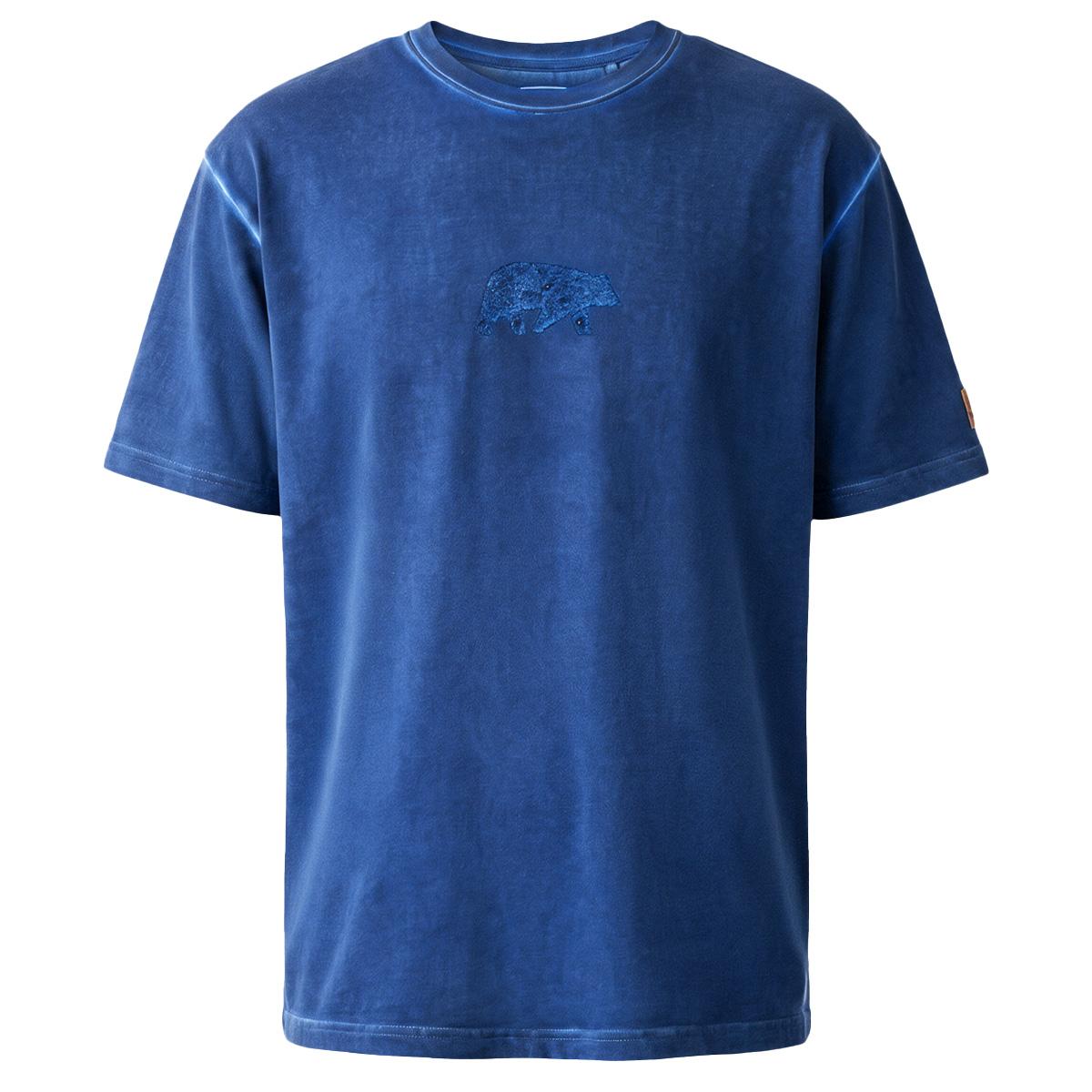
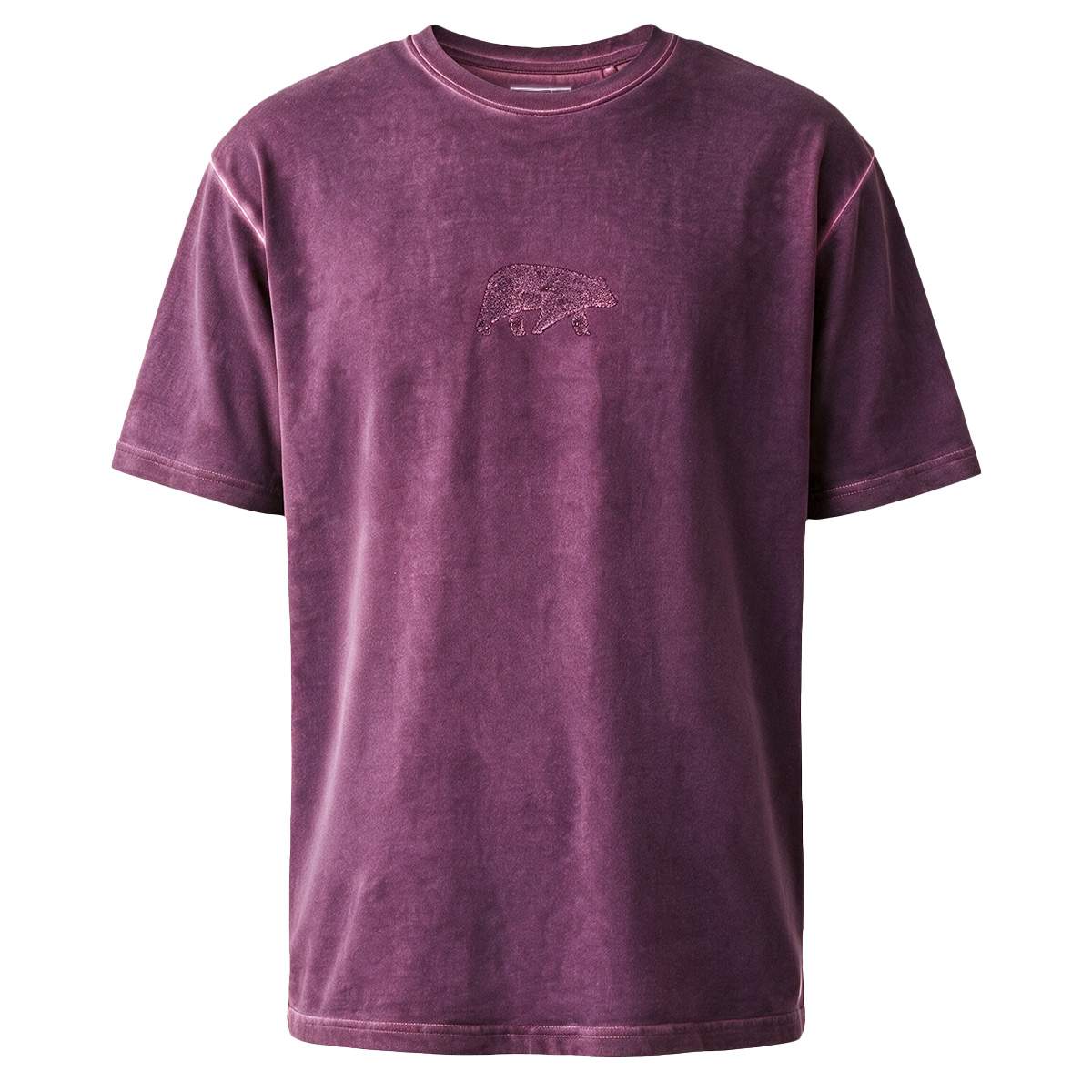
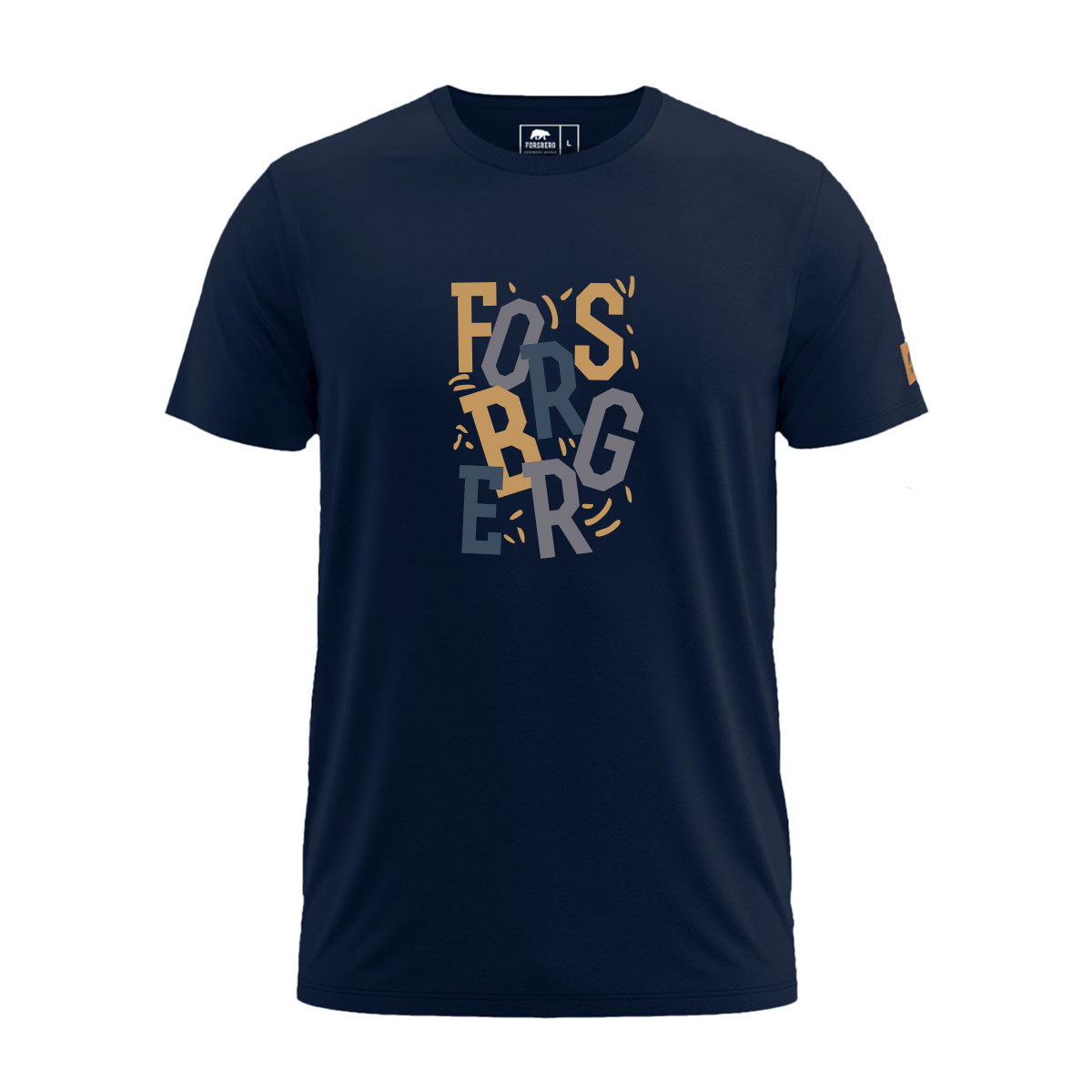
Cotton T-shirts such as the Espenson T-shirt with chest logo, the Finnson t-shirt with chest logo, the solid colour t-shirt twin pack, the T-shirt with small rubber patch, the Thyrison T-Shirt chest logo, the Lite T-shirt with small chest logo, the Skogson T-Shirt, the Oil Brorson T-shirt with chest pocket, the Coolson t-shirt with chest pocket, the Hugson T-shirt with breast pocket, the Deconstructed Espenson T-Shirt, the Fiskson T-Shirt with Chest Pocket, and the Gruvarson II T-shirt with chest logo work well in warm conditions and for roles where you're not generating heavy sweat. Cotton sits at around 180–220 g/m² in most work-grade knits — enough weight to feel substantial without trapping heat.
Functional tees in polyester blends are the better choice for physically demanding work, outdoor tasks or hot environments. They wick moisture actively and dry quickly, so you stay more comfortable through the shift.
Fleece-backed hoodies — including the Bjarneson Hoodie, the Pettarson Logo Hoodie, the Kvistson Hoodie, the Runarson Hoodie, the Hoodie mit kleinem Brustlogo, the Vidarson Zip Hoodie, and the Tillgar Longsleeve — work as midlayers. Fleece typically sits in the 280–320 g/m² range, which gives genuine warmth retention without the weight of a full jacket. Pair one with a breathable base tee and a wind-resistant shell when the weather turns.
Polo shirts — including the shape-stable polo shirt, the Marcoson polo shirt, and the Polo shirt with stand-up collar — offer a step up from a plain tee for customer-facing roles or sites where a slightly smarter appearance is expected. Piqué knit construction provides structure and airflow at the same time.
Sweatshirts such as the Sweatshirt mit Frottee Logo bridge the gap between a basic tee and a full hoodie — useful when you want warmth without a hood getting in the way of PPE or headwear.
Material at a Glance: Which Fabric for Which Conditions
| Fabric | Key property | Suited to |
|---|---|---|
| Cotton / cotton blend | Breathable, soft, comfortable | Warm days, office-adjacent roles, casual site work |
| Polyester / technical blend | Moisture-wicking, fast-drying | Active work, outdoor use, high-sweat tasks |
| Polyester + elastane | Stretch and moisture management | Tasks with significant upper-body movement |
| Piqué knit | Structured, breathable | Customer-facing roles, work polos |
| Brushed fleece | Insulating, warm | Cold conditions, midlayer use |
How to Layer Tops Effectively
Layering works when each layer has a clear role. A moisture-wicking functional tee pulls sweat away from your skin. A fleece hoodie or sweatshirt traps warm air. An outer shell — a windproof or waterproof jacket — keeps wind and rain out. Each layer should fit without compressing the one beneath it, and you should be able to remove the outer layers quickly when you warm up. Two-layer and three-layer membrane constructions are relevant for weatherproof jackets, not for tops — for this part of your kit, focus on fabric weight, breathability and cut.
Caring for Your Work Tops
Empty all pockets before washing and turn printed garments inside out to protect graphics. Close any zips. For cotton and blended tops, a standard machine wash at the temperature stated on the care label is usually sufficient. For technical polyester tops, use a detergent formulated for synthetics or sportswear — standard fabric softener coats the fibres and reduces moisture-wicking performance. Remove items promptly after the cycle ends and reshape if needed. Tumble drying on low heat is fine for most cotton tops; check the care label on fleece and technical pieces, as high heat can damage the finish.
Sizes Available
Tops in this range are available in sizes XS, S, M, L, XL, XXL, 3XL, 4XL and 5XL. Not every size is available for every product — check the individual product page for the full size run on each item.
FAQ
Do I need a specific safety certification for work tops?
Standard tops — T-shirts, polos, hoodies and sweatshirts — are general workwear without an independent safety certification requirement. If your role requires high-visibility clothing, you would need garments certified to EN ISO 20471, which specifies colour and reflective tape requirements. Standard work tops do not fall under that norm. Check your employer's risk assessment and PPE requirements for your specific role.
Can I wear a FORSBERG hoodie as a standalone outer layer?
Fleece hoodies provide insulation but are not windproof or waterproof on their own. On a dry, mild day they work as a standalone outer layer. In wind, rain or cold, they perform better as a midlayer under a shell jacket. The Vidarson Zip Hoodie and similar styles make transitions between the two uses straightforward.
Written by Sabrina Merkle, Dispatcher — Last updated: 4. September 2026