







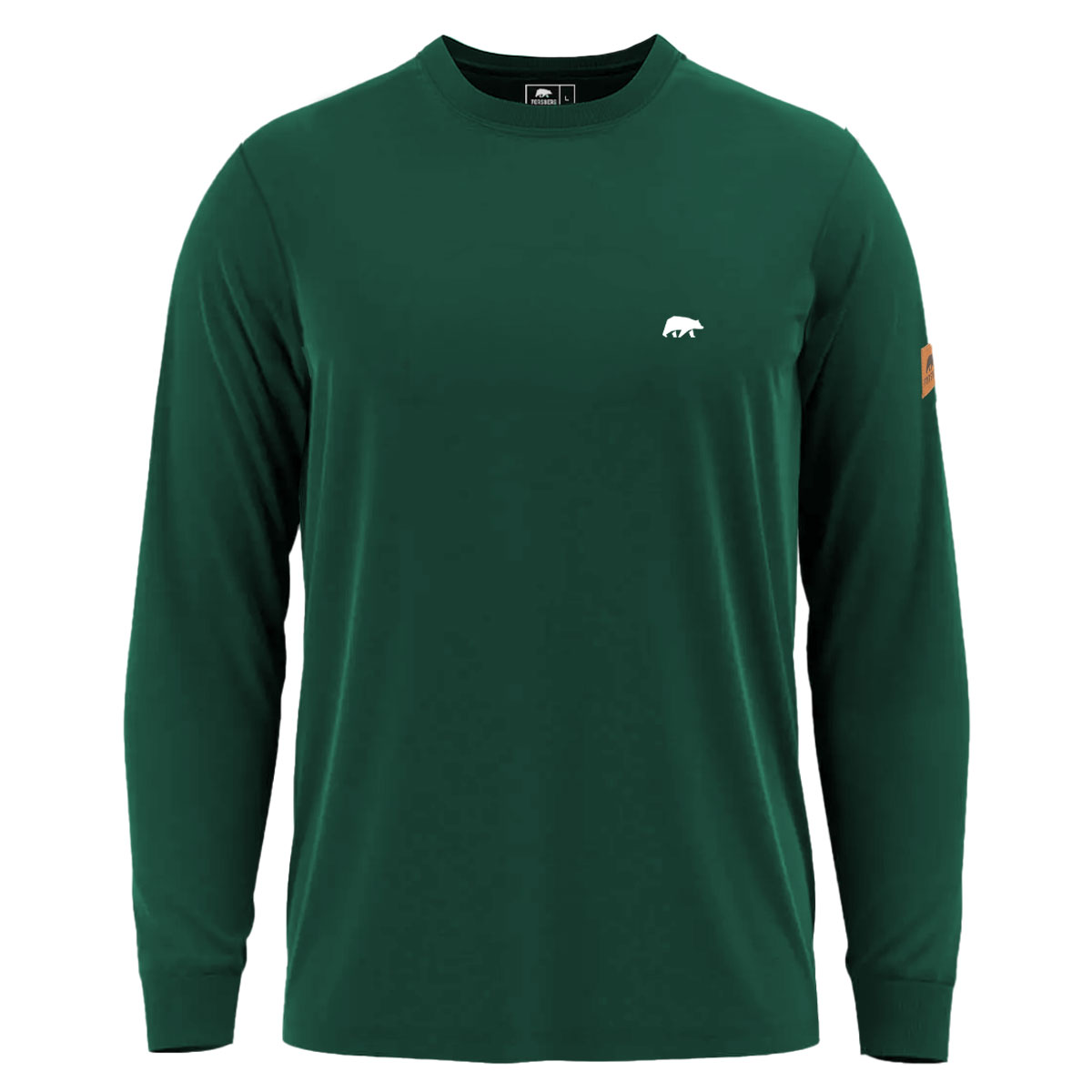
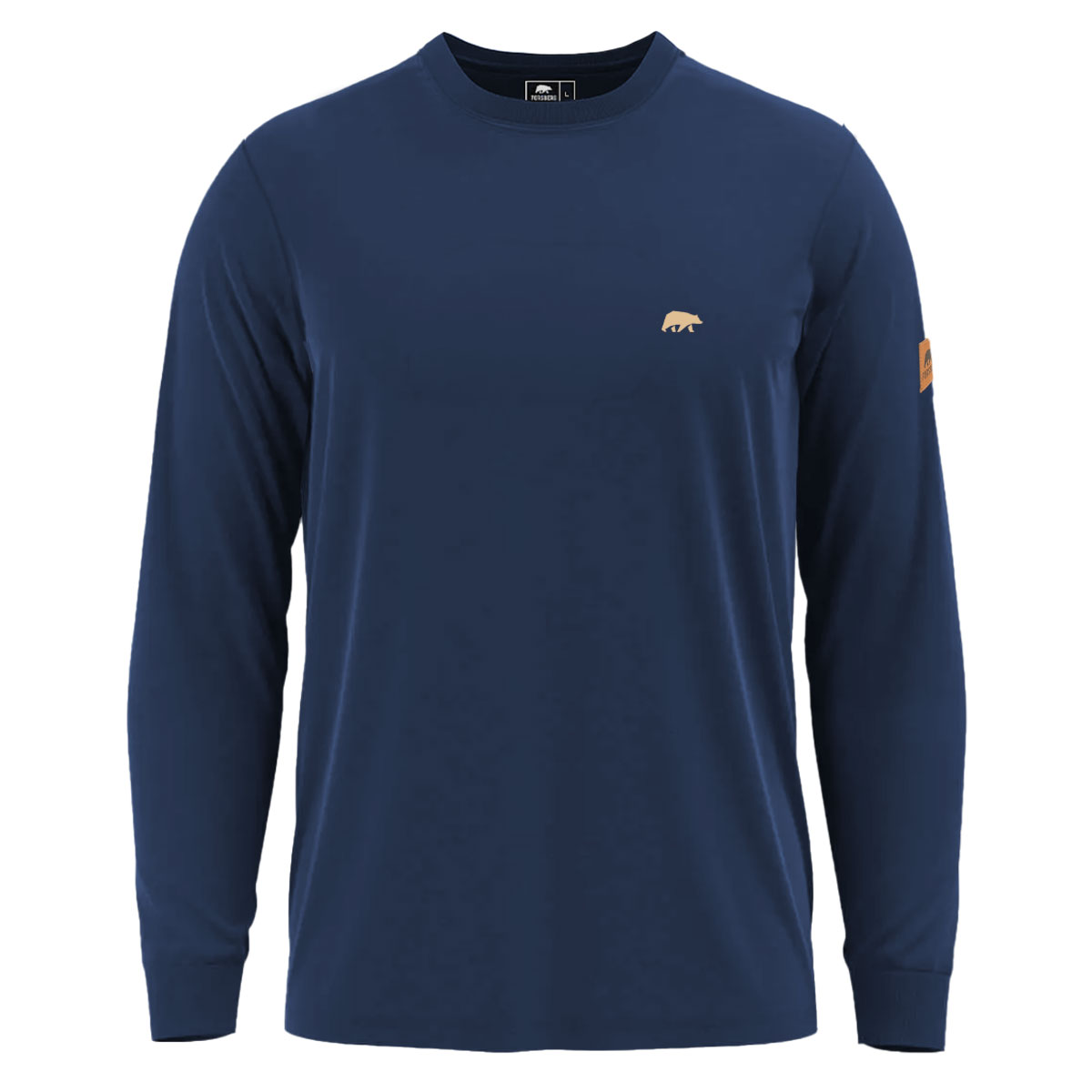
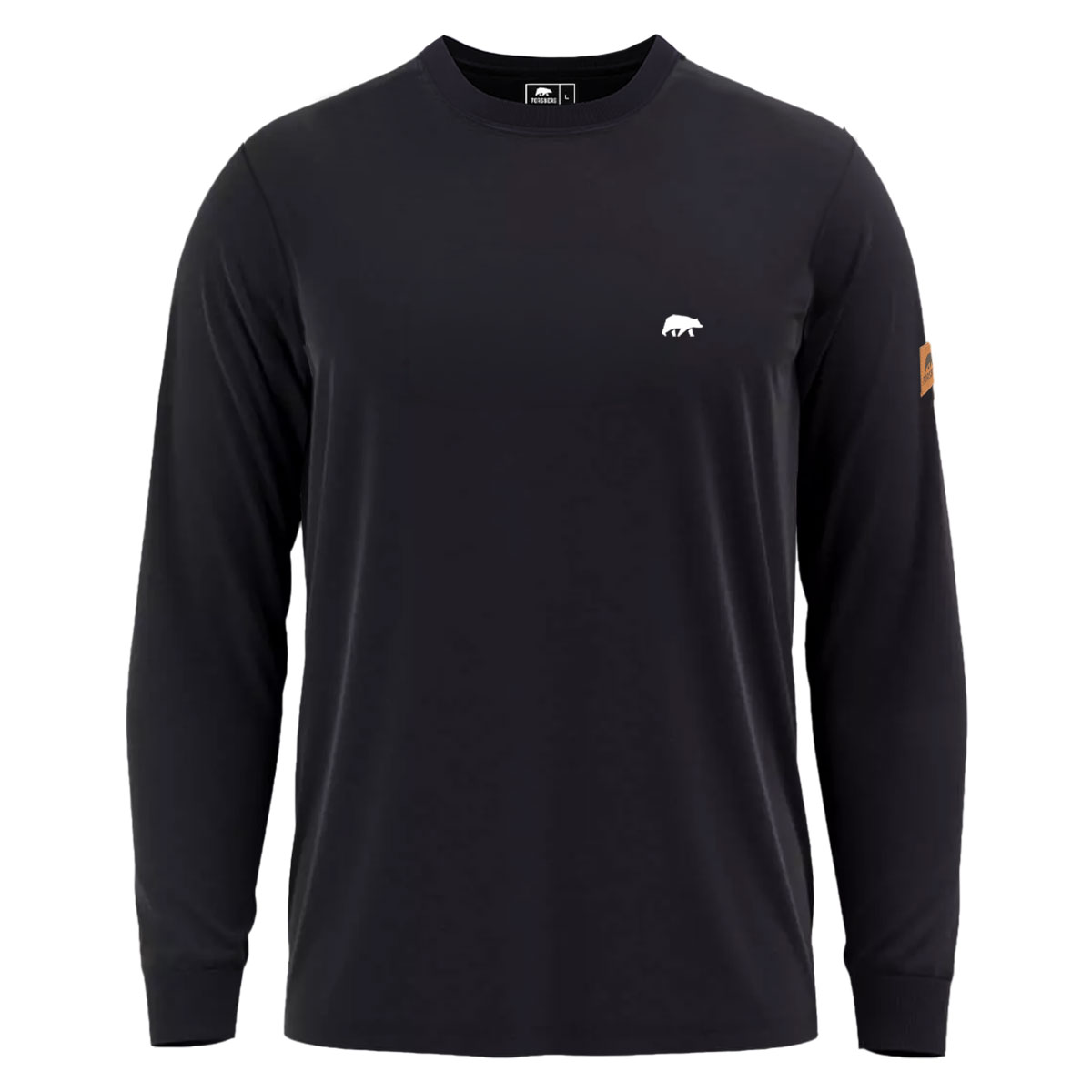

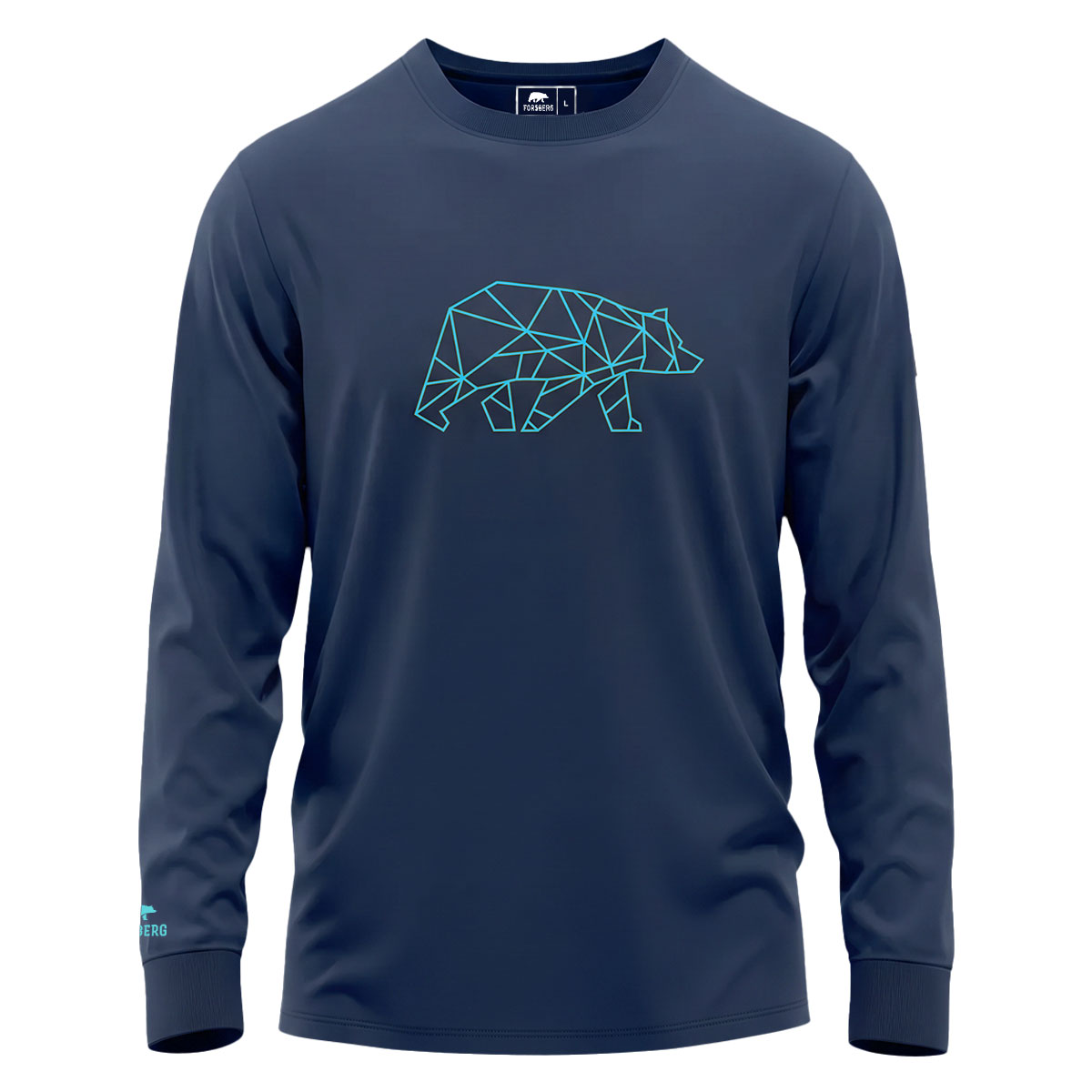

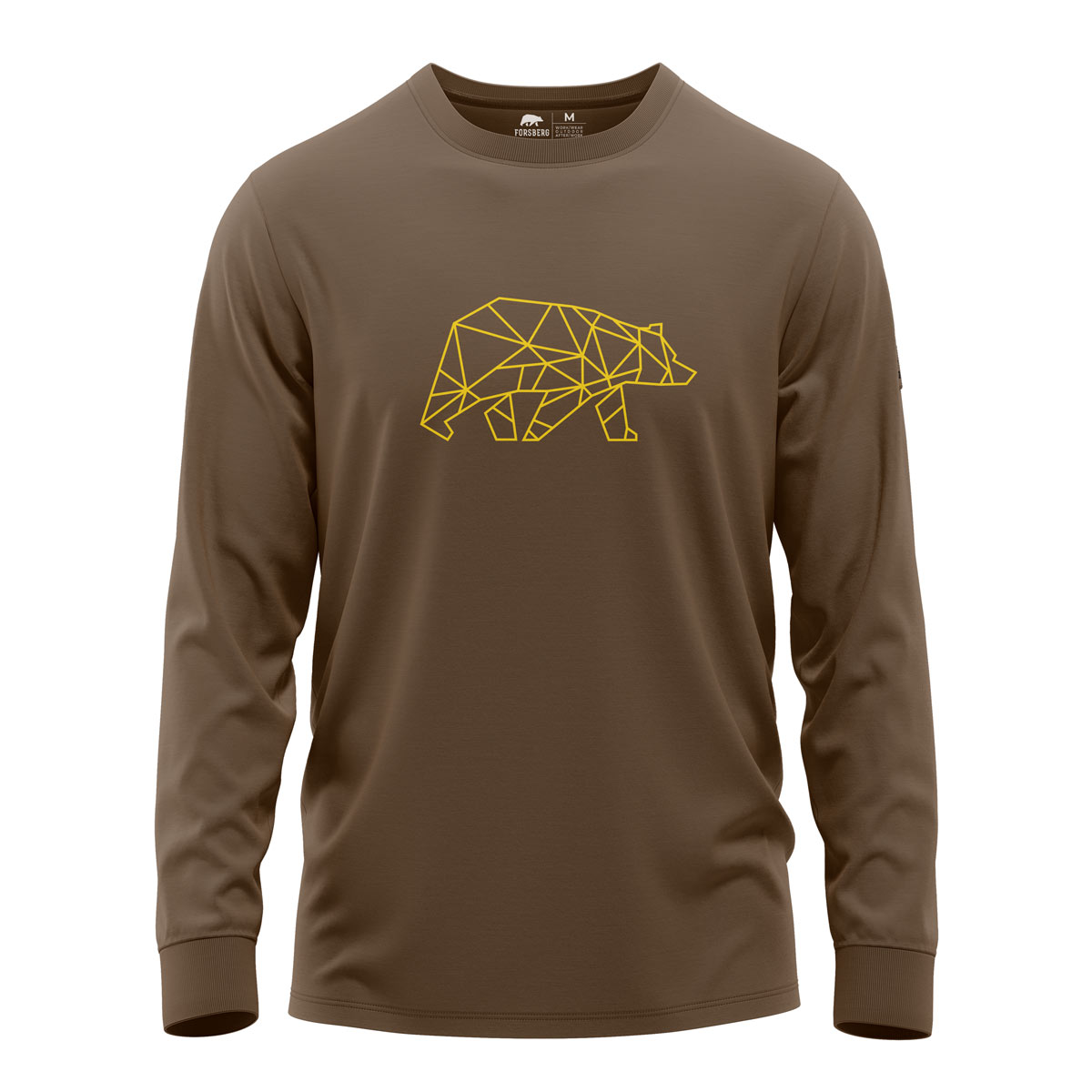
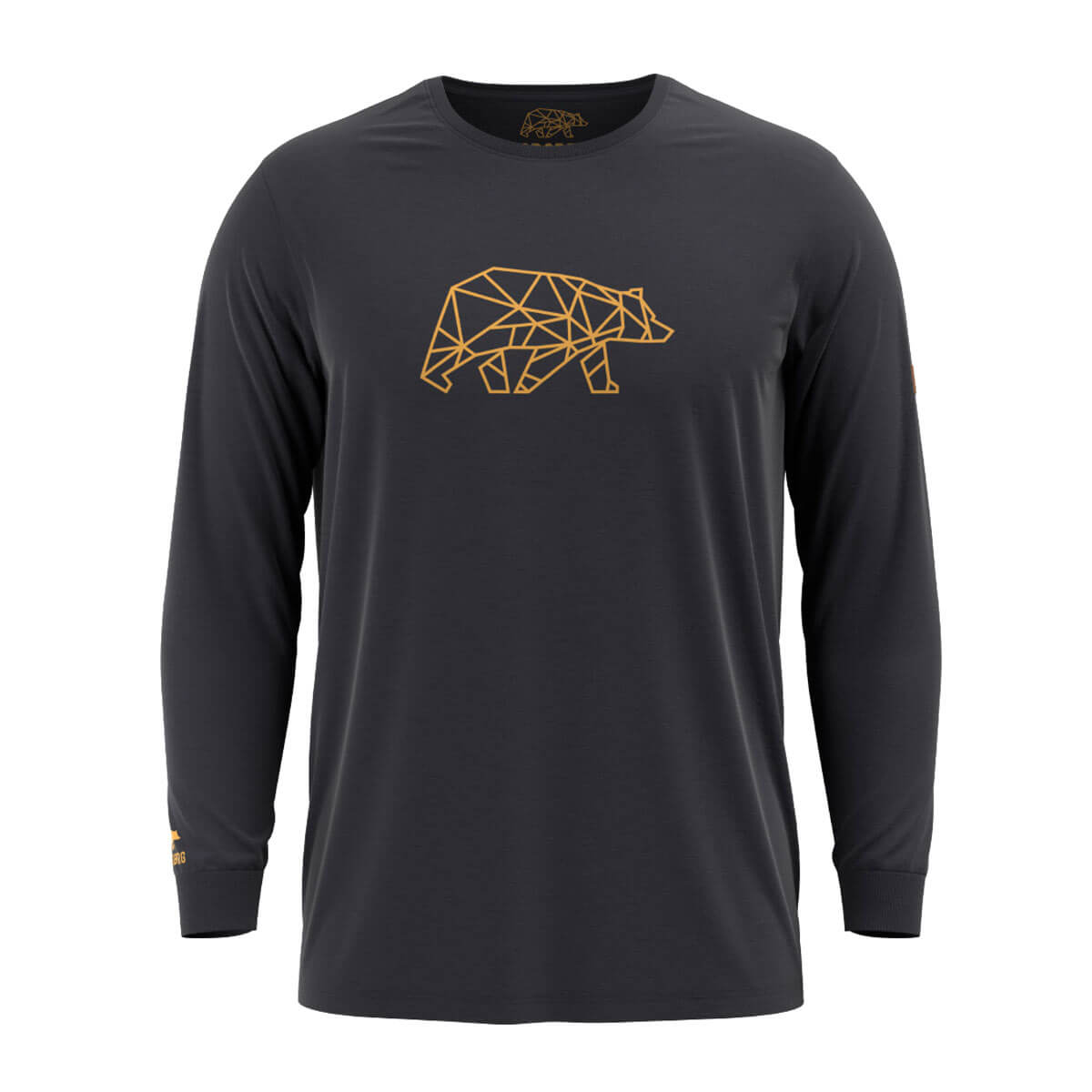
Long-Sleeved Workwear Shirts for Work and Outdoor Use
FORSBERG longsleeves are built for physical work: durable fabric construction, practical details and a cut that gives you freedom of movement without looking sloppy at the end of the shift. Whether you're on a building site, in the workshop or out in the field, a long-sleeved shirt does more than just cover your arms — it layers cleanly under fleeces and softshells, protects your skin and keeps you presentable across long working days.
What Sets a Good Work Longsleeve Apart from a Basic Shirt
A longsleeve for work carries different demands than a casual shirt. Seams need to hold under repetitive movement. Fabric weight has to balance warmth and breathability — too thin and it offers no protection; too heavy and it becomes uncomfortable in motion. Cuffs and ribbing should keep their shape after repeated washing, and any pocket needs to be placed and bartacked so it doesn't tear under load.
FORSBERG designs longsleeves with these demands in mind: reinforced seams at stress points, thoughtful pocket placement and fabrics chosen for durability as much as comfort. The Scandinavian design approach keeps the silhouette clean enough for client-facing work while remaining functional on site.
Which Longsleeve for Which Job
Different tasks call for different shirt constructions. Here's how to read the range:
Layering base for cold-weather work: Look for a lighter knit weight — something that moves with you and fits cleanly under a fleece or insulated softshell. Raglan sleeve cuts (as on the Raglar Longsleeve Shirt) reduce shoulder bulk and are particularly useful when you're also wearing an outer layer.
Standalone shirt for mild conditions or active tasks: A mid-weight cotton or cotton-blend knit works well — breathable enough on its own, robust enough for outdoor use. The Tillgar Longsleeve and the Langar II long sleeve shirt with logo sit in this category.
Functional performance shirt: If moisture management or added stretch matters — for example on jobs with sustained physical effort — a functional shirt construction makes more sense than a standard jersey knit. The Skjorta II functional shirt long-sleeved and the Torke long-sleeved functional shirt address this use case.
Women's fit and cut: FORSBERG offers longsleeves cut specifically for women, including the two-tone long-sleeved women's organic cotton and the two-tone long-sleeved shirt with chest logo for women.
The FORSBERG Longsleeve Range
The models in this category cover a broad range of applications. Below is an overview of what's available:
| Model | Notable features |
|---|---|
| Tillgar Longsleeve | Clean everyday cut, suitable for work and leisure |
| Raglar Longsleeve Shirt | Raglan sleeve construction for greater shoulder mobility |
| Basic long sleeve | Reliable everyday base, straightforward construction |
| Langar II long sleeve shirt with logo | Branded long sleeve, practical for team use |
| Svettson long sleeve functional shirt | Functional shirt construction |
| Skjorta II functional shirt long-sleeved | Long-sleeved functional shirt, available in variants |
| Torke long-sleeved functional shirt | Functional shirt with extended spec |
| Longsleeve with chest pocket | Chest pocket with bartacked seams |
| Longsleeve with button placket | Button placket, available in variants |
| Longsleeve with small rubber patch | Rubber patch branding detail |
| Longsleeve with audio wave | Graphic detail longsleeve |
| Two-tone long-sleeved women's organic cotton | Women's cut, organic cotton |
| Two-tone long-sleeved shirt with chest logo for women | Women's cut, chest logo detail |
What to Look for in Fabric and Construction
Cotton and cotton blends are the standard for everyday workwear longsleeves. A tightly knit, combed or ring-spun cotton feels soft against the skin and stays breathable over long shifts. The trade-off is drying time — pure cotton holds moisture longer than a blend.
Cotton/polyester blends reduce shrinkage, improve shape retention after washing and dry faster. If a shirt gets heavy use and goes through frequent wash cycles, a blend will generally hold its construction better over time.
Functional fabrics — used in models like the Skjorta II and Torke — go further: they manage moisture actively, often incorporate stretch, and may include mechanical properties suited to sustained physical effort.
Fabric weight (g/m²) matters more than most people expect. A lighter knit sits better under outer layers; a heavier knit gives more warmth and abrasion resistance as a standalone shirt. Check the product detail page for each model — the g/m² figure, where listed, tells you more than the label "lightweight" ever will.
Care: How to Keep a Work Longsleeve in Good Shape
Turn the garment inside out before washing — it protects the surface and any print details. Wash at the temperature shown on the care label; for most cotton and cotton-blend workwear longsleeves that's 30–40 °C. Use a detergent suited to coloured workwear if the shirt sees heavy soil.
Air-drying on a flat surface or a hanger preserves the shape of ribbed cuffs and collar better than tumble drying. If tumble drying is permitted on the care label, use low heat. Mend small seam splits early — a few stitches now prevents a larger repair later.
FAQ
Do FORSBERG longsleeves carry any PPE or EN certification?
Longsleeves in this category are workwear shirts — they are not certified Personal Protective Equipment (PPE) under the EU PPE Regulation 2016/425 or BS EN ISO 13688 (Protective Clothing). They provide physical comfort, durability and coverage, but they are not a substitute for certified Protective Clothing where a risk assessment requires it. If your workplace requires flame-resistant, Hi-Vis or chemical-protective garments, those categories are listed separately on forsberg.works.
What is the difference between a functional shirt and a standard longsleeve?
A standard longsleeve uses a jersey or similar knit primarily for comfort and coverage. A functional shirt — such as the Skjorta II functional shirt long-sleeved or the Torke long-sleeved functional shirt — uses fabrics engineered for moisture transport, stretch and drying speed. They typically suit tasks involving sustained physical effort, where managing sweat and maintaining movement matters more than simple warmth.
Written by Sabrina Merkle, Dispatcher — FORSBERG Product Team. Last updated: 16 October 2026
